Medical & editorial notice: Symptoms Insight publishes general health information for educational purposes only. It is not a substitute for professional medical advice, diagnosis, or treatment. Always seek the advice of a qualified healthcare provider with questions about a medical condition.
Review snapshot
What we checked for this guide
Official sources used
Pages checked while updating this article
Introduction
Vitamin B12 and folate (vitamin B9) are two of the most easily confused nutrients in health. They work as a team to build healthy red blood cells and copy your DNA, and when either runs low the result can look almost identical on a basic blood test — the same tiredness, the same enlarged red blood cells, the same megaloblastic anemia. Yet the two deficiencies are not interchangeable, and treating one as if it were the other can cause real harm.
The single most important difference is this: vitamin B12 also protects your nervous system. A folate deficiency will leave you exhausted and anemic, but a B12 deficiency can additionally cause numbness, tingling, balance problems, and memory changes — and those nerve symptoms can become permanent if ignored. That is why doctors always check the two together and are careful never to treat anemia with folic acid alone.
This 2026 pillar guide explains vitamin B12 vs folate deficiency in plain language — how their symptoms overlap and where they differ, what causes each, how they are diagnosed, the best foods for both, and when to see a doctor. If persistent tiredness is your main concern, it pairs well with our guides to chronic fatigue and iron deficiency anemia, two conditions that often travel alongside low B-vitamins.
Medical note: This article is for general education only and is not medical advice. Vitamin deficiencies and anemia have several possible causes, some of them serious. Do not start high-dose supplements or self-diagnose based on symptoms alone — ask a qualified healthcare provider to test your levels and guide treatment.

Why B12 and Folate Are So Easily Confused
Vitamin B12 and folate share a job. Both are essential for DNA synthesis and for the maturation of red blood cells in your bone marrow. When either is in short supply, the marrow produces red cells that are large, fragile, and immature — a condition called megaloblastic anemia. Because the underlying problem is the same, the everyday symptoms are nearly identical:
- Persistent fatigue and weakness
- Pale skin and shortness of breath
- Heart palpitations and lightheadedness
- A sore, smooth, or red tongue (glossitis) and mouth ulcers
- Headaches, poor appetite, and irritability
On a standard blood count, both deficiencies push up the mean corpuscular volume (MCV), meaning the red cells are bigger than normal. A doctor looking only at that number cannot tell which vitamin is missing — which is exactly why direct B12 and folate levels are measured. According to the NIH Office of Dietary Supplements, this shared pathway is what makes the two so difficult to separate on symptoms alone.
The overlap does not stop there. The two frequently occur together, especially in older adults, people with malabsorption, and those on limited diets. Low iron can complicate the picture further, which is why our iron deficiency anemia guide is a useful companion read when fatigue has no obvious cause.
The Key Difference: B12 Protects Your Nerves
If you remember only one thing from this guide, make it this. Folate deficiency causes anemia. B12 deficiency causes anemia and nerve damage.
Vitamin B12 is needed to maintain the myelin sheath, the protective coating around your nerves. When B12 runs low, that coating deteriorates, producing neurological symptoms that folate deficiency does not:
- Tingling, numbness, or "pins and needles" in the hands and feet
- Balance and walking difficulties
- Muscle weakness
- Memory problems, brain fog, and difficulty concentrating
- Mood changes, including low mood and irritability
Crucially, these nerve symptoms can appear before anemia shows up — or even without it. Some people have normal blood counts yet significant B12-related nerve issues. The Mayo Clinic notes that untreated B12 deficiency can lead to nerve damage that becomes permanent, which is why early recognition matters so much. Some of these overlapping mental symptoms are also seen with the physical symptoms of anxiety, so testing is the only reliable way to know the cause.
Vitamin B12 vs Folate Deficiency: Side-by-Side
Here is the quick-reference comparison most people are looking for. Use it as a guide, but remember that a blood test — not this table — is what confirms a diagnosis.
| Feature | Vitamin B12 (Cobalamin) | Folate (Vitamin B9) |
|---|---|---|
| Main role | Red blood cells, DNA, nerve health | Red blood cells, DNA, fetal development |
| Anemia type | Megaloblastic (large red cells) | Megaloblastic (large red cells) |
| Nerve symptoms | Yes — tingling, numbness, balance | No |
| Main food sources | Animal foods: meat, fish, eggs, dairy | Greens, legumes, fortified grains |
| At-risk groups | Vegans, over-60s, poor absorption | Pregnancy, alcohol use, low-veg diets |
| Pregnancy concern | Supports development, less specific | Prevents neural tube defects |
| Body stores | Large — can last years | Small — depletes in weeks to months |
| Common treatment | Oral B12 or injections | Folic acid tablets |
Two contrasts stand out. First, B12 is stored in the liver in large amounts, so a deficiency can take years to develop — but also years to appear after diet changes. Folate stores are small, so folate deficiency can develop within a few months of poor intake. Second, folate is the pregnancy nutrient: adequate folate before conception dramatically lowers the risk of neural tube defects, as the CDC emphasizes.
What Causes Vitamin B12 Deficiency?
B12 deficiency is usually a problem of intake or absorption rather than a body that uses it up quickly. Common causes include:
- Vegan or strict vegetarian diets — B12 is found almost entirely in animal foods, so plant-only eaters need fortified foods or a supplement.
- Age over 60 — the stomach produces less acid and intrinsic factor with age, reducing absorption.
- Pernicious anemia — an autoimmune condition that blocks the intrinsic factor needed to absorb B12; a leading cause in older adults.
- Digestive disorders — celiac disease, Crohn's disease, and other conditions that damage the gut lining.
- Stomach or intestinal surgery, including weight-loss surgery.
- Medications — long-term metformin (for diabetes) and proton pump inhibitors or other acid reducers.
Because absorption is so often the issue, simply eating more B12 does not always fix the problem — which is why injections are sometimes required. If you have unexplained fatigue plus digestive symptoms, our guide to chronic fatigue explains other overlapping causes worth ruling out.

What Causes Folate Deficiency?
Because the body stores relatively little folate, deficiency develops faster and is often tied to diet, alcohol, or increased demand. Common causes include:
- A diet low in vegetables, legumes, and fortified grains.
- Pregnancy and breastfeeding, when the body's folate needs rise sharply.
- Heavy alcohol use, which interferes with folate absorption and metabolism.
- Malabsorption conditions such as celiac disease.
- Certain medications, including methotrexate, some anti-seizure drugs, and sulfasalazine.
- Overcooking vegetables, since folate is easily destroyed by prolonged heat.
Folate deficiency in pregnancy deserves special attention. Adequate folate in the weeks before and after conception protects the developing spine and brain, which is why many health authorities recommend a daily folic acid supplement for anyone who could become pregnant. Our dedicated guide to folic acid deficiency symptoms, causes, and foods covers this in more depth.
How Are B12 and Folate Deficiency Diagnosed?
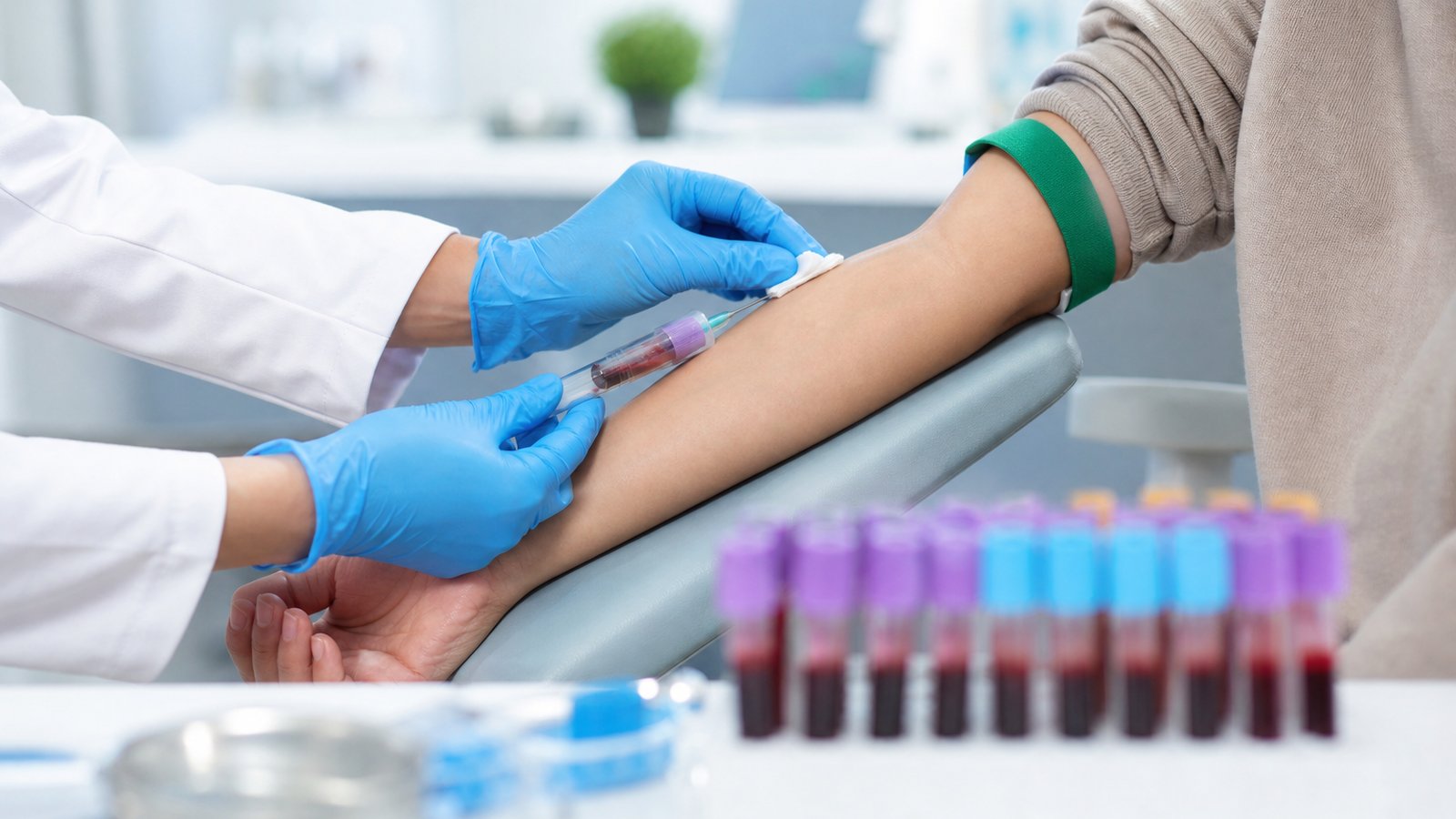
Because the symptoms overlap, testing is the only reliable way to tell them apart. A typical workup includes:
- Full blood count (FBC/CBC) — shows anemia and a raised MCV (large red cells).
- Serum vitamin B12 — measures circulating B12; borderline results may need further testing.
- Serum or red-cell folate — measures folate status.
- Methylmalonic acid (MMA) — raised specifically in B12 deficiency, helping separate it from folate deficiency.
- Homocysteine — can be elevated in either deficiency, so it is used alongside other tests.
- Intrinsic factor antibodies — checked when pernicious anemia is suspected.
Doctors interpret these together, not in isolation, and often add iron studies because iron deficiency can coexist and mask the enlarged-cell pattern. If getting to a clinic is difficult, our roundup of the best telemedicine apps can help you arrange testing and follow-up quickly.
Why You Should Never Treat Folate Alone
This is the most important safety point in the entire B12-versus-folate story. High-dose folic acid can "mask" a B12 deficiency.
Here is why. Folic acid can correct the anemia caused by low B12, making the blood count look normal again. But it does nothing for the nerve damage that low B12 causes. So a person taking folic acid alone may feel their blood is fixed while, underneath, their nervous system continues to deteriorate silently — sometimes to the point of permanent harm.
For this reason, clinicians follow a simple rule:
- Always check B12 status before, or at the same time as, treating with folic acid.
- Correct a B12 deficiency alongside folate — never folate on its own.
- Be cautious with high-dose folic acid supplements unless B12 has been confirmed as adequate.
If you are considering a high-dose folic acid product on your own, confirm your B12 level first. This is not a reason to fear folate — it is a reason to test properly and treat both together.
Best Foods for B12 and Folate
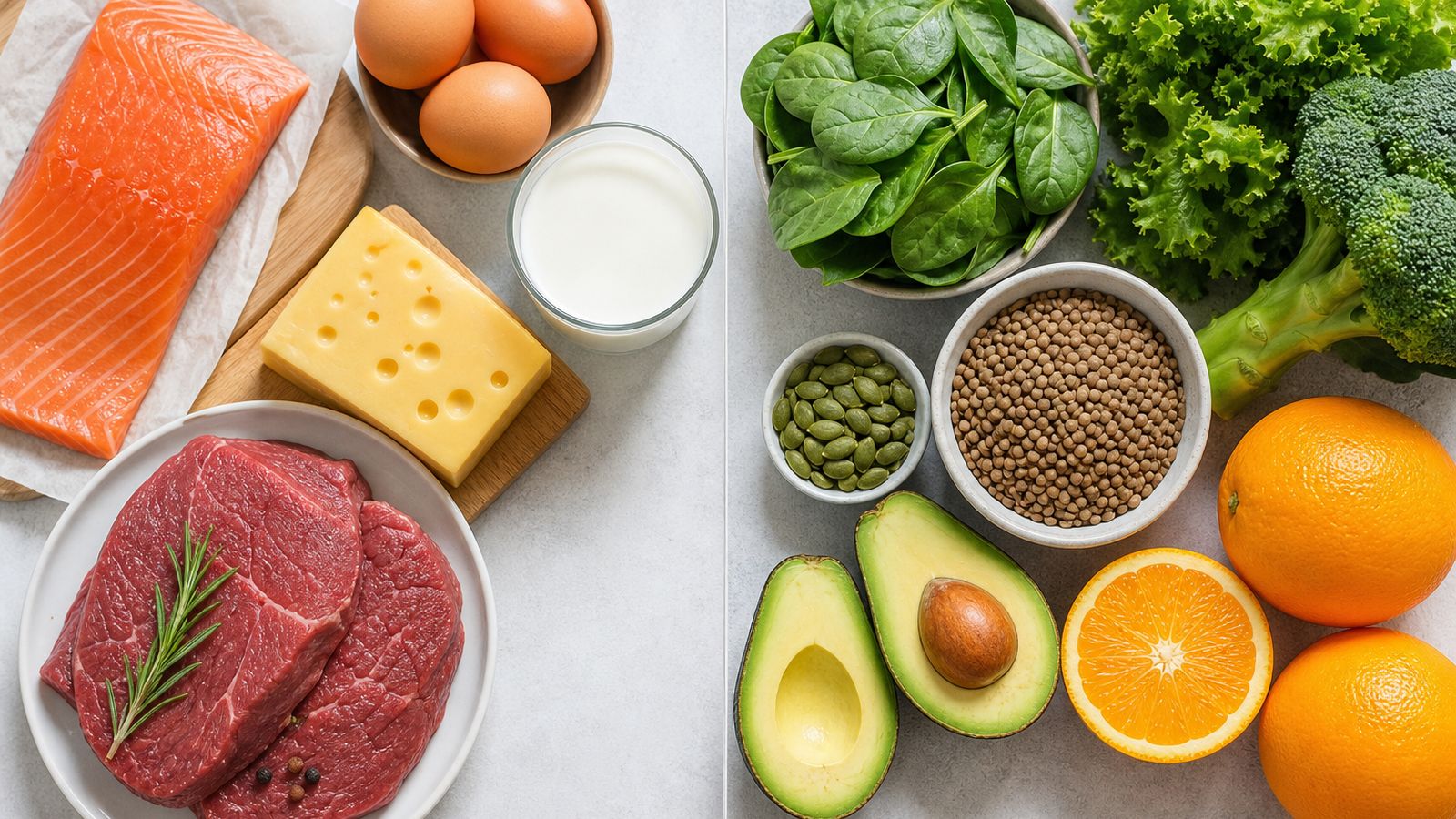
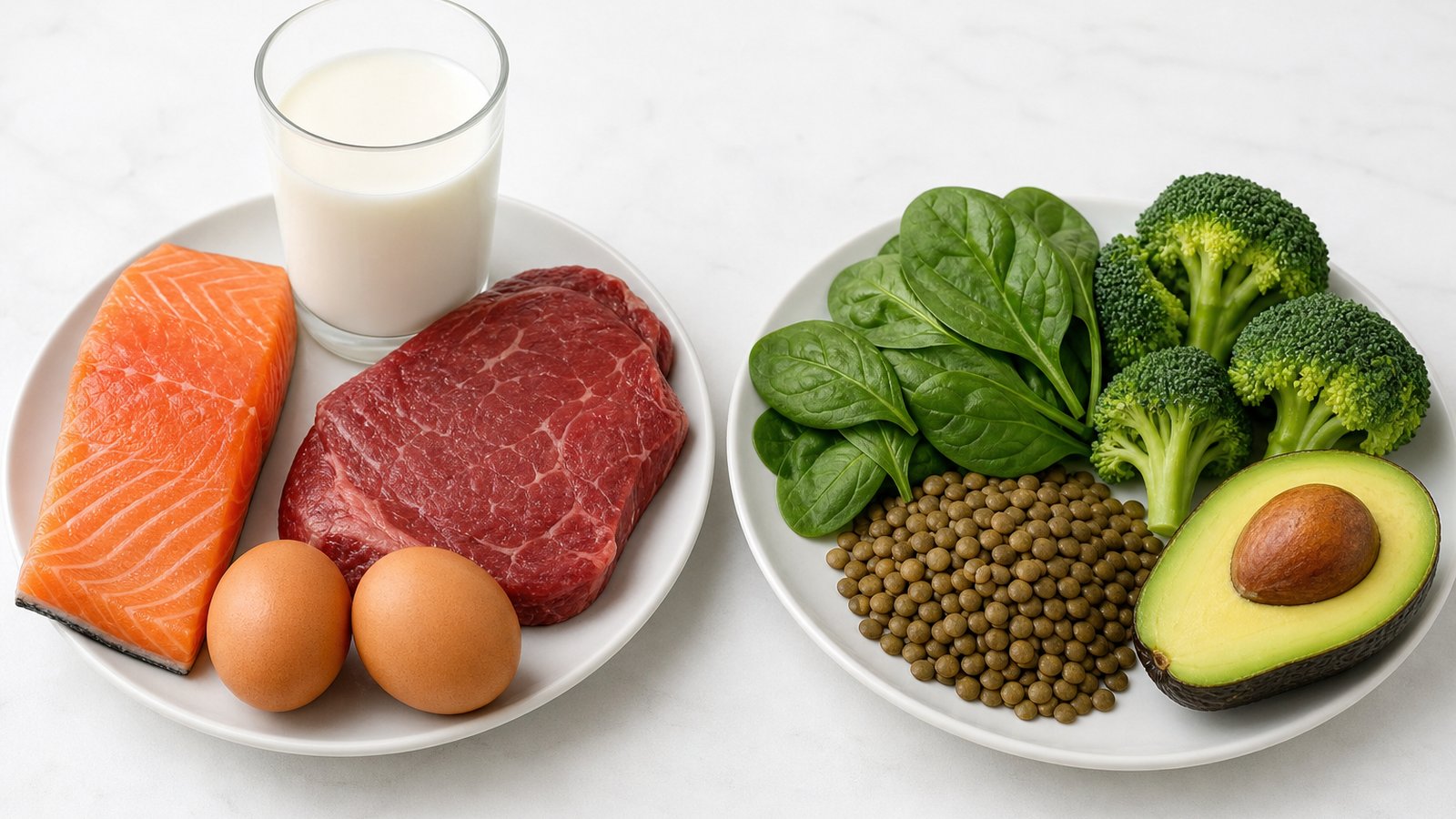
The most sustainable protection against either deficiency is a varied diet that covers both the "animal/dairy" and "green/legume" sides of the plate.
Top vitamin B12 foods
- Shellfish (clams, mussels) and liver — the richest sources
- Fish such as salmon, sardines, tuna, and trout
- Beef and other lean meats
- Eggs, milk, cheese, and yogurt
- Fortified foods for vegans — plant milks, breakfast cereals, and nutritional yeast
Top folate foods
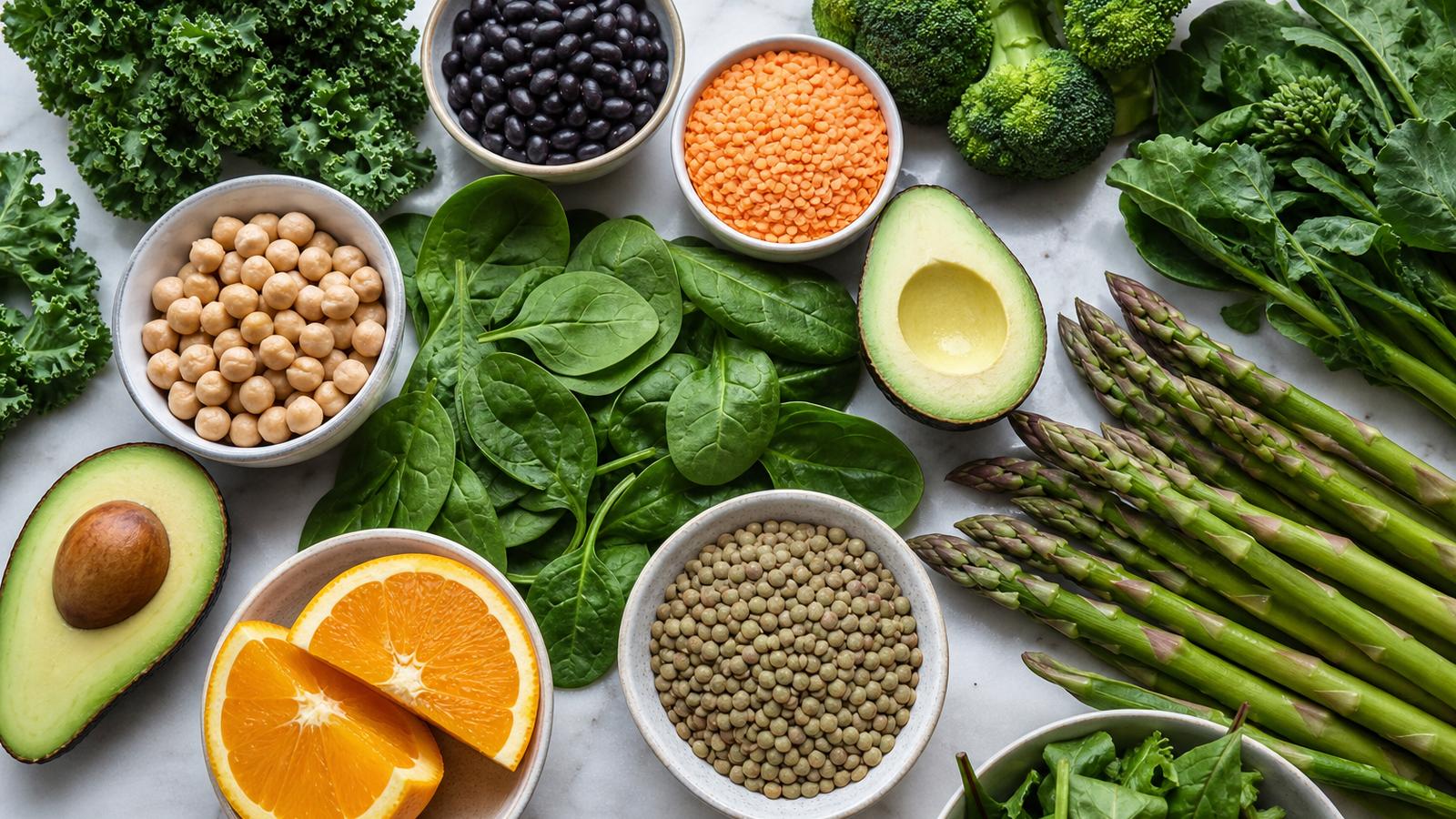
- Dark leafy greens — spinach, kale, romaine
- Broccoli, asparagus, and Brussels sprouts
- Legumes — lentils, chickpeas, and black beans
- Avocado and citrus fruits
- Fortified breads, pasta, and cereals
A quick tip: eat some folate-rich vegetables lightly cooked or raw, since prolonged boiling destroys much of their folate. Building these foods into a broader routine of daily wellness habits for better energy makes deficiency far less likely. For a wider look at other nutrients that affect energy and mood, see our guides to magnesium deficiency, zinc deficiency, and vitamin D deficiency.
How Are These Deficiencies Treated?
Treatment always depends on the cause and severity, and should be guided by a clinician.
Folate deficiency is usually straightforward: a course of folic acid tablets (commonly 1–5 mg daily for a few months) plus a diet richer in greens and legumes. Levels typically recover within a few months, and treatment is stopped once stores are replenished and the cause is addressed.
B12 deficiency depends on why it developed:
- Dietary shortage (e.g. vegan diet) often responds to oral B12 supplements or fortified foods.
- Absorption problems (pernicious anemia, gut disease, surgery) usually require vitamin B12 injections, sometimes for life, because the gut cannot absorb it reliably.
The golden rule remains: treat B12 before or alongside folate, never folate alone. Self-prescribing high doses can hide a serious problem, so work with a healthcare provider who can dose correctly and monitor your recovery. Other conditions that cause fatigue, such as an underactive thyroid, should also be considered — see our guide to thyroid symptoms in women.
When to See a Doctor
Book an appointment if you have ongoing symptoms of deficiency, and seek prompt care for neurological signs that suggest low B12:
- Persistent fatigue, weakness, or breathlessness with no clear cause
- A sore, red, or swollen tongue and recurring mouth ulcers
- Tingling, numbness, or pins-and-needles in the hands or feet
- Balance problems, unsteady walking, or muscle weakness
- New memory problems, confusion, or brain fog
- Symptoms of anemia during pregnancy or if you are planning to conceive
Do not try to sort out B12 versus folate on your own with supplements — the risk of masking a B12 deficiency is real. A simple blood test settles the question and points to the right treatment. Overlapping fatigue conditions are common, so our guides to chronic fatigue and omega-3 deficiency are worth reading if your tiredness persists after B-vitamin levels are corrected.

Myths vs Facts About B12 and Folate
| Myth | Fact |
|---|---|
| "B12 and folate deficiency are the same thing." | They share an anemia, but only B12 deficiency damages nerves. |
| "Folic acid can fix any B-vitamin anemia." | It corrects the anemia but can hide dangerous B12 deficiency. |
| "Only vegans get B12 deficiency." | Older adults, people on metformin, and those with gut disease are also high-risk. |
| "You get plenty of folate from any diet." | Folate stores are small and drop within weeks on a low-vegetable diet. |
| "Eating more meat always fixes low B12." | If the problem is absorption, injections may be needed instead. |
| "Supplements are risk-free at any dose." | High-dose folic acid without checking B12 can mask nerve damage. |
Managing your B-vitamins, like most health goals, rewards consistency over intensity — a varied everyday diet and proper testing beat occasional megadoses.
Key Takeaways
- B12 and folate share an anemia (megaloblastic), so symptoms like fatigue, pale skin, and a sore tongue overlap heavily.
- Only B12 deficiency causes nerve symptoms — tingling, numbness, balance issues, and memory changes — which can become permanent.
- B12 comes from animal foods; folate comes from greens, legumes, and fortified grains.
- B12 stores last years; folate stores last only weeks to months, so folate deficiency develops faster.
- Folate is the pregnancy nutrient, protecting against neural tube defects before and after conception.
- Never treat folate alone — high-dose folic acid can mask a B12 deficiency and let nerve damage progress.
- Testing is essential: a blood count plus B12, folate, and often iron levels tells the true story.
- Treatment differs: folic acid tablets for folate; oral B12 or injections for B12, depending on the cause.
Explore Related Guides
- Vitamin B12 Deficiency: Symptoms, Causes & Treatment
- Folic Acid Deficiency: Symptoms, Causes & Foods
- Iron Deficiency Anemia: Symptoms, Causes & Treatment
- Chronic Fatigue Syndrome: Symptoms, Causes & Treatment
- Anxiety: Physical Symptoms Explained
- Omega-3 Deficiency: Signs, Foods & Benefits
- Magnesium Deficiency: Symptoms, Causes & Treatment
- Zinc Deficiency: Symptoms, Foods & Treatment
- Calcium Deficiency: Symptoms & Best Food Sources
- Vitamin D Deficiency: Symptoms, Causes & Treatment
- Thyroid Symptoms in Women: Causes & Treatment
- Daily Wellness Habits for Better Energy
- Best Telemedicine Apps for Everyday Care
- Browse the Symptoms & Conditions hub
- Explore Vitamin Deficiency & Nutrition and Wellness & Lifestyle
Medical Disclaimer
Symptoms Insight publishes general health information for educational purposes only. It is not a substitute for professional medical advice, diagnosis, or treatment. Vitamin B12 and folate deficiencies, and the anemia they cause, have several possible underlying causes, some of which are serious. Do not self-diagnose or begin high-dose supplements — particularly folic acid — without having your levels tested, because doing so can mask a B12 deficiency and allow nerve damage to progress. Always consult a qualified healthcare provider about your individual symptoms, before starting any supplement, and if you are pregnant, planning pregnancy, or experiencing neurological symptoms such as numbness, tingling, or balance problems. Never disregard professional medical advice or delay seeking it because of something you have read here.
About the publisher

Rajat
Health & Wellness Editor | Global
Health & Wellness Editor | Global
Rajat edits Symptoms Insight as a practical health publication focused on symptoms, vitamin deficiencies, skincare, wellness habits, and digital health — always encouraging readers to consult qualified healthcare professionals for personal medical decisions.
FAQ
Frequently asked questions
What is the main difference between vitamin B12 and folate deficiency?
Both vitamin B12 (cobalamin) and folate (vitamin B9) are needed to make healthy red blood cells and DNA, so a shortage of either can cause the same type of anemia, with large, immature red blood cells called megaloblastic anemia. The key difference is that vitamin B12 also protects the nervous system, so a B12 deficiency can cause numbness, tingling, balance problems, and memory issues that folate deficiency usually does not. The sources also differ — B12 comes almost entirely from animal foods and is common in vegans and older adults, while folate comes mainly from leafy greens, legumes, and fortified grains and is especially important before and during pregnancy. Because their blood pictures look alike, doctors test both levels together.
Can folate deficiency hide a vitamin B12 deficiency?
Yes, and this is one of the most important reasons the two are tested together. Taking high-dose folic acid can correct the anemia caused by a B12 deficiency and make blood counts look normal, but it does nothing for the nerve damage that low B12 causes. That damage can quietly progress and, if it continues long enough, may become permanent. This is why doctors are careful to check B12 status before treating anemia with folic acid alone, and why supplements often contain both. If you are considering high-dose folic acid, it is worth confirming your B12 level first.
What are the symptoms of vitamin B12 deficiency?
Early vitamin B12 deficiency often causes fatigue, weakness, pale or slightly yellow skin, breathlessness, and a smooth, sore, or swollen tongue. As it progresses, the nervous system is affected, producing tingling or numbness in the hands and feet, a pins-and-needles sensation, balance and walking difficulties, muscle weakness, and problems with memory, concentration, or mood. Some people describe brain fog or feel unusually irritable or low. Because these neurological symptoms can appear before or even without obvious anemia, B12 deficiency is sometimes missed until it is advanced.
What are the symptoms of folate deficiency?
Folate deficiency causes many of the same general symptoms as B12 deficiency because both lead to megaloblastic anemia. Expect tiredness, weakness, shortness of breath, pale skin, headaches, heart palpitations, a sore red tongue, mouth ulcers, reduced appetite, and irritability. The crucial difference is that folate deficiency does not typically cause the numbness, tingling, and balance problems seen with low B12. In pregnancy, low folate is especially serious because it raises the risk of neural tube birth defects such as spina bifida, which is why folic acid is recommended before conception.
How are B12 and folate deficiency diagnosed?
Diagnosis usually starts with a full blood count, which may show anemia with enlarged red blood cells (a high MCV). Doctors then measure serum vitamin B12 and serum or red-cell folate directly. When results are borderline, additional tests help. Elevated methylmalonic acid points specifically to B12 deficiency, while a raised homocysteine level can occur with either. Tests for pernicious anemia antibodies may be ordered if an autoimmune cause is suspected. Because deficiencies often overlap and low iron can also coexist, a doctor interprets these results together rather than in isolation.
Which foods are highest in vitamin B12 and folate?
Vitamin B12 is found almost exclusively in animal foods, including shellfish, liver, salmon, sardines, beef, eggs, milk, cheese, and yogurt, plus fortified plant milks and nutritional yeast for vegans. Folate is highest in dark leafy greens such as spinach and kale, plus broccoli, asparagus, Brussels sprouts, lentils, chickpeas, beans, avocado, citrus fruits, and fortified breads and cereals. A practical rule is that B12 comes from the animal and dairy side of the plate, while folate comes from the green, leafy, and legume side. Eating a varied diet that includes both groups protects against either shortage.
Who is most at risk of B12 or folate deficiency?
Vitamin B12 deficiency is most common in vegans and strict vegetarians, adults over 60 whose stomachs absorb it poorly, people with pernicious anemia or digestive conditions like celiac or Crohn's disease, those who have had stomach or bowel surgery, and long-term users of metformin or acid-reducing medicines. Folate deficiency is more likely in pregnancy, heavy alcohol use, poor diets low in vegetables, certain malabsorption conditions, and with some medications such as methotrexate and some anti-seizure drugs. Anyone in these groups benefits from having their levels checked periodically.
How are B12 and folate deficiencies treated?
Treatment depends on the cause and severity. Mild dietary folate deficiency is usually corrected with folic acid tablets and a diet richer in greens and legumes over a few months. B12 deficiency from diet may respond to oral B12, but when it is caused by poor absorption, such as pernicious anemia, it is treated with vitamin B12 injections, sometimes lifelong. The critical rule is to confirm and treat any B12 deficiency alongside folate, never folate alone, so that nerve damage is not overlooked. Always follow a clinician's dosing plan rather than self-treating with high-dose supplements.
Can you be deficient in both B12 and folate at the same time?
Yes. Because both vitamins are involved in the same red-blood-cell and DNA pathways and are often lacking in similar diets, combined deficiency is not unusual, particularly in older adults, people with malabsorption disorders, heavy drinkers, and those eating a limited diet. Iron deficiency can also coexist, complicating the blood picture. This overlap is exactly why doctors measure B12, folate, and often iron together, and why they correct B12 before or alongside folate. If you have unexplained fatigue or anemia, ask for a full panel rather than assuming a single cause.