Medical & editorial notice: Symptoms Insight publishes general health information for educational purposes only. It is not a substitute for professional medical advice, diagnosis, or treatment. Always seek the advice of a qualified healthcare provider with questions about a medical condition.
Review snapshot
What we checked for this guide
Official sources used
Pages checked while updating this article
Introduction
That burning feeling behind your breastbone after a big meal, the sour taste that creeps up your throat at night, the cough that will not quit — these are the everyday signs of acid reflux, and for millions of people they are more than an occasional nuisance. When reflux becomes frequent and persistent, it has a name: GERD, or gastroesophageal reflux disease.
Acid reflux is one of the most common digestive complaints in the world. The occasional bout after a spicy dinner is normal and harmless. But when heartburn strikes twice a week or more, disrupts your sleep, or starts to change how your throat and chest feel day to day, it deserves attention. Left unmanaged, chronic reflux can quietly damage the esophagus over time.
The good news is that GERD is highly manageable. For most people, a combination of diet adjustments, simple lifestyle changes, and — when needed — targeted medication brings real relief. This in-depth 2026 guide explains what GERD actually is, how to recognize its symptoms, what causes and triggers it, exactly what to eat and avoid, the treatments that work, and the red flags that mean it is time to see a doctor.
If you want the bigger picture on gut health first, start with our companion digestive issues guide and browse the Symptoms & Conditions hub, then come back here for the deep dive on reflux.
Medical note: This article is for general education only and is not medical advice. Acid reflux and GERD affect people differently, and chest pain in particular can have serious causes. If you have severe, sudden, or unexplained chest pain — especially with shortness of breath, sweating, or pain radiating to the arm or jaw — treat it as an emergency and call your local emergency number. For persistent reflux, consult a qualified healthcare provider.

What Is Acid Reflux and GERD?
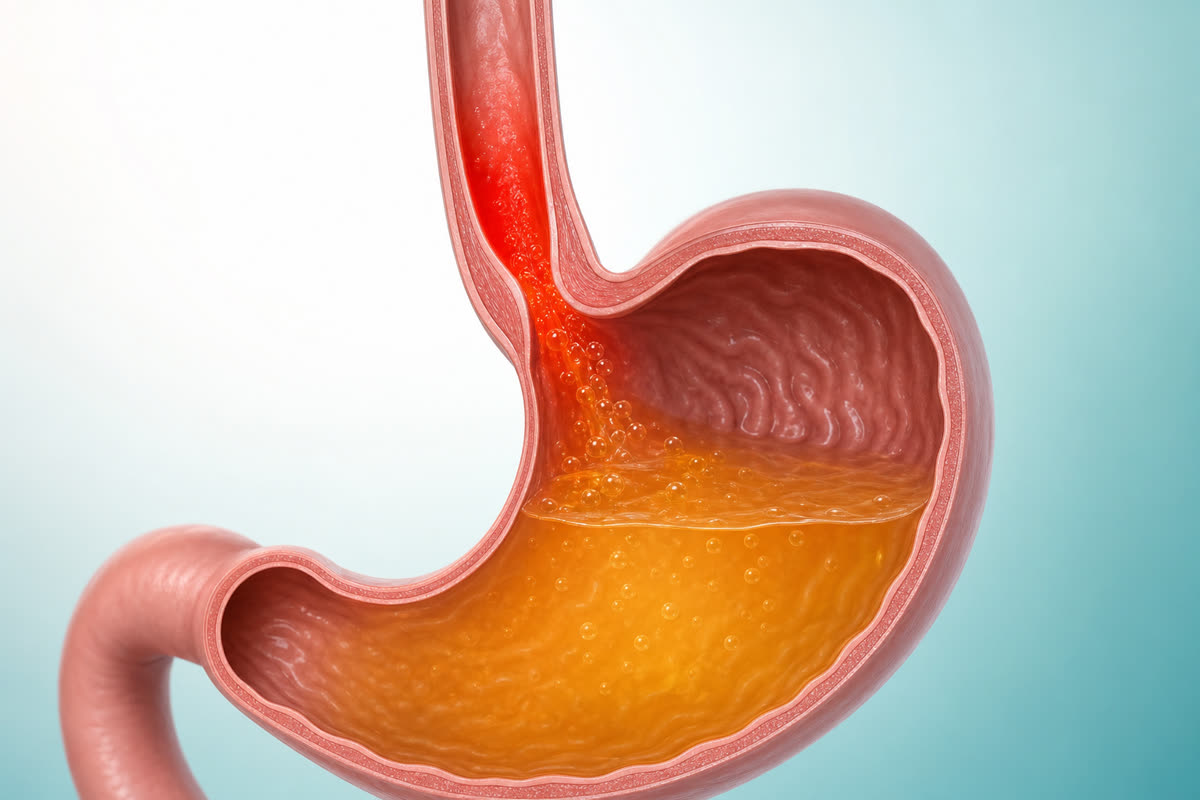
To understand reflux, it helps to picture the plumbing. Where your esophagus meets your stomach, there is a ring of muscle called the lower esophageal sphincter (LES). It works like a one-way valve: it opens to let food pass into the stomach, then closes to keep stomach contents — including harsh acid — from flowing back up.
Acid reflux happens when that valve relaxes or weakens at the wrong time, allowing stomach acid to splash back into the esophagus. Because the esophagus is not built to handle acid the way the stomach is, this produces the familiar burning sensation known as heartburn.
According to the National Institute of Diabetes and Digestive and Kidney Diseases (NIDDK), part of the U.S. National Institutes of Health, occasional reflux — sometimes called gastroesophageal reflux (GER) — is very common and usually not a cause for concern. It becomes GERD when reflux is chronic: happening more than twice a week, or causing complications and damage over time.
Acid reflux vs GERD at a glance
| Acid reflux (GER) | GERD | |
|---|---|---|
| How often | Occasional, often after specific meals | Frequent — usually 2+ times a week |
| Severity | Mild, short-lived | Persistent, can disrupt daily life |
| Damage | Rarely causes lasting harm | Can inflame or damage the esophagus |
| Treatment | Antacids, avoiding triggers | Ongoing diet, lifestyle, and medication |
The distinction matters because it changes the plan. A one-off case of heartburn after a fried dinner just needs a little patience and maybe an antacid. Reflux that keeps coming back needs a more consistent, long-term strategy.
What Are the Symptoms of GERD?
Reflux symptoms fall into two groups: the obvious ones centered on the chest and throat, and the "atypical" ones that people often do not connect to their stomach at all.
Classic reflux symptoms
- Heartburn — a burning feeling in the middle of the chest, often after eating or when lying down
- Acid regurgitation — a sour or bitter taste as stomach contents rise into the throat or mouth
- Chest discomfort — pressure or burning that can be mistaken for heart trouble
- Difficulty swallowing (dysphagia) or a sensation of food sticking
Atypical and "silent" symptoms
Some people have little or no heartburn but experience reflux in other ways, sometimes called laryngopharyngeal reflux or "silent reflux":
- Chronic dry cough, especially at night
- Hoarseness or a scratchy voice, worse in the morning
- Sore throat or the feeling of a lump in the throat (globus)
- Frequent throat clearing
- Worsening asthma or wheezing
- Disrupted sleep and daytime fatigue
Because reflux can fragment sleep, it often overlaps with tiredness and low energy. If you are constantly wiped out, it is worth ruling out other causes too — our guides on chronic fatigue and better sleep hygiene explore how poor rest and daytime exhaustion feed each other.
Important: Reflux-related chest pain can feel alarmingly similar to a heart attack. If chest pain is severe, comes with shortness of breath or sweating, or spreads to your arm, neck, or jaw, do not assume it is heartburn — seek emergency care immediately.
What Causes Acid Reflux and GERD?
GERD is rarely caused by one single thing. It usually results from a combination of a weakened valve, increased pressure in the abdomen, and dietary or lifestyle triggers.
Common causes and risk factors
- A weak or relaxed LES — the root mechanical problem behind most reflux
- Hiatal hernia — when part of the stomach pushes up through the diaphragm, disrupting the valve
- Excess weight — extra abdominal pressure pushes stomach contents upward, one of the strongest risk factors
- Pregnancy — hormonal changes and pressure from the growing uterus commonly trigger reflux
- Smoking — weakens the LES and reduces protective saliva
- Certain medications — some blood pressure drugs, sedatives, and pain relievers can worsen reflux
- Large or late meals — a full stomach and gravity working against you at bedtime
- Delayed stomach emptying — food and acid lingering longer than they should
The Mayo Clinic notes that frequent acid reflux is often linked to these factors, and that being overweight, pregnant, or a smoker meaningfully raises the risk. Because carrying excess weight is such a powerful driver, sustainable weight management is one of the most effective long-term reflux strategies — our beginner-friendly guides to daily wellness habits and intermittent fasting can help, though anyone with reflux should introduce fasting cautiously since long empty stretches followed by big meals can backfire.
What Foods and Drinks Trigger Acid Reflux?
Food is the single most controllable part of reflux for most people. Triggers vary from person to person, but some foods and drinks are repeat offenders because they either relax the LES or increase acid and pressure.
Common trigger foods and drinks
- Fried and high-fat foods — slow digestion and relax the valve
- Spicy foods — irritate an already sensitive esophagus
- Citrus — oranges, lemons, grapefruit, and their juices
- Tomatoes and tomato-based sauces — naturally acidic
- Chocolate — contains compounds that relax the LES
- Peppermint — surprisingly, it can loosen the valve
- Onions and garlic, especially raw
- Coffee and caffeine — can stimulate acid and relax the LES
- Carbonated drinks — the fizz increases stomach pressure
- Alcohol — relaxes the valve and irritates the lining

The key insight is that triggers are individual. Chocolate might wreck one person's evening while coffee is fine, and vice versa. Rather than banning everything at once, keep a simple food-and-symptom diary for two weeks: jot down what you eat, when, and whether reflux follows. Patterns emerge quickly, and you can then cut only what actually bothers you — a far more sustainable approach than an extreme elimination diet.
What Is a GERD-Friendly Diet?
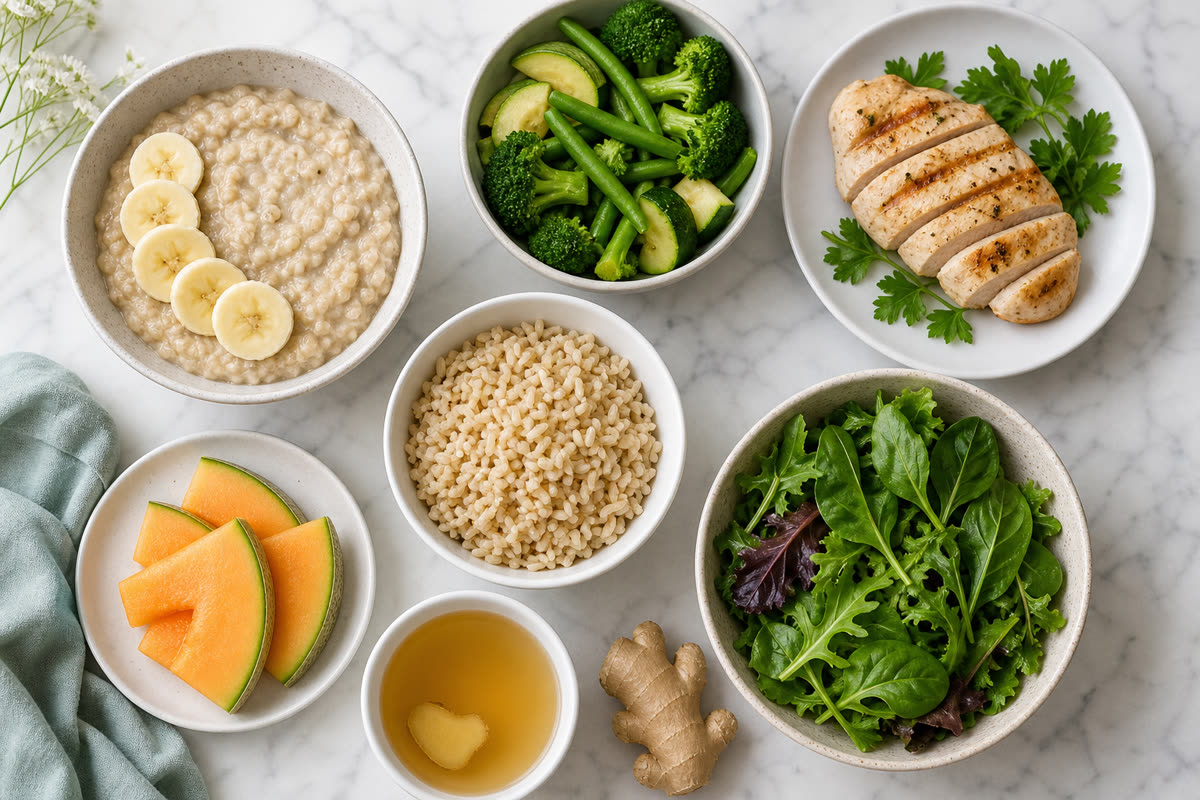
If certain foods make reflux worse, others tend to be gentle and even soothing. A GERD-friendly diet is generally low in fat and low in acid, built around whole, minimally processed foods.
Foods that are generally reflux-friendly
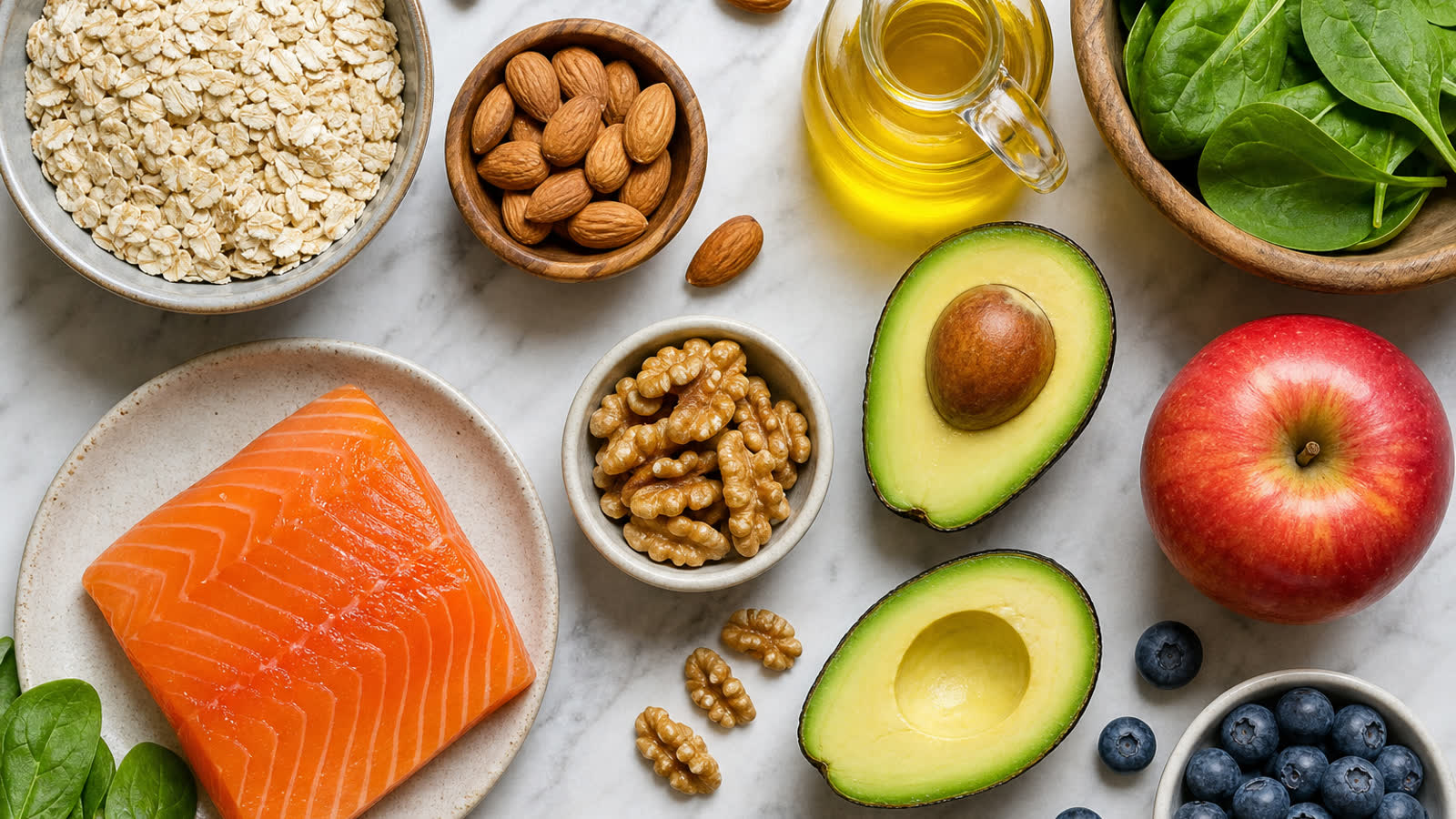
- Whole grains — oatmeal, brown rice, whole-grain bread, which help absorb acid
- Non-citrus fruits — bananas, melons, apples, pears
- Vegetables — especially green vegetables, broccoli, cauliflower, leafy greens
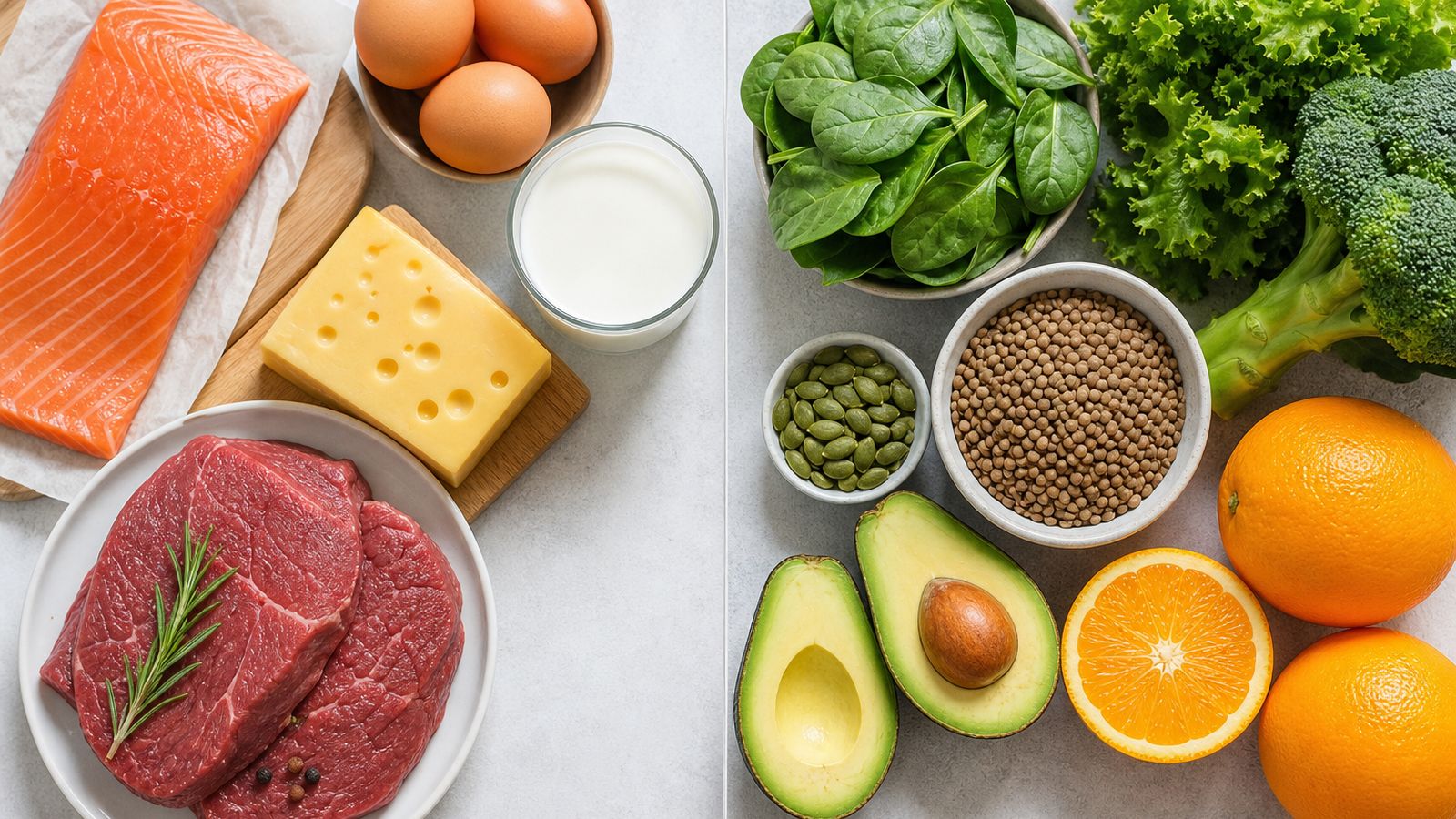
- Lean proteins — skinless poultry, fish, tofu, egg whites
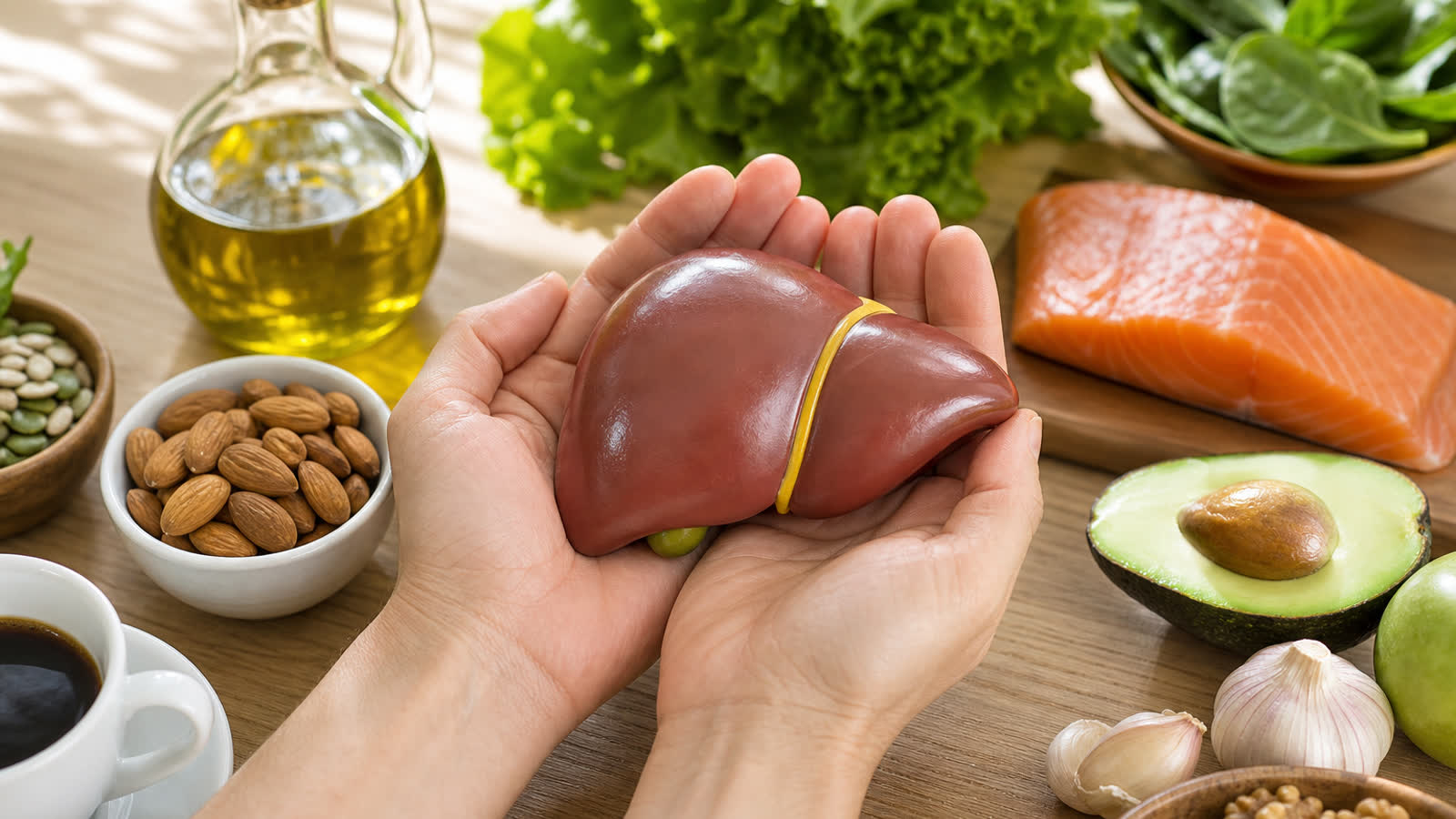
- Healthy fats in moderation — avocado, olive oil, nuts
- Ginger — a traditional remedy that may calm the stomach
- Non-citrus, non-caffeinated fluids — water and herbal teas
How you eat matters as much as what you eat
- Eat smaller, more frequent meals — a stuffed stomach pushes acid upward
- Slow down and chew well — rushing leads to overeating and swallowed air
- Stay upright for 2–3 hours after eating — let gravity keep acid down
- Do not eat late — finish your last meal at least three hours before bed
- Stay hydrated with water — but sip rather than gulp large volumes with meals
Reflux rarely exists in isolation from the rest of digestion. If you also deal with bloating, irregularity, or general gut discomfort, our digestive issues and gut health guide covers the wider picture, and staying well hydrated (see our dehydration guide) supports smoother digestion overall.
Lifestyle Changes That Reduce Reflux
Beyond the plate, several everyday habits have a big impact on how often and how severely reflux strikes. These are the foundation of GERD management according to the NIDDK.
Proven lifestyle measures
- Maintain a healthy weight — losing even a modest amount of excess weight can dramatically cut reflux
- Quit smoking — smoking weakens the LES and reduces protective saliva
- Elevate the head of your bed by 6–8 inches, using a wedge or bed risers (extra pillows alone bend the torso and can make it worse)
- Sleep on your left side — anatomy makes this position less reflux-prone than the right
- Do not lie down right after eating — wait at least two to three hours
- Wear loose clothing — tight waistbands increase abdominal pressure
- Limit alcohol and late-night snacks

The stress connection
Stress does not directly pump out extra acid, but it can amplify how intensely you feel reflux and nudge you toward reflux-friendly habits — eating fast, drinking more coffee, sleeping poorly, and reaching for alcohol. Many people find their heartburn flares during high-pressure stretches. Building in real recovery time helps: our guides to stress management techniques and the physical symptoms of anxiety explain how tension shows up in the body, and the Wellness & Lifestyle hub is full of sustainable habit ideas.
How Is GERD Treated?
When diet and lifestyle changes are not enough on their own, medications can control acid and give the esophagus a chance to heal. Treatment typically works in steps, from gentlest to strongest.
Over-the-counter options
- Antacids (such as calcium carbonate) neutralize stomach acid quickly for fast, short-term relief of occasional heartburn
- H2 blockers (like famotidine) reduce acid production and last longer than antacids
- Proton pump inhibitors (PPIs) (like omeprazole) are the strongest acid reducers and are used for frequent or more severe GERD
Prescription and medical treatments
For persistent GERD, a doctor may prescribe stronger or longer courses of these medications, investigate with an endoscopy, or in select cases recommend a surgical procedure (such as fundoplication) to reinforce the valve.
A word of caution on PPIs: they are effective and widely used, but they are intended to be taken at the lowest effective dose for the shortest necessary time, under medical guidance. Long-term, high-dose use has been associated with certain nutrient absorption issues, including vitamin B12 and magnesium, which is one more reason not to self-manage chronic reflux indefinitely without a check-in.

Antacids and natural remedies: what helps
Some gentle, low-risk measures can ease mild symptoms alongside medical care:
- Chewing sugar-free gum after meals boosts saliva, which helps wash acid down
- Ginger tea may soothe the stomach for some people
- Smaller, earlier dinners consistently reduce nighttime episodes
Be wary of dramatic online "cures." The evidence-based basics — weight, meal size, timing, triggers, and bed elevation — outperform trendy remedies for the vast majority of people.
Complications: Why Untreated GERD Matters
Occasional heartburn is harmless, but chronic, untreated GERD exposes the esophagus to acid repeatedly, and over years that can cause real damage. According to MedlinePlus from the NIH, possible complications include:
- Esophagitis — inflammation of the esophageal lining
- Esophageal stricture — scarring that narrows the esophagus and makes swallowing hard
- Bleeding or ulcers in the esophagus
- Barrett's esophagus — a change in the lining that carries a small increased risk of esophageal cancer
This is not meant to frighten you — most people with well-managed reflux never develop these problems. It is simply the reason chronic heartburn should be treated as a real medical condition rather than ignored for years.
When Should You See a Doctor?
Knowing when to move from self-care to medical care is one of the most useful things you can take from this guide.
See a doctor if you have:
- Heartburn two or more times a week
- Symptoms that persist despite over-the-counter treatment
- A need to take antacids most days
- Ongoing hoarseness, cough, or throat symptoms without a clear cause
Seek urgent or emergency care for:
- Difficulty swallowing or food getting stuck
- Unintended weight loss
- Persistent vomiting, or vomiting blood (which may look like coffee grounds)
- Black, tarry stools
- Chest pain with shortness of breath, sweating, or pain spreading to the arm, neck, or jaw — this could be a heart problem, not reflux
Because reflux, heart, and even blood pressure symptoms can overlap in the chest, it is worth being cautious — our guide to high blood pressure warning signs is a helpful companion read for understanding chest and cardiovascular symptoms.
A Simple 7-Day GERD Reset Plan
If reflux has been bothering you, this gentle one-week framework combines the most effective diet and lifestyle changes. Adjust it to your own triggers.
| Day | Diet focus | Lifestyle focus |
|---|---|---|
| 1 | Start a food-and-symptom diary | Finish dinner 3 hours before bed |
| 2 | Swap fried foods for grilled or baked | Elevate the head of your bed |
| 3 | Cut back coffee and fizzy drinks | Take a 10-minute walk after meals |
| 4 | Add oatmeal and non-citrus fruit | Practice a short stress-relief routine |
| 5 | Eat smaller, more frequent meals | Sleep on your left side |
| 6 | Reduce alcohol and chocolate | Wear looser, comfortable clothing |
| 7 | Review your diary for patterns | Plan which triggers to keep avoiding |
By the end of the week, most people have a much clearer picture of their personal triggers and often feel noticeably better. If you do not, that is a clear signal to book a medical appointment rather than pushing through.
Key Takeaways
- Acid reflux is the event; GERD is the chronic condition — frequent heartburn (2+ times a week) deserves attention.
- Symptoms go beyond heartburn — cough, hoarseness, throat clearing, and disrupted sleep can all be reflux.
- Excess weight, large or late meals, smoking, and trigger foods are the most common, most controllable drivers.
- A GERD-friendly diet is low-fat and low-acid — and how you eat (portion size, timing, staying upright) matters just as much.
- Lifestyle changes come first: weight management, bed elevation, no late meals, and stress control.
- Medications help when needed, but PPIs should be used at the lowest effective dose under medical guidance.
- Never ignore red flags — trouble swallowing, weight loss, vomiting blood, or heart-attack-like chest pain need urgent care.
Explore Related Guides
- Digestive Issues: Causes, Symptoms & Gut Health Guide
- Intermittent Fasting for Beginners: Benefits & Risks
- Dehydration: Symptoms, Causes & Treatment
- Stress Management Techniques That Work
- Anxiety: Physical Symptoms Explained
- Best Sleep Hygiene Tips for Better Rest
- Daily Wellness Habits for Better Energy
- Chronic Fatigue Syndrome: Symptoms, Causes & Treatment
- High Blood Pressure: Symptoms, Causes & Prevention
- Vitamin B12 Deficiency: Symptoms, Causes & Treatment
- Magnesium Deficiency: Symptoms, Causes & Treatment
- Browse the Symptoms & Conditions hub
- Explore Wellness & Lifestyle and Vitamin Deficiency & Nutrition
Medical Disclaimer
Symptoms Insight publishes general health information for educational purposes only. It is not a substitute for professional medical advice, diagnosis, or treatment. Acid reflux and GERD affect individuals differently, and chest pain can have serious causes unrelated to digestion. Always seek the advice of a qualified physician or healthcare provider with any questions about a medical condition, and never disregard or delay professional medical advice because of something you have read here. If you experience severe chest pain, difficulty swallowing, vomiting blood, or black stools, seek medical care promptly.
About the publisher

Rajat
Health & Wellness Editor | Global
Health & Wellness Editor | Global
Rajat edits Symptoms Insight as a practical health publication focused on symptoms, vitamin deficiencies, skincare, wellness habits, and digital health — always encouraging readers to consult qualified healthcare professionals for personal medical decisions.
FAQ
Frequently asked questions
What is the difference between acid reflux and GERD?
Acid reflux is the backward flow of stomach acid into the esophagus, and occasional reflux (especially after a large or spicy meal) is completely normal. GERD, or gastroesophageal reflux disease, is the chronic, more serious version — diagnosed when reflux happens repeatedly, usually two or more times a week, or causes damage to the esophagus. In short, acid reflux is the event, and GERD is the persistent condition. If heartburn is frequent, wakes you at night, or interferes with daily life, it has likely crossed from ordinary reflux into GERD and is worth discussing with a doctor.
What are the main symptoms of GERD?
The classic symptom is heartburn — a burning sensation in the chest that often rises toward the throat, typically after eating or when lying down. Other common GERD symptoms include acid regurgitation (a sour or bitter taste in the mouth), difficulty or discomfort swallowing, a chronic dry cough, hoarseness, a feeling of a lump in the throat, and disrupted sleep. Some people experience "silent reflux" with throat and voice symptoms but little heartburn. Chest pain from reflux can mimic heart problems, so unexplained or severe chest pain always needs urgent medical evaluation.
What foods should I avoid with acid reflux?
Common trigger foods include fried and high-fat foods, spicy dishes, citrus fruits and juices, tomatoes and tomato sauces, chocolate, peppermint, onions and garlic, carbonated drinks, coffee and other caffeine, and alcohol. These can either relax the valve that keeps acid in the stomach or increase acid and pressure. Triggers are individual, though — keeping a short food-and-symptom diary for a couple of weeks is the most reliable way to find yours, rather than cutting everything at once.
What foods are good for GERD?
GERD-friendly choices are generally low in fat and low in acid — think oatmeal and whole grains, non-citrus fruits like bananas and melon, most vegetables (especially green ones), lean proteins such as skinless chicken, fish, and tofu, ginger, and healthy fats in moderation like avocado and olive oil. Eating smaller portions, chewing slowly, and staying upright after meals matter just as much as the specific foods you choose.
How can I stop acid reflux at night?
Nighttime reflux is common because lying flat lets acid flow more easily into the esophagus. To reduce it, avoid eating within three hours of bedtime, elevate the head of your bed by six to eight inches (a wedge pillow works, but stacking regular pillows usually does not), and try sleeping on your left side. Avoiding late heavy meals, alcohol, and known triggers in the evening, plus keeping a healthy weight, also makes a big difference to overnight symptoms.
Can stress and anxiety cause acid reflux?
Yes, indirectly. Stress does not directly create stomach acid, but it can heighten your sensitivity to reflux, worsen the perception of symptoms, and lead to habits that trigger reflux — such as eating quickly, drinking more coffee or alcohol, smoking, poor sleep, and skipping meals then overeating. Many people notice their heartburn flares during stressful periods. Managing stress with relaxation techniques, regular sleep, and gentle activity is a legitimate part of a GERD plan.
What is the best treatment for GERD?
Treatment is usually a stepwise combination of lifestyle and diet changes plus medication when needed. Lifestyle measures — weight management, smaller meals, not lying down after eating, elevating the bed, and avoiding triggers — are the foundation. Over-the-counter antacids relieve occasional heartburn quickly, while H2 blockers and proton pump inhibitors (PPIs) reduce acid for more persistent GERD. PPIs are effective but are meant to be used at the lowest dose for the shortest time that controls symptoms, under medical guidance. Surgery is reserved for severe cases that do not respond to other treatments.
Is GERD dangerous if left untreated?
Untreated, long-standing GERD can lead to complications because repeated acid exposure damages the esophagus. These include esophagitis (inflammation), narrowing or strictures that make swallowing difficult, bleeding, and Barrett's esophagus — a change in the esophageal lining that carries a small increased risk of esophageal cancer. This is why persistent reflux should not be ignored, and why warning signs like trouble swallowing, unintended weight loss, vomiting blood, or black stools require prompt medical attention.
How long does acid reflux last?
A single episode of heartburn can last from a few minutes to a couple of hours, and often eases with an antacid, sitting upright, or time. GERD, however, is an ongoing condition, and symptoms tend to recur until the underlying triggers are addressed. Many people see meaningful improvement within a few weeks of consistent diet and lifestyle changes, while medication can provide faster relief. If symptoms persist despite these steps, medical evaluation is important.
When should I see a doctor about heartburn?
See a doctor if you have heartburn two or more times a week, if symptoms persist despite over-the-counter treatment, or if you rely on antacids most days. Seek urgent or emergency care for difficulty swallowing, food getting stuck, unintended weight loss, persistent vomiting, vomiting blood, black or tarry stools, or chest pain with shortness of breath, sweating, or pain spreading to the arm or jaw — the last of which could signal a heart problem rather than reflux.