Medical & editorial notice: Symptoms Insight publishes general health information for educational purposes only. It is not a substitute for professional medical advice, diagnosis, or treatment. Always seek the advice of a qualified healthcare provider with questions about a medical condition.
Review snapshot
What we checked for this guide
Official sources used
Pages checked while updating this article
Introduction
Digestive issues affect nearly everyone at some point — from occasional bloating after a heavy meal to chronic abdominal pain that disrupts work, sleep, and social life. Your digestive system does far more than break down food. It absorbs nutrients, supports immune function, influences hormones, and communicates constantly with your brain through the gut-brain axis. When digestion falters, the effects ripple through your entire body.
The challenge is that digestive problems often overlap. Bloating may accompany constipation. Stress can trigger diarrhea. Acid reflux may worsen after certain foods or late-night eating. Many people spend months treating symptoms with over-the-counter remedies without understanding the underlying cause — or whether a more serious condition needs medical attention.
This comprehensive guide explains how the digestive system works, the most common digestive issues people experience, warning signs of poor gut health, root causes, evidence-based treatment options, and natural ways to improve gut health. Whether you are dealing with gas, reflux, irregular bowel habits, or suspected irritable bowel syndrome (IBS), this article will help you recognize patterns, make informed choices, and know when to seek professional care.
For related nutritional health topics, explore our Symptoms & Conditions category or read about how nutrient absorption connects to digestion in our guide to Vitamin B12 deficiency.
Medical note: This article is for general education only. It is not a substitute for professional medical advice, diagnosis, or treatment. Always consult a qualified healthcare provider if you have persistent or concerning digestive symptoms.
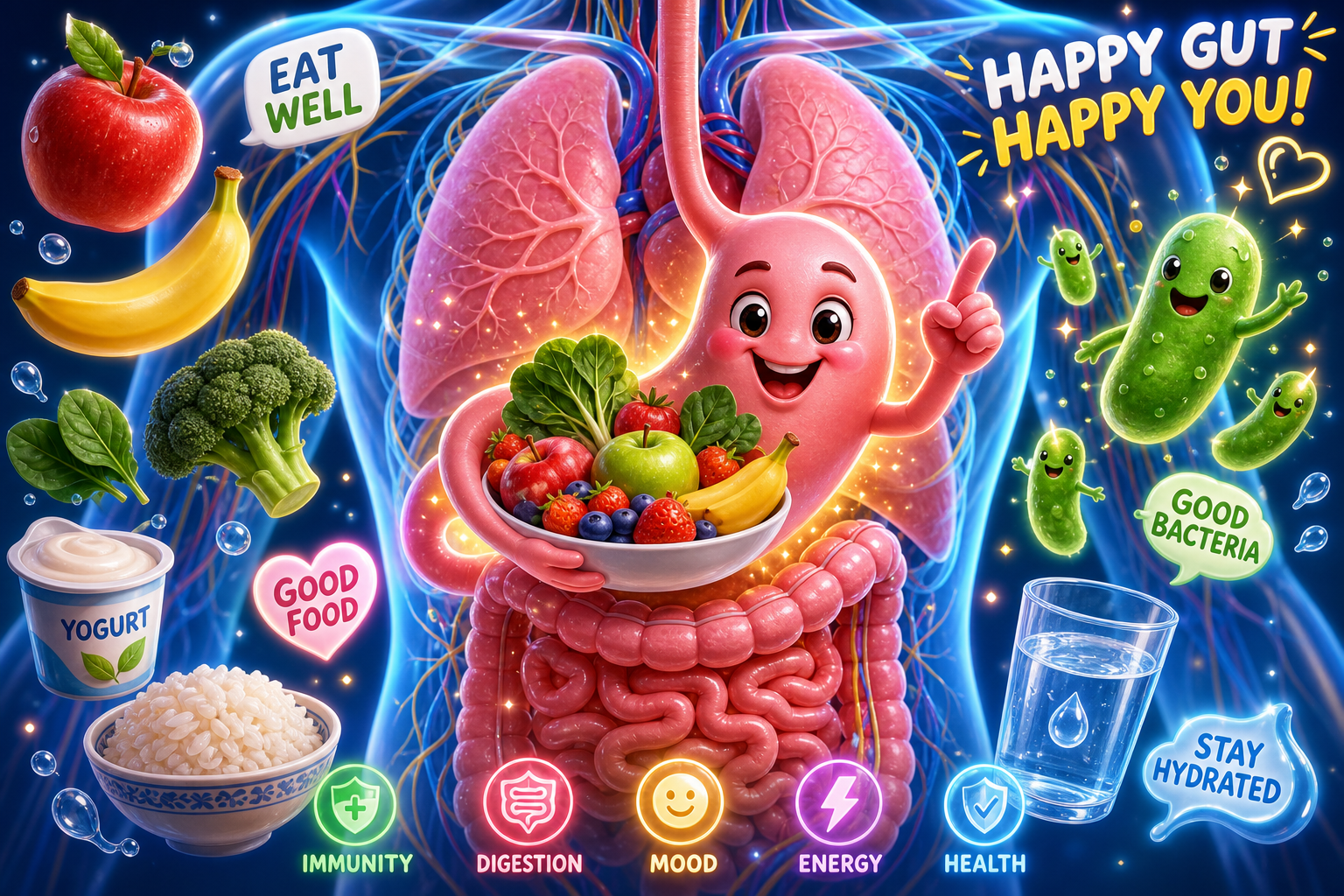
Understanding the Digestive System
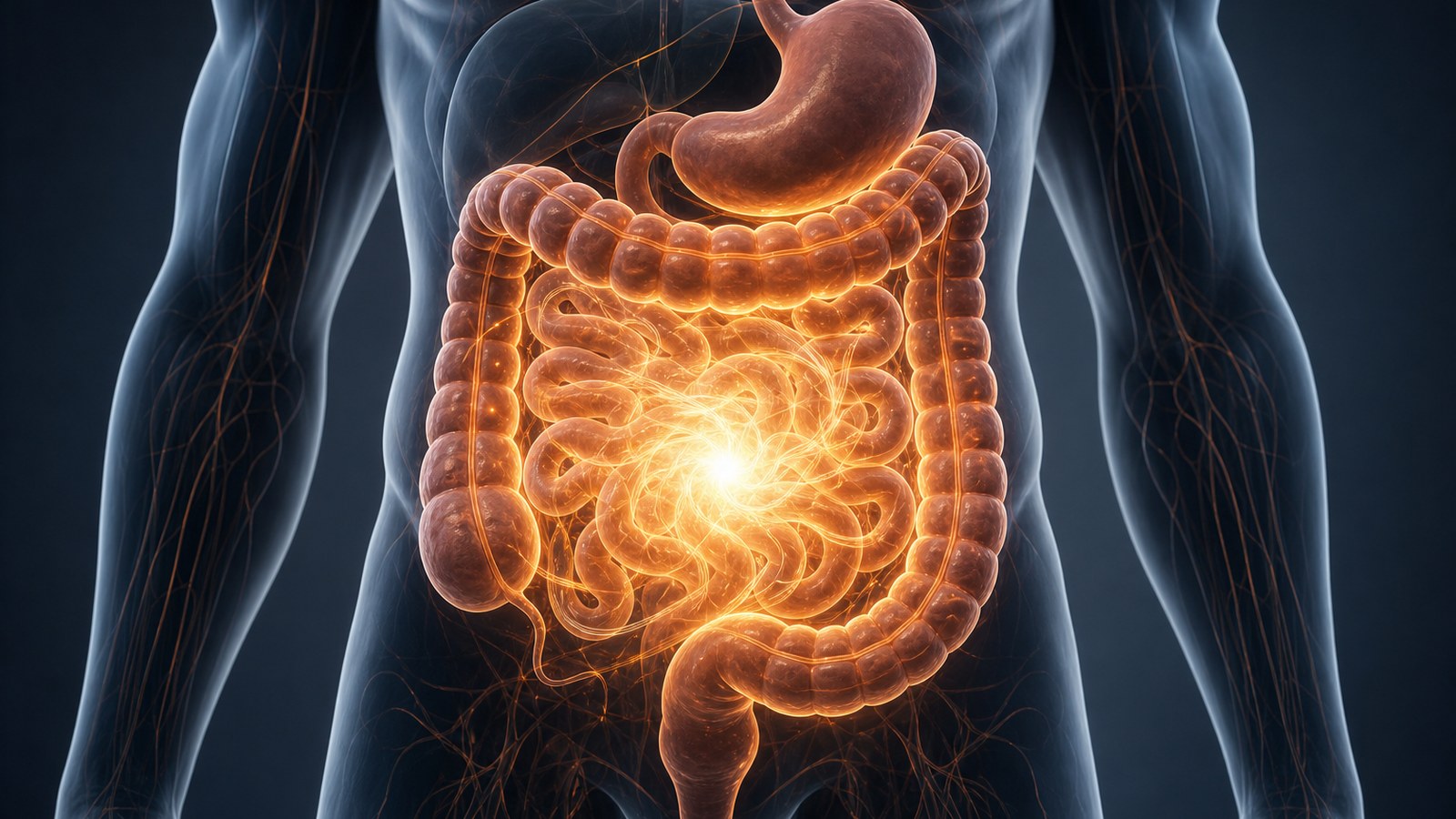
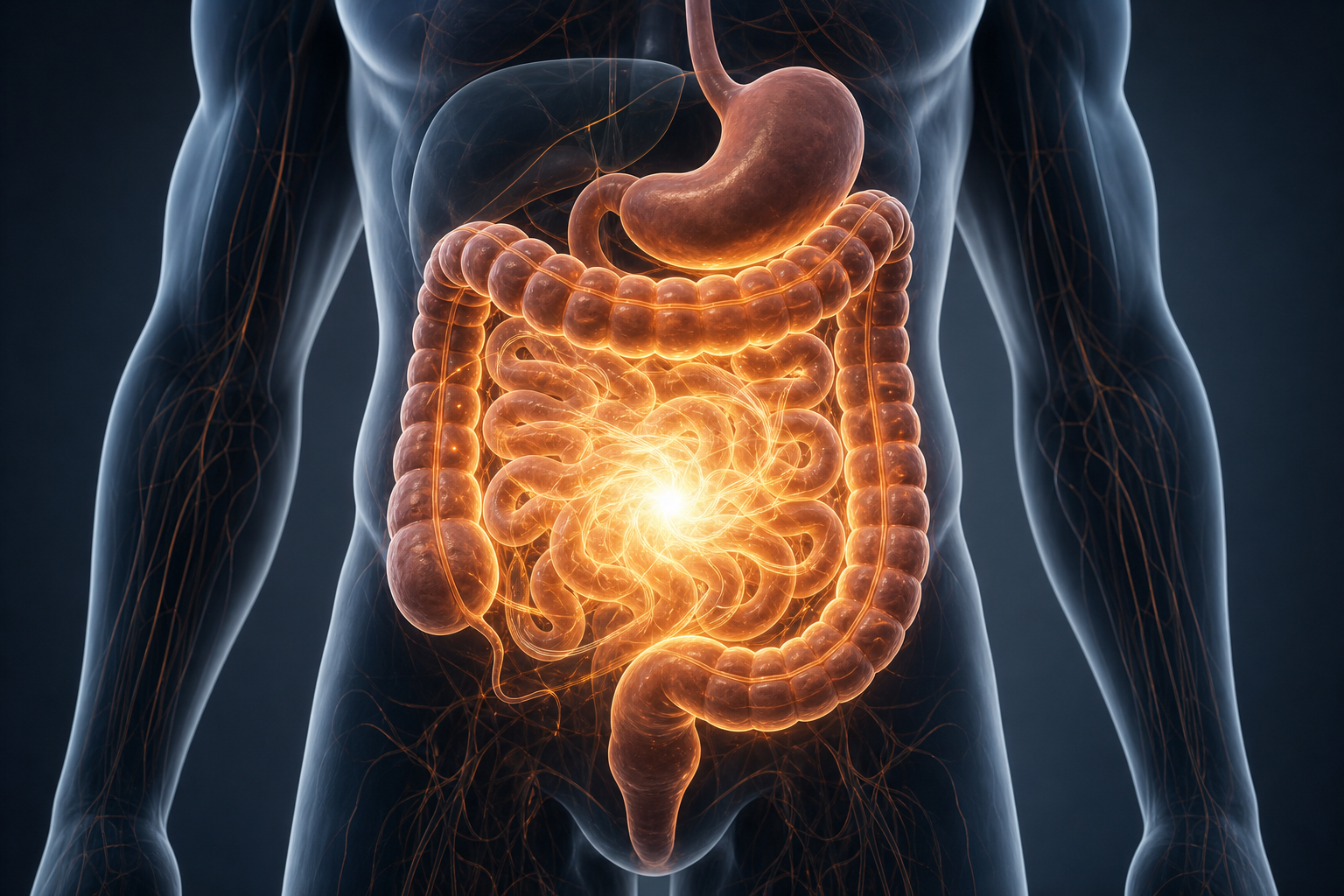
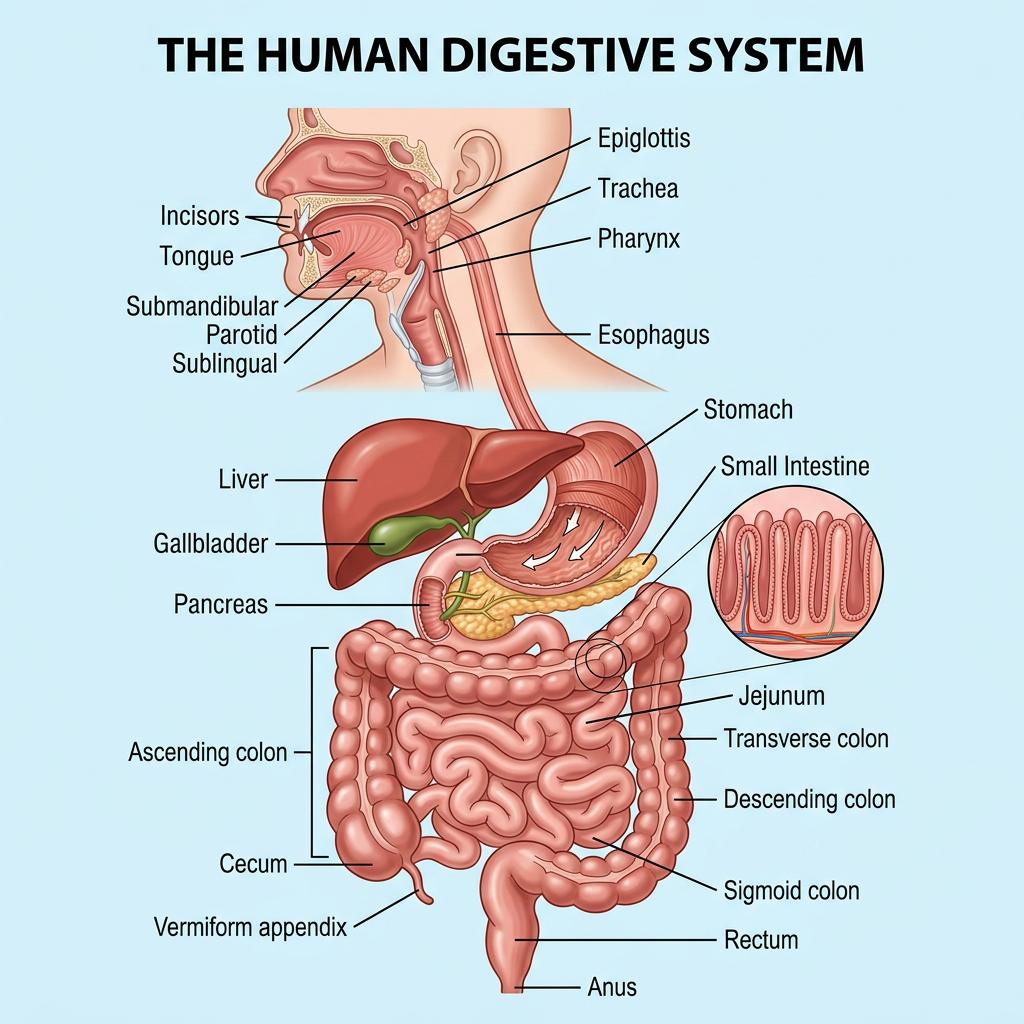
Before exploring specific digestive issues, it helps to understand the remarkable pipeline that processes everything you eat and drink. The NIH National Institute of Diabetes and Digestive and Kidney Diseases describes digestion as a coordinated sequence of mechanical and chemical steps that extract nutrients while eliminating waste.
The digestive journey
| Organ / region | Primary role |
|---|---|
| Mouth | Chewing and saliva begin carbohydrate breakdown |
| Esophagus | Moves food to the stomach via coordinated muscle contractions |
| Stomach | Acid and enzymes break down proteins; controls how quickly food enters the small intestine |
| Small intestine | Absorbs most nutrients, vitamins, and minerals |
| Large intestine (colon) | Absorbs water and electrolytes; forms and stores stool |
| Liver & pancreas | Produce bile and digestive enzymes that help break down fats and other nutrients |
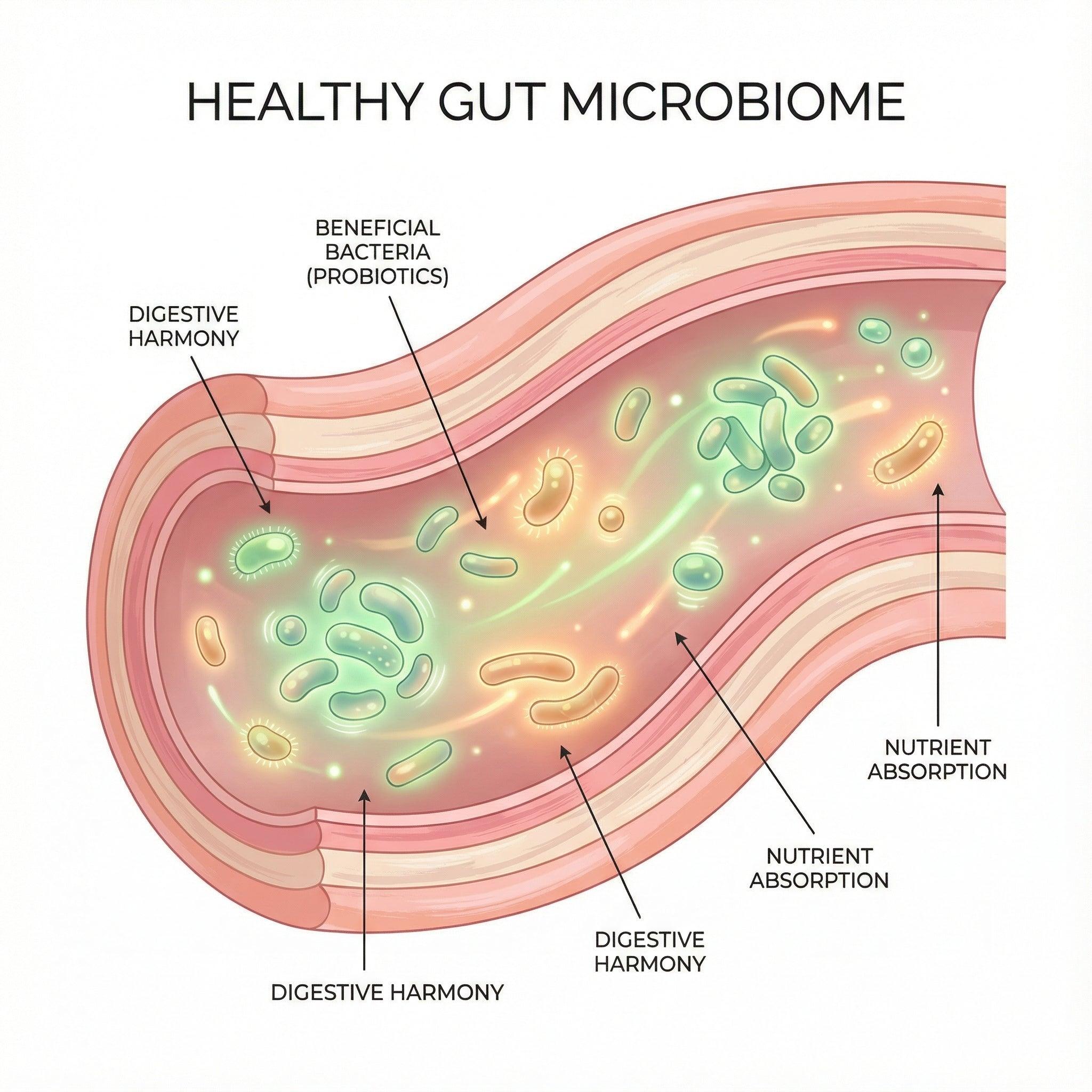
| Gut microbiome | Trillions of bacteria that aid digestion, immunity, and metabolic health |
What "gut health" really means
Gut health refers to the efficient function of this entire system — plus the balance of microorganisms living in your intestines. A healthy gut:
- Breaks down food without excessive pain, bloating, or urgency
- Absorbs nutrients effectively
- Maintains regular, comfortable bowel movements
- Supports immune defenses in the intestinal lining
- Communicates normally with the brain via nerves and chemical signals
When any part of this system is disrupted — by infection, inflammation, medication, stress, or poor diet — digestive issues can develop. Problems may be organic (caused by visible disease or structural damage) or functional (symptoms occur without clear structural abnormality, as in IBS).
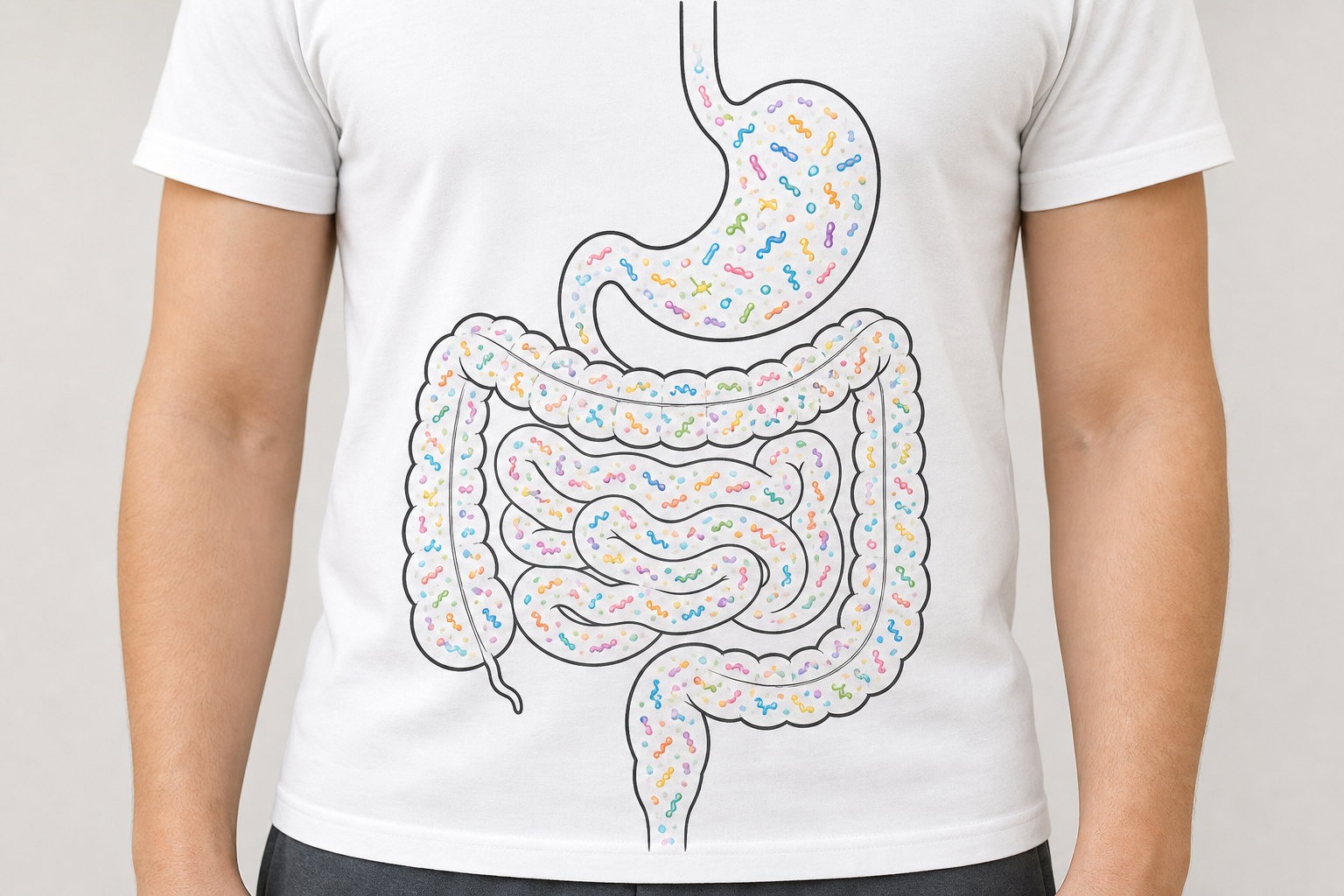
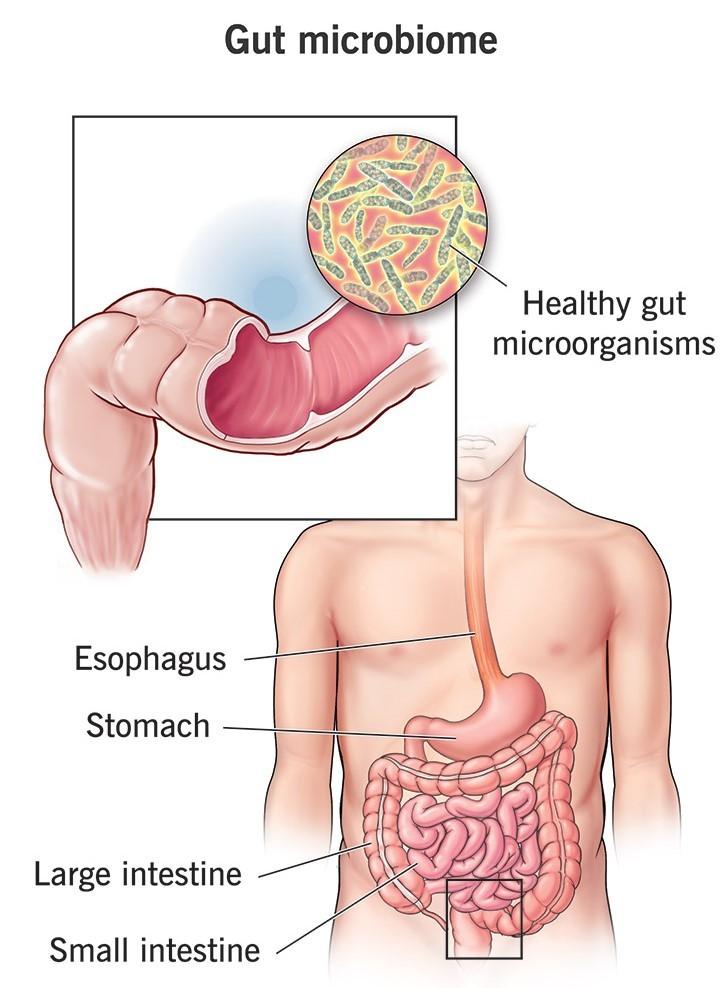
The gut microbiome
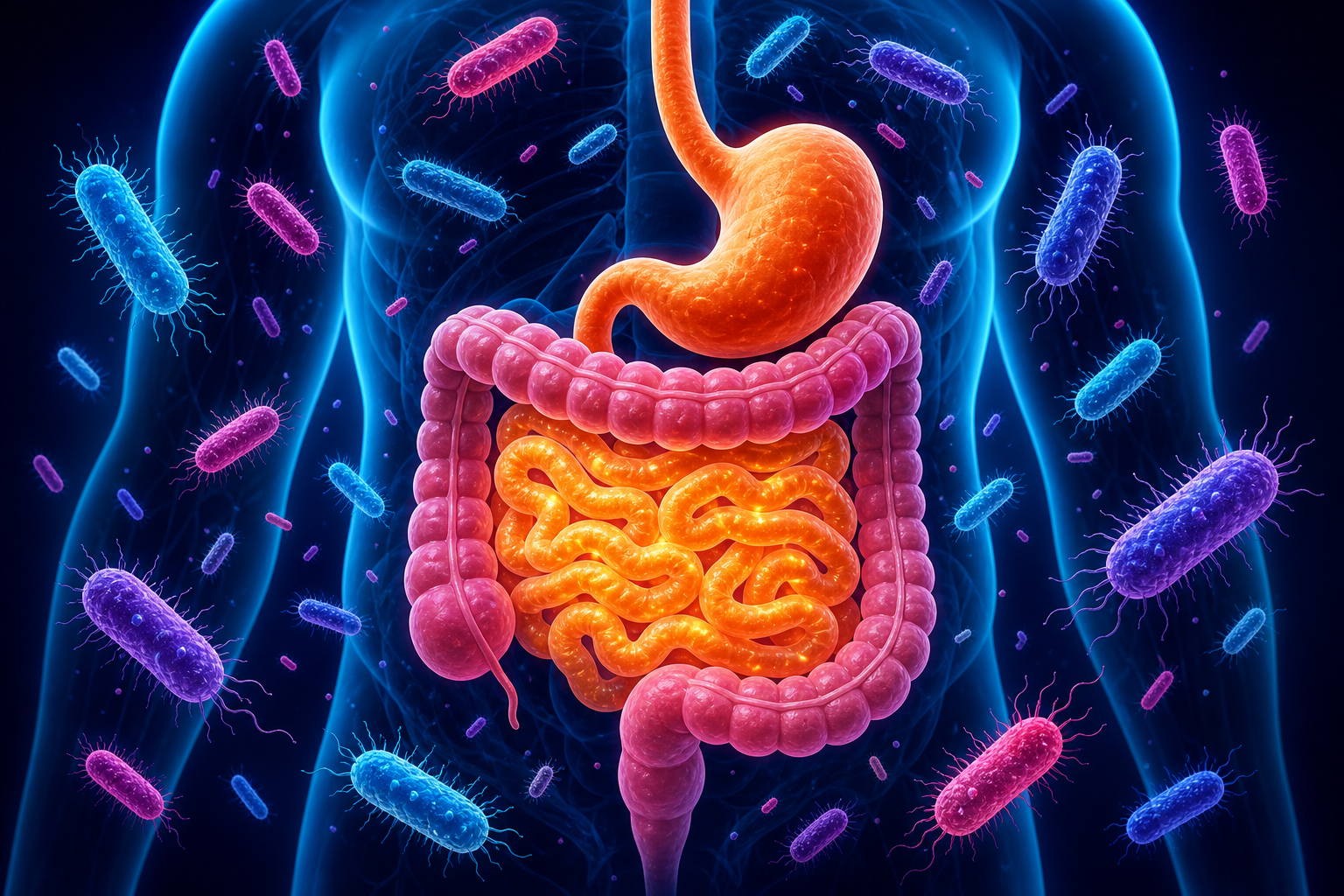
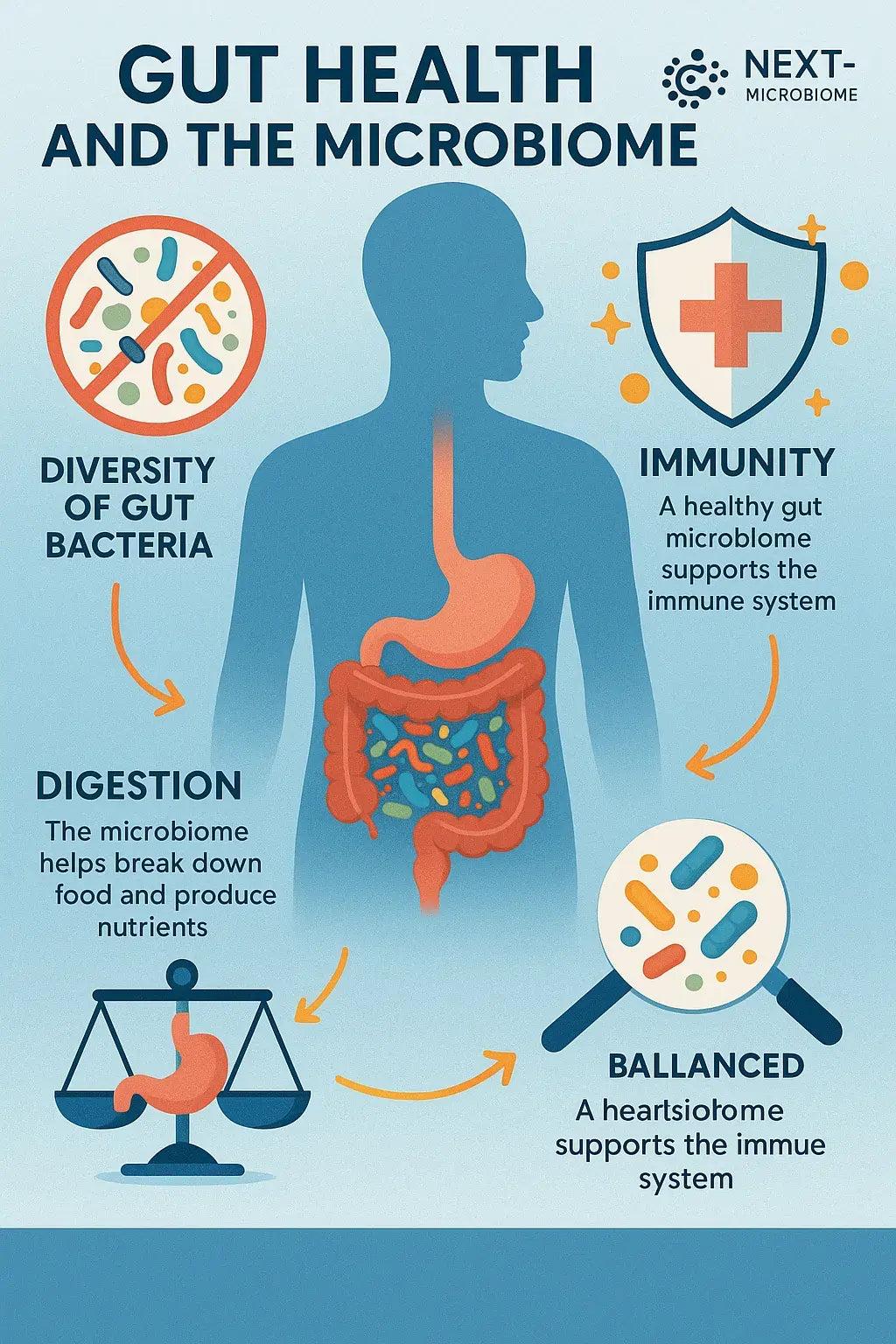
Your intestines host a complex ecosystem of bacteria, fungi, and other microbes collectively called the gut microbiome. These organisms help ferment fiber, produce vitamins, train the immune system, and protect against harmful pathogens. An imbalanced microbiome — sometimes called dysbiosis — has been linked to bloating, irregular bowel habits, and broader health concerns, though research is still evolving on cause and effect.
Common Digestive Issues
Most digestive problems fall into a handful of recognizable patterns. Understanding each one helps you match symptoms to likely causes and appropriate treatments.


Bloating
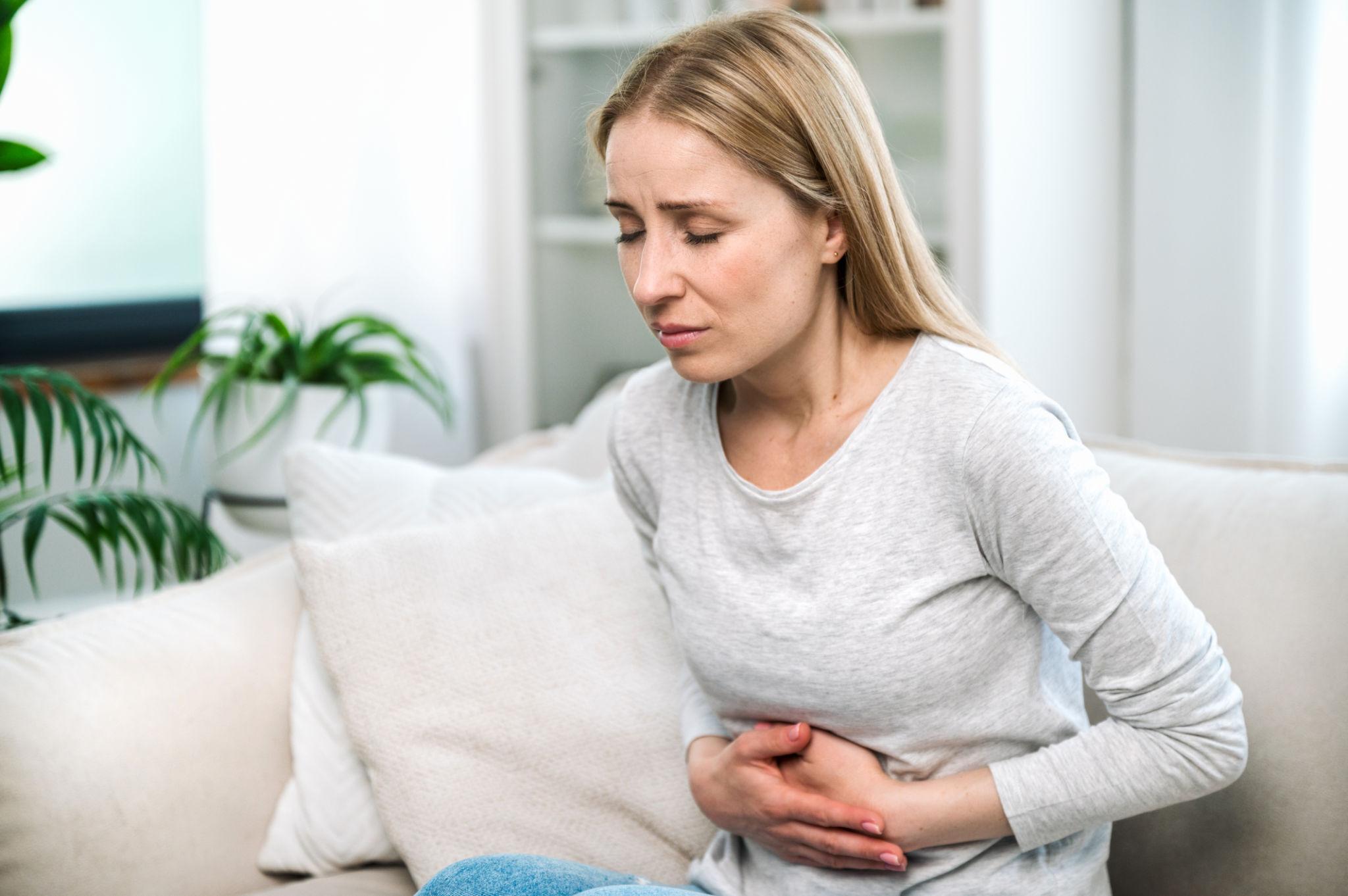
Bloating is a feeling of fullness, tightness, or visible swelling in the abdomen. It often results from:
- Swallowed air during eating, drinking, or chewing gum
- Gas produced when gut bacteria ferment certain carbohydrates
- Slow movement of food through the intestines
- Fluid retention, especially before menstruation
- Sensitivity to specific foods (FODMAPs, lactose, gluten)
Occasional bloating after a large or rich meal is normal. Persistent bloating — especially with weight loss, blood in stool, or new symptoms after age 50 — warrants medical evaluation.
Gas (flatulence and belching)
Everyone produces intestinal gas. On average, people pass gas 10 to 20 times per day. Excess gas may cause discomfort when:
- You swallow air while eating quickly, drinking carbonated beverages, or using straws
- Certain foods (beans, onions, cruciferous vegetables, artificial sweeteners) ferment in the colon
- Bacterial overgrowth or malabsorption increases gas production
Reducing swallowed air and identifying food triggers often helps more than eliminating all gas-producing foods.
Acid reflux (GERD and heartburn)
Acid reflux occurs when stomach acid flows backward into the esophagus, causing a burning sensation in the chest (heartburn). Gastroesophageal reflux disease (GERD) is chronic reflux that may damage the esophagus over time.
Common triggers include:
- Large meals, especially before lying down
- Fatty, fried, or spicy foods
- Caffeine, alcohol, and chocolate
- Smoking
- Excess body weight and abdominal pressure
- Certain medications
Lifestyle changes and over-the-counter antacids help many people. Persistent reflux, difficulty swallowing, or unexplained weight loss requires medical assessment.
Constipation
Constipation typically means fewer than three bowel movements per week, hard or dry stools, straining, or a sense of incomplete evacuation. Causes include:
- Low fiber intake
- Inadequate hydration
- Physical inactivity
- Ignoring the urge to have a bowel movement
- Medications (opioids, some antacids, iron supplements)
- Pelvic floor dysfunction
- Underlying conditions such as hypothyroidism
Increasing fiber gradually, drinking enough water, and staying active are first-line strategies for most mild cases.
Diarrhea
Diarrhea — loose, watery, or frequent stools — is usually acute (short-term) due to infection, food poisoning, or medication side effects. Chronic diarrhea lasting more than four weeks may signal:
- IBS with diarrhea predominance (IBS-D)
- Inflammatory bowel disease (Crohn's disease, ulcerative colitis)
- Celiac disease
- Lactose or other food intolerances
- Small intestinal bacterial overgrowth (SIBO)
- Chronic infection or malabsorption
Acute diarrhea with fever, blood, or severe dehydration needs prompt medical attention.
Irritable bowel syndrome (IBS)
Irritable bowel syndrome is a functional disorder affecting the large intestine. According to the Mayo Clinic, IBS involves a combination of abdominal pain and changes in bowel habits — constipation, diarrhea, or alternating patterns — without visible structural damage on standard tests.
IBS subtypes include:
| Type | Pattern |
|---|---|
| IBS-C | Constipation predominant |
| IBS-D | Diarrhea predominant |
| IBS-M | Mixed constipation and diarrhea |
| IBS-U | Unclassified |
Triggers often include stress, certain foods, hormonal changes, and gut sensitivity. Treatment combines dietary modification (such as a low-FODMAP approach under guidance), stress management, fiber adjustment, and sometimes medication.
Signs of Poor Digestive Health
Your body sends signals when digestion is struggling. Recognizing these signs of poor digestive health early can prevent minor issues from becoming chronic problems.
Gastrointestinal symptoms
- Frequent bloating or abdominal distension
- Excessive gas or belching
- Heartburn or regurgitation more than twice per week
- Constipation, diarrhea, or alternating bowel habits
- Abdominal pain or cramping without clear explanation
- Nausea, especially after meals
- Feeling full quickly (early satiety)
Systemic and secondary signs
Poor digestion does not stay confined to the gut. You may also notice:
| Sign | Possible digestive connection |
|---|---|
| Unexplained fatigue | Nutrient malabsorption, chronic inflammation, or poor sleep from discomfort |
| Skin problems | Gut-skin axis; links between dysbiosis and conditions like eczema in some people |
| Food intolerances | Difficulty digesting lactose, gluten, or FODMAPs |
| Unintended weight loss | Malabsorption, inflammatory disease, or cancer — always needs evaluation |
| Bad breath | Reflux, slow gastric emptying, or bacterial overgrowth |
| Brain fog or mood changes | Gut-brain axis disruption; common in IBS and chronic gut inflammation |
| Frequent infections | Up to 70% of immune tissue resides in the gut |
When symptoms become a pattern
Occasional discomfort after overeating is not necessarily a health crisis. Concern grows when symptoms:
- Occur several days per week for more than a few weeks
- Interfere with daily activities, work, or sleep
- Progressively worsen
- Appear alongside red-flag signs discussed later in this guide
Keeping a symptom diary — noting foods, stress levels, sleep, and bowel habits — gives your clinician valuable data for diagnosis.
Major Causes of Digestive Issues
Digestive issues rarely have a single cause. Most result from a combination of diet, lifestyle, medical conditions, medications, and psychological factors.
1. Diet and eating habits
What and how you eat profoundly affects digestion:
- Low fiber intake — contributes to constipation and microbiome imbalance
- Ultra-processed foods — high in fat, sugar, and additives that may irritate the gut
- Large portion sizes — overwhelm stomach capacity and worsen reflux
- Eating too quickly — increases swallowed air and reduces satiety signals
- Irregular meal timing — disrupts natural digestive rhythms
- Excess alcohol and caffeine — irritate the stomach lining and alter motility
The World Health Organization emphasizes balanced, minimally processed diets as foundational to overall health — including digestive wellness.
2. Stress and mental health
The gut-brain connection means emotional stress directly affects digestion. Stress hormones can:
- Slow or accelerate intestinal contractions
- Increase pain sensitivity in the gut
- Alter microbiome composition
- Worsen IBS, reflux, and functional dyspepsia
Anxiety and depression frequently coexist with chronic digestive issues, creating a cycle that benefits from both medical and psychological support.
3. Food intolerances and sensitivities
Unlike food allergies (which involve immune IgE responses), intolerances cause digestive symptoms without life-threatening reactions:
| Intolerance | Common symptoms | Notes |
|---|---|---|
| Lactose | Bloating, gas, diarrhea after dairy | Caused by low lactase enzyme |
| Gluten sensitivity | Bloating, pain, fatigue | Distinct from celiac disease; diagnosis by exclusion |
| FODMAP sensitivity | Bloating, gas, pain | Fermentable carbs in many fruits, vegetables, and grains |
| Histamine intolerance | Diarrhea, flushing, headache | Related to enzyme diamine oxidase (DAO) activity |
Elimination diets should be supervised to avoid unnecessary nutrient gaps.
4. Infections and inflammation
Acute gastroenteritis from viruses, bacteria, or parasites causes diarrhea, cramping, and nausea. Some infections trigger post-infectious IBS, where symptoms persist after the pathogen clears.
Chronic inflammatory conditions include:
- Celiac disease — autoimmune reaction to gluten damaging the small intestine
- Inflammatory bowel disease (IBD) — Crohn's disease and ulcerative colitis
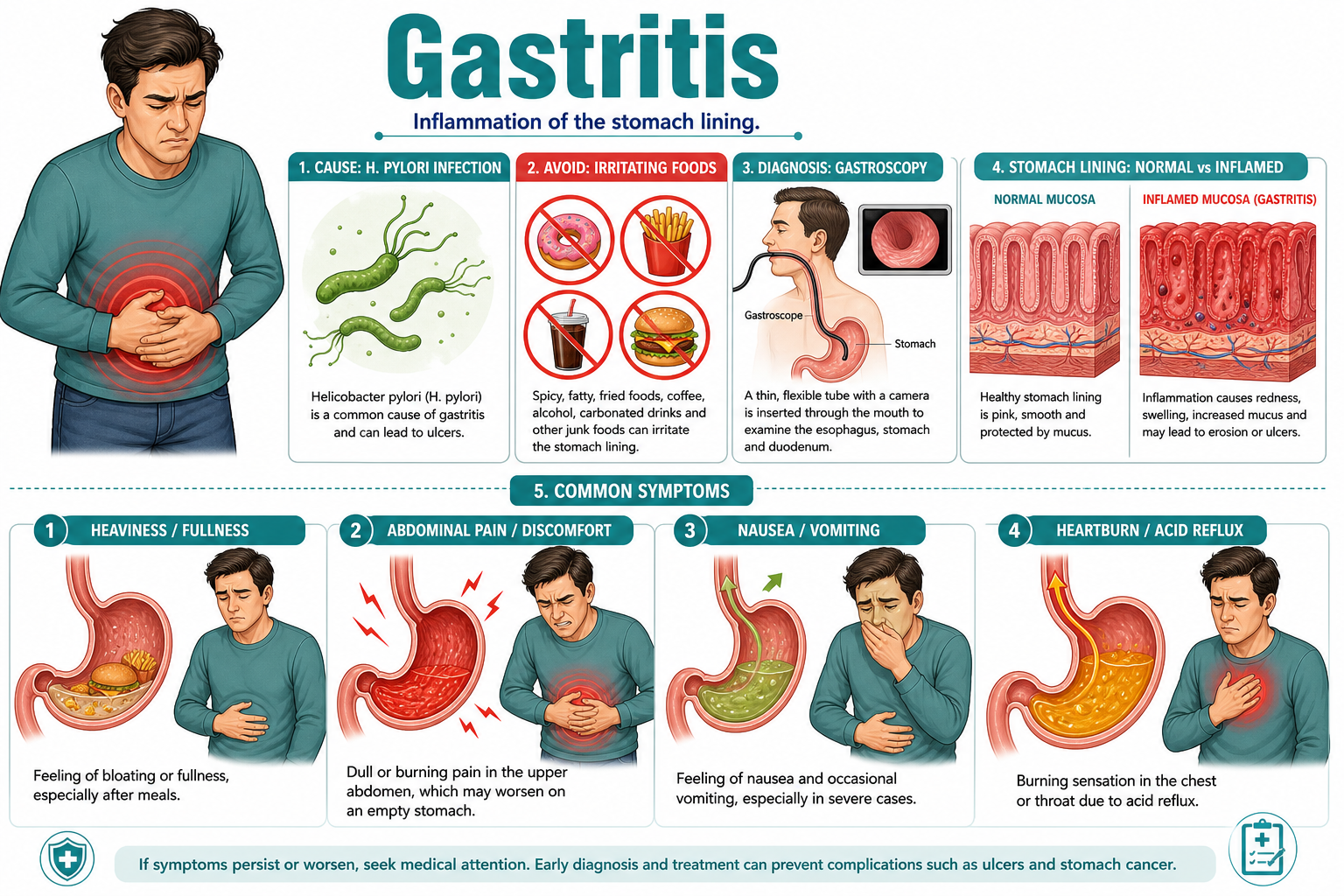
- Chronic gastritis or peptic ulcers — often linked to H. pylori infection or NSAID use
5. Medications
Many common drugs affect digestion:
| Medication class | Digestive effect |
|---|---|
| Antibiotics | Disrupt microbiome; may cause diarrhea |
| NSAIDs (ibuprofen, aspirin) | Stomach irritation, ulcers, bleeding risk |
| Proton pump inhibitors | Reduce acid; long-term effects on absorption and microbiome |
| Opioids | Severe constipation |
| Metformin | Diarrhea and bloating in some patients |
| Iron supplements | Constipation, dark stools, nausea |
Never stop prescribed medications without medical guidance. Discuss digestive side effects with your clinician.
6. Structural and motility disorders
Some digestive problems stem from physical or neuromuscular abnormalities:
- Hiatal hernia — stomach tissue pushes through the diaphragm, worsening reflux
- Gallstones — cause pain after fatty meals
- Diverticular disease — pouches in the colon that may become inflamed
- Gastroparesis — delayed stomach emptying, common in diabetes
- Pelvic floor dysfunction — difficulty coordinating muscles during bowel movements
7. Age, hormones, and genetics
Digestive function changes with age — stomach acid may decrease, motility may slow, and microbiome diversity may decline. Hormonal shifts during menstruation, pregnancy, and menopause affect bloating and bowel habits. Family history increases risk for celiac disease, IBD, and colon cancer.
Foods That Support Digestive Health
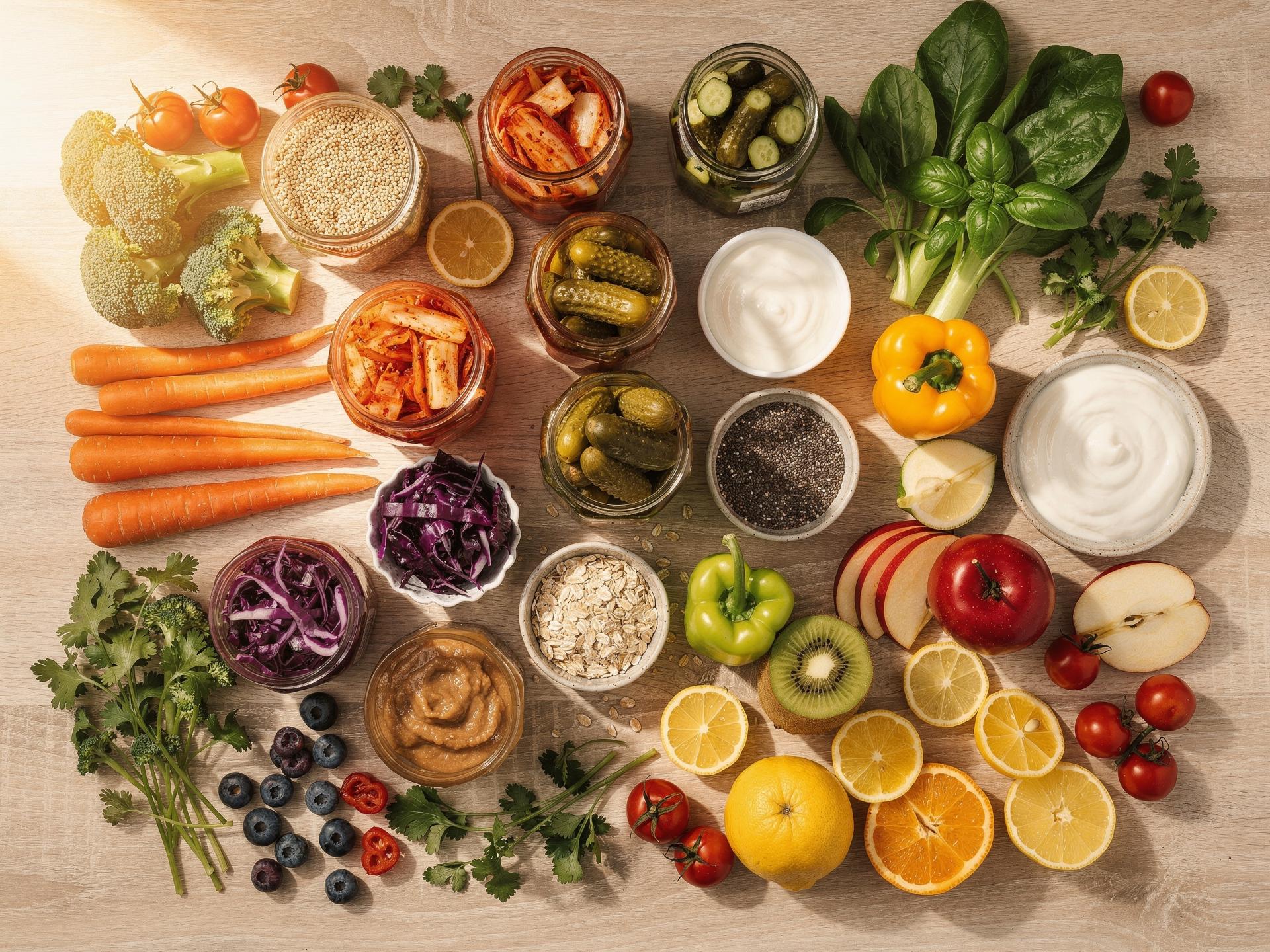
Nutrition is one of the most powerful levers for improving gut health. The goal is not perfection but a consistent pattern of foods that feed beneficial bacteria, provide adequate fiber, and minimize irritation.
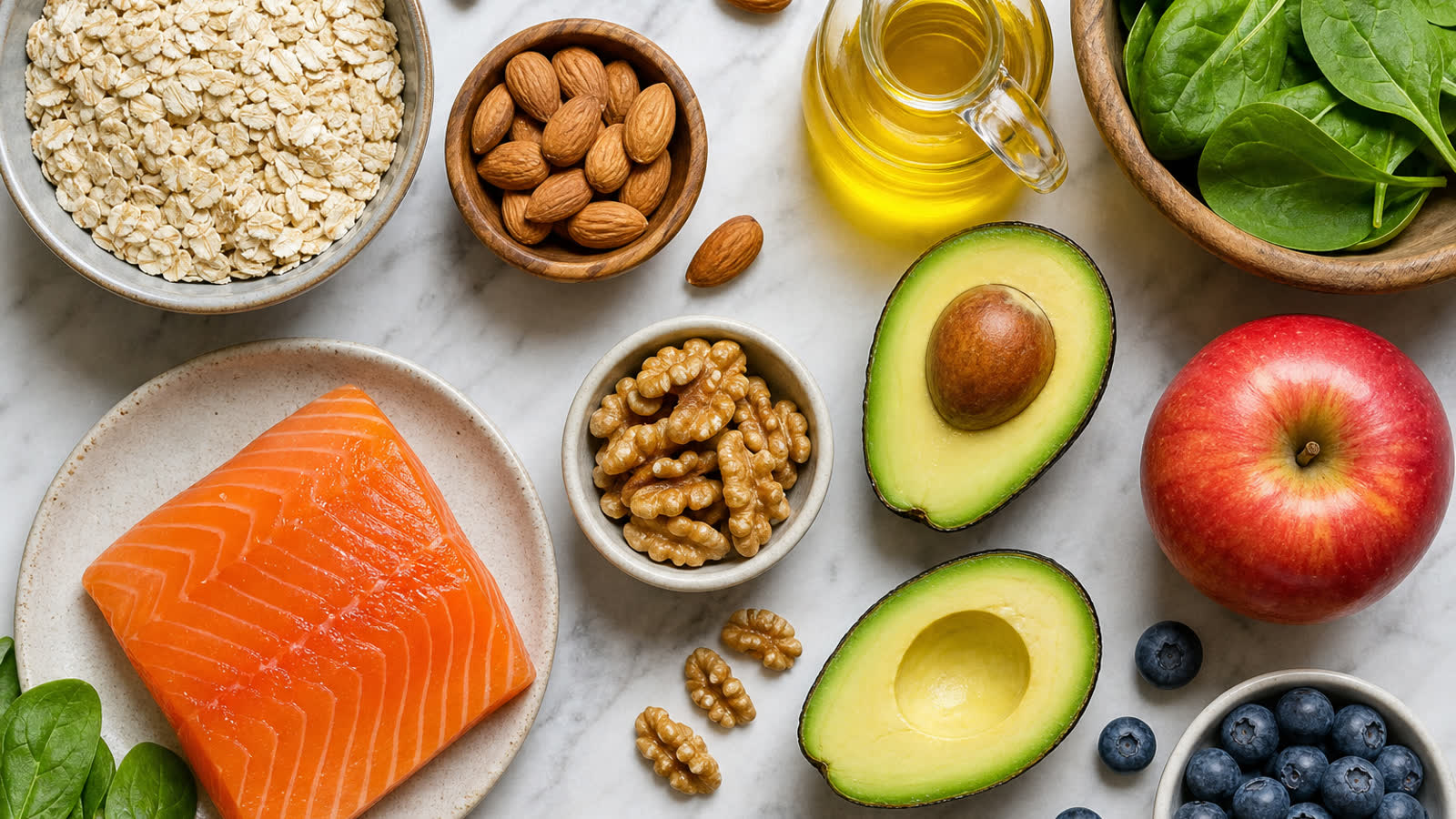
Fiber-rich foods
Dietary fiber adds bulk to stool, feeds beneficial gut bacteria, and supports regular bowel movements. Most adults need 25 to 38 grams per day, yet many consume far less.
Good sources include:
- Whole grains — oats, brown rice, quinoa, whole wheat
- Legumes — lentils, chickpeas, black beans
- Vegetables — broccoli, carrots, leafy greens, artichokes
- Fruits — berries, apples with skin, pears, bananas
- Nuts and seeds — chia, flaxseed, almonds
Increase fiber gradually and drink plenty of water to avoid bloating and cramping.
Fermented and probiotic foods
Fermented foods contain live cultures that may support microbiome diversity:
- Yogurt with live active cultures
- Kefir
- Sauerkraut and kimchi (unpasteurized)
- Miso and tempeh
- Traditional buttermilk
Probiotic supplements may help specific conditions, but whole foods provide additional nutrients and fiber.
Prebiotic foods
Prebiotics feed existing beneficial bacteria. Sources include garlic, onions, leeks, asparagus, bananas, and Jerusalem artichokes. Note that high-FODMAP prebiotic foods may worsen symptoms in some IBS patients.
Hydration
Water softens stool and supports the mucosal lining of the intestines. Aim for consistent hydration throughout the day — urine should be pale yellow. Herbal teas such as ginger or peppermint may soothe mild nausea or cramping in some people.
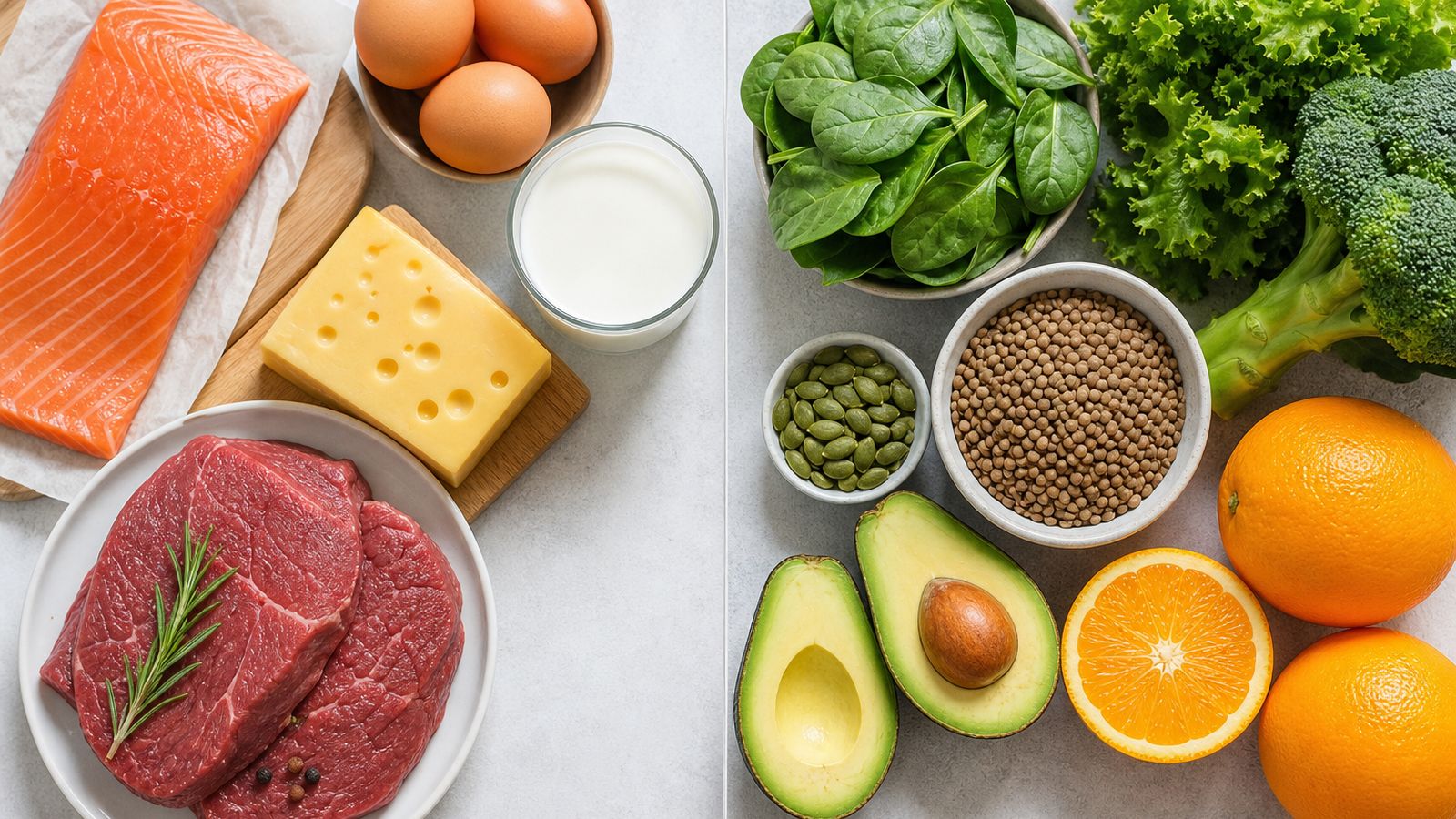
Lean proteins and healthy fats
Easily digestible proteins (fish, poultry, eggs, tofu) and moderate amounts of olive oil, avocado, and omega-3-rich fish support overall nutrition without overloading the digestive tract.
Foods That Can Hurt Digestion
Just as some foods heal, others commonly trigger digestive issues — especially when consumed in excess or when underlying sensitivity exists.
Common trigger foods
| Food / category | Why it may cause problems |
|---|---|
| Fried and fatty foods | Slow stomach emptying; worsen reflux |
| Spicy foods | Irritate esophagus and stomach in sensitive people |
| Carbonated drinks | Increase swallowed gas and bloating |
| Artificial sweeteners (sorbitol, mannitol) | Poorly absorbed; fermented by gut bacteria |
| Excess caffeine | Stimulates acid production and motility |
| Alcohol | Irritates gut lining; disrupts microbiome |
| Ultra-processed snacks | Low fiber, high additives, poor satiety |
| Large servings of raw cruciferous vegetables | Gas-producing when tolerance is low |
Eating patterns that worsen symptoms
- Eating large meals late at night
- Lying down immediately after eating
- Skipping meals then overeating
- Restrictive diets that eliminate entire food groups without medical reason
Identifying personal triggers through a structured food diary is more reliable than following generic elimination lists indefinitely.
Natural Remedies for Better Digestion
Many people seek natural ways to improve gut health before or alongside medical treatment. Evidence varies by remedy, but several approaches have reasonable support for mild digestive issues.
Lifestyle foundations
These basics help more than most supplements:
- Eat slowly and chew thoroughly — reduces swallowed air and improves digestion
- Stay physically active — walking, yoga, and regular exercise stimulate intestinal motility
- Prioritize sleep — poor sleep disrupts gut rhythms and increases stress hormones
- Manage stress — meditation, deep breathing, therapy, and adequate downtime
- Maintain a regular meal schedule — trains digestive enzyme release
Evidence-informed natural supports
| Remedy | Potential benefit | Notes |
|---|---|---|
| Ginger | Nausea, mild dyspepsia | Tea, capsules, or fresh root |
| Peppermint oil (enteric-coated) | IBS abdominal pain | Avoid if reflux is predominant |
| Psyllium husk | Constipation, some IBS symptoms | Increase water intake |
| Chamomile tea | Mild cramping, relaxation | May help stress-related symptoms |
| Apple cider vinegar | Mixed evidence for reflux | Can worsen symptoms in some people |
| Digestive bitters | Stimulate gastric secretions | Traditional use; limited modern trials |
Probiotics and prebiotics
Specific probiotic strains have shown benefit for antibiotic-associated diarrhea, pouchitis, and some IBS symptoms. There is no one-size-fits-all probiotic — strain, dose, and duration matter. Prebiotic fiber supports your native microbiome and is often a safer long-term strategy than indefinite supplementation.
What to avoid
- "Detox" cleanses and extreme juice fasts — can cause electrolyte imbalance and disrupt microbiome
- Unverified herbal products with undisclosed ingredients
- Self-diagnosing celiac disease or IBD without testing — delays proper treatment
- Long-term restrictive diets without dietitian supervision
Natural approaches work best as part of a comprehensive plan, not as replacements for necessary medical care.
When to See a Doctor
Most digestive issues resolve with self-care, but certain symptoms require professional evaluation — sometimes urgently.
Schedule a medical appointment if you have:
- Symptoms lasting more than two to four weeks without improvement
- Unexplained weight loss
- Blood in stool or black, tarry stools
- Persistent or severe abdominal pain
- Difficulty swallowing or food getting stuck
- Persistent vomiting, especially with blood
- Anemia or unexplained fatigue
- Family history of colon cancer, celiac disease, or IBD
- New bowel habit changes after age 50
Seek emergency or urgent care for:
- Sudden, severe abdominal pain
- Vomiting that prevents keeping fluids down
- Signs of dehydration (dizziness, dark urine, rapid heart rate)
- High fever with bloody diarrhea
- Chest pain that may mimic heart attack (severe reflux can mimic cardiac pain)
What to expect at your appointment
Your clinician may review your history, perform a physical exam, and order tests such as:
- Blood work (CBC, celiac panel, thyroid function, inflammation markers)
- Stool tests for infection, blood, or calprotectin
- Breath tests for lactose intolerance or SIBO
- Endoscopy or colonoscopy for persistent or red-flag symptoms
- Imaging (ultrasound, CT) when structural disease is suspected
Early diagnosis of conditions like celiac disease, IBD, or colorectal cancer significantly improves outcomes.
The Gut-Brain Connection
One of the most important — and often overlooked — aspects of digestive issues is the gut-brain axis: the bidirectional communication network linking your central nervous system and enteric (intestinal) nervous system.
How the gut and brain communicate
- The vagus nerve carries signals between the brain and gut, influencing motility, enzyme release, and pain perception
- Neurotransmitters — including serotonin, much of which is produced in the gut — affect mood and bowel function
- Hormones and immune molecules from the intestines reach the brain and influence stress response
- The microbiome produces metabolites (such as short-chain fatty acids) that may affect brain function and behavior
Practical implications
This connection explains why:
- Stress worsens IBS, reflux, and functional dyspepsia
- Psychological therapies (CBT, gut-directed hypnotherapy) improve digestive symptoms in many IBS patients
- Antidepressants at low doses sometimes treat chronic abdominal pain
- Anxiety and depression frequently accompany chronic digestive problems
Treating the gut without addressing stress — and vice versa — often yields incomplete results. Integrated care that combines nutrition, medical treatment, and mental health support tends to work best for chronic functional disorders.
Building a Healthy Digestive Routine
Consistency matters more than any single superfood or supplement. A healthy digestive routine supports regular motility, balanced microbiome activity, and lower stress on the gastrointestinal tract.
Morning
- Drink a glass of water upon waking to support hydration
- Eat a fiber-containing breakfast when hungry — oats, fruit, or whole-grain toast
- Allow time for a relaxed bowel movement without rushing
Throughout the day
- Eat meals at roughly consistent times
- Include vegetables or fruit at lunch and dinner
- Take short walks after meals to stimulate digestion
- Limit grazing on processed snacks
- Practice stress breaks — even five minutes of deep breathing helps
Evening
- Finish larger meals two to three hours before bed to reduce reflux
- Avoid heavy, fatty, or spicy dinners if nighttime heartburn is a problem
- Limit alcohol and caffeine in the late afternoon and evening
Weekly habits
- Aim for 150 minutes of moderate exercise per week
- Include fermented foods several times weekly if tolerated
- Prepare home-cooked meals when possible to control ingredients and portion sizes
- Review your symptom diary for patterns
Sleep and recovery
Seven to nine hours of quality sleep supports gut barrier integrity, hormone balance, and stress resilience. Poor sleep is independently associated with increased IBS symptoms and altered microbiome profiles in research studies.
Small, sustainable changes compound over weeks and months — far more effectively than short-term restrictive programs.
Frequently Asked Questions
What are the most common digestive issues?
The most common digestive issues include bloating, gas, acid reflux, constipation, diarrhea, and irritable bowel syndrome (IBS). Many people experience overlapping symptoms, particularly during periods of stress, dietary change, illness, or travel. Occasional symptoms are normal; persistent or worsening patterns deserve medical attention.
Can stress cause digestive problems?
Yes. Stress activates the gut-brain axis and can alter intestinal motility, increase pain sensitivity, and change microbiome activity. Chronic stress is a well-established trigger for IBS flares, functional dyspepsia, and reflux. Stress management is not a substitute for medical care but is an essential part of treating many digestive problems.
How can I improve my gut health naturally?
Focus on a varied diet rich in fiber and whole foods, adequate hydration, regular physical activity, consistent sleep, and stress reduction. Add fermented foods if tolerated, eat slowly, and maintain regular meal times. Avoid ultra-processed foods, excess alcohol, and unnecessary long-term elimination diets. Gradual, sustainable changes outperform extreme cleanses.
When should I see a doctor for digestive issues?
Consult a clinician if symptoms persist beyond two to four weeks, progressively worsen, or include red flags such as blood in stool, unexplained weight loss, severe pain, difficulty swallowing, persistent vomiting, or anemia. New bowel changes after age 50 or a family history of colon cancer or IBD also warrant evaluation.
Are probiotics good for digestive health?
Probiotics may benefit specific conditions — such as antibiotic-associated diarrhea or certain IBS subtypes — but effects depend on the strain, dose, and individual. They work best as part of a broader gut-health strategy including diet and lifestyle. Not all probiotics are equal; ask a healthcare provider for evidence-based recommendations when possible.
Can food intolerances cause digestive issues?
Yes. Lactose intolerance, non-celiac gluten sensitivity, and FODMAP intolerance can cause bloating, gas, diarrhea, and abdominal pain. A structured elimination and reintroduction protocol — ideally with a registered dietitian — helps identify triggers without unnecessary permanent food restriction.
Is bloating always a sign of a serious problem?
No. Occasional bloating after large meals, during menstruation, or with certain foods is common and usually benign. Persistent, severe, or worsening bloating — especially with weight loss, blood in stool, or new symptoms after age 50 — should be evaluated to rule out celiac disease, SIBO, ovarian conditions, or other underlying disease.
How long does it take to heal gut health?
Mild digestive issues often improve within days to a few weeks with dietary and lifestyle adjustments. Rebuilding microbiome balance and managing chronic conditions like IBS or GERD may take several months of consistent care. Patience and professional guidance produce more durable results than quick-fix approaches.
Conclusion
Digestive issues are among the most common health complaints worldwide — yet they are also among the most manageable when you understand what your body is telling you. From bloating and reflux to constipation, diarrhea, and IBS, most symptoms arise from a combination of diet, stress, microbiome balance, and sometimes underlying medical conditions that benefit from early diagnosis.
The path to better gut health is not about perfection or fear of every food. It is about building sustainable habits: eating fiber-rich whole foods, staying hydrated, moving your body, managing stress, sleeping well, and seeking medical care when symptoms persist or raise concern. Your digestive system is resilient — and with the right support, most people can significantly improve their comfort and quality of life.
For more evidence-based guides on symptoms, conditions, and wellness, visit our health articles hub or explore related topics in Symptoms & Conditions.
Key Takeaways
- Digestive issues such as bloating, gas, reflux, constipation, diarrhea, and IBS affect millions of people and often overlap in cause and symptom.
- Gut health depends on the coordinated function of the entire digestive tract plus a balanced microbiome that supports immunity and nutrient absorption.
- Signs of poor digestive health include persistent bloating, irregular bowel habits, reflux, fatigue, and mood changes — especially when symptoms occur several days per week.
- Major causes include diet, stress, food intolerances, infections, medications, structural disorders, and the gut-brain connection.
- Foods that support digestion include fiber-rich whole grains, vegetables, fruits, fermented foods, and adequate hydration; trigger foods vary by individual.
- Natural remedies — ginger, peppermint, psyllium, probiotics, stress management, and consistent routines — can help mild symptoms but do not replace medical care for red-flag or chronic conditions.
- See a doctor for persistent symptoms, blood in stool, weight loss, severe pain, or new changes after age 50.
- Sustainable daily digestive routines combining nutrition, movement, sleep, and stress care produce the most lasting improvement in gut health.
Medical Disclaimer
Symptoms Insight publishes general health information for educational purposes only. It is not a substitute for professional medical advice, diagnosis, or treatment. Always seek the advice of a qualified healthcare provider with questions about a medical condition. Do not disregard professional advice or delay care because of something you read on this site.
About the publisher

Rajat
Health & Wellness Editor | Global
Health & Wellness Editor | Global
Rajat edits Symptoms Insight as a practical health publication focused on symptoms, vitamin deficiencies, skincare, wellness habits, and digital health — always encouraging readers to consult qualified healthcare professionals for personal medical decisions.
FAQ
Frequently asked questions
What are the most common digestive issues?
The most common digestive issues include bloating, gas, acid reflux, constipation, diarrhea, and irritable bowel syndrome (IBS). Many people experience more than one symptom at a time, especially during periods of stress, dietary change, or illness.
Can stress cause digestive problems?
Yes. Stress activates the gut-brain axis and can slow or speed digestion, increase sensitivity to pain, and worsen symptoms such as bloating, cramping, and changes in bowel habits. Managing stress is often an important part of treating functional digestive disorders.
How can I improve my gut health naturally?
Eat a varied diet rich in fiber, fermented foods, and whole ingredients; stay hydrated; move regularly; sleep well; and limit ultra-processed foods, excess alcohol, and smoking. Gradual dietary changes and consistent routines often work better than extreme cleanses or restrictive diets.
When should I see a doctor for digestive issues?
See a clinician if symptoms persist beyond a few weeks, worsen over time, or are accompanied by red-flag signs such as blood in stool, unexplained weight loss, severe pain, difficulty swallowing, persistent vomiting, or a family history of colon cancer or inflammatory bowel disease.
Are probiotics good for digestive health?
Probiotics may help some people with specific conditions such as antibiotic-associated diarrhea or certain IBS symptoms, but benefits vary by strain and individual. They are best used as part of a broader gut-health plan rather than as a standalone cure.
Can food intolerances cause digestive issues?
Yes. Lactose intolerance, gluten sensitivity, and reactions to FODMAP carbohydrates can cause bloating, gas, diarrhea, and abdominal pain. Keeping a food diary and working with a clinician or dietitian can help identify triggers without unnecessary long-term food restriction.
Is bloating always a sign of a serious problem?
Occasional bloating after large meals or during menstruation is usually harmless. Persistent or severe bloating — especially with weight loss, blood in stool, or new symptoms after age 50 — should be evaluated to rule out conditions such as celiac disease, SIBO, or ovarian pathology in women.
How long does it take to heal gut health?
Mild digestive symptoms often improve within days to a few weeks with dietary and lifestyle changes. Rebuilding a balanced microbiome and resolving chronic conditions such as IBS or reflux may take several months of consistent care, medical treatment, and sometimes specialist support.