
Medical & editorial notice: Symptoms Insight publishes general health information for educational purposes only. It is not a substitute for professional medical advice, diagnosis, or treatment. Always seek the advice of a qualified healthcare provider with questions about a medical condition.
Review snapshot
What we checked for this guide
Official sources used
Pages checked while updating this article
Introduction
Vitamin B12 deficiency is one of the most common — and most overlooked — nutritional problems in the world. Also called cobalamin deficiency, it develops when your body does not get enough B12 from food or cannot absorb it properly through the digestive tract. Because B12 supports red blood cell formation, nerve health, DNA synthesis, and brain function, low levels can quietly affect your energy, mood, memory, and long-term neurological health.
The challenge is that Vitamin B12 deficiency symptoms often appear gradually. Many people blame persistent tiredness on stress, poor sleep, or aging when low B12 is the real culprit. Others notice tingling in the hands and feet, brain fog, or mood changes months before anyone checks their blood levels.
This guide explains what Vitamin B12 deficiency is, why it matters, how to recognize early warning signs, what causes it, how doctors diagnose it, and the most effective treatment and prevention strategies — including the best foods for Vitamin B12 and when supplements or injections may be necessary.
Medical note: This article is for general education only. It is not a substitute for professional medical advice, diagnosis, or treatment. Always consult a qualified healthcare provider if you suspect a deficiency.



What Is Vitamin B12 Deficiency?
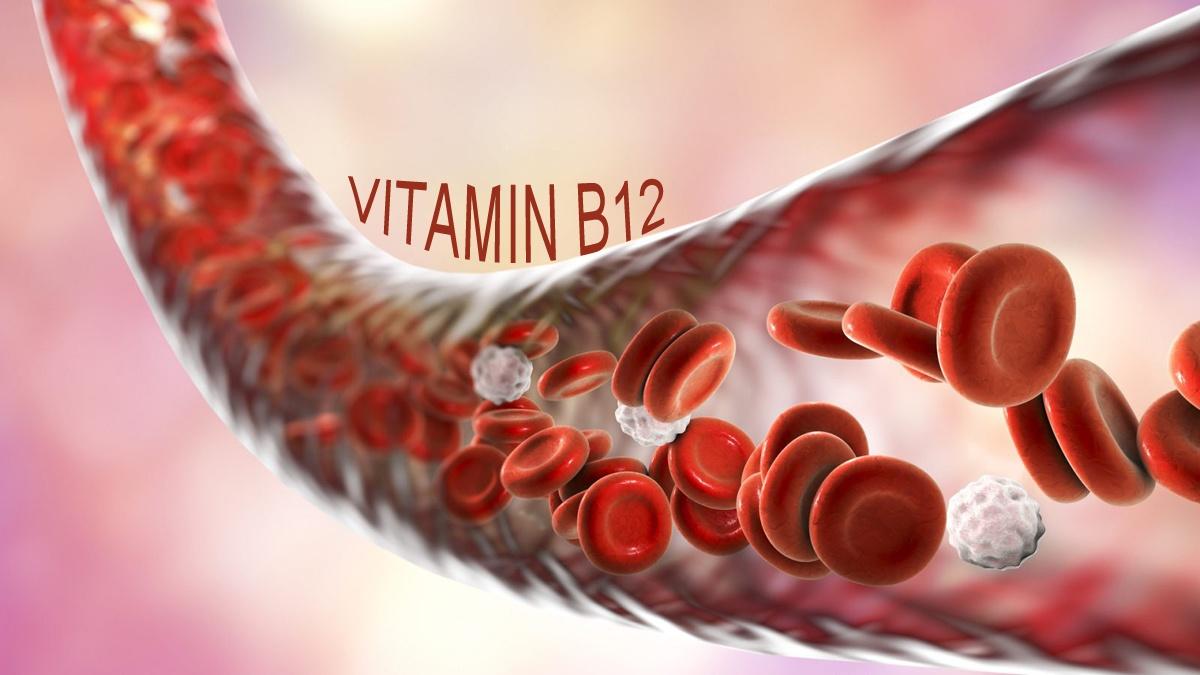
Vitamin B12 deficiency occurs when blood and tissue levels of cobalamin fall below the range needed for normal metabolism. Your body stores some B12 in the liver, which is why symptoms may take months or even years to appear after intake drops — but once stores are depleted, multiple systems can be affected at once.
Cobalamin is a water-soluble vitamin found almost exclusively in animal-based foods and fortified products. Unlike fat-soluble vitamins that the body stores for long periods in adipose tissue, B12 requires regular intake or repletion because daily losses occur through bile and other routes, even though significant reserves exist in healthy adults.
How common is it?
Research suggests that Vitamin B12 deficiency in adults is especially common among:
- People over age 50
- Vegans and strict vegetarians
- Individuals with pernicious anemia or autoimmune gastritis
- Patients with Crohn's disease, celiac disease, or prior gastric surgery
- Long-term users of metformin, proton pump inhibitors (PPIs), or certain antacids
Because screening is not routine for everyone, many cases remain undiagnosed until symptoms become moderate or severe.
What happens inside the body?
When B12 is too low, cells cannot divide normally. Red blood cells become oversized and fragile — a pattern called megaloblastic anemia — which reduces oxygen delivery to muscles and organs. At the same time, B12 is required to maintain myelin, the protective coating around nerves. Without adequate B12, nerve signals slow down, which explains many signs of B12 deficiency involving tingling, numbness, and balance problems.
Why Is Vitamin B12 Important?
Before diving deeper into symptoms and treatment, it helps to understand why this single nutrient affects so many parts of health.
1. Red blood cell formation
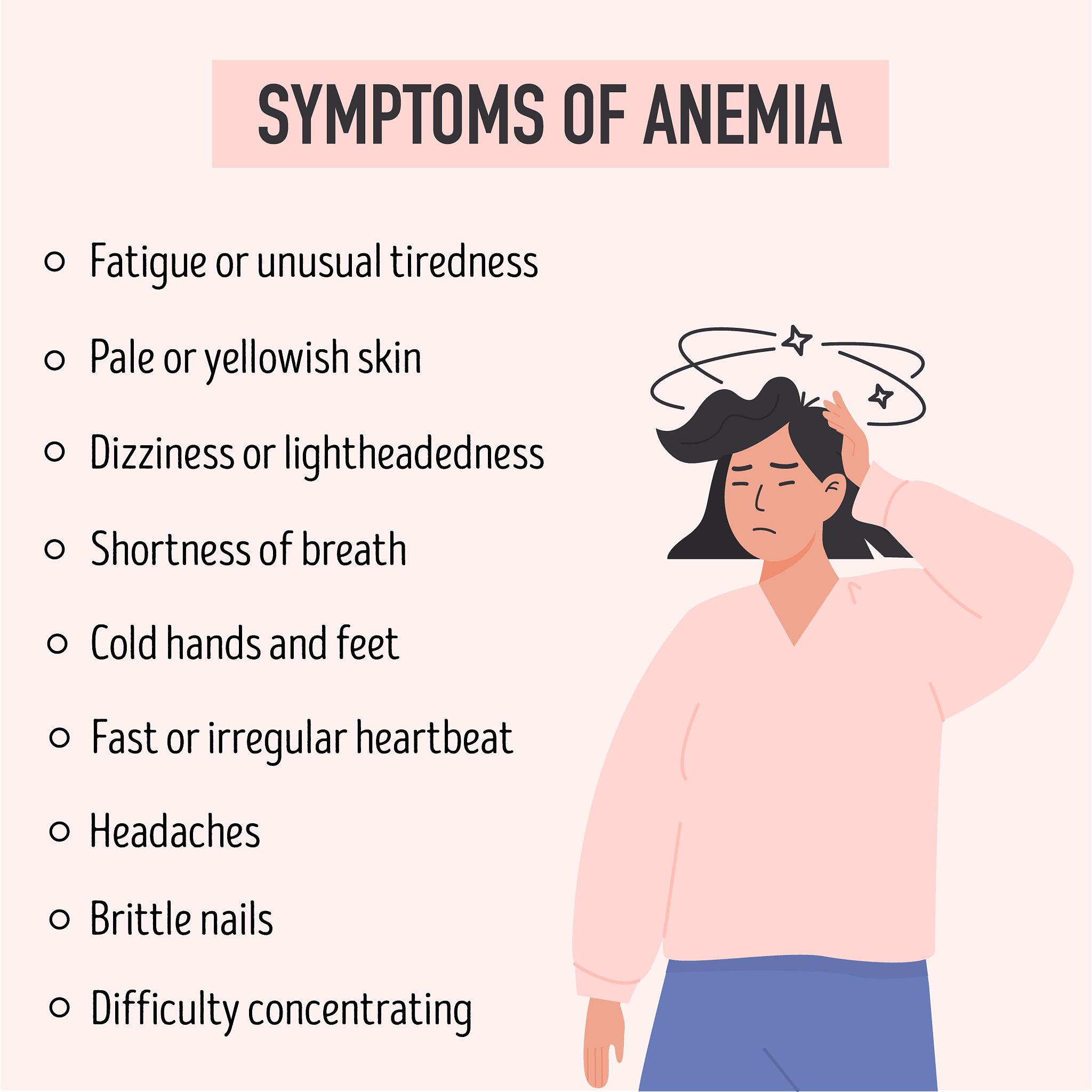
Vitamin B12 works with folate (vitamin B9) to produce healthy red blood cells. Without enough B12, cells in the bone marrow cannot mature properly. The result is anemia, pale skin, shortness of breath, and fatigue — classic low Vitamin B12 warning signs.
2. Nervous system health
B12 is essential for maintaining the myelin sheath that insulates nerves. Deficiency can disrupt communication between the brain and the rest of the body, leading to neuropathy, coordination problems, and in severe cases, irreversible nerve damage.
3. DNA production and cell division
Every cell in your body needs B12 for DNA synthesis. Rapidly dividing tissues — including blood cells and the lining of the digestive tract — are especially vulnerable when levels drop.
4. Energy metabolism
B12 does not provide calories directly, but it helps convert food into usable cellular energy. That is why people with deficiency often report feeling drained even after sleeping well.
5. Brain function and mood
Adequate B12 supports neurotransmitters involved in memory, concentration, and emotional regulation. Population studies have linked low B12 with cognitive decline and depression, though cause and effect varies by individual.
Recommended daily intake
According to the NIH Office of Dietary Supplements, the recommended dietary allowance (RDA) for most adults is 2.4 micrograms (mcg) per day. Pregnant and breastfeeding women need slightly more. Because absorption efficiency decreases with age and certain medical conditions, some clinicians recommend higher intake or supplementation for at-risk groups.
Symptoms of Vitamin B12 Deficiency
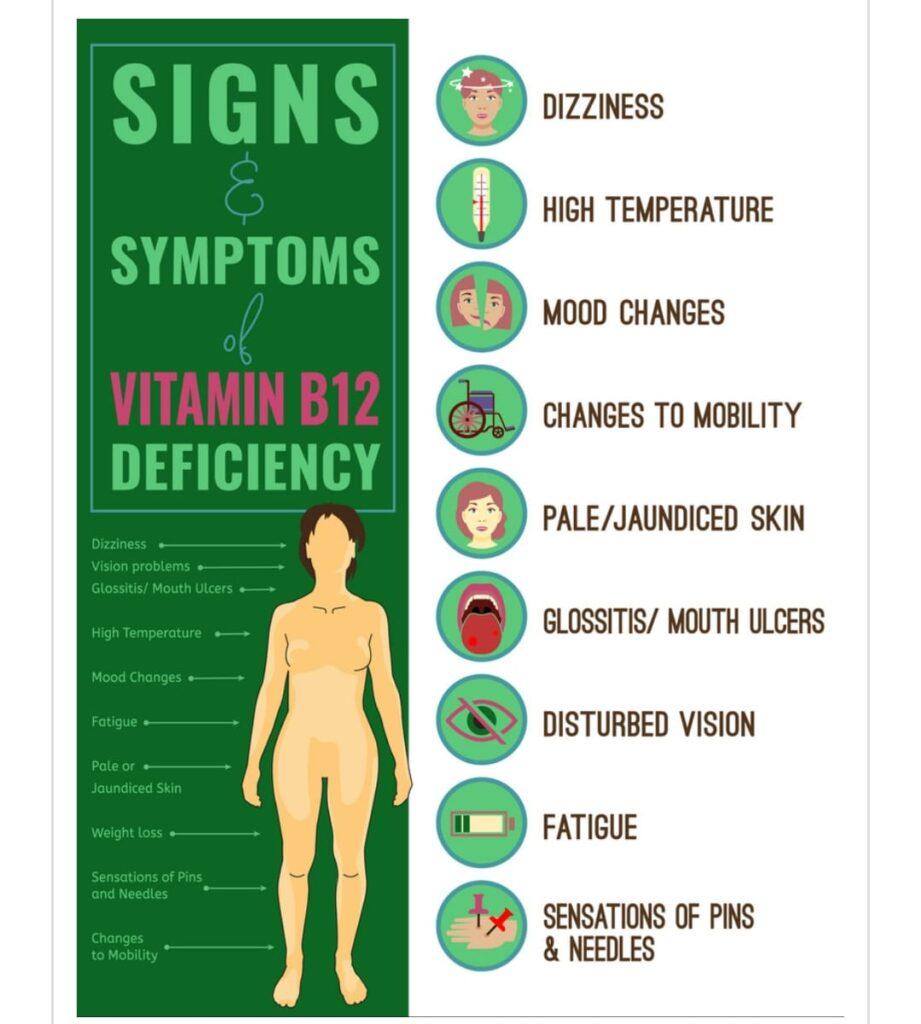
Vitamin B12 deficiency symptoms rarely appear overnight. They often start subtly and worsen over months or years, which is why early recognition matters.

Early and common symptoms
Persistent fatigue
Constant tiredness is frequently the first complaint. Even with adequate sleep, people feel sluggish because fewer healthy red blood cells carry oxygen to tissues.
Weakness
Muscle strength may decline, making stairs, exercise, or daily chores feel harder than usual.
Pale or yellowish skin
Megaloblastic anemia can cause pallor. In some cases, fragile red blood cells break down and produce a slight yellow tint to the skin or eyes.
Shortness of breath
Reduced oxygen-carrying capacity means the heart and lungs work harder during everyday activity — walking, climbing stairs, or even talking.
Dizziness and lightheadedness
Many people feel faint when standing quickly, especially if anemia is significant.
Headaches
Frequent headaches may occur when the brain receives less oxygen than it needs.
Heart palpitations
Anemia can force the heart to beat faster to compensate for low oxygen delivery.
Gastrointestinal and oral symptoms
- Sore, red tongue (glossitis)
- Mouth ulcers
- Loss of appetite
- Mild digestive discomfort
These signs are easy to miss because they overlap with many other conditions.
Neurological symptoms
When deficiency affects nerves, symptoms may include:
| Symptom | What you might notice |
|---|---|
| Tingling | Pins-and-needles in hands or feet |
| Numbness | Reduced sensation in fingers, toes, or legs |
| Balance problems | Unsteady walking, especially in the dark |
| Reflex changes | Reduced reflexes on clinical exam |
| Muscle weakness | Difficulty with fine motor tasks |
Neurological damage can become permanent if B12 deficiency remains untreated for years. This is one reason early Vitamin B12 treatment matters.
Mental health and cognitive symptoms
Low B12 may affect brain function in several ways:
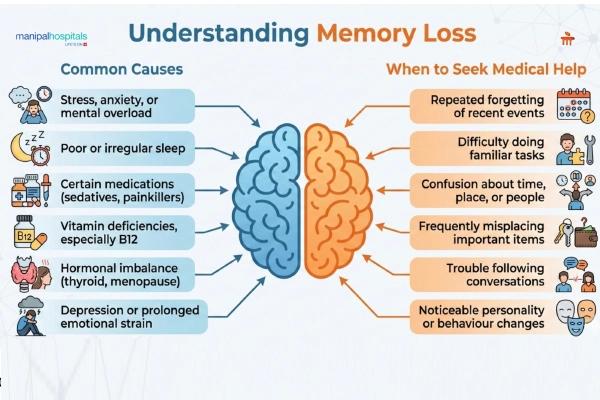
- Memory problems — forgetting names, appointments, or recent conversations
- Poor concentration — difficulty focusing at work or while reading
- Brain fog — feeling mentally slow or disconnected
- Irritability and mood swings
- Depression or anxiety — especially when no clear psychological trigger exists
- Confusion — in severe or long-standing deficiency
If you or someone you know develops new neurological or cognitive symptoms, seek medical evaluation promptly — do not assume they are normal aging.
Symptoms in specific groups
Older adults may experience more cognitive and balance symptoms with fewer classic anemia signs.
Infants born to B12-deficient mothers can face developmental delays, poor growth, and neurological problems — another reason prenatal nutrition matters.
Vegans and vegetarians may notice fatigue and neuropathy if fortified foods and supplements are not used consistently.
Causes of Vitamin B12 Deficiency
Understanding low Vitamin B12 causes helps you and your clinician choose the right treatment — dietary changes alone will not fix absorption problems.
1. Inadequate dietary intake
Vitamin B12 is naturally abundant in animal products. People at highest dietary risk include:
- Vegans who do not use fortified foods or supplements
- Strict vegetarians with limited dairy and eggs
- Older adults with reduced appetite or limited food variety
- Individuals facing food insecurity or highly restricted diets
Plant foods do not provide reliable active B12 unless fortified.
2. Pernicious anemia
Pernicious anemia is an autoimmune condition in which the body attacks intrinsic factor — a protein made in the stomach that B12 needs for absorption in the small intestine. Without intrinsic factor, even high oral doses may fail unless given by injection or high-dose supervised protocols.
3. Digestive and absorption disorders
Conditions that damage the stomach or small intestine can reduce B12 uptake:
- Crohn's disease
- Celiac disease
- Chronic atrophic gastritis
- Small intestinal bacterial overgrowth (SIBO)
- Prior gastric bypass or bowel resection surgery
- Pancreatic insufficiency
4. Long-term medication use
Several commonly prescribed drugs may lower B12 levels over time:
| Medication type | Examples | Possible effect |
|---|---|---|
| Proton pump inhibitors | Omeprazole, lansoprazole | Reduced stomach acid needed to release B12 from food |
| H2 blockers | Famotidine, ranitidine | Similar acid-related absorption issues |
| Metformin | Used for type 2 diabetes | May reduce ileal absorption |
| Certain seizure medications | Long-term use in some patients | May interfere with B12 metabolism |
Never stop prescribed medications without medical guidance. If you use these drugs long term, ask your clinician whether B12 monitoring is appropriate.
5. Aging
Stomach acid production often declines with age, reducing release of B12 from food proteins. The NIH notes that up to 30% of older adults may have reduced absorption, making routine awareness and sometimes supplementation important.
6. Alcohol use and other factors
Heavy alcohol intake, chronic inflammation, and some genetic conditions (such as transcobalamin II deficiency) can also contribute to deficiency, though these are less common than dietary and autoimmune causes.
Best Foods Rich in Vitamin B12
The most reliable way to maintain healthy levels — when absorption is normal — is to include Vitamin B12 foods in your regular diet.


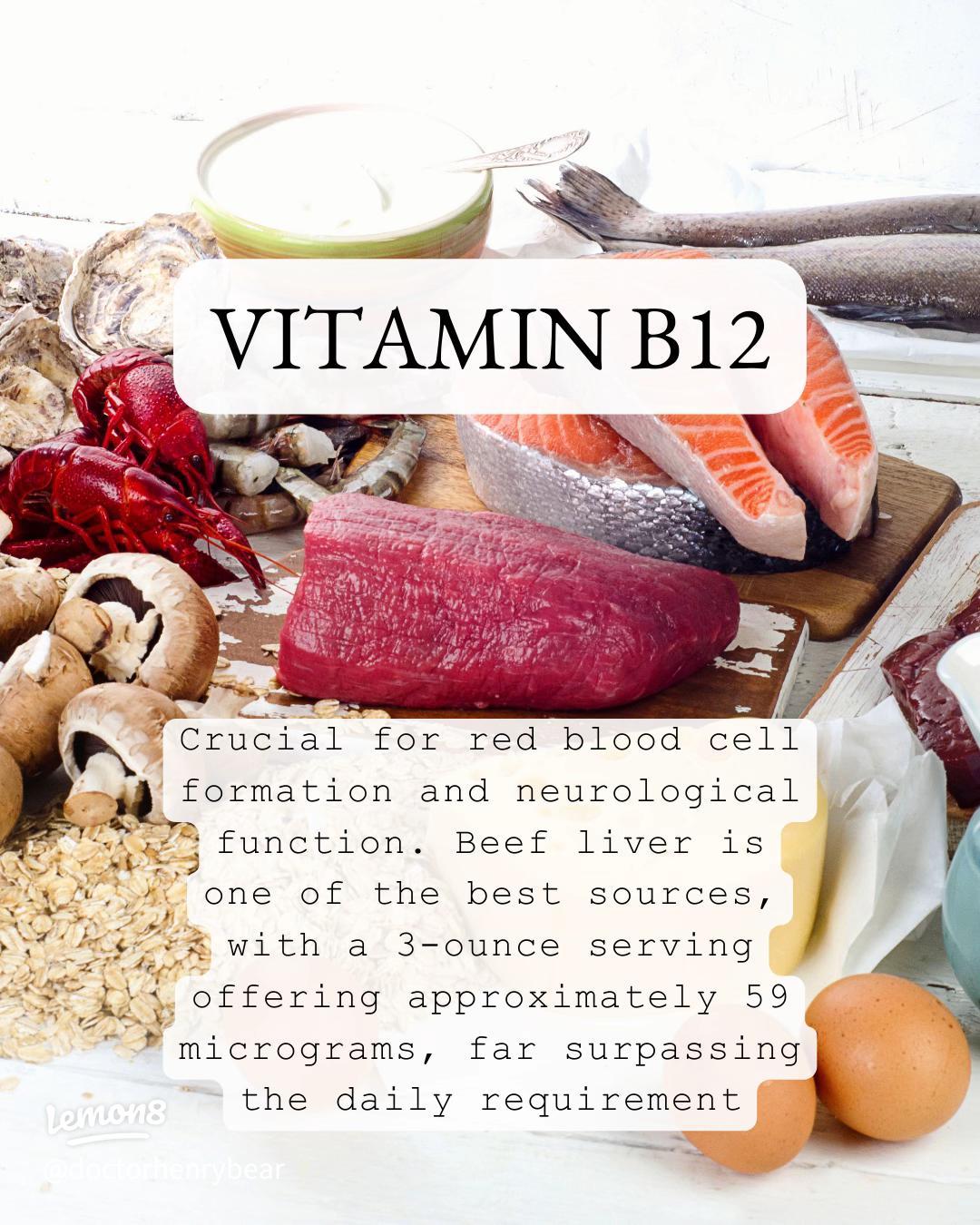

Animal-based sources (highest natural B12)
| Food | Approximate B12 per serving* | Notes |
|---|---|---|
| Beef liver | Very high | One of the richest natural sources |
| Clams and oysters | Very high | Excellent for occasional inclusion |
| Salmon, tuna, trout, sardines | High | Heart-healthy protein plus B12 |
| Beef and lamb | Moderate to high | Choose lean cuts as part of balanced diet |
| Chicken and turkey | Moderate | Lower than red meat or organ meats |
| Eggs (especially yolk) | Moderate | Useful for vegetarians who eat eggs |
| Milk, yogurt, cheese | Moderate | Important for lacto-vegetarians |
*Exact values vary by portion size, preparation, and brand. Check nutrition labels when possible.
Vegetarian and vegan sources
Strict plant-based eaters should rely on fortified foods and supplements because unfortified plants do not provide dependable B12:
- Fortified breakfast cereals
- Fortified nutritional yeast
- Fortified plant milks (soy, almond, oat)
- Fortified meat alternatives
- B12 supplements (often essential for vegans)
Nutritional yeast and fortified cereals can be excellent daily staples when labels confirm cyanocobalamin or methylcobalamin content.
Practical meal ideas to increase B12
- Breakfast: Fortified cereal with milk or fortified soy milk
- Lunch: Tuna or salmon salad with whole-grain bread
- Dinner: Lean beef stir-fry with vegetables and brown rice
- Snack: Greek yogurt or a hard-boiled egg
- Vegan option: Fortified nutritional yeast sprinkled on pasta or popcorn
For more nutrition guides, explore our Vitamin Deficiency & Nutrition category hub.
How Is Vitamin B12 Deficiency Diagnosed?
Do not self-diagnose based on symptoms alone. Fatigue, tingling, and brain fog have many possible causes. A clinician will review your history, diet, medications, and symptoms, then order appropriate tests.
Common blood tests
Serum vitamin B12 level — The standard starting point. Levels below the lab reference range suggest deficiency, though some people have symptoms with borderline results.
Complete blood count (CBC) — May show macrocytic anemia (large red blood cells) or low hemoglobin.
Folate level — Important because folate deficiency can cause similar blood changes and should be corrected alongside B12.
Additional tests for clearer diagnosis
When standard results are unclear, doctors may order:
- Methylmalonic acid (MMA) — Often rises early in B12 deficiency
- Homocysteine — May be elevated when B12 or folate is low
- Intrinsic factor antibodies — Suggest pernicious anemia
- Anti-parietal cell antibodies — Support autoimmune gastritis evaluation
Who should consider testing?
Consider speaking with a healthcare provider about testing if you:
- Follow a vegan or strict vegetarian diet without supplementation
- Are over age 50 with unexplained fatigue or neuropathy
- Have Crohn's, celiac disease, or history of gastric surgery
- Take metformin or PPIs long term
- Have a family history of pernicious anemia
Early diagnosis prevents complications and guides the right Vitamin B12 treatment plan.
Treatment for Vitamin B12 Deficiency
Treatment depends on how low your levels are, how severe your symptoms are, and whether you can absorb B12 orally.
1. Dietary changes
For mild deficiency caused by low intake — especially in vegetarians who can add eggs, dairy, or fortified foods — improving diet may be enough. This approach works best when absorption is intact and deficiency is recent.
2. Oral supplements
Many people respond well to oral cyanocobalamin or methylcobalamin tablets. Doses vary widely in clinical practice — from daily low-dose maintenance to short-term high-dose repletion prescribed by a doctor.
Oral supplements are often appropriate for:
- Dietary deficiency
- Mild absorption issues
- Maintenance after injections
3. Vitamin B12 injections
Intramuscular injections bypass the digestive tract and are standard for:
- Pernicious anemia
- Severe deficiency with neurological symptoms
- Proven malabsorption
Injections are typically given frequently at first, then spaced out for maintenance. Only a licensed healthcare provider should administer prescription injection schedules.
4. Treating underlying causes
Effective long-term management requires addressing root problems:
- Adjusting medications when safe and appropriate
- Treating celiac disease or Crohn's flares
- Managing autoimmune gastritis
- Ensuring adequate fortified food intake for vegans
5. Monitoring recovery
Your clinician may repeat blood tests to confirm rising B12 and improving blood counts. Neurological symptoms often improve over weeks to months, but some damage may persist if treatment was delayed.
What to avoid
- Taking high-dose folic acid alone without checking B12 — it can mask anemia while nerve damage continues
- Relying on unverified online "energy shots" without medical assessment
- Ignoring persistent neuropathy even if fatigue improves
How to Prevent Vitamin B12 Deficiency
Prevention is straightforward for most people with normal absorption.
Eat B12-rich foods regularly
Include fish, eggs, dairy, lean meats, or reliable fortified foods several times per week. Variety helps you meet the RDA without over-relying on a single source.
Use fortified foods if you avoid animal products
Vegans should treat B12 supplementation or daily fortified foods as non-optional, not optional extras.
Consider supplements when intake is limited
Talk to a clinician about oral B12 if you:
- Are over 50
- Eat little or no animal protein
- Take metformin or acid-reducing medications long term
Schedule routine checkups
Annual wellness visits are a good time to mention fatigue, neuropathy, or dietary changes. Request appropriate testing if you are in a high-risk group.
Be alert after stomach or bowel surgery
Patients who have had bariatric surgery or bowel resection often need lifelong B12 monitoring and supplementation.
Vitamin B12 Deficiency vs. Other Conditions
Several health problems mimic B12 deficiency, which is why testing matters.
| Condition | Overlapping symptoms | How it differs |
|---|---|---|
| Iron deficiency anemia | Fatigue, pallor, shortness of breath | Usually microcytic blood cells, not macrocytic |
| Hypothyroidism | Fatigue, depression, weight changes | Thyroid labs abnormal |
| Diabetic neuropathy | Tingling, numbness | Often symmetric foot symptoms with diabetes history |
| Folate deficiency | Anemia, fatigue | Similar blood picture; folate level low |
| Chronic fatigue syndrome | Persistent exhaustion | Normal B12 and blood counts |
A thorough workup prevents misdiagnosis and delayed treatment.
When to See a Doctor
Seek medical care promptly if you experience:
- Worsening numbness, weakness, or difficulty walking
- New confusion, memory loss, or personality changes
- Severe fatigue with fainting or chest pain
- Symptoms during pregnancy or while breastfeeding
- No improvement despite weeks of supplementation
Emergency care is warranted for sudden severe neurological changes, stroke-like symptoms, or chest pain with shortness of breath.
Frequently Asked Questions
Can Vitamin B12 deficiency cause anxiety?
Yes. Low B12 can affect nerve function and red blood cell production, both of which may contribute to anxiety, irritability, and low mood in some people. Treating deficiency sometimes improves symptoms, but mental health care may still be needed.
Can B12 deficiency cause hair loss?
Hair thinning can occur with nutritional deficiencies, including B12-related anemia. Hair loss is usually multifactorial — stress, hormones, iron status, and thyroid function also play roles — so a full evaluation is best.
How long does recovery take?
Energy and anemia-related symptoms often improve within 2 to 8 weeks of appropriate treatment. Neurological recovery may take 3 to 12 months and is most complete when treatment starts early.
Is Vitamin B12 deficiency serious?
Yes. Untreated deficiency can cause permanent nerve damage, disability, pregnancy complications, and severe anemia. It is highly treatable when caught early.
Which fruit has the most Vitamin B12?
No common fruit provides meaningful B12. Rely on animal products, fortified foods, or supplements instead.
Can you take too much Vitamin B12?
B12 is water-soluble, and excess is usually excreted in urine. High doses are generally considered low risk for most people, but you should still follow your clinician's guidance — especially if you have kidney disease or take multiple medications.
Conclusion
Vitamin B12 deficiency is common, often subtle at first, and potentially serious if ignored — but it is also one of the most treatable nutritional problems when identified early. From persistent fatigue and pale skin to tingling nerves and mood changes, the signs of B12 deficiency should never be dismissed as "just stress" or normal aging without proper evaluation.
The path forward is clear: know your risk factors, eat Vitamin B12-rich foods or use fortified products consistently, get tested if symptoms persist, and follow your clinician's plan for diet, oral supplements, or injections when needed. With timely Vitamin B12 treatment, most people recover energy, blood health, and quality of life — and protect long-term nerve and brain function.
For more trusted guides on nutrition and deficiency symptoms, visit our health articles hub or browse related topics in Vitamins & Nutrition.
Key Takeaways
- Vitamin B12 deficiency develops when intake or absorption is too low to support blood, nerve, and DNA health.
- Early Vitamin B12 deficiency symptoms include fatigue, weakness, pale skin, and tingling — but many people notice mood or memory changes first.
- Low Vitamin B12 causes range from vegan diets and aging to pernicious anemia, digestive disease, and medications such as metformin or PPIs.
- The best foods for Vitamin B12 are liver, fish, meat, eggs, and dairy; fortified foods and supplements are essential for plant-based eaters.
- Diagnosis uses blood tests and sometimes MMA or homocysteine; Vitamin B12 treatment may include diet, oral supplements, or injections.
- Prevention means consistent intake, fortified foods when needed, and regular checkups for high-risk groups.
Medical Disclaimer
Symptoms Insight publishes general health information for educational purposes only. It is not a substitute for professional medical advice, diagnosis, or treatment. Always seek the advice of a qualified healthcare provider with questions about a medical condition. Do not disregard professional advice or delay care because of something you read on this site.
About the publisher

Rajat
Health & Wellness Editor | Global
Health & Wellness Editor | Global
Rajat edits Symptoms Insight as a practical health publication focused on symptoms, vitamin deficiencies, skincare, wellness habits, and digital health — always encouraging readers to consult qualified healthcare professionals for personal medical decisions.
FAQ
Frequently asked questions
Can Vitamin B12 deficiency cause anxiety?
Yes. Low B12 levels may contribute to mood changes, anxiety, and depression in some individuals, especially when deficiency affects nerve function and red blood cell production.
Can B12 deficiency cause hair loss?
It may contribute to hair thinning when accompanied by anemia or poor nutrition, though hair loss usually has multiple causes and should be evaluated by a clinician.
How long does recovery from B12 deficiency take?
Many people notice improvement in fatigue within a few weeks of treatment. Neurological symptoms may take several months and can become permanent if deficiency is severe and untreated for years.
Is Vitamin B12 deficiency serious?
Yes. If left untreated, it can lead to megaloblastic anemia, nerve damage, cognitive problems, and complications during pregnancy.
Which fruit has the most Vitamin B12?
Natural fruits do not contain meaningful amounts of Vitamin B12. B12 is primarily found in animal products and fortified foods such as cereals and plant milks.
Who is most at risk for B12 deficiency?
Older adults, vegans, strict vegetarians, people with pernicious anemia, and those with Crohn's disease, celiac disease, or long-term use of certain medications are at higher risk.