Medical & editorial notice: Symptoms Insight publishes general health information for educational purposes only. It is not a substitute for professional medical advice, diagnosis, or treatment. Always seek the advice of a qualified healthcare provider with questions about a medical condition.
Anxiety Is Not "Just in Your Head"
The body's stress response can produce very real physical symptoms. Recognizing them helps people seek appropriate care instead of guessing.
Common Physical Symptoms
- Racing heartbeat or palpitations
- Chest tightness
- Shortness of breath
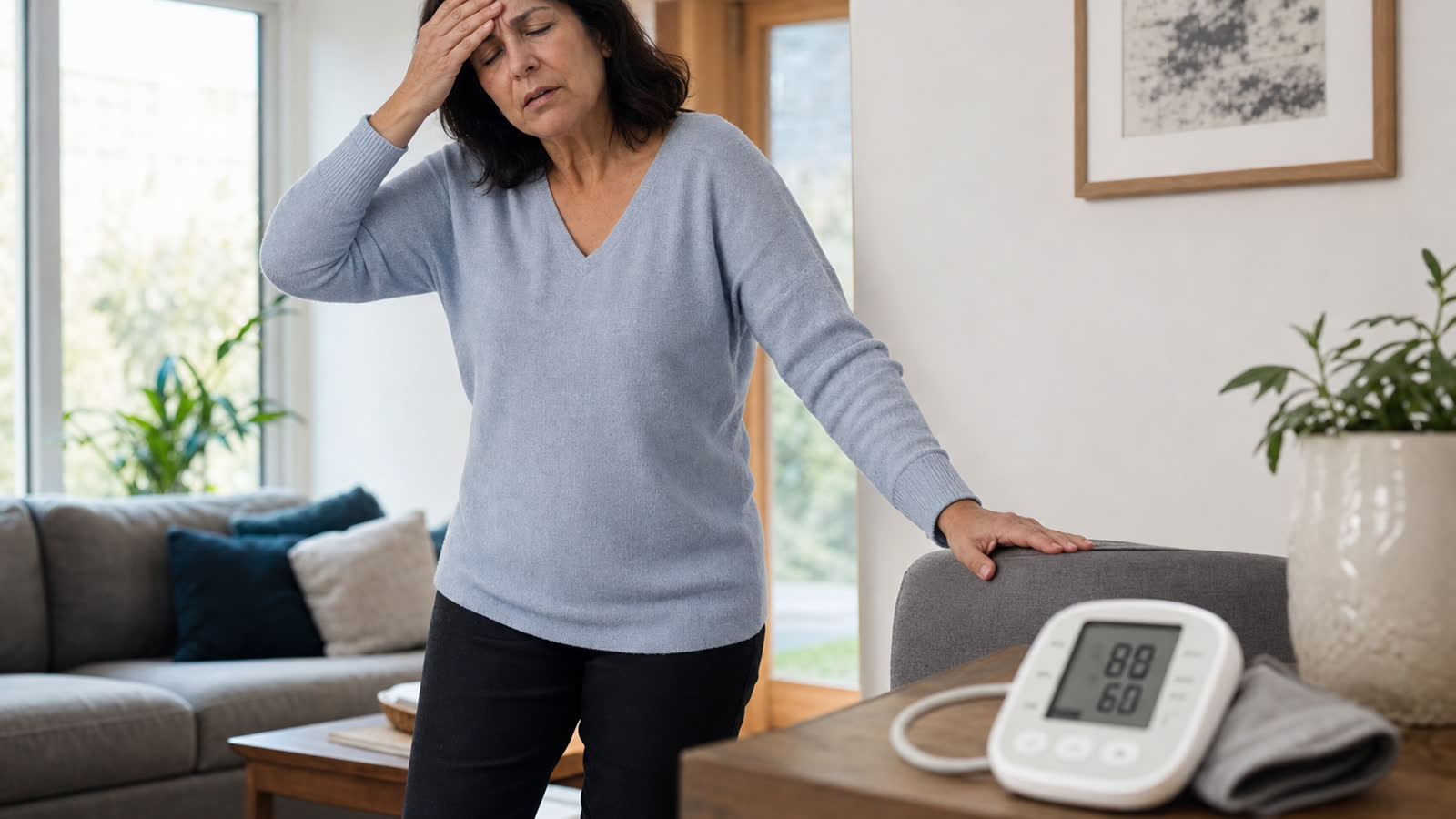
- Dizziness or lightheadedness
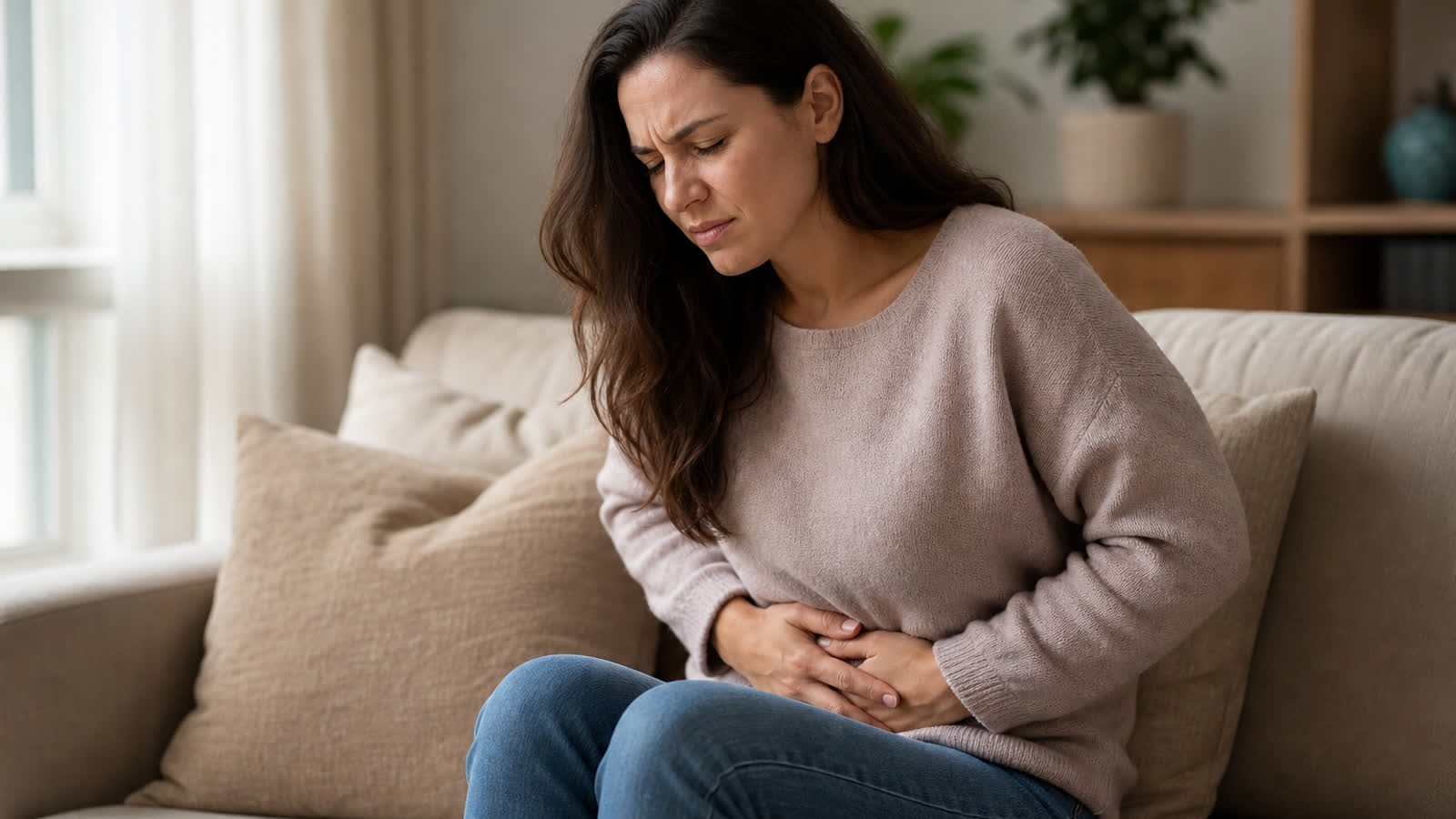
- Stomach pain, nausea, or diarrhea
- Sweating or chills
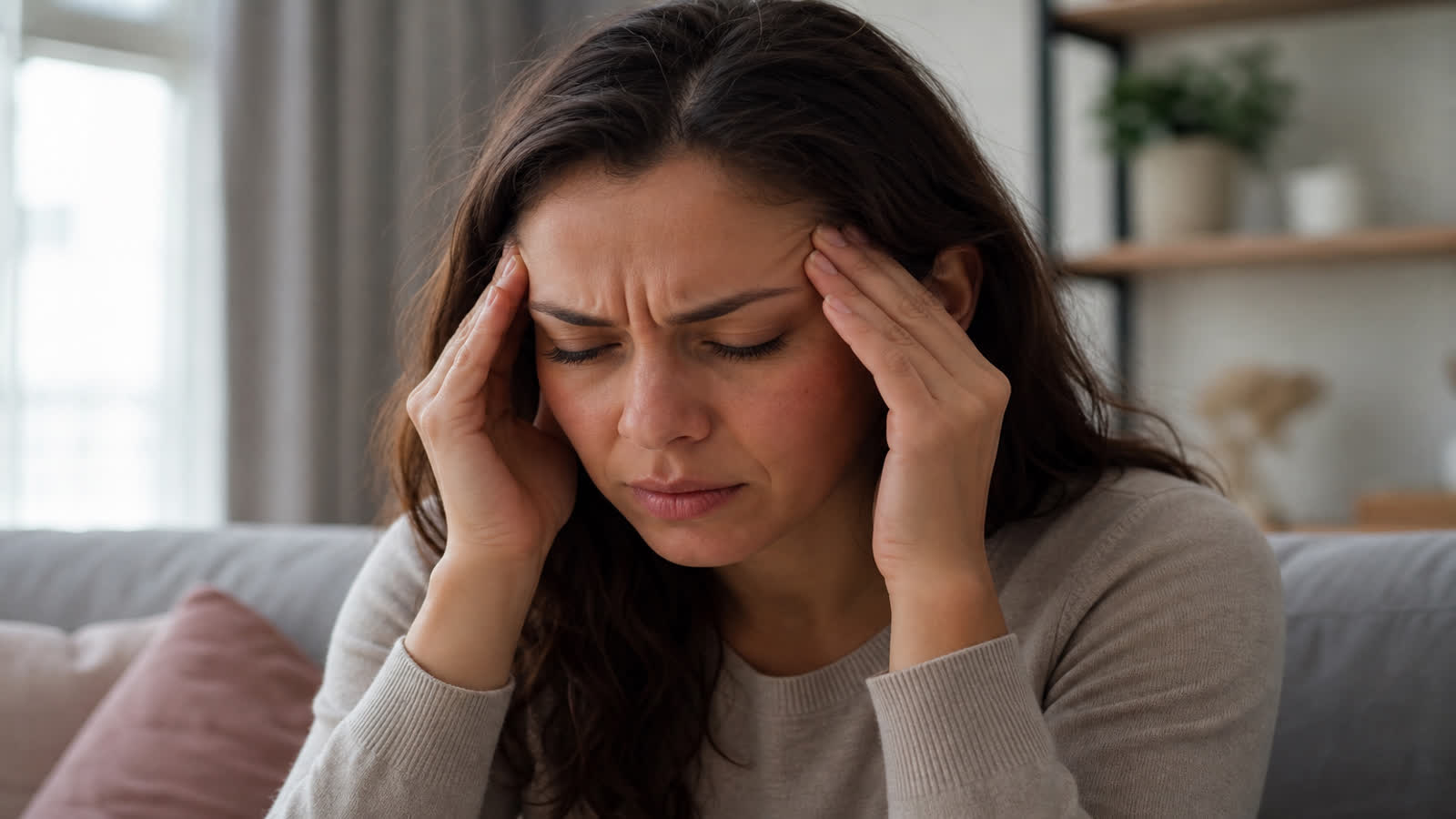
- Headaches
- Muscle tension or trembling
- Fatigue after stress episodes
Why It Happens
Anxiety activates the fight-or-flight response, releasing adrenaline and changing breathing, heart rate, and digestion — even when no immediate danger exists.
When to See a Doctor
Get evaluated if symptoms are new, severe, persistent, or different from your usual pattern — especially chest pain, fainting, or trouble breathing.
Helpful Next Steps
- Practice slow exhale-focused breathing
- Reduce caffeine if it worsens symptoms
- Prioritize sleep and regular meals
- Consider therapy or medical support for recurring anxiety
Medical Disclaimer
This article supports education only and does not replace mental health or medical care.
About the publisher

Rajat
Health & Wellness Editor | Global
Health & Wellness Editor | Global
Rajat edits Symptoms Insight as a practical health publication focused on symptoms, vitamin deficiencies, skincare, wellness habits, and digital health — always encouraging readers to consult qualified healthcare professionals for personal medical decisions.
FAQ
Frequently asked questions
Can anxiety cause physical symptoms?
Yes. Anxiety can trigger rapid heartbeat, chest tightness, shortness of breath, dizziness, nausea, sweating, and muscle tension.
How do I know if symptoms are anxiety or something else?
Similar symptoms can occur in heart, lung, thyroid, or digestive conditions — a clinician can help rule out other causes.
What helps anxiety physical symptoms?
Slow breathing, sleep, regular movement, stress counseling, and medical support when symptoms interfere with daily life can all help.