Medical & editorial notice: Symptoms Insight publishes general health information for educational purposes only. It is not a substitute for professional medical advice, diagnosis, or treatment. Always seek the advice of a qualified healthcare provider with questions about a medical condition.
Review snapshot
What we checked for this guide
Official sources used
Pages checked while updating this article
Introduction
Most health headlines focus on blood pressure being too high, so it can be confusing — even alarming — to see a low number on the monitor. Low blood pressure, or hypotension, is generally defined as a reading below about 90/60 mmHg, but the number alone rarely tells the whole story. For many fit, healthy people, a naturally low reading is completely normal and even good for long-term heart health.
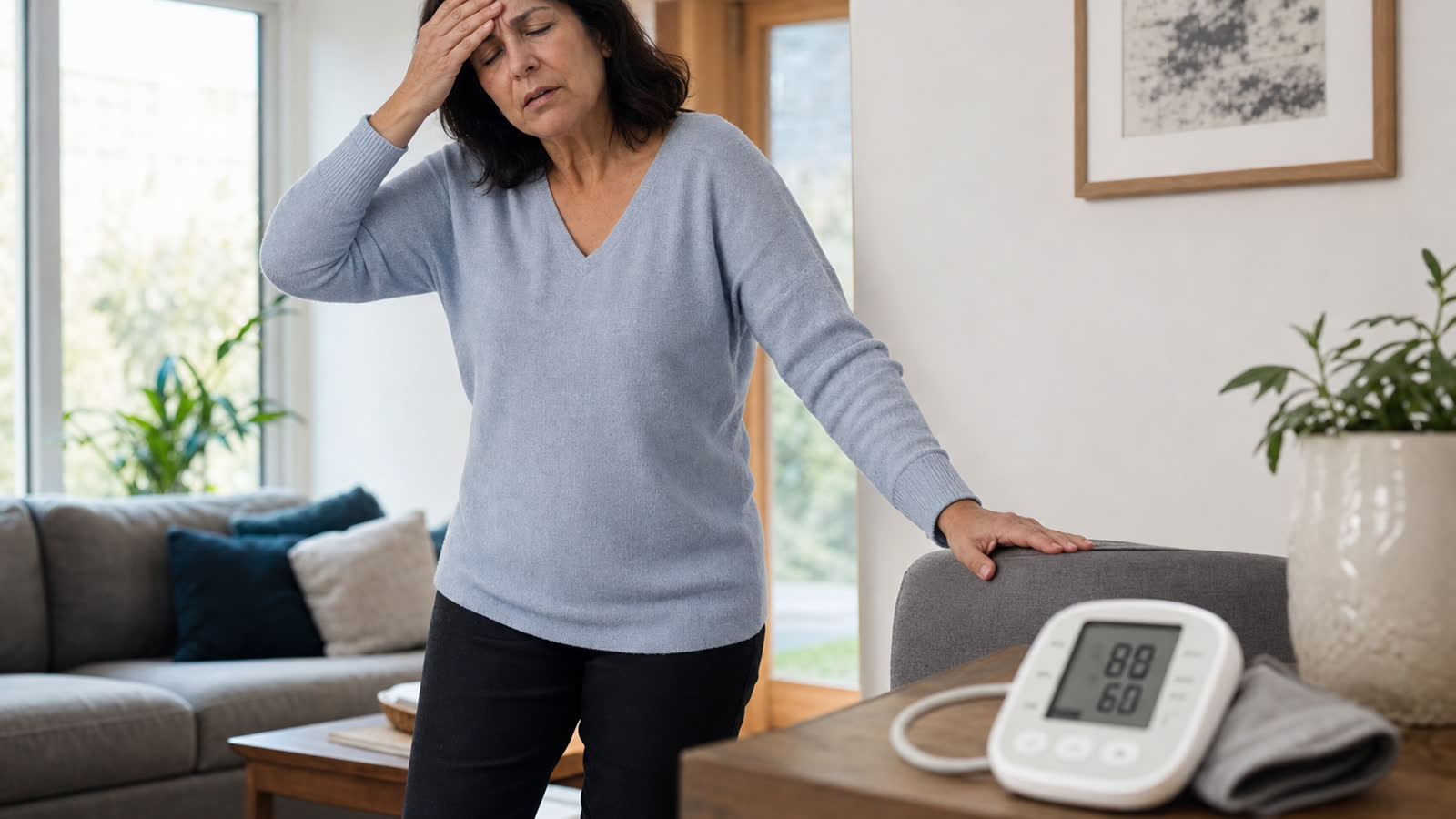
The picture changes when a low reading comes with symptoms — dizziness on standing, fatigue, blurred vision, nausea, or fainting. Those are the moments when there simply isn't enough pressure to push oxygen-rich blood up to your brain, and they are the signs worth paying attention to.
This 2026 pillar guide explains what counts as low blood pressure, the symptoms and causes, when it becomes dangerous, and how to raise it safely — plus exactly when to see a doctor. If dizziness and tiredness are your main concerns, it pairs well with our guides to dehydration and chronic fatigue. For the opposite problem, see our companion piece on high blood pressure symptoms and prevention.
Medical note: This article is for general education only and is not medical advice. It does not diagnose or treat any condition. Do not start, stop, or change any medication or add salt to your diet based on what you read here. Seek emergency care for fainting that does not resolve quickly or for signs of shock.

What Is Low Blood Pressure?
Blood pressure is the force your blood exerts against the walls of your arteries, written as two numbers: systolic (the higher number, when your heart beats) over diastolic (the lower number, when your heart rests between beats). A typical healthy reading sits around 120/80 mmHg.
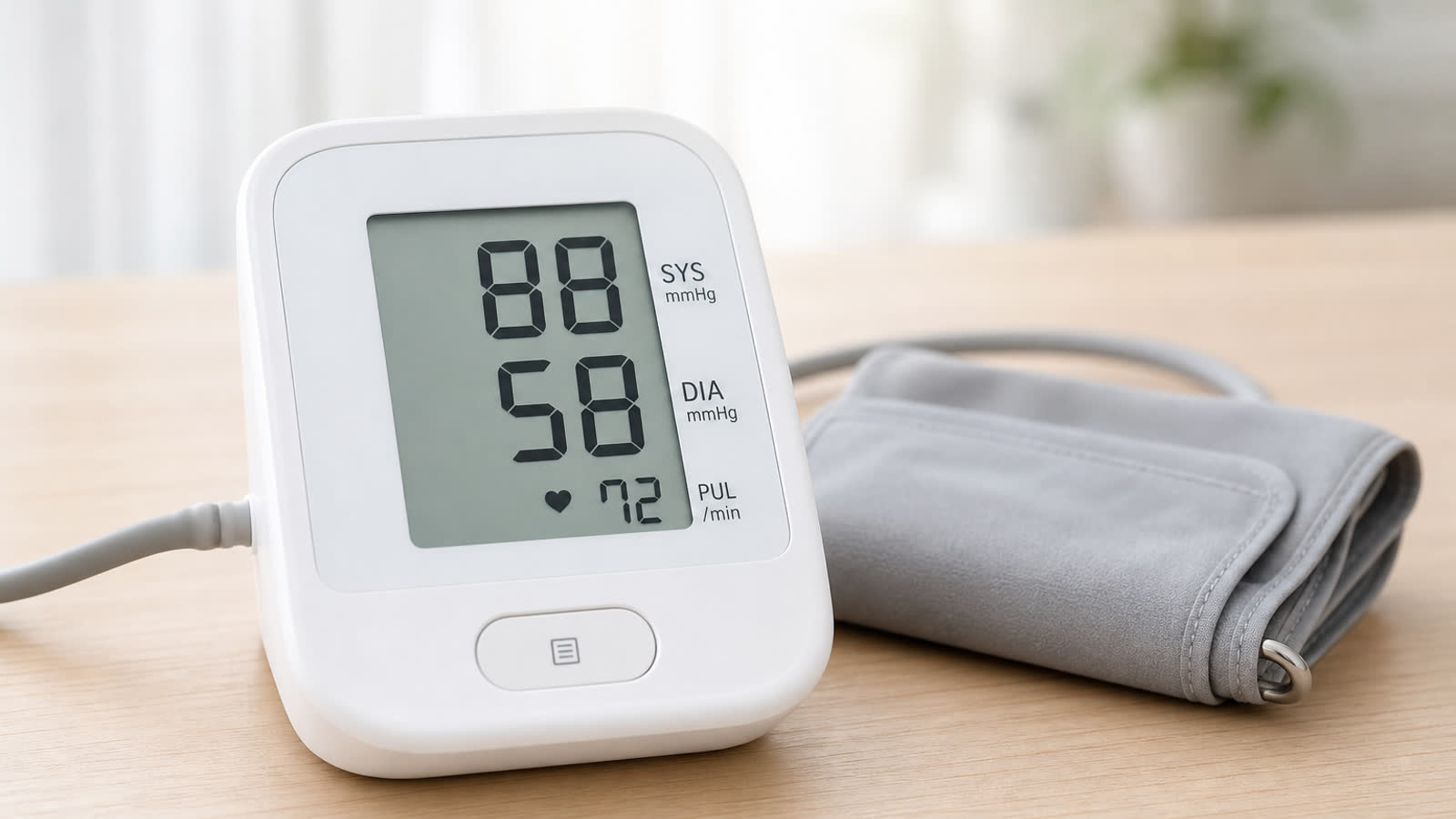
According to the NHLBI, blood pressure is usually classed as low (hypotension) when it falls below about 90/60 mmHg — either number being under threshold can qualify. But here is the crucial part: hypotension is only a medical problem when it produces symptoms. A young, athletic person may sit comfortably at 90/55 and feel great, while someone else may feel faint the moment their pressure dips.
Doctors therefore look at the whole picture — the reading, whether you have symptoms, and whether the pressure has dropped suddenly from your normal baseline. A sudden fall of even 20 mmHg can cause problems, whereas a stable low reading you have always had usually will not. Understanding your own normal range is why home monitoring, done the same way each time, can be so useful.
Common Symptoms of Low Blood Pressure
When blood pressure drops too low, your brain and organs receive less oxygen, and your body sends signals. The most common symptoms include:
- Dizziness or lightheadedness, particularly when standing up
- Fainting (syncope) or feeling like you might pass out
- Blurred, dimming, or "tunneling" vision
- Fatigue and general weakness
- Nausea
- Difficulty concentrating or a "foggy" feeling
- Cold, clammy, pale skin
- Rapid, shallow breathing or a fast pulse
- Unusual thirst
Mild symptoms that come and go with position changes are the most common presentation and are usually manageable. More severe signs — confusion, a weak and rapid pulse, cold clammy skin, and rapid shallow breathing — can indicate shock, a medical emergency covered later in this guide.
Because tiredness and brain fog overlap with many other conditions, low blood pressure is sometimes missed. If persistent exhaustion is your main issue, our guides to chronic fatigue and thyroid symptoms in women are useful companions, since both conditions can overlap with a low reading.
What Causes Low Blood Pressure?
Hypotension is a sign, not a single disease, and it has many possible causes. Broadly, they fall into a few groups.
Everyday and situational triggers
- Dehydration — the most common reversible cause; less fluid means less blood volume and lower pressure
- Standing up quickly — see orthostatic hypotension below
- Prolonged bed rest or long periods of inactivity
- Eating a large meal (postprandial hypotension) as blood diverts to digestion
- Heat — hot weather or a hot bath widens blood vessels
- Alcohol, which dilates blood vessels
Medications
Many drugs can lower blood pressure, sometimes as an intended effect and sometimes as a side effect. Common culprits include diuretics ("water pills"), medicines for high blood pressure, some antidepressants, drugs for Parkinson's disease, and treatments for an enlarged prostate. If symptoms start soon after a new prescription or dose change, that is a strong clue — but never stop a prescribed medicine on your own; ask the prescriber to review it.
Medical causes
- Heart problems — a very slow heart rate, heart valve issues, or heart failure
- Hormonal and thyroid disorders — including an underactive thyroid and adrenal insufficiency
- Diabetes-related nerve damage, which impairs the reflexes that keep pressure steady
- Blood loss from injury or internal bleeding, which sharply reduces blood volume
- Severe infection (sepsis) or a serious allergic reaction (anaphylaxis)
- Anemia and nutrient deficiencies — including low iron, vitamin B12, or folate, which reduce the blood's oxygen-carrying capacity
- Pregnancy, which commonly lowers blood pressure in the first two trimesters
Because the list is long, pinpointing your cause is the single most important step toward the right treatment. Our guides to iron deficiency anemia and magnesium deficiency cover two nutrition-related contributors worth ruling out.

Types of Low Blood Pressure
Not all hypotension is the same. Recognizing the pattern helps explain when your symptoms strike.
- Orthostatic (postural) hypotension — a drop that happens when you stand up. Blood pools in the legs, and if the body's tightening reflex is sluggish you feel dizzy for a few seconds. Common with age, dehydration, medications, and nerve conditions.
- Postprandial hypotension — a drop after eating, most often in older adults, as blood flows to the digestive tract. Smaller, more frequent meals and limiting refined carbs can help.
- Neurally mediated hypotension — a drop after standing for a long time, often in younger people, triggered by a faulty signal between the heart and brain.
- Severe hypotension linked to shock — a dangerous, sudden fall caused by major blood loss, severe infection, or a serious allergic reaction. This is an emergency.
Knowing your type guides the fix — for example, postural hypotension responds well to rising slowly and staying hydrated, while postprandial hypotension improves with meal changes.
How Is Low Blood Pressure Diagnosed?
If symptoms point to hypotension, a doctor will start with a blood pressure measurement, often taken while lying, sitting, and then standing to check for a postural drop. From there, the goal is to find the underlying cause. Depending on your history, that may include:
- Blood tests to check for anemia, blood sugar, thyroid function, and nutrient levels
- An electrocardiogram (ECG) or heart monitoring to look at rhythm and heart function
- An echocardiogram if a structural heart issue is suspected
- A tilt-table test for unexplained fainting, which safely reproduces the position change under monitoring
- A medication review, since drugs are such a frequent cause
Keeping a simple log — your readings, the time of day, what you were doing, and any symptoms — gives your clinician valuable clues. Consistent home monitoring habits make that record far more reliable.
How to Treat and Manage Low Blood Pressure
The right treatment depends entirely on the cause. When hypotension is mild or situational, simple lifestyle measures resolve most cases. The Mayo Clinic and NIH highlight several practical strategies.
Stay well hydrated
Fluids increase blood volume, which raises pressure. Drink steadily through the day rather than in large gulps, and increase intake in hot weather, during exercise, or when you are unwell. Watch for the warning signs of dehydration — dark urine, intense thirst, and a dry mouth — and act early.
Stand up slowly
If you get dizzy on rising, change positions in stages: sit up, pause, sit on the edge of the bed, then stand. Flexing your calf muscles or crossing your legs before standing can nudge blood upward and blunt the drop.
Adjust meals and salt (with guidance)
- Eat smaller, more frequent meals to limit post-meal drops, and go easy on refined carbohydrates.
- Your doctor may suggest modestly increasing salt intake, since sodium raises blood pressure — but only do this under medical advice, as too much salt is harmful, especially for the heart and kidneys.
- Limit alcohol, which dehydrates and dilates blood vessels.
Use compression and movement
Compression stockings reduce the blood that pools in your legs and can ease postural symptoms. Regular, gentle activity supports healthy circulation, while long periods of standing still are best broken up with movement.
Treat the underlying cause
If a medication is responsible, your doctor may adjust the dose or switch drugs. If anemia or a nutrient deficiency is the driver, correcting it — for example treating iron or B12 deficiency — often resolves the problem. For select cases, doctors can prescribe medicines such as fludrocortisone or midodrine to raise blood pressure. Because stress and poor sleep can worsen how you feel day to day, our guides to lowering cortisol naturally and better sleep are helpful supporting reads.


What to Do During a Fainting Spell
If you feel faint or lightheaded, act fast to get blood back to your brain:
- Sit or lie down immediately — do not try to push through it.
- If lying down, raise your legs above heart level.
- If you must stay upright, cross your legs and squeeze, or sit and put your head between your knees.
- Sip water once you feel steadier.
- Get up slowly afterward, and rest before returning to activity.
If someone else faints, lay them down, raise their legs, and check they are breathing. If they do not come round within a minute or so, or they hit their head, call emergency services. Recurrent fainting always deserves medical assessment because of the risk of injury and the possibility of a heart or neurological cause.
Low vs High Blood Pressure at a Glance
| Low blood pressure (hypotension) | High blood pressure (hypertension) | |
|---|---|---|
| Typical reading | Below ~90/60 mmHg | 130/80 mmHg or higher |
| Common symptoms | Dizziness, fainting, fatigue, blurred vision | Often none ("silent"); headaches if severe |
| Main short-term risk | Falls, fainting, shock if severe | Rarely acute unless a hypertensive crisis |
| Main long-term risk | Usually low if symptom-free | Heart attack, stroke, kidney damage |
| Frequent triggers | Dehydration, medications, standing up | Salt, weight, inactivity, genetics |
Both extremes are worth understanding. If your readings tend to run high instead, see our detailed guide to high blood pressure symptoms, causes, and prevention.
When Is Low Blood Pressure an Emergency?
Most hypotension is harmless, but a severe or sudden drop can cause shock, where organs are starved of oxygen. Call emergency services immediately if you or someone else shows signs of shock:
- Confusion, especially in older people
- Cold, clammy, pale, or bluish skin
- Rapid, shallow breathing
- A weak and rapid pulse
- Fainting that does not quickly resolve
Also seek prompt medical care if low blood pressure appears alongside chest pain, shortness of breath, an irregular heartbeat, a high fever, severe headache, or signs of significant bleeding. These combinations can point to a heart, infection, or blood-loss emergency rather than simple hypotension. When in doubt, err on the side of getting checked — symptoms, not the number, are what signal danger.

When to See a Doctor
Book an appointment if you have:
- Repeated dizziness, fatigue, blurred vision, or fainting
- A consistently low reading together with symptoms
- Symptoms that start after a new medication or dose change
- Low blood pressure alongside possible anemia, thyroid, or heart concerns
A doctor can measure your pressure in different positions, review your medicines, run blood and heart tests, and identify treatable causes. Many people find their symptoms overlap with other conditions — such as anxiety's physical symptoms, migraine, or early diabetes — so a proper assessment is worthwhile.
Key Takeaways
- Low blood pressure is a reading below about 90/60 mmHg, but it is only a medical concern when it causes symptoms or drops suddenly.
- The hallmark symptoms are dizziness on standing, fatigue, blurred vision, and fainting.
- Common causes include dehydration, medications, standing up quickly, eating large meals, and underlying heart, hormone, or blood conditions.
- Most cases respond to simple measures: hydrate well, stand up slowly, eat smaller meals, use compression stockings, and treat the underlying cause.
- Increase salt only with a doctor's approval, and never stop a prescribed medicine on your own.
- Call emergency services for signs of shock — confusion, cold clammy skin, rapid shallow breathing, and a weak rapid pulse.
Explore Related Guides
- High Blood Pressure: Symptoms, Causes & Prevention
- Dehydration: Symptoms, Causes & Treatment
- Chronic Fatigue Syndrome: Symptoms, Causes & Treatment
- Thyroid Symptoms in Women: Causes & Treatment
- Iron Deficiency Anemia: Symptoms, Causes & Treatment
- Vitamin B12 Deficiency: Symptoms, Causes & Treatment
- Vitamin B12 vs Folate Deficiency: How to Tell the Difference
- Magnesium Deficiency: Symptoms, Causes & Treatment
- How to Lower Cortisol Naturally: Stress Hormone Guide
- Best Sleep Hygiene Tips for Better Rest
- Anxiety's Physical Symptoms Explained
- Migraine vs Headache: How to Tell the Difference
- Early Diabetes Symptoms & Warning Signs
- Daily Wellness Habits for Better Energy
- Browse the Symptoms & Conditions hub
- Explore Vitamin Deficiency & Nutrition and Wellness & Lifestyle
Medical Disclaimer
Symptoms Insight publishes general health information for educational purposes only. It is not a substitute for professional medical advice, diagnosis, or treatment, and it cannot diagnose or cure any condition. A low blood pressure reading may be perfectly normal for you or may signal an underlying problem — only a qualified clinician can tell the difference for your situation. Do not start, stop, or change any medication, and do not increase your salt intake, based on what you read here. Always consult a healthcare provider about your individual circumstances, especially if you are pregnant, take regular medication, or have a heart, kidney, or hormonal condition. Seek emergency care immediately for fainting that does not quickly resolve or for signs of shock. Never disregard professional medical advice or delay seeking it because of something you have read here.
About the publisher

Rajat
Health & Wellness Editor | Global
Health & Wellness Editor | Global
Rajat edits Symptoms Insight as a practical health publication focused on symptoms, vitamin deficiencies, skincare, wellness habits, and digital health — always encouraging readers to consult qualified healthcare professionals for personal medical decisions.
FAQ
Frequently asked questions
What is considered low blood pressure?
Blood pressure is generally considered low, or hypotension, when the reading falls below about 90/60 mmHg — meaning a systolic (top) number under 90 or a diastolic (bottom) number under 60. However, a low reading only matters clinically if it causes symptoms such as dizziness, fatigue, or fainting. Many healthy people, especially fit young adults, naturally run at 90/60 or slightly lower and feel completely fine, and for them it is not a problem. Doctors focus on the combination of a low number plus symptoms or a sudden drop, rather than the number alone. Context matters too, since a reading that is normal for you at rest may be dangerously low during illness, dehydration, or blood loss.
What are the main symptoms of low blood pressure?
The most common symptoms are dizziness or lightheadedness, especially when standing up quickly, along with fatigue, blurred or dimming vision, nausea, difficulty concentrating, and in more severe cases fainting. Some people notice cold, clammy, pale skin, a rapid or shallow pulse, and unusual thirst. Symptoms happen because there is not enough pressure to push blood — and therefore oxygen — up to the brain and around the body. If a very low pressure causes confusion, a weak rapid pulse, and cold clammy skin, it can signal shock, which is a medical emergency. Mild symptoms that come and go with position changes are far more common and are usually manageable with simple measures.
What causes low blood pressure?
Low blood pressure has many possible causes. Common triggers include dehydration, standing up too quickly (orthostatic hypotension), prolonged bed rest, and eating a large meal, which diverts blood to the digestive system. Medications are a frequent cause, including diuretics, some antidepressants, and drugs for high blood pressure, Parkinson's disease, or an enlarged prostate. Medical causes include heart problems, hormonal or thyroid disorders, adrenal issues, diabetes-related nerve damage, blood loss, severe infection, and nutrient deficiencies such as low vitamin B12 or folate that cause anemia. Pregnancy commonly lowers blood pressure, and some people faint in response to stress, pain, or the sight of blood. Identifying the cause is the key to the right treatment.
Is low blood pressure dangerous?
For most people who feel well, a naturally low blood pressure is not dangerous and may even be protective for the heart and blood vessels over time. It becomes a concern when it causes symptoms or drops suddenly. Repeated dizziness or fainting raises the risk of falls and injury, which is especially serious for older adults. A very sharp or severe drop can starve vital organs of oxygen and lead to shock — marked by confusion, a rapid weak pulse, rapid shallow breathing, and cold clammy skin — which is life-threatening and needs emergency care. So the honest answer is that low blood pressure is usually harmless but occasionally serious, and symptoms are the signal that decides which it is.
How can I raise low blood pressure quickly at home?
If you feel faint, the fastest step is to sit or lie down and, if you can, raise your legs above heart level to help blood return to your brain. Sip water, since dehydration is a common trigger, and avoid standing back up too quickly. Over the longer term, drink more fluids through the day, do not skip meals, add a little more salt if your doctor approves, and stand up slowly in stages. Wearing compression stockings, eating smaller and more frequent meals, and limiting alcohol also help. These simple measures resolve most mild cases, but if you faint fully, injure yourself, or symptoms keep recurring, see a doctor rather than self-treating.
What is orthostatic (postural) hypotension?
Orthostatic or postural hypotension is a drop in blood pressure that happens when you stand up from sitting or lying down. Normally your body tightens blood vessels and slightly speeds the heart to keep pressure steady as you rise. When that reflex is sluggish, blood pools in the legs, pressure falls, and you feel dizzy, lightheaded, or briefly see spots for a few seconds until it corrects. It becomes more common with age, dehydration, certain medications, prolonged bed rest, and nerve conditions such as diabetes-related neuropathy. The classic fix is to change positions slowly, sit on the edge of the bed before standing, stay well hydrated, and review any medications with your doctor.
Can dehydration cause low blood pressure?
Yes. Dehydration is one of the most common and reversible causes of low blood pressure. When you lose more fluid than you take in — through inadequate drinking, heavy sweating, fever, vomiting, or diarrhea — your blood volume drops, and less volume means lower pressure. This can cause weakness, dizziness, and fainting, and severe dehydration can progress to a dangerous state called hypovolemic shock. The good news is that mild cases usually respond quickly to steady fluid intake. Watch for warning signs such as dark urine, intense thirst, a dry mouth, and lightheadedness, and rehydrate before symptoms worsen. In severe cases, especially with ongoing vomiting or diarrhea, medical fluids may be needed.
When should I see a doctor about low blood pressure?
See a doctor if low blood pressure causes repeated dizziness, fatigue, blurred vision, or fainting, or if you get a consistently low reading alongside symptoms. Book an urgent appointment if symptoms start after beginning a new medication, or if you also have chest pain, shortness of breath, an irregular heartbeat, or signs of dehydration or bleeding. Call emergency services immediately for signs of shock — confusion, a weak and rapid pulse, rapid shallow breathing, and cold, clammy, pale skin — or if someone faints and does not quickly recover. A doctor can find the underlying cause, review your medications, and rule out heart, hormone, or blood-related problems.