Medical & editorial notice: Symptoms Insight publishes general health information for educational purposes only. It is not a substitute for professional medical advice, diagnosis, or treatment. Always seek the advice of a qualified healthcare provider with questions about a medical condition.
Review snapshot
What we checked for this guide
Official sources used
Pages checked while updating this article
Introduction
Nearly everyone gets a headache now and then, but for many people the pain is something more disruptive: a migraine. Telling the two apart matters, because they have different causes, different treatments, and — occasionally — different warning signs. If you have ever wondered whether your pounding head is "just a headache" or an actual migraine, this guide will help you understand the difference and know what to do about it.
The short version is this: a headache is a symptom, while a migraine is a neurological condition that usually includes a headache along with other symptoms like nausea, visual changes, and extreme sensitivity to light and sound. Learning to recognize the pattern of your own head pain is the first step toward faster relief, smarter prevention, and knowing when to see a doctor.
This 2026 pillar guide explains migraine vs headache in plain language — how the pain differs, the phases of a migraine attack, common triggers, treatment and prevention options, and the red flags you should never ignore. If fatigue, stress, or other symptoms tend to travel with your headaches, you may also want to read our guides on chronic fatigue and the physical symptoms of anxiety.
Medical note: This article is for general education only and is not medical advice. Head pain has many causes, some of which are serious. If your headaches are new, severe, changing, or accompanied by neurological symptoms, seek care from a qualified healthcare provider promptly.

What Is a Headache?
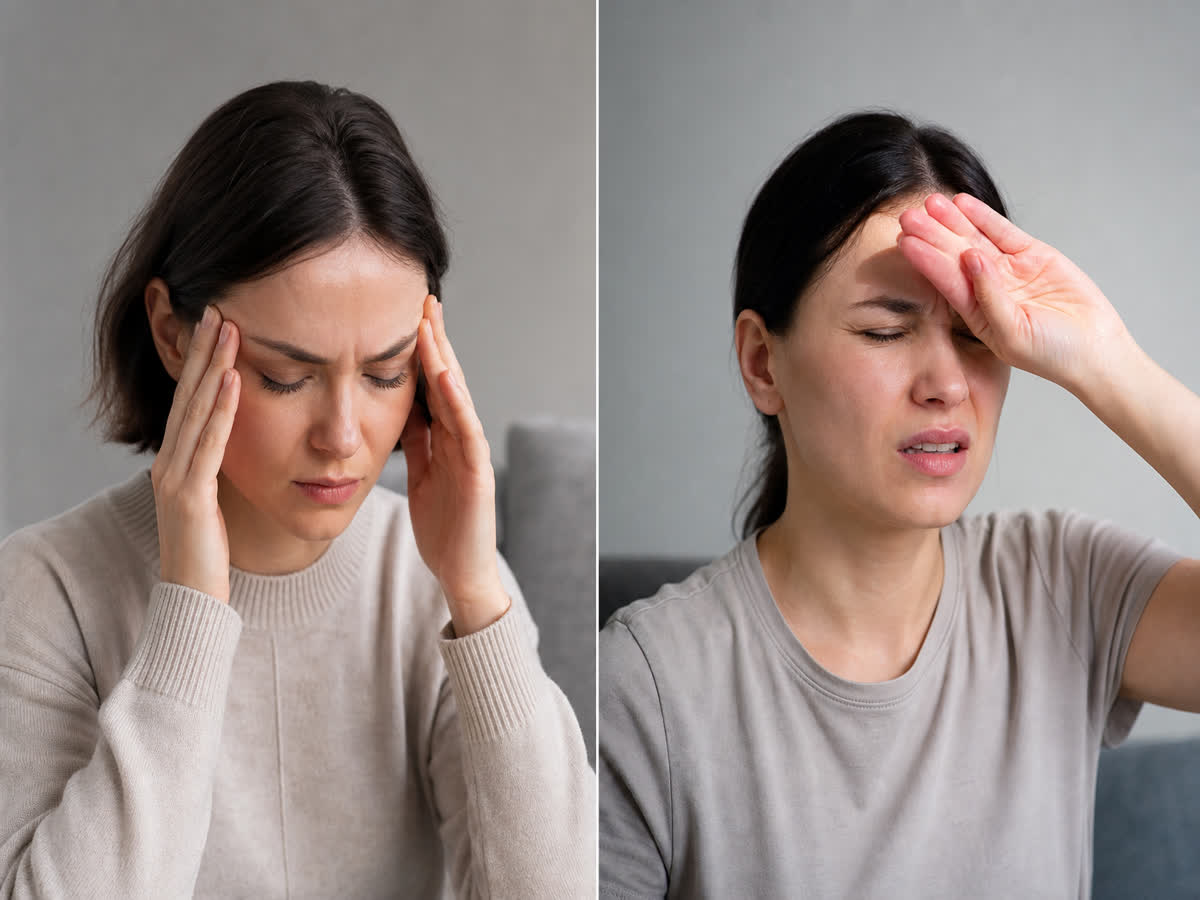
A headache is simply pain or discomfort in the head, scalp, or upper neck. It is one of the most common health complaints in the world, and most headaches are primary headaches, meaning they are not caused by another disease. The three main types of primary headache are tension-type headaches, migraines, and cluster headaches.
Tension-type headache (the most common)
The everyday headache most people experience is a tension-type headache. It typically feels like:
- A dull, aching pressure or tightness
- A sensation like a tight band squeezing around the head
- Pain on both sides, often across the forehead or the back of the head and neck
- Mild to moderate intensity that usually lets you keep functioning
- No nausea and little sensitivity to light or sound
Tension headaches are often linked to stress, poor posture, screen strain, jaw clenching, dehydration, and lack of sleep. They tend to build gradually and ease with rest, hydration, or a simple pain reliever.
Other headache types
- Cluster headaches — rare but extremely severe, causing sharp, burning pain around one eye in cyclical "clusters," often with a watery eye or stuffy nostril on the same side.
- Sinus headaches — pain and pressure across the cheeks, forehead, and bridge of the nose, usually during a sinus infection. (Many self-diagnosed "sinus headaches" are actually migraines.)
- Secondary headaches — head pain caused by something else, such as infection, high blood pressure, injury, or medication overuse. Our guide to high blood pressure symptoms explains one cause worth ruling out.
What Is a Migraine?
A migraine is far more than a bad headache. It is a neurological disorder involving changes in brain activity, nerve pathways, and blood flow that produce a distinct, often disabling set of symptoms. According to the National Institute of Neurological Disorders and Stroke, migraine is one of the most common and disabling conditions worldwide.
The classic migraine headache is:
- Throbbing or pulsing rather than a steady ache
- Often on one side of the head (though it can be both)
- Moderate to severe in intensity
- Worsened by movement, physical activity, light, sound, or smells
But the headache is only part of the picture. A migraine attack commonly includes:
- Nausea and sometimes vomiting
- Sensitivity to light (photophobia) and sound (phonophobia)
- Sensitivity to smells (osmophobia)
- A need to lie down in a dark, quiet room
- Fatigue, dizziness, and difficulty concentrating
That is why people with migraine often cannot simply "push through" — the whole nervous system is affected. The WHO recognizes migraine as a leading cause of years lived with disability, especially among younger adults and women.
Migraine vs Headache: The Key Differences
Here is the side-by-side comparison most people are looking for. Use it as a quick reference, but remember that symptoms can overlap.
| Feature | Tension Headache | Migraine |
|---|---|---|
| Pain type | Dull, steady pressure | Throbbing, pulsing |
| Location | Both sides, band-like | Often one side |
| Intensity | Mild to moderate | Moderate to severe |
| Duration | 30 min to a few hours | 4 to 72 hours |
| Nausea/vomiting | Rare | Common |
| Light/sound sensitivity | Minimal | Strong |
| Aura (visual/sensory) | No | Sometimes |
| Worsens with activity | Not usually | Yes |
| Ability to function | Usually can carry on | Often disabling |
| Warning phase | No | Common (prodrome) |
The simplest tell: a tension headache is a pressure you can usually work through, while a migraine is a throbbing, whole-body event that makes you want to shut out the world. If your "headaches" repeatedly force you to stop what you are doing and lie down, they are probably migraines.
The 4 Phases of a Migraine Attack
Unlike a tension headache, a migraine often unfolds in stages. Not everyone experiences all four, but recognizing them helps you treat attacks earlier.
1. Prodrome (warning phase)
Hours to a day or two before the pain, subtle signs may appear:
- Mood changes, irritability, or feeling unusually "up"
- Food cravings or loss of appetite
- Neck stiffness
- Frequent yawning
- Fatigue and trouble concentrating
- Increased thirst and urination
Learning to spot your prodrome is powerful — treating a migraine here can sometimes stop it in its tracks.
2. Aura (in some people)
Aura affects roughly a quarter to a third of people with migraine. It usually develops over about five minutes and lasts up to an hour, and may include:
- Visual disturbances — zigzag lines, flashing lights, shimmering spots, or blind areas
- Tingling or numbness spreading up an arm or across the face
- Difficulty speaking or finding words
- A sense of confusion
Because these symptoms can resemble a stroke, a first-ever aura or a sudden severe one should always be evaluated urgently.
3. Headache (attack phase)
This is the main event — the throbbing pain, nausea, and sensitivity described above, lasting anywhere from 4 to 72 hours. Movement, light, and sound typically make it worse.
4. Postdrome (the migraine "hangover")
After the pain fades, many people feel drained, foggy, and washed out for a day. Gentle rest, hydration, and easing back into activity help recovery.

What Triggers Migraines and Headaches?
Both migraines and tension headaches are usually set off by triggers, and most attacks happen when several triggers stack up at once. Common culprits include:
- Stress — and, oddly, the "let-down" period right after stress eases (weekend migraines are a classic example)
- Sleep problems — too little, too much, or an irregular schedule; see our sleep hygiene tips
- Skipped meals and low blood sugar
- Dehydration — a very common and fixable trigger, covered in our dehydration guide
- Hormonal changes around menstruation, pregnancy, or menopause
- Caffeine — both too much and sudden withdrawal
- Alcohol, especially red wine
- Certain foods — aged cheese, processed and cured meats, and some additives
- Bright or flickering light, loud noise, and strong smells
- Weather and barometric pressure changes
- Screen strain and poor posture (a major tension-headache driver)
Because stress sits at the center of so many attacks, managing it with proven stress-relief techniques is one of the highest-value things you can do. Keeping a headache diary — noting timing, foods, sleep, stress, and your cycle — is the best way to uncover your personal pattern.

How Are Migraines and Headaches Treated?
Treatment depends on the type, frequency, and severity of your head pain.
Treating a tension headache
Most tension headaches respond to simple measures:
- Over-the-counter pain relievers — ibuprofen, naproxen, aspirin, or acetaminophen
- Rest, hydration, and a short break from screens
- Heat or cold on the neck and shoulders
- Gentle stretching, posture correction, and stress relief
Treating a migraine
Migraine treatment falls into two categories — stopping an attack (acute) and reducing how often they happen (preventive).
Acute (abortive) treatment:
- OTC pain relievers for mild attacks, taken as early as possible
- Triptans — prescription drugs designed specifically to stop migraine attacks
- Newer targeted medicines (gepants and ditans) that block migraine pathways
- Anti-nausea medication when nausea or vomiting is significant
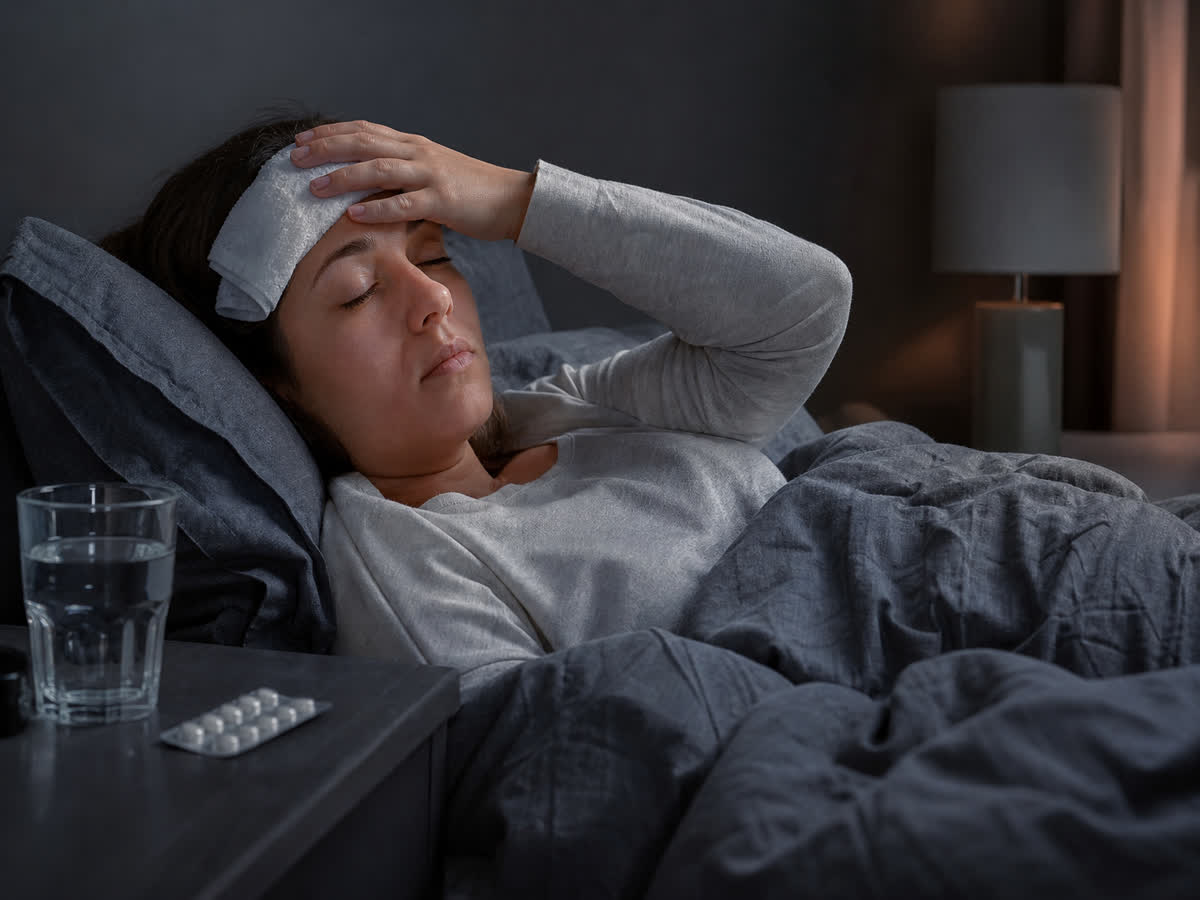
- Resting in a dark, quiet room with a cool cloth
Preventive treatment (for frequent or disabling migraines) may include prescription medications, CGRP monoclonal antibody injections, Botox for chronic migraine, and lifestyle changes. The Mayo Clinic notes that people who have migraine on several days a month, or whose attacks are severe, are good candidates for a preventive plan.
A warning about medication-overuse headaches
Taking acute painkillers too often — more than about 10 to 15 days a month — can cause medication-overuse (rebound) headaches that trap you in a worsening cycle. If you find yourself reaching for painkillers most days, that is a signal to see a doctor about a preventive approach rather than more pills.
How to Prevent Headaches and Migraines
Prevention is where you can make the biggest difference in your quality of life. The foundations are the same daily habits that support overall health:
- Keep a consistent sleep schedule — go to bed and wake at similar times, even on weekends
- Eat regular, balanced meals and don't skip them
- Stay hydrated throughout the day
- Exercise moderately and regularly — but ease into it, since sudden intense exercise can trigger some people
- Manage stress with breathing, mindfulness, or downtime built into your week
- Limit alcohol and monitor caffeine so it stays steady rather than swinging up and down
- Reduce screen strain with breaks, good posture, and proper lighting
Building these into a broader routine of daily wellness habits pays off over time. Some people also benefit from supplements such as magnesium, riboflavin (vitamin B2), or coenzyme Q10 for migraine prevention — our magnesium deficiency guide explains why low magnesium is linked to headaches. Always check with your doctor before starting a supplement, especially if you take other medications.
The headache diary
The single most useful prevention tool is a headache diary. For a few weeks, record:
- When each headache started and stopped
- The pain type, location, and severity
- What you ate, how you slept, and your stress level
- For women, where you are in your menstrual cycle
- What you took and whether it helped
Patterns quickly emerge, letting you avoid triggers and give your doctor valuable information.
Migraine, Hormones, and Why Women Are Affected More
Migraine is two to three times more common in women than men, and hormones are the main reason. Estrogen influences the brain pathways involved in migraine, so many women notice attacks clustering around:
- Menstruation — "menstrual migraine" often strikes in the days just before or during a period, when estrogen drops
- Pregnancy — migraines often improve in later pregnancy but can flare early on
- Perimenopause and menopause — fluctuating hormones can worsen attacks before they eventually settle
If your migraines follow a monthly pattern, tracking them against your cycle helps your doctor tailor treatment, which may include timing medication around your period. Because thyroid and hormonal issues can also affect energy and headaches, our guide to thyroid symptoms in women is a useful companion read.
When to See a Doctor: Headache Red Flags
Most headaches and migraines are not dangerous, but certain symptoms — sometimes remembered with the acronym SNOOP — warrant urgent medical attention. Seek emergency care if a headache comes with:
- A sudden, explosive "thunderclap" headache that peaks within seconds, or the worst headache of your life
- Fever with a stiff neck, rash, or confusion
- Weakness, numbness, drooping face, trouble speaking, or vision loss
- A headache after a head injury
- Seizures or fainting
Also make a non-emergency appointment if you have:
- A new type of headache after age 50
- Headaches that are getting steadily worse over days or weeks
- Headaches that wake you from sleep or are worst first thing in the morning
- Head pain triggered by coughing, sneezing, straining, or exertion
- Headaches that are becoming more frequent or no longer respond to your usual treatment
- Any headache during pregnancy with swelling or high blood pressure
These red flags are uncommon, but they can point to serious causes that need prompt evaluation. When in doubt, get checked — it is always better to be reassured. If reaching a clinic is difficult, our roundup of the best telemedicine apps can help you talk to a provider quickly.

Myths vs Facts About Migraines and Headaches
| Myth | Fact |
|---|---|
| "A migraine is just a bad headache." | Migraine is a neurological condition; the headache is only one part of the attack. |
| "If it's not one-sided, it's not a migraine." | Migraines can be on both sides; location alone doesn't rule it out. |
| "Only stress causes headaches." | Sleep, meals, hormones, dehydration, and weather are all major triggers too. |
| "You just have to tough migraines out." | Effective acute and preventive treatments exist — you don't have to suffer. |
| "Painkillers are always safe for headaches." | Overusing them can cause rebound headaches that make things worse. |
| "Migraines are all in your head / not real." | Migraine is a recognized, disabling medical condition with a biological basis. |
Managing head pain, like most health goals, rewards consistency over intensity — steady sleep, hydration, meals, and stress control do more than any single quick fix.
Key Takeaways
- A headache is a symptom; a migraine is a neurological condition that includes a headache plus other symptoms.
- Tension headaches are dull, band-like pressure on both sides that you can usually work through.
- Migraines are throbbing, often one-sided, and come with nausea and sensitivity to light and sound — frequently disabling.
- Migraines unfold in phases — prodrome, optional aura, headache, and postdrome — and last 4 to 72 hours.
- Triggers stack up: stress, sleep changes, skipped meals, dehydration, hormones, alcohol, and light are common.
- Treatment ranges from OTC relievers to triptans and CGRP medicines; avoid overusing painkillers.
- Prevention relies on consistent sleep, meals, hydration, stress management, and a headache diary.
- Know the red flags — thunderclap pain, neurological symptoms, fever with stiff neck, or a new headache after 50 need urgent care.
Explore Related Guides
- Chronic Fatigue Syndrome: Symptoms, Causes & Treatment
- Anxiety: Physical Symptoms Explained
- Dehydration: Symptoms, Causes & Treatment
- High Blood Pressure Symptoms, Causes & Prevention
- Magnesium Deficiency: Symptoms, Causes & Treatment
- How to Lower Cortisol Naturally
- Stress Management Techniques That Work
- Best Sleep Hygiene Tips for Better Rest
- Daily Wellness Habits for Better Energy
- Thyroid Symptoms in Women: Causes & Treatment
- Best Telemedicine Apps for Everyday Care
- Browse the Symptoms & Conditions hub
- Explore Wellness & Lifestyle and Vitamin Deficiency & Nutrition
Medical Disclaimer
Symptoms Insight publishes general health information for educational purposes only. It is not a substitute for professional medical advice, diagnosis, or treatment. Headaches and migraines have many possible causes, some of them serious. Never ignore red-flag symptoms such as sudden severe head pain, neurological changes, fever with a stiff neck, or a new headache after age 50. Always consult a qualified healthcare provider about your individual symptoms, before starting any medication or supplement, and if your headaches are new, worsening, frequent, or interfering with your life. Never disregard professional medical advice or delay seeking it because of something you have read here.
About the publisher

Rajat
Health & Wellness Editor | Global
Health & Wellness Editor | Global
Rajat edits Symptoms Insight as a practical health publication focused on symptoms, vitamin deficiencies, skincare, wellness habits, and digital health — always encouraging readers to consult qualified healthcare professionals for personal medical decisions.
FAQ
Frequently asked questions
What is the main difference between a migraine and a headache?
A headache is a symptom — pain anywhere in the head or face — while a migraine is a specific neurological condition that usually includes a headache as one part of a larger attack. The pain of a tension headache tends to be a dull, steady, band-like pressure on both sides of the head, and you can often carry on with your day. A migraine is usually a throbbing or pulsing pain, often on one side, that is moderate to severe and frequently comes with nausea, vomiting, and strong sensitivity to light and sound. Migraines can also involve warning signs beforehand and can last from several hours to three days.
How do I know if my headache is actually a migraine?
Ask yourself a few quick questions. Is the pain throbbing or pulsing rather than a steady squeeze? Is it mainly on one side of your head? Does it get worse with movement, light, sound, or smells? Do you feel nauseated or need to lie down in a dark, quiet room? Does it stop you from working or doing normal tasks? If you answer yes to several of these, a migraine is likely rather than a simple tension headache. Doctors often use a short screening tool called ID Migraine, which checks for nausea, light sensitivity, and disability, to help make the distinction.
What does a migraine aura feel like?
An aura is a set of temporary neurological symptoms that appear before or during a migraine, usually building over about five minutes and lasting up to an hour. The most common aura is visual — flickering lights, zigzag lines, shimmering spots, or blind patches in your vision. Some people also get tingling or numbness that spreads up an arm or across the face, difficulty speaking clearly, or a feeling of confusion. About a quarter to a third of people with migraine experience aura. Because aura symptoms can mimic a stroke, a sudden severe aura the first time it happens should always be checked urgently.
What are the most common migraine triggers?
Triggers vary from person to person, but common ones include stress or the relief period right after stress, skipped meals, dehydration, poor or irregular sleep, hormonal changes around menstruation, bright or flickering lights, strong smells, weather and pressure changes, alcohol especially red wine, caffeine changes, and certain foods like aged cheese, processed meats, and foods containing additives. Keeping a headache diary for a few weeks helps you spot your personal patterns. Most attacks are set off by a combination of triggers stacking up rather than a single cause.
How long does a migraine last compared to a regular headache?
A tension headache often lasts from about 30 minutes to a few hours, though it can linger for a day. A migraine attack typically lasts anywhere from 4 to 72 hours if it is not treated effectively. Migraines also unfold in phases — a warning phase, an optional aura, the main headache, and a recovery or hangover phase that can leave you drained and foggy for a day afterward. If a severe headache lasts longer than 72 hours without relief, it is called status migrainosus and needs medical attention.
Can I treat a migraine with over-the-counter painkillers?
Mild migraines sometimes respond to over-the-counter options such as ibuprofen, naproxen, aspirin, or acetaminophen, especially when taken early in the attack. However, moderate to severe migraines often need prescription medicines called triptans or newer drugs that target the migraine pathway directly. It is important not to overuse painkillers, because taking them more than about 10 to 15 days per month can cause medication-overuse headaches that make the problem worse. If you rely on painkillers frequently, see a doctor about preventive treatment instead.
When should I worry that a headache is serious?
Seek urgent care for a sudden thunderclap headache that peaks within seconds, the worst headache of your life, or a headache with fever and a stiff neck, confusion, weakness, numbness, drooping face, trouble speaking, vision loss, or after a head injury. Also see a doctor promptly for a new headache after age 50, headaches that steadily worsen over days or weeks, headaches that wake you from sleep, or ones triggered by coughing or straining. These red flags are uncommon, but they can signal serious problems that need immediate evaluation rather than home treatment.
Are migraines hereditary or more common in women?
Both are true. Migraine strongly runs in families, and if one or both parents have migraine, your risk is significantly higher, which points to a genetic component in how the brain and nervous system respond to triggers. Migraine is also about two to three times more common in women than in men, largely because of the influence of estrogen. Many women notice attacks clustering around their period, pregnancy, or menopause. This hormonal link is why some people develop menstrual migraine that follows a predictable monthly pattern.
Can lifestyle changes actually prevent migraines?
Yes, and they are a cornerstone of prevention. Keeping a consistent sleep schedule, eating regular meals, staying well hydrated, exercising moderately, and managing stress can meaningfully reduce how often migraines strike. Identifying and limiting personal triggers using a headache diary also helps. Some people benefit from supplements such as magnesium, riboflavin, or coenzyme Q10, though you should discuss these with a doctor first. Lifestyle measures work best alongside, not instead of, medical treatment when attacks are frequent or disabling.