Medical & editorial notice: Symptoms Insight publishes general health information for educational purposes only. It is not a substitute for professional medical advice, diagnosis, or treatment. Always seek the advice of a qualified healthcare provider with questions about a medical condition.
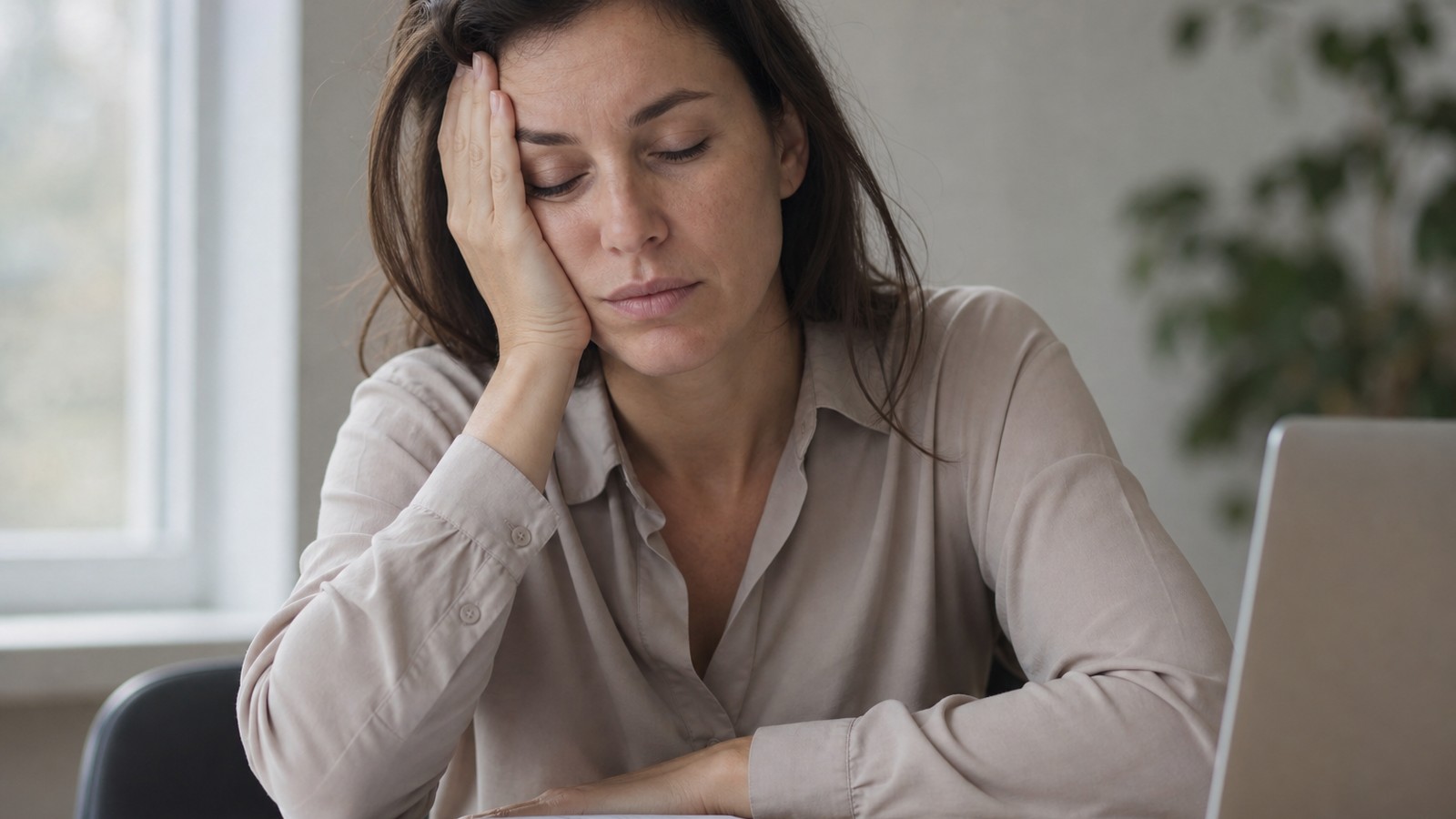
Stress Is Normal — Chronic Overload Is the Problem
Short-term stress can be useful. Long-term overload affects sleep, digestion, blood pressure, mood, and focus. The goal is not zero stress — it is better recovery.
Techniques That Work for Most People
1. Box breathing (4-4-4-4)
Inhale 4 seconds, hold 4, exhale 4, hold 4. Repeat for 2–5 minutes.
2. Move for 10–20 minutes
Walking, stretching, or light exercise lowers stress hormones.
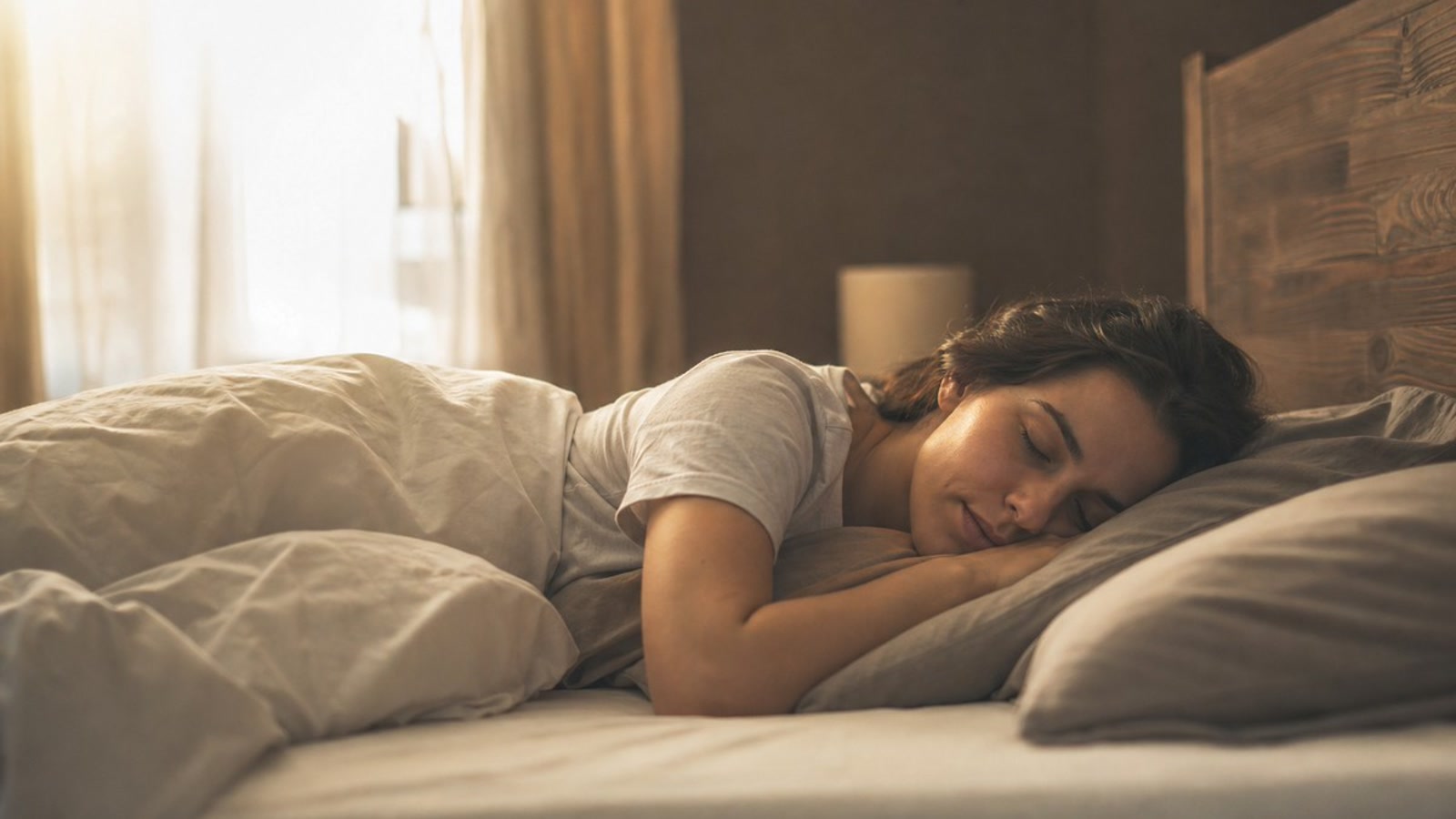
3. Protect sleep
Same wake time, dim lights at night, less late caffeine.
4. Set one boundary daily
Say no to one unnecessary task or notification block.
5. Write a 3-item priority list
Reduce mental clutter by deciding what matters today.
6. Connect with someone
Social support is one of the strongest buffers against chronic stress.
Build a Weekly Stress Plan
| Day | Action |
|---|---|
| Daily | 5 minutes breathing + hydration check |
| 3x/week | Movement session |
| Weekly | One screen-free block |
| Monthly | Review workload and commitments |
Medical Disclaimer
Educational wellness content only — not mental health treatment.
About the publisher

Rajat
Health & Wellness Editor | Global
Health & Wellness Editor | Global
Rajat edits Symptoms Insight as a practical health publication focused on symptoms, vitamin deficiencies, skincare, wellness habits, and digital health — always encouraging readers to consult qualified healthcare professionals for personal medical decisions.
FAQ
Frequently asked questions
What are the fastest stress relief techniques?
Slow breathing, a short walk, hydration, and stepping away from screens can reduce acute stress within minutes for many people.
How does sleep affect stress?
Poor sleep raises cortisol sensitivity and makes emotional regulation harder, which can increase daily stress load.
When should I seek professional help for stress?
If stress affects sleep, work, relationships, or physical health for weeks, consider counseling or medical support.