
Medical & editorial notice: Symptoms Insight publishes general health information for educational purposes only. It is not a substitute for professional medical advice, diagnosis, or treatment. Always seek the advice of a qualified healthcare provider with questions about a medical condition.
Review snapshot
What we checked for this guide
Official sources used
Pages checked while updating this article
Introduction
Intermittent fasting has moved from a niche diet trend to one of the most talked-about wellness habits of 2026 — and for good reason. Instead of obsessing over cutting specific foods, it asks a simpler question: when should you eat? By narrowing your daily eating window, you give your body long, predictable breaks from food that can help control appetite, steady energy, and support a healthy weight.
But the internet is full of extreme claims, confusing rules, and one-size-fits-all schedules. If you are a beginner, you do not need a complicated protocol — you need a clear, honest explanation of how intermittent fasting works, what it can (and cannot) do, the real risks, and how to start without feeling miserable.
This in-depth guide walks you through everything: the main methods, the science-backed benefits, the side effects, a beginner-friendly sample schedule, and exactly who should avoid it. Because eating patterns affect your whole body, we also link to related guides like our daily wellness habits for better energy and the Wellness & Lifestyle hub. For blood sugar context, see our early diabetes symptoms guide.
Medical note: This article is for general education only. It is not a substitute for professional medical advice, diagnosis, or treatment. Intermittent fasting is not safe for everyone — including people who are pregnant, have diabetes on medication, or have a history of disordered eating. Always consult a qualified healthcare provider before making major changes to how you eat.

What Is Intermittent Fasting?
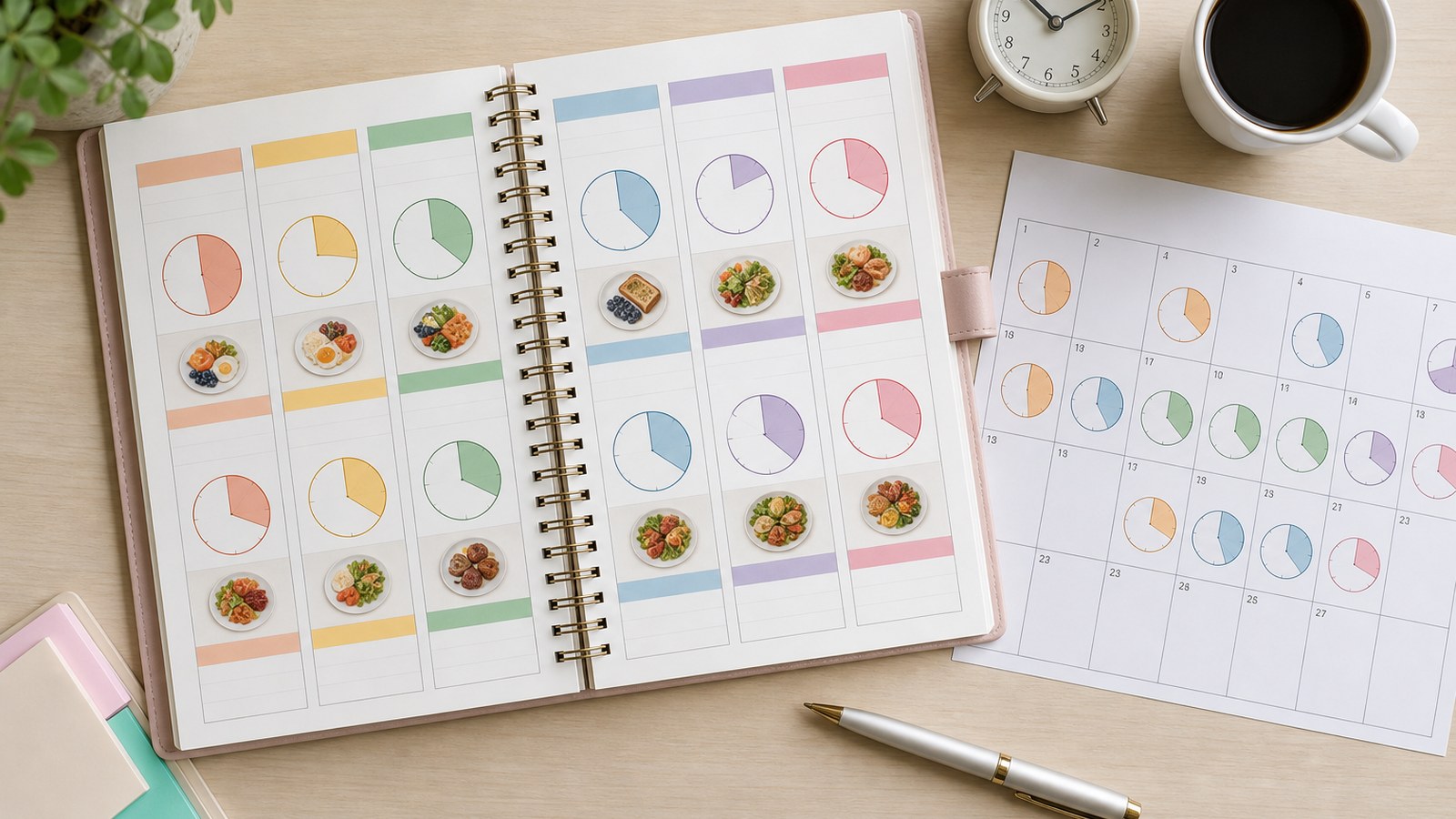
Intermittent fasting (IF) is an eating pattern that alternates between periods of eating and periods of voluntary fasting. Unlike most diets, it does not tell you which foods to eat or forbid — it focuses on the timing of your meals. During your fasting window you consume only zero-calorie drinks like water, black coffee, and plain tea; during your eating window you eat normally (ideally, nutritious meals).
According to the National Institute on Aging, part of the U.S. National Institutes of Health, research on intermittent fasting and time-restricted eating points to potential benefits for weight, blood sugar control, and cellular repair — though scientists stress that long-term human data is still developing.
How fasting changes your body
When you eat, your body breaks food into glucose (blood sugar) and releases insulin to help cells absorb it. Between meals, once glucose is used up, your body taps into stored glycogen in the liver and muscles. After many hours without food, glycogen runs low and your body shifts toward burning fat for fuel — a state sometimes loosely called "metabolic switching."
This extended low-insulin period is central to why intermittent fasting may help. Chronically high insulin is linked to fat storage and insulin resistance, which relates to the risk factors in our early diabetes warning signs guide. Giving the body regular breaks from constant eating may improve how it handles blood sugar over time.
Why people try intermittent fasting
- It is simple — no calorie apps or banned foods required
- It can naturally reduce total calorie intake by shrinking the eating window
- It may improve insulin sensitivity and steady energy
- It fits busy lives (many people just skip breakfast)
- It requires no special products or expensive plans
The Main Intermittent Fasting Methods
There is no single "correct" way to fast. The best method is the one that fits your schedule, your health, and your personality. Here are the most popular approaches for beginners.
| Method | How it works | Best for |
|---|---|---|
| 12:12 | 12 hours fasting, 12 hours eating (e.g., 8 p.m.–8 a.m. fast) | Absolute beginners easing in |
| 14:10 | 14 hours fasting, 10-hour eating window | Gentle intermediate step |
| 16:8 | 16 hours fasting, 8-hour eating window | The most popular, sustainable method |
| 5:2 | Eat normally 5 days, restrict to ~500–600 calories on 2 non-consecutive days | People who prefer fewer daily rules |
| Eat-Stop-Eat | One or two full 24-hour fasts per week | Experienced fasters only |
| Alternate-day | Alternate normal days with very low-calorie days | Advanced, best supervised |
16:8 (time-restricted eating)
The 16:8 method is by far the most beginner-friendly. You fast for 16 hours and eat within an 8-hour window — for many people that means eating between noon and 8 p.m. and simply skipping breakfast. It is easy to remember, needs no calorie counting during the fast, and slides into a normal workday.
5:2 method
With 5:2, you eat normally for five days a week and cap intake at roughly 500–600 calories on two non-consecutive "fasting" days. Some people find this easier than restricting every single day, though the low-calorie days can feel tough at first.
Longer fasts (advanced)
Eat-Stop-Eat and alternate-day fasting involve full 24-hour fasts or very-low-calorie days. These can work but carry a higher risk of fatigue, muscle loss, and overeating afterward. Beginners should not start here — build the habit gradually first.

Benefits of Intermittent Fasting
Research is promising but still evolving. Here are the benefits with the strongest support, alongside a realistic view of what to expect.
1. Weight and fat loss
The most common reason people try IF is weight loss. A shorter eating window often means you naturally eat fewer calories without formal dieting. The Mayo Clinic notes that intermittent fasting can lead to weight loss comparable to traditional calorie restriction — which means the best approach is the one you can sustain. Supporting your metabolism with the habits in our daily wellness habits guide makes results more durable.
2. Improved blood sugar and insulin sensitivity
Regular low-insulin periods may help the body respond to insulin more efficiently, which is relevant to metabolic health and type 2 diabetes prevention. This overlaps with the risk factors covered in our early diabetes symptoms guide and high blood pressure guide. (If you already take diabetes medication, fasting must be supervised — see the risks section below.)
3. Reduced inflammation and cellular repair
During fasting, cells ramp up a "clean-up" process called autophagy, in which they recycle damaged components. Animal and early human studies suggest this may reduce inflammation and support cellular health, though more research is needed before we can promise disease-specific benefits.
4. Simpler eating and fewer decisions
Many people appreciate the mental simplicity of IF — fewer meals to plan, less snacking, and no complicated rules. Removing the "what's for breakfast" decision can reduce mindless eating and even ease stress around food, complementing techniques in our stress management guide.
5. Possible heart-health markers
Some studies show improvements in blood pressure, cholesterol, and triglycerides with intermittent fasting — likely tied to weight loss and better metabolic health. These changes support cardiovascular wellbeing alongside the fundamentals in our high blood pressure prevention guide.
6. Better relationship with hunger
With time, many people learn to distinguish true hunger from habit or boredom eating. This awareness can outlast the diet itself and support long-term healthy habits.
Reality check: Intermittent fasting is a tool, not a miracle. If you eat large amounts of ultra-processed food, sugary drinks, and refined carbs during your eating window, most benefits disappear. What you eat still matters enormously.
Risks and Side Effects of Intermittent Fasting
Fasting is not automatically healthy, and it is not right for everyone. Knowing the downsides helps you fast safely — or decide it is not for you.
Common early side effects
- Hunger and cravings, especially in the first 1–2 weeks
- Headaches (often from dehydration or caffeine timing)
- Irritability or "hanger" and mood dips
- Low energy and difficulty concentrating
- Trouble sleeping if you eat too late or too little
- Constipation from lower food and fluid volume
Most of these fade as your body adapts. Drinking enough water, adding electrolytes, and easing in gradually make a big difference. If you feel persistently exhausted, review our chronic fatigue guide and speak with a doctor.
More serious risks
- Low blood sugar (hypoglycemia) — dangerous for people on diabetes medication
- Dizziness or fainting from low blood pressure or dehydration
- Muscle loss if protein and strength training are neglected
- Nutrient gaps (iron, B12, magnesium, calcium) when the eating window is small
- Disordered eating patterns — fasting can trigger binge–restrict cycles in vulnerable people
Because a shorter window can crowd out nutrients, keep an eye on symptoms of deficiency covered in our iron deficiency guide, vitamin B12 guide, and magnesium deficiency guide.
Dehydration matters more than people expect
When you skip meals, you also skip the water that comes with food. Mild dehydration is a common — and avoidable — cause of fasting headaches and fatigue. Keep water nearby all day.

Who Should Not Do Intermittent Fasting?
Intermittent fasting is not appropriate for everyone. Skip it, or only try it under close medical supervision, if any of the following apply to you.
| Group | Why caution is needed |
|---|---|
| Pregnant or breastfeeding | Higher nutrient and calorie needs; fasting can harm mother and baby |
| Children and teenagers | Growth and development require steady nutrition |
| People who are underweight | Fasting can worsen nutrient gaps and muscle loss |
| History of eating disorders | Fasting can trigger restrict–binge cycles |
| Diabetes on insulin or sulfonylureas | Serious risk of hypoglycemia without medical guidance |
| Low blood pressure | Fasting and dehydration can cause fainting |
| People on certain medications | Some drugs must be taken with food |
| Frailty or older adults with low appetite | Risk of undernutrition and weakness |
If you live with a chronic condition or take daily medication, talk to your healthcare provider before starting. This is not a step to skip.
How to Start Intermittent Fasting Safely (Beginner Steps)
You do not need to jump straight to 16-hour fasts. A gradual, gentle approach is more comfortable and far more sustainable.
Step 1: Start with a 12-hour overnight fast
Simply stop eating after dinner and don't eat again until breakfast — for example, 8 p.m. to 8 a.m. Most of this happens while you sleep, so it barely feels like fasting. Do this for a week.
Step 2: Gradually extend the window
Once 12:12 feels easy, push your first meal 30–60 minutes later each few days until you reach 14:10, then 16:8 if it suits you. There is no need to go beyond 16 hours for most beginners.
Step 3: Hydrate and use black coffee or tea
Water, sparkling water, black coffee, and plain tea help control hunger and prevent headaches. Avoid anything with calories during the fast if your goal is a true fast.
Step 4: Break your fast with balanced meals
When your window opens, resist the urge to binge. Build plates around protein, vegetables, whole grains, fruit, and healthy fats. Protein is especially important to protect muscle. Eating well also lowers your risk of the deficiencies discussed in our folic acid foods guide and zinc deficiency guide.
Step 5: Protect your sleep
Eating too late or under-eating can disrupt rest. Keep your last meal a couple of hours before bed and follow the basics in our sleep hygiene guide. Good sleep also curbs the hunger hormones that make fasting harder.
Step 6: Listen to your body
If you feel dizzy, shaky, anxious, or unusually fatigued, eat. Fasting should not feel like suffering. Persistent anxiety or physical symptoms are worth reviewing in our anxiety physical symptoms guide — and worth a chat with your doctor.

A Sample 16:8 Day for Beginners
Here is what a simple, balanced 16:8 day might look like with an eating window from 12 p.m. to 8 p.m.
| Time | What to have |
|---|---|
| 7:00 a.m. | Wake up — water, then black coffee or plain tea |
| 10:00 a.m. | More water or herbal tea (still fasting) |
| 12:00 p.m. | Break fast: grilled chicken or tofu, mixed vegetables, quinoa or brown rice, olive oil |
| 3:00 p.m. | Greek yogurt with berries and nuts, or hummus with veggies |
| 6:30 p.m. | Balanced dinner: fish or legumes, salad, sweet potato, healthy fat |
| 8:00 p.m. | Window closes — water or plain tea only afterward |
| Overnight | Sleep (the easiest part of the fast) |
Adjust the timing to fit your life — the clock is flexible, but keeping the window consistent helps your body adapt.
Intermittent Fasting vs Traditional Dieting
| Factor | Intermittent fasting | Standard calorie restriction |
|---|---|---|
| Main focus | When you eat | How much (and what) you eat |
| Tracking needed | Minimal on fasting hours | Often daily calorie counting |
| Weight-loss results | Comparable when calories match | Comparable when calories match |
| Ease of following | Easy for "skip breakfast" types | Easy for planners who like structure |
| Main risk | Overeating in the window, nutrient gaps | Feeling restricted all day |
The takeaway from most research is refreshingly simple: the best eating pattern is the one you can maintain. If fasting helps you eat less without misery, great. If it makes you anxious or triggers bingeing, a different approach will serve you better.
Common Intermittent Fasting Mistakes
- Overeating during the window — a short window doesn't excuse a calorie free-for-all
- Ignoring protein — leads to muscle loss and constant hunger
- Under-hydrating — the #1 cause of fasting headaches
- Going too extreme too fast — long fasts before your body adapts
- Poor food quality — living on refined carbs erases the benefits
- Fasting through warning signs — dizziness and shakiness mean stop and eat
- Skipping medical advice — especially with diabetes, pregnancy, or medications
When to See a Doctor — Red Flags
Stop fasting and seek medical advice if you experience:
- Repeated dizziness, fainting, or shakiness
- Symptoms of low blood sugar (sweating, confusion, rapid heartbeat), especially on diabetes medication
- Persistent fatigue, hair loss, or weakness suggesting nutrient deficiency
- Signs of disordered eating — obsession with food rules, guilt, or binge–restrict cycles
- Missed periods, mood changes, or poor sleep that don't resolve
The CDC emphasizes that healthy weight management should be gradual and sustainable — not extreme. If fasting harms your mood, energy, or relationship with food, it is doing more harm than good.
Key Takeaways
- Intermittent fasting focuses on when you eat, cycling between eating and fasting windows.
- 16:8 is the best beginner method — start with 12:12 and extend gradually.
- Benefits may include weight loss, better insulin sensitivity, reduced inflammation, and simpler eating — but food quality still matters.
- Side effects like hunger, headaches, and low energy usually fade in 1–2 weeks; hydration and easing in help.
- It is not for everyone — avoid it if pregnant, underweight, a teen, or with a history of eating disorders, and get supervision if you have diabetes or take daily medication.
- The best plan is a sustainable one. Listen to your body and prioritize nutrition, sleep, and consistency.
Explore Related Guides
- Daily Wellness Habits for Better Energy
- Stress Management Techniques That Work
- Best Sleep Hygiene Tips for Better Rest
- Early Diabetes Symptoms & Warning Signs
- High Blood Pressure: Symptoms, Causes & Prevention
- Dehydration: Symptoms, Causes & Treatment
- Chronic Fatigue: Causes, Symptoms & Treatment
- Iron Deficiency Anemia: Symptoms & Causes
- Magnesium Deficiency: Symptoms & Foods
- Anxiety: Physical Symptoms Explained
- Browse the Wellness & Lifestyle hub
- Explore Symptoms & Conditions and Vitamin Deficiency & Nutrition
Medical Disclaimer
Symptoms Insight publishes general health information for educational purposes only. It is not a substitute for professional medical advice, diagnosis, or treatment. Intermittent fasting is not appropriate for everyone. Always seek the advice of a qualified healthcare provider before starting a new eating pattern, especially if you are pregnant, breastfeeding, under 18, underweight, have a history of eating disorders, take medication, or live with a chronic condition such as diabetes. Never disregard professional medical advice or delay seeking it because of something you have read here.
About the publisher

Rajat
Health & Wellness Editor | Global
Health & Wellness Editor | Global
Rajat edits Symptoms Insight as a practical health publication focused on symptoms, vitamin deficiencies, skincare, wellness habits, and digital health — always encouraging readers to consult qualified healthcare professionals for personal medical decisions.
FAQ
Frequently asked questions
What is intermittent fasting and how does it work?
Intermittent fasting is an eating pattern that cycles between periods of eating and fasting, focusing on when you eat rather than only what you eat. During the fasting window your body uses up available blood sugar and stored glycogen, then shifts toward burning fat for fuel and lowering insulin levels. Common approaches include the 16:8 method (16 hours fasting, 8 hours eating) and the 5:2 method (five normal days and two very low-calorie days). It works mainly by reducing overall calorie intake and giving the body extended low-insulin periods.
What is the best intermittent fasting method for beginners?
For most beginners, the 16:8 method is the easiest starting point because it usually just means skipping breakfast and eating between roughly noon and 8 p.m. It fits naturally into daily life and requires no calorie counting on fasting hours. A gentler on-ramp is 12:12 (a 12-hour overnight fast), which you can gradually stretch to 14:10 and then 16:8 over a few weeks as your body adjusts.
How long does it take to see results from intermittent fasting?
Many people notice reduced snacking, steadier energy, and mild weight changes within two to four weeks, but meaningful fat loss and metabolic improvements typically take eight to twelve weeks of consistency. Results depend heavily on total calories, food quality, sleep, and activity. Fasting is a tool, not magic; eating large amounts of ultra-processed food during your window will blunt the benefits.
Can you drink water and coffee while fasting?
Yes. Water, plain black coffee, plain tea, and other zero-calorie drinks are allowed and encouraged during the fasting window because they do not meaningfully raise insulin. Staying well hydrated also reduces headaches and hunger. What breaks a fast is calories, so avoid milk, cream, sugar, sweetened drinks, and bulletproof-style coffee if your goal is a strict fast.
Does intermittent fasting help with weight loss?
It can, mainly because a shorter eating window naturally reduces total calorie intake for many people and may modestly improve insulin sensitivity. Research suggests intermittent fasting produces weight loss similar to standard calorie restriction, so the best method is the one you can sustain. Without attention to portion sizes and food quality, however, weight loss may stall.
What are the side effects of intermittent fasting?
Early side effects can include hunger, irritability, headaches, difficulty concentrating, low energy, and trouble sleeping as your body adjusts, usually easing within one to two weeks. Some people experience dizziness, constipation, or intense cravings. Drinking enough water and electrolytes, easing in gradually, and not over-restricting during your eating window help minimize these effects.
Who should not do intermittent fasting?
Intermittent fasting is not recommended for people who are pregnant or breastfeeding, children and teens, people who are underweight, and anyone with a history of eating disorders. People with diabetes (especially on insulin or sulfonylureas), low blood pressure, or who take medications that require food should only try it under medical supervision, because fasting can cause dangerous drops in blood sugar or blood pressure.
Will intermittent fasting slow down my metabolism?
Short-term intermittent fasting does not appear to slow metabolism and may even slightly increase fat burning in the near term. Any large, prolonged calorie deficit—fasting or not—can eventually reduce your metabolic rate, so the goal is a sustainable pattern with adequate protein and strength training to protect muscle, rather than extreme, chronic under-eating.
Can I exercise while doing intermittent fasting?
Yes, and many people train in a fasted state comfortably, especially for lighter cardio and walking. For hard or long workouts you may perform better eating beforehand, or timing your session near the end of your fast so you can refuel afterward. Listen to your body, prioritize protein at your first meal, and stop if you feel faint or unusually weak.
Do I still need to eat healthy during intermittent fasting?
Absolutely. Intermittent fasting controls when you eat, but food quality still determines your results and how you feel. Build meals around lean protein, vegetables, fruit, whole grains, legumes, and healthy fats, and limit ultra-processed foods and sugary drinks. Good nutrition also protects against deficiencies in nutrients like magnesium, iron, and B12 when your eating window is shorter.
Is intermittent fasting safe long term?
For most healthy adults, well-planned intermittent fasting appears safe for the long term, but high-quality research on multi-year effects is still limited. The safest approach is a moderate pattern (such as 16:8 or 14:10), nutrient-dense meals, regular check-ins with a healthcare provider, and stopping if it harms your sleep, mood, energy, or relationship with food.