Medical & editorial notice: Symptoms Insight publishes general health information for educational purposes only. It is not a substitute for professional medical advice, diagnosis, or treatment. Always seek the advice of a qualified healthcare provider with questions about a medical condition.
What Is High Blood Pressure?
High blood pressure (hypertension) means the force of blood against artery walls stays too high over time. It increases the risk of heart disease, stroke, kidney problems, and other serious conditions.
Symptoms: Often Silent
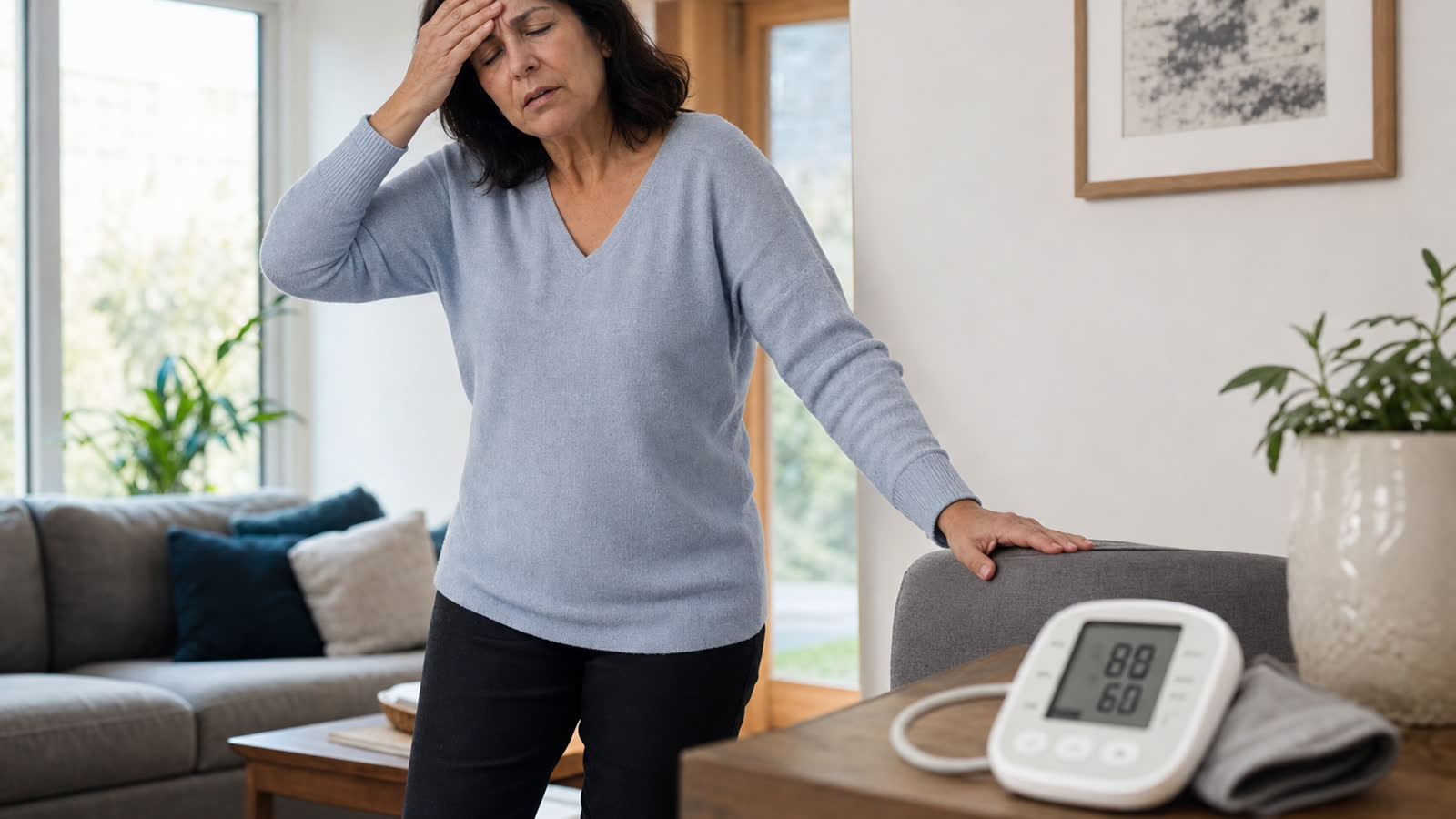
Many people with hypertension have no obvious symptoms. When symptoms appear, they may include:
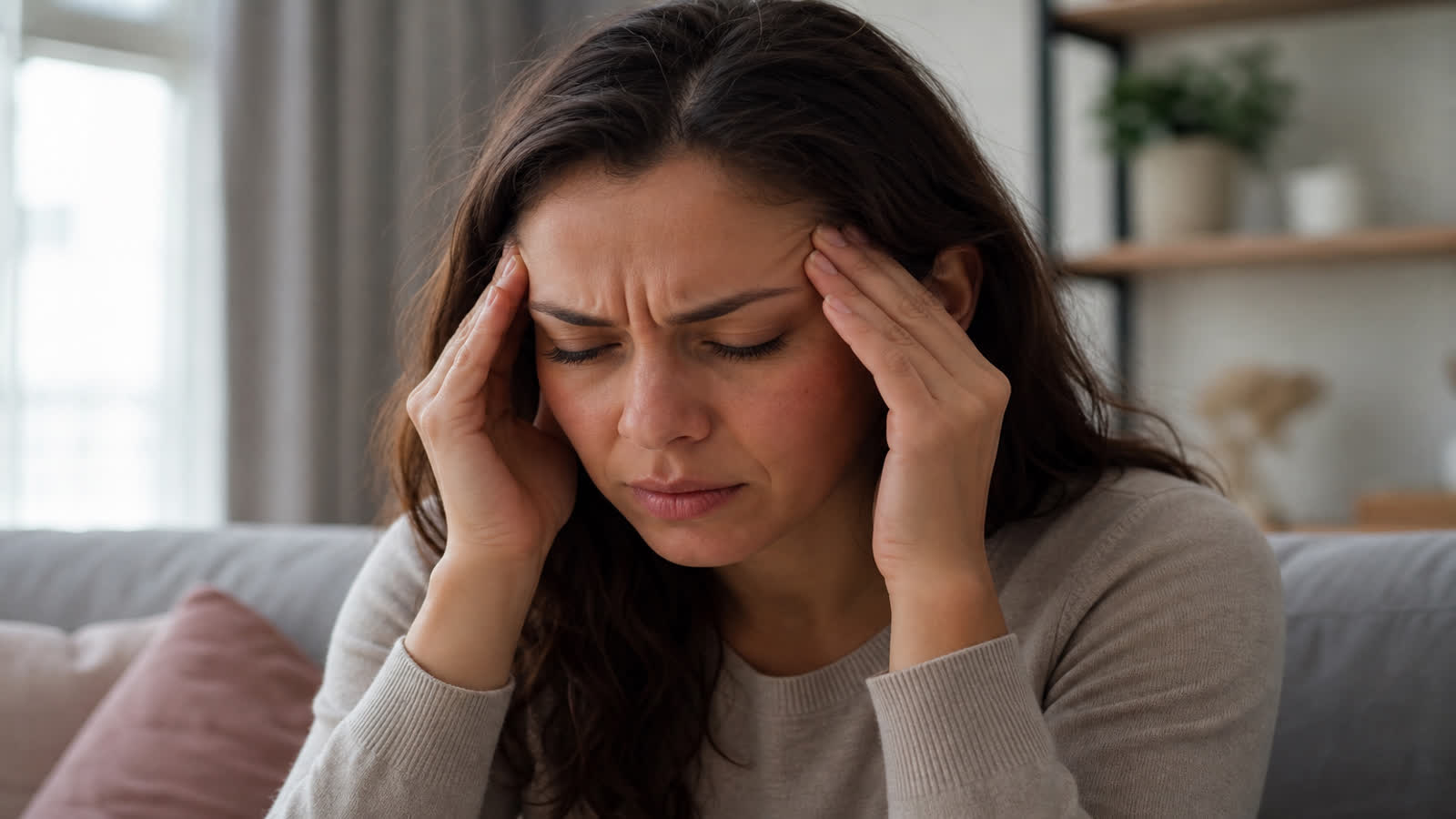
- Headaches (especially in the morning)
- Shortness of breath
- Nosebleeds
- Dizziness or blurred vision
- Chest discomfort
Because symptoms can be absent for years, regular blood pressure checks matter more than waiting to feel unwell.
Common Causes & Risk Factors
- Family history of hypertension
- High sodium diet and low potassium intake
- Overweight or obesity
- Sedentary lifestyle
- Chronic stress and poor sleep
- Smoking and heavy alcohol use
- Age and certain medical conditions
Prevention & Lifestyle Changes
- Check blood pressure regularly at home or at clinics
- Reduce processed foods and added salt
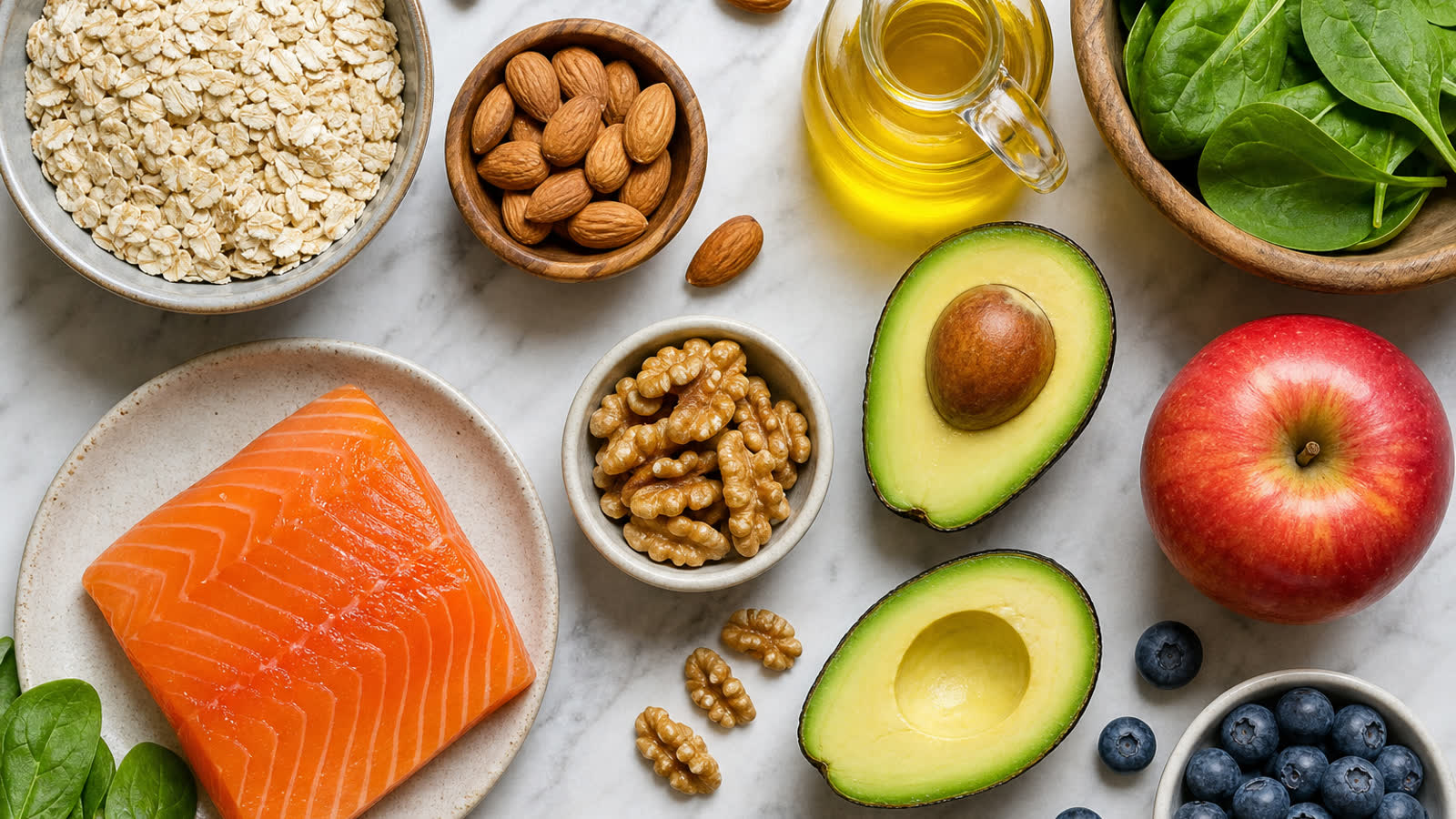
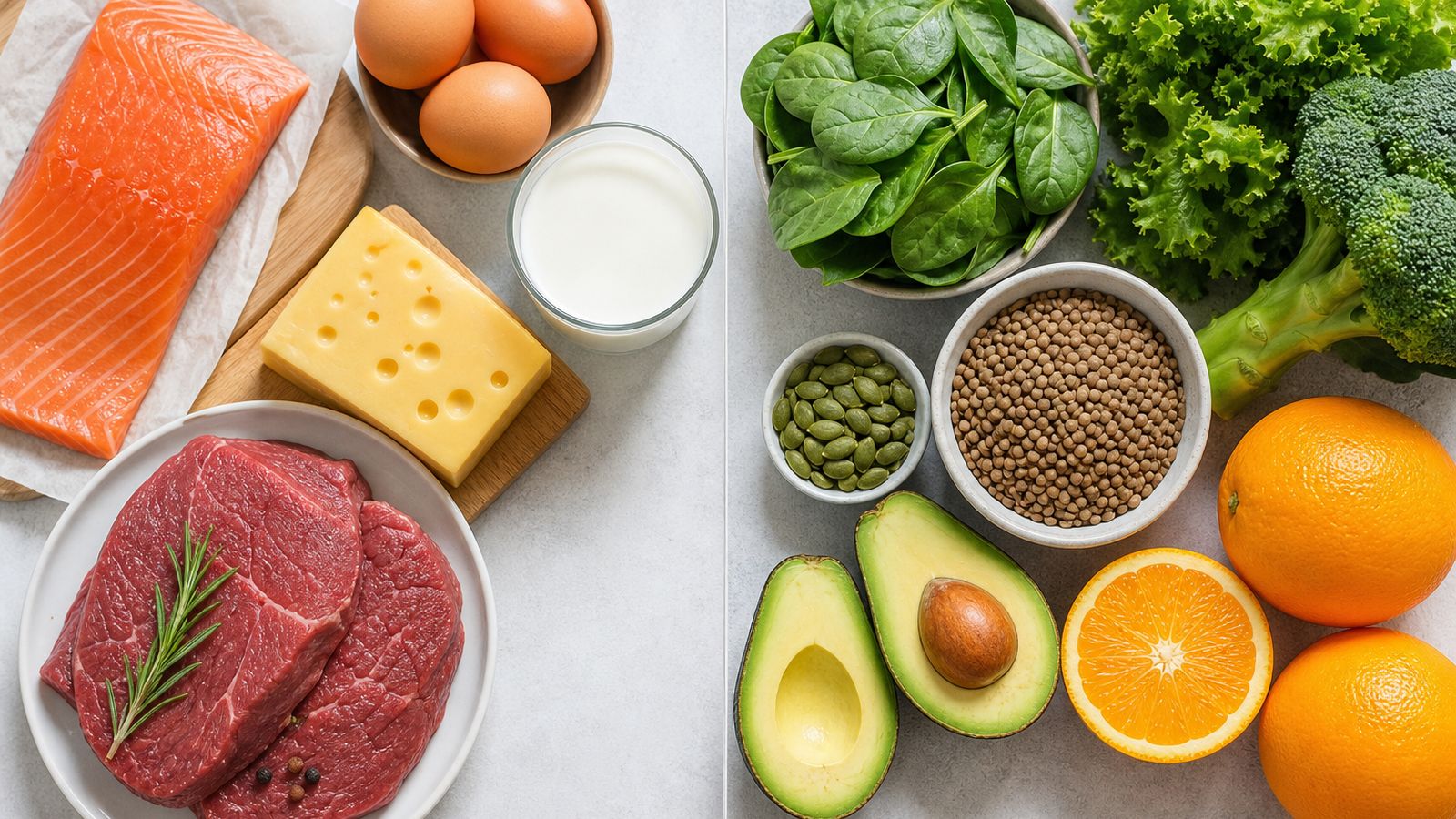
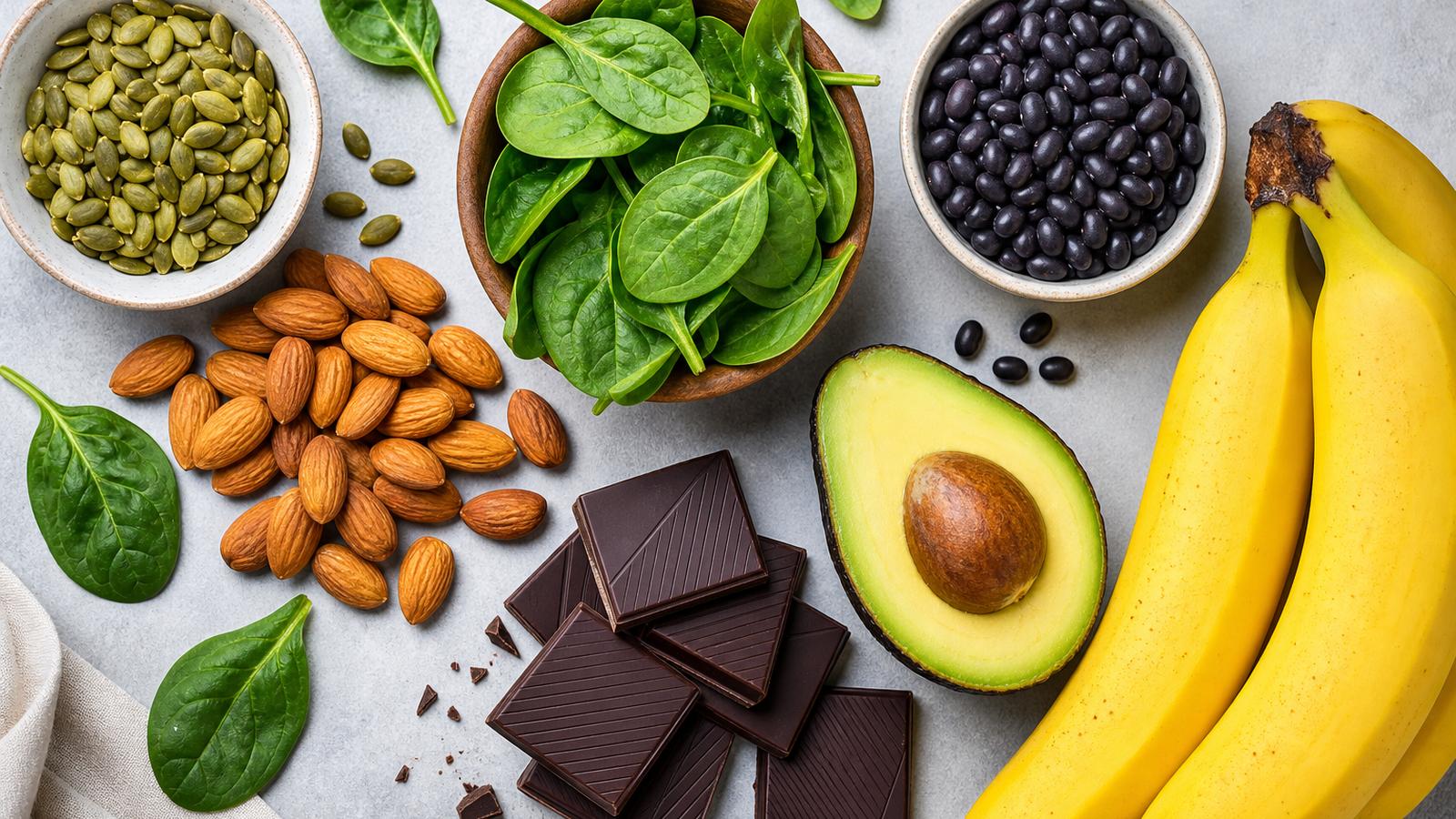
- Eat more vegetables, fruits, whole grains, and lean protein
- Exercise most days of the week
- Maintain a healthy weight
- Limit alcohol and avoid smoking
- Manage stress with sleep, movement, and support
When to Seek Medical Care
See a doctor if your readings are repeatedly high, if you have symptoms like chest pain or severe headache, or if you are starting any new medication plan. Hypertension is manageable — but early detection is key.
Medical Disclaimer
This article provides general health information only. Always consult a qualified healthcare provider for diagnosis and treatment.
About the publisher

Rajat
Health & Wellness Editor | Global
Health & Wellness Editor | Global
Rajat edits Symptoms Insight as a practical health publication focused on symptoms, vitamin deficiencies, skincare, wellness habits, and digital health — always encouraging readers to consult qualified healthcare professionals for personal medical decisions.
FAQ
Frequently asked questions
Does high blood pressure always cause symptoms?
No. Hypertension is often called a silent condition because many people feel fine until complications develop.
What blood pressure is considered high?
Many guidelines define high blood pressure as readings at or above 130/80 mmHg, but diagnosis should come from a clinician using repeated measurements.
Can stress cause high blood pressure?
Stress can temporarily raise blood pressure, but long-term hypertension usually involves multiple factors including diet, weight, genetics, and lifestyle.
How can I lower blood pressure naturally?
Regular exercise, lower sodium intake, more potassium-rich foods, healthy weight, good sleep, and limiting alcohol can all help — but medical care is essential when readings stay high.