
Medical & editorial notice: Symptoms Insight publishes general health information for educational purposes only. It is not a substitute for professional medical advice, diagnosis, or treatment. Always seek the advice of a qualified healthcare provider with questions about a medical condition.
Review snapshot
What we checked for this guide
Official sources used
Pages checked while updating this article
Introduction
That sudden burning when you pee, the constant urge to run to the bathroom only for barely anything to come out, and a nagging pressure low in your belly — if you have felt this, you have likely dealt with a urinary tract infection (UTI). UTIs are one of the most common infections in the world, and they affect women far more often than men. In fact, the majority of women will have at least one UTI in their lifetime, and many will have more than one.
The good news is that most UTIs are straightforward to recognize and treat. The key is knowing the early symptoms, understanding why women are more prone to them, and — importantly — spotting the red flags that mean an infection may be spreading to the kidneys and needs urgent care.
This guide covers UTI symptoms in women, what causes them, how they are diagnosed and treated, how to prevent recurrences, and when to see a doctor. For the bigger picture, explore our Symptoms & Conditions and Wellness & Lifestyle hubs, and our related guide to kidney stone symptoms and prevention, which can share overlapping warning signs.
Medical note: This article is for general education only. It is not a substitute for professional medical advice, diagnosis, or treatment. UTIs usually need a clinician's assessment and often antibiotics. Always consult a qualified healthcare provider for personal medical decisions, testing, or treatment.

What Is a UTI?
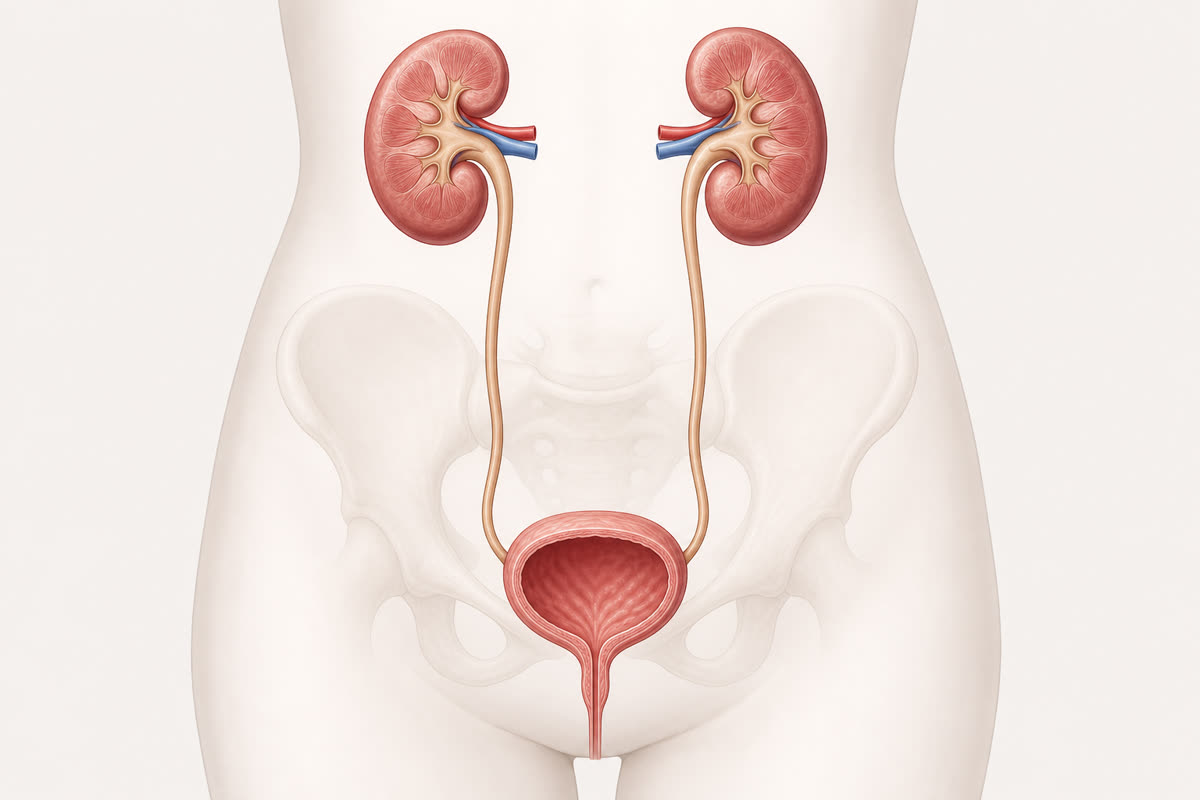
A urinary tract infection is an infection anywhere in the system that makes and carries urine. According to NIH MedlinePlus, the urinary tract includes four main parts:
| Part of the urinary tract | Role |
|---|---|
| Kidneys | Filter waste and extra water from the blood to make urine |
| Ureters | Two tubes that carry urine from the kidneys to the bladder |
| Bladder | Stores urine until you are ready to release it |
| Urethra | The tube that carries urine out of the body |
Most UTIs affect the lower urinary tract — the bladder and urethra. An infection of the bladder is called cystitis, and an infection limited to the urethra is called urethritis. When bacteria travel higher and reach the kidneys, it becomes a kidney infection (pyelonephritis), which is more serious.
Understanding where the infection sits matters, because a simple bladder infection and a kidney infection are treated differently and carry very different levels of urgency.
UTI Symptoms in Women: What to Watch For
Because most UTIs in women are bladder infections, the symptoms usually center on urination and the lower belly. They often come on quickly, sometimes within hours.
Common symptoms of a bladder UTI
- Burning or stinging when you urinate (called dysuria)
- A strong, frequent urge to urinate, even right after going
- Passing only small amounts of urine at a time
- Cloudy, dark, or strong-smelling urine
- Blood in the urine — it may look pink, red, or rusty
- Pressure, cramping, or discomfort in the lower abdomen or pelvis
- Feeling generally "off" or tired
These symptoms overlap with other conditions, which is why a simple urine test is so useful. Pelvic discomfort and urinary changes can also appear with dehydration, kidney stones, and some sexually transmitted infections — so persistent or unusual symptoms deserve a proper check.
Symptoms in older women
In older adults, a UTI does not always cause the classic burning. Instead, it may show up as new confusion, agitation, or a sudden change in behavior, sometimes without obvious urinary symptoms. Any abrupt change in an older person's mental state is worth a medical review.

Warning signs a UTI may have reached the kidneys
The following symptoms suggest the infection may have spread upward and need prompt medical attention:
- Fever and chills
- Pain in the back, side, or flank (just below the ribs)
- Nausea or vomiting
- Feeling very unwell, shaky, or exhausted
A kidney infection can become serious quickly, so do not wait these out.
What Causes UTIs in Women?
Most UTIs are caused by bacteria, and the usual culprit is E. coli, a type of bacteria that normally lives harmlessly in the bowel. Per the CDC, problems begin when these bacteria get into the urethra and travel up into the bladder, where they multiply.
Why women get UTIs more often than men
The main reason is anatomy. A woman's urethra is much shorter than a man's, and its opening is closer to both the vagina and the anus. That means bacteria have a shorter distance to travel to reach the bladder. This is not about hygiene or doing something "wrong" — it is simply how the female body is built.
Common risk factors and triggers
| Risk factor | Why it raises UTI risk |
|---|---|
| Sexual activity | Can push bacteria toward the urethra |
| Wiping back to front | Moves bowel bacteria toward the urethra |
| Holding urine too long | Gives bacteria more time to multiply |
| Dehydration | Less urine means less flushing of bacteria |
| Certain contraceptives | Diaphragms and spermicides can increase risk |
| Menopause | Lower estrogen changes the tissue and bacteria balance |
| Pregnancy | Changes in the urinary tract raise infection risk |
| Diabetes | Higher blood sugar can encourage bacterial growth |
| Urinary catheters | Provide a direct path for bacteria |
| Family history | Some women are simply more prone to UTIs |
If you have ongoing high blood sugar, managing it well also lowers infection risk — see our early diabetes symptoms guide and our high blood pressure guide for related metabolic health context.
How Are UTIs Diagnosed?
Diagnosing a UTI is usually quick and painless. A clinician will ask about your symptoms and typically test a urine sample.
| Test | What it checks |
|---|---|
| Urine dipstick | A quick in-office strip that detects signs of infection like nitrites and white blood cells |
| Urinalysis | A closer laboratory look at the urine for bacteria, blood, and immune cells |
| Urine culture | Grows the bacteria to identify the exact type and the best antibiotic |
| Imaging or referral | For recurrent or complicated cases, to check the kidneys and urinary tract |
As the Mayo Clinic notes, a urine culture is especially helpful for infections that keep coming back or that do not respond to the first antibiotic, because it shows exactly which medication will work. If you get frequent UTIs, your doctor may look for an underlying cause.

How Are UTIs Treated?
Antibiotics are the main treatment
Most UTIs are treated with a short course of antibiotics, chosen based on your symptoms, health history, and sometimes a urine culture. A simple bladder infection often clears with just a few days of medication, while a kidney infection needs a longer course and closer follow-up.
Key points about antibiotic treatment:
- Symptoms usually improve within 1–2 days, but you should finish the entire course even if you feel better.
- Stopping early can let the infection return and helps drive antibiotic resistance.
- Tell your doctor if you are pregnant, as some antibiotics are not suitable.
The World Health Organization warns that overuse and misuse of antibiotics fuel antimicrobial resistance, one of the biggest global health threats. That is why antibiotics should be taken exactly as prescribed — and only when actually needed.
Easing symptoms while you recover
Alongside antibiotics, these steps can help you feel more comfortable:
- Drink plenty of water to help flush the bladder
- Use a heating pad on the lower abdomen for cramping
- Avoid bladder irritants like caffeine, alcohol, and spicy foods during the infection
- Rest and give your body time to recover
Over-the-counter urinary pain relievers may ease burning, but they do not treat the infection itself and should not replace medical care.
Can a UTI clear without antibiotics?
Some very mild bladder infections may settle with fluids and time, but this is not reliable, and delaying treatment risks the infection climbing to the kidneys. It is safest to get a proper assessment rather than wait and hope. Never share leftover antibiotics or self-treat repeatedly without medical input.
How to Prevent UTIs
If you get UTIs often, prevention is worth taking seriously. No single habit guarantees you will never get one, but the following steps — drawn from guidance by NIH MedlinePlus and the CDC — can meaningfully lower your risk.
Everyday prevention habits
- Stay well hydrated — regular water intake helps flush bacteria out
- Do not hold your urine — go when you feel the need
- Urinate after sex to help clear bacteria from the urethra
- Wipe from front to back after using the toilet
- Choose breathable cotton underwear and avoid overly tight clothing
- Avoid irritating feminine products like douches and heavily scented sprays


What about cranberry, D-mannose, and probiotics?
- Cranberry products (juice or capsules) are popular for prevention. The evidence is mixed, but they are low-risk for most people and may help some women reduce recurrences.
- D-mannose, a natural sugar, is thought to stop bacteria sticking to the bladder wall. Early research is promising but not conclusive.
- Probiotics aimed at supporting healthy vaginal and gut bacteria are being studied and may help balance the microbiome, which also matters for digestive and gut health.
None of these replaces treatment for an active infection, but they can be reasonable additions to a prevention plan. A nutrient-rich diet and steady healthy habits, like those in our daily wellness habits guide, support your immune system overall.
Prevention after menopause
Falling estrogen after menopause thins and changes the tissues of the urinary tract, which raises UTI risk. Vaginal estrogen, prescribed by a doctor, can help restore protective tissue and reduce recurrences. If UTIs began or worsened around menopause, this is worth discussing with your clinician.
For recurrent UTIs
If you have two or more UTIs in six months or three or more in a year, that counts as recurrent, and it is worth a fuller evaluation. Your doctor may suggest a urine culture, a check for underlying causes, low-dose preventive antibiotics, a single dose after sex, or a self-start prescription plan. Chronic stress and poor sleep can also weaken immunity, so our guides on lowering cortisol naturally and sleep hygiene can support your overall resilience.
UTIs vs Other Conditions With Similar Symptoms
Burning, urgency, and pelvic discomfort are not unique to UTIs. Several other issues can feel similar, which is why testing matters:
| Condition | How it can mimic a UTI |
|---|---|
| Kidney stones | Cause pain, urgency, and blood in urine — see our kidney stone guide |
| Vaginal infections | Yeast or bacterial infections cause irritation and discomfort |
| Sexually transmitted infections | Can cause burning and discharge |
| Interstitial cystitis | A chronic bladder condition with UTI-like symptoms but no infection |
| Dehydration | Concentrated urine can sting — see our dehydration guide |
If your symptoms keep returning but urine tests are repeatedly negative, ask your doctor about non-infectious causes like interstitial cystitis. Persistent fatigue alongside recurrent infections may also prompt a broader check, including iron, vitamin B12, vitamin D, and thyroid testing to rule out overlapping issues like chronic fatigue.
UTI Myths vs Facts
There is a lot of misinformation about urinary tract infections. Clearing up a few common myths can help you respond sensibly rather than out of fear or embarrassment.
- Myth: UTIs only happen if you are not clean. In reality, UTIs usually come from normal bowel bacteria reaching the urethra, something anatomy makes more likely in women regardless of hygiene.
- Myth: Cranberry juice cures an active UTI. Cranberry may play a modest role in prevention for some women, but it does not treat an existing infection — antibiotics do.
- Myth: You should hold your urine to "train" your bladder. Holding urine gives bacteria more time to multiply and can worsen risk. Go when you need to.
- Myth: Once treated, you are immune. UTIs can recur, and some women are simply more prone to them. Prevention habits still matter after treatment.
- Myth: Only sexually active women get UTIs. Sex is one trigger, but children, women who are not sexually active, and postmenopausal women all get UTIs too.
Understanding the facts helps you seek care promptly and avoid both panic and unnecessary shame. A UTI is a common, treatable infection — not a personal failing.
UTIs in Pregnancy
UTIs are more common in pregnancy and deserve extra caution. Hormonal and physical changes slow the flow of urine, giving bacteria more chance to grow. An untreated UTI in pregnancy can lead to a kidney infection and raise the risk of complications, so pregnant women are often screened for infection even without symptoms. If you are pregnant and notice any UTI symptoms, contact your provider promptly — and only take antibiotics confirmed safe for pregnancy.
Common Mistakes People Make With UTIs
- Waiting too long to seek care, letting a bladder infection climb to the kidneys
- Stopping antibiotics early once symptoms ease, which invites recurrence and resistance
- Reusing leftover antibiotics without a proper diagnosis
- Assuming every burning sensation is a UTI when it could be another condition
- Ignoring blood in the urine — always worth a medical check
- Not drinking enough water, both during infection and for prevention
When to See a Doctor — Red Flags
Most UTIs are easily treated, but timing matters. See a doctor if you have:
- Burning, urgency, or pelvic pain that lasts more than a day or two
- Blood in your urine
- Recurring UTIs (two or more in six months)
- Symptoms and you are pregnant or have diabetes
Seek urgent medical care if you develop:
- Fever and chills
- Back, side, or flank pain
- Nausea or vomiting
- Confusion or a sudden change in mental state (especially in older adults)
These can signal a kidney infection or an infection spreading into the bloodstream, which needs prompt treatment. When in doubt, it is always safer to get checked.
Key Takeaways
- UTIs are extremely common in women because of the shorter female urethra — not poor hygiene.
- Early symptoms include burning when you urinate, urgency and frequency, cloudy or bloody urine, and low pelvic discomfort.
- E. coli from the bowel causes most UTIs; triggers include sex, dehydration, holding urine, and menopause.
- Antibiotics are the main treatment — finish the full course, and never self-treat repeatedly.
- Prevention centers on hydration, urinating when needed and after sex, wiping front to back, and, after menopause, vaginal estrogen.
- Red flags — fever, chills, back or flank pain, nausea, or confusion — suggest a kidney infection and need urgent care.
Explore Related Guides
- Kidney Stone Symptoms, Causes & Prevention
- Dehydration: Symptoms, Causes & Treatment
- Digestive Issues & Gut Health Guide
- Early Diabetes Symptoms & Warning Signs
- High Blood Pressure: Symptoms, Causes & Prevention
- Thyroid Symptoms in Women: Causes & Treatment
- Chronic Fatigue: Symptoms, Causes & Treatment
- How to Lower Cortisol Naturally: Stress Guide
- Best Sleep Hygiene Tips for Better Rest
- Daily Wellness Habits for Better Energy
- Browse all Symptoms & Conditions guides
- Explore the Wellness & Lifestyle and Vitamin Deficiency & Nutrition hubs
Medical Disclaimer
Symptoms Insight publishes general health information for educational purposes only. It is not a substitute for professional medical advice, diagnosis, or treatment. Urinary tract infections usually require assessment by a healthcare provider and often antibiotics. Always seek the advice of a qualified clinician with any questions about symptoms, urine tests, pregnancy, or medication use. Never disregard professional medical advice or delay seeking it because of something you have read here. Seek urgent care for fever, back pain, vomiting, or confusion alongside urinary symptoms.
About the publisher

Rajat
Health & Wellness Editor | Global
Health & Wellness Editor | Global
Rajat edits Symptoms Insight as a practical health publication focused on symptoms, vitamin deficiencies, skincare, wellness habits, and digital health — always encouraging readers to consult qualified healthcare professionals for personal medical decisions.
FAQ
Frequently asked questions
What are the first signs of a UTI in women?
The earliest signs are usually a burning feeling when you urinate, a sudden and frequent urge to go even when little comes out, and a sense of pressure or discomfort low in the belly. Urine may look cloudy, smell strong, or contain traces of blood. Many women notice the burning and urgency first, often within a day of the infection taking hold.
What causes urinary tract infections in women?
Most UTIs happen when bacteria, usually E. coli from the bowel, travel up the urethra and multiply in the bladder. Women get UTIs more often than men because the female urethra is short, so bacteria reach the bladder quickly. Common triggers include sexual activity, wiping from back to front, holding urine too long, dehydration, certain birth control methods, and hormonal changes around menopause.
Can a UTI go away on its own without antibiotics?
Some very mild bladder infections may settle with plenty of fluids and time, but this is not reliable, and waiting risks the infection spreading to the kidneys. Most confirmed UTIs are treated with a short course of antibiotics prescribed by a clinician. You should not assume a UTI will clear on its own, especially if symptoms last more than a day or two or get worse.
How long does a UTI last with treatment?
With appropriate antibiotics, symptoms often start improving within 1 to 2 days, and a simple bladder infection usually clears within 3 to 7 days depending on the medication. It is important to finish the full course even if you feel better early. Kidney infections take longer and may need a longer antibiotic course or hospital care.
What is the difference between a bladder infection and a kidney infection?
A bladder infection (cystitis) stays in the lower urinary tract and causes burning, urgency, and pelvic discomfort. A kidney infection (pyelonephritis) happens when bacteria travel higher up and is more serious, causing fever, chills, back or flank pain, nausea, and feeling generally unwell. A kidney infection needs prompt medical care to prevent complications.
How can I prevent recurring UTIs naturally?
Helpful habits include drinking enough water, urinating when you need to rather than holding it, going to the toilet after sex, wiping from front to back, and choosing breathable cotton underwear. For women past menopause, vaginal estrogen may help. Cranberry products and D-mannose are popular and low-risk, though the evidence is mixed. Talk to your doctor if UTIs keep coming back.
Does drinking water help with a UTI?
Yes, staying well hydrated helps flush bacteria out of the bladder and may ease symptoms, and good daily fluid intake is one of the best-studied ways to reduce how often UTIs return. Water does not replace antibiotics for an active infection, but it is a useful supportive habit both during treatment and for prevention.
When should I see a doctor for a UTI?
See a doctor if you have burning, urgency, or pelvic pain that lasts more than a day or two, if you see blood in your urine, or if you are pregnant. Seek urgent care for fever, chills, back or side pain, nausea and vomiting, or confusion, as these can signal a kidney infection or a spreading infection that needs prompt treatment.
Are UTIs contagious or a sign of poor hygiene?
UTIs are not contagious and are not simply a sign of being unclean. They usually happen when normal bowel bacteria reach the urinary tract, something that can occur despite careful hygiene. Anatomy, hormones, sexual activity, and genetics all play a role, so getting a UTI is common and not a cause for shame.