Medical & editorial notice: Symptoms Insight publishes general health information for educational purposes only. It is not a substitute for professional medical advice, diagnosis, or treatment. Always seek the advice of a qualified healthcare provider with questions about a medical condition.
Review snapshot
What we checked for this guide
Official sources used
Pages checked while updating this article
Introduction
Vitamin D deficiency is one of the most common nutrient gaps in the world — yet it is also one of the most overlooked. Often called the sunshine vitamin, vitamin D supports bone strength, immune function, muscle health, and mood regulation. When levels drop too low, symptoms can feel vague: tiredness, achy bones, getting sick often, or feeling down without a clear reason.
That vagueness is exactly why deficiency goes undetected. Many people assume they are simply stressed, sleeping poorly, or “getting older” when low vitamin D is contributing to the picture. The good news: deficiency is usually straightforward to test and treat when caught early.
This comprehensive guide explains vitamin D deficiency symptoms, root causes, who is at highest risk, how doctors diagnose and treat low levels, and practical prevention steps using sunlight, food, and supplements. You will also find links to related guides on our Vitamin Deficiency & Nutrition hub — including Vitamin B12 deficiency, magnesium deficiency, and iron deficiency anemia — because nutrient gaps often overlap.
Medical note: This article is for general education only. It is not a substitute for professional medical advice, diagnosis, or treatment. Always consult a qualified healthcare provider before starting supplements or changing treatment.

What Is Vitamin D Deficiency?
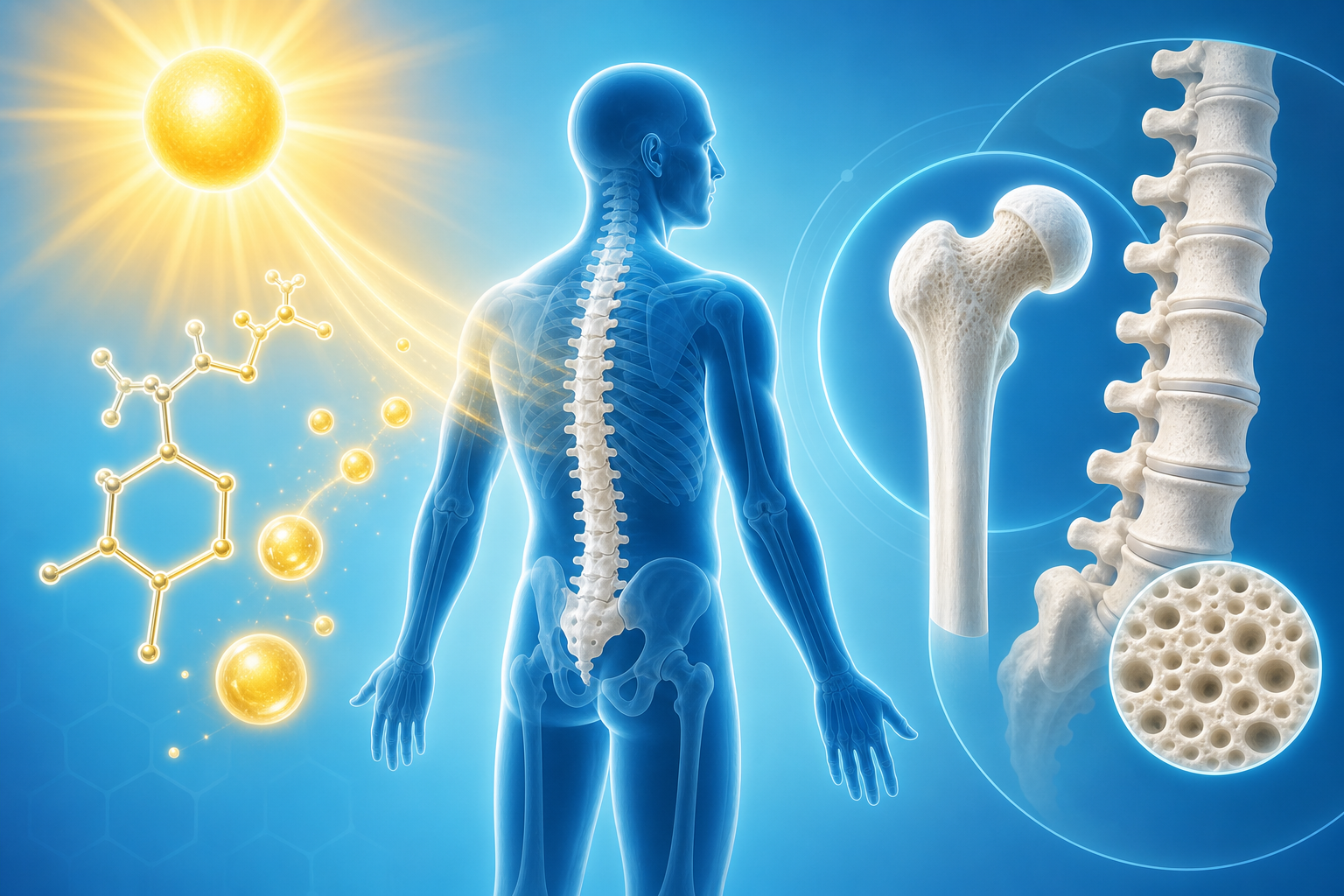
Vitamin D is a fat-soluble vitamin that acts more like a hormone in the body. Your skin can produce vitamin D3 (cholecalciferol) when exposed to ultraviolet B (UVB) sunlight. You can also get smaller amounts from food and supplements.
Vitamin D deficiency means your blood levels of 25-hydroxyvitamin D — the standard lab marker — fall below the range your clinician considers adequate for your age, bone health, and medical history.
Why vitamin D matters
Vitamin D plays several essential roles:
| Function | What vitamin D helps do |
|---|---|
| Bone health | Supports calcium and phosphorus absorption; low levels raise risk of rickets, osteomalacia, and osteoporosis |
| Muscle strength | Deficiency can cause proximal muscle weakness and falls in older adults |
| Immune regulation | Influences innate and adaptive immunity; low levels linked to more respiratory infections in some studies |
| Mood & brain health | Associated with depression risk in observational research — though cause and effect is complex |
| Cardiometabolic health | Low levels correlate with hypertension and diabetes risk in population studies |
The NIH Office of Dietary Supplements notes that vitamin D is critical for skeletal health across the lifespan — from infant bone development to fracture prevention in older adults.
Vitamin D Deficiency Symptoms
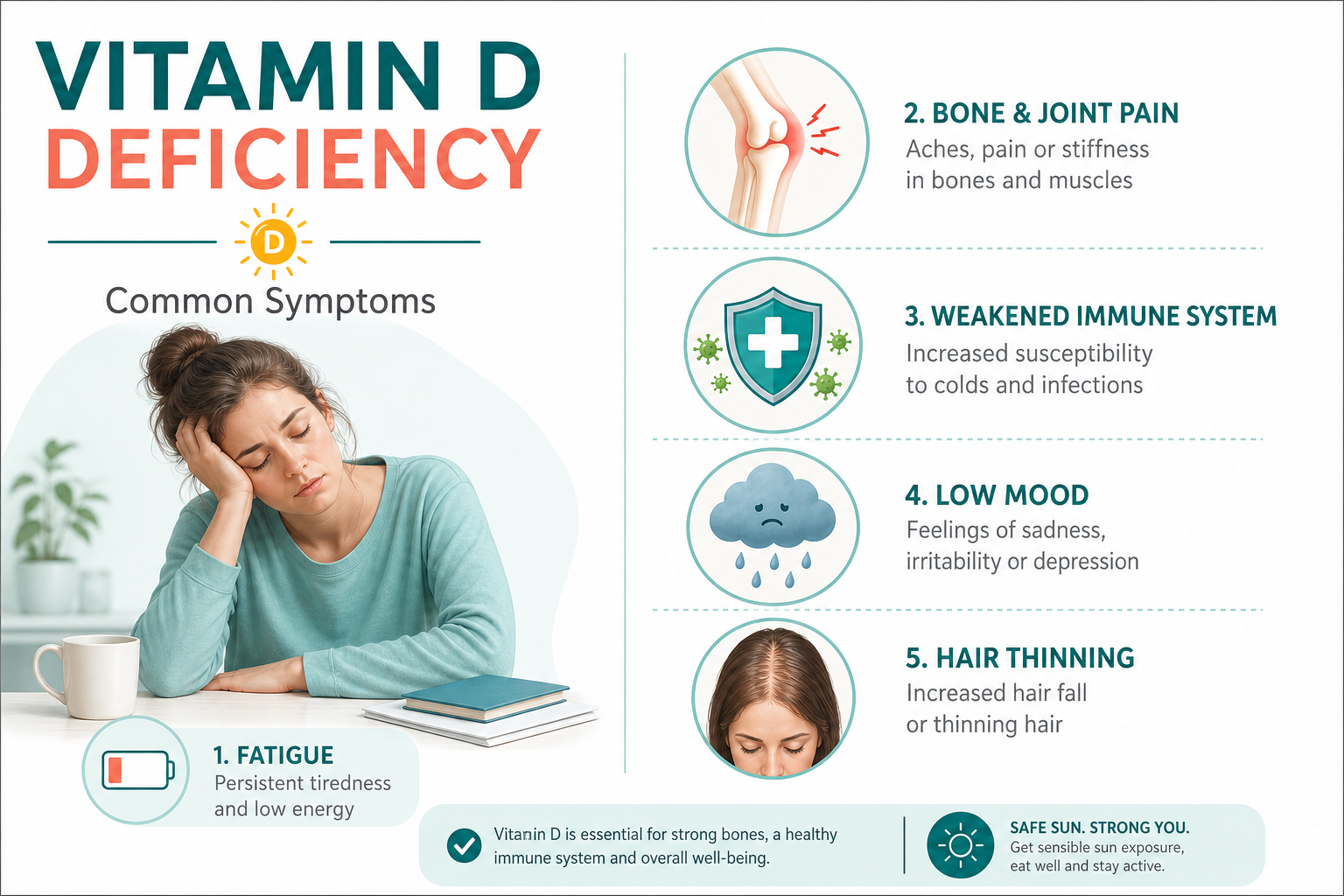
Symptoms are often subtle at first and overlap with other conditions — including iron deficiency, thyroid problems, and chronic stress. That is why testing matters when symptoms persist.
Early and common symptoms
- Fatigue and low energy — often the first complaint, similar to B12 deficiency fatigue
- Bone pain — especially lower back, pelvis, or long bones
- Muscle weakness or cramps — can resemble magnesium deficiency symptoms
- Frequent infections — repeated colds or slow recovery
- Low mood or irritability — see also anxiety physical symptoms
- Hair thinning or shedding — also common with low iron
- Generalized aches — sometimes mistaken for fibromyalgia
Symptoms in children
- Delayed growth or bone pain
- Rickets — softened, weakened bones causing bowed legs or skeletal deformities
- Irritability and poor sleep
Symptoms in older adults
- Increased fall risk from muscle weakness
- Osteoporosis and fragility fractures
- Worsening high blood pressure in some patients
When symptoms need urgent care
Seek prompt medical attention for severe bone pain with trauma, chest pain, fainting, heart palpitations, or signs of severe hypercalcemia if you have been taking high-dose vitamin D without monitoring.
Causes of Vitamin D Deficiency
Understanding why levels drop helps you choose the right fix — sun habits, diet, or targeted supplementation.
1. Limited sun exposure
Indoor lifestyles, office work, winter at high latitudes, air pollution, and consistent sunscreen use all reduce UVB-driven vitamin D synthesis. Night-shift workers and people who cover skin for religious or cultural reasons are especially affected.
2. Skin pigmentation and geography
Higher melanin levels reduce UVB penetration. People with darker skin living far from the equator often need more sun time or dietary/supplement support to maintain adequate levels.
3. Age-related decline
Skin production of vitamin D decreases with age. Older adults also tend to spend less time outdoors and may absorb less dietary vitamin D — compounding daily wellness challenges.
4. Inadequate dietary intake
Few foods naturally contain high vitamin D. Vegan diets without fortified foods, limited fish intake, and low dairy consumption increase deficiency risk — alongside folic acid and B12 gaps in poorly planned plant-based eating.
5. Malabsorption and digestive disease
Celiac disease, inflammatory bowel disease, bariatric surgery, chronic pancreatitis, and cystic fibrosis can impair fat absorption — and vitamin D is fat-soluble. If you have ongoing digestive symptoms, read our dehydration and gut health guide and discuss absorption testing with your clinician.
6. Obesity
Vitamin D is sequestered in adipose tissue, which may lower bioavailable levels. Weight management is one piece of a broader metabolic picture that also includes early diabetes symptoms.
7. Kidney or liver disease
The body must convert vitamin D to its active form (calcitriol) through liver and kidney enzymes. Chronic kidney or liver disease disrupts this activation chain.
8. Medications
Some drugs increase breakdown or reduce absorption of vitamin D, including certain anti-seizure medications, glucocorticoids, and weight-loss drugs. Always review supplements with your prescriber.
Who Is Most at Risk?
| Risk group | Why levels tend to run low |
|---|---|
| Infants exclusively breastfed | Breast milk alone may not provide enough vitamin D |
| Older adults | Reduced skin synthesis + less outdoor time |
| People with limited sun | Homebound, institutionalized, or high-latitude winters |
| Darker skin at northern latitudes | Lower UVB conversion efficiency |
| Obesity | Increased sequestration in fat tissue |
| Malabsorption syndromes | Poor uptake from gut |
| Osteoporosis or fracture history | Higher needs for bone protection |
How Vitamin D Deficiency Is Diagnosed
Doctors typically order serum 25-hydroxyvitamin D (25(OH)D). They may also check calcium, phosphate, parathyroid hormone (PTH), and bone density depending on symptoms.
Interpreting levels (general reference)
| 25(OH)D level | Common classification |
|---|---|
| Below 12 ng/mL (30 nmol/L) | Severe deficiency |
| 12–19 ng/mL (30–49 nmol/L) | Deficiency (many guidelines) |
| 20–29 ng/mL (50–74 nmol/L) | Insufficiency |
| 30 ng/mL (75 nmol/L) and above | Adequate for most people (debated upper targets) |
Your clinician should interpret results in context — not in isolation. Bone pain, falls, malabsorption, or chronic kidney disease may warrant treatment even at borderline levels.

Vitamin D Sources: Sunlight, Food & Supplements

Sunlight (UVB exposure)
Sensible sun exposure can help maintain levels, but balance skin cancer risk:
- Midday sun produces vitamin D most efficiently (when UV index is sufficient)
- Expose arms and legs without sunscreen for short periods if your clinician agrees
- People with history of melanoma should prioritize diet and supplements over intentional tanning
- Cloud cover, smog, and glass windows block UVB
Pair outdoor time with sleep hygiene and morning light habits for broader wellness benefits.
Best food sources
| Food | Approximate vitamin D (varies by product) |
|---|---|
| Salmon, mackerel, sardines | High |
| Cod liver oil | Very high (use cautiously — also high vitamin A) |
| UV-exposed mushrooms | Moderate |
| Egg yolks | Low to moderate |
| Fortified milk, OJ, cereals | Moderate (check labels) |
For supplement product comparisons, see our guide to best vitamin D supplements for energy, immunity, and bones.
Vitamin D Deficiency Treatment
Treatment depends on severity, underlying cause, and other labs (calcium, PTH, kidney function).
1. Prescription or OTC supplementation
Common forms:
- Vitamin D3 (cholecalciferol) — preferred for raising blood levels in most cases
- Vitamin D2 (ergocalciferol) — plant-derived alternative
Doctors may prescribe high weekly doses for severe deficiency, then maintenance dosing. Do not megadose without monitoring — vitamin D toxicity causes hypercalcemia, kidney stones, and cardiac rhythm problems.
2. Calcium co-therapy
When deficiency affects bones, clinicians often ensure adequate calcium intake alongside vitamin D — especially in osteoporosis management.
3. Address root causes
Treat malabsorption, optimize weight, adjust medications if possible, and correct overlapping deficiencies (iron, B12, magnesium).
4. Lifestyle integration
- Brief safe sun when appropriate
- Fatty fish twice weekly
- Fortified foods daily
- Weight-bearing exercise for bone density
- Fall-prevention strategies for seniors
Recommended Intake (General Reference)
| Life stage | NIH daily reference (IU) |
|---|---|
| Infants 0–12 months | 400 IU (10 mcg) |
| Children & adults 1–70 years | 600 IU (15 mcg) |
| Adults over 70 | 800 IU (20 mcg) |
| Pregnancy & lactation | 600 IU (15 mcg) |
Deficiency treatment doses are higher and must be individualized. Upper tolerable intake for adults is 4,000 IU/day from all sources unless medically supervised at higher levels.
Prevention: How to Keep Vitamin D Levels Healthy
- Know your risk — indoor job, dark winters, malabsorption, or age over 65
- Get tested periodically if you are high-risk or symptomatic
- Eat vitamin D–rich foods regularly
- Use sensible sun when safe for your skin type and cancer history
- Supplement when recommended — especially breastfed infants and many older adults
- Support overall nutrition — explore our Health Articles hub for related guides on Vitamin C, skincare nutrition, and wellness habits
- Re-test after 8–12 weeks of treatment to confirm levels improved
Vitamin D and Related Health Conditions
Bone health & osteoporosis
Long-term deficiency softens bone matrix (osteomalacia) and accelerates bone loss. Work with your doctor on DEXA scanning if you have fracture risk.
Immune function
Adequate vitamin D supports immune cell signaling. It does not replace vaccines or treatment for infections — but correcting deficiency may reduce susceptibility in deficient individuals.
Mood & mental health
Low vitamin D correlates with depression in observational studies. Supplementation helps some people but is not a standalone treatment for clinical depression — combine with professional mental health care and stress tools from our stress management guide.
Blood pressure & heart health
Some research links low vitamin D with hypertension. If you track cardiovascular risk, pair this guide with high blood pressure symptoms and prevention.
Key Takeaways
- Vitamin D deficiency is common, often subtle, and easily missed without a blood test.
- Symptoms include fatigue, bone pain, muscle weakness, frequent illness, low mood, and hair thinning — overlapping with iron, B12, and thyroid issues.
- Causes range from limited sun and poor diet to malabsorption, obesity, aging, and medications.
- Treatment combines supplementation (when needed), dietary changes, sensible sun, and fixing underlying conditions.
- Prevention means knowing your risk, testing if symptomatic, and maintaining year-round habits — not just summer sun.
- Always confirm dosing and duration with a qualified clinician, especially if you have kidney disease or take multiple supplements.
Explore Related Guides
Building a complete picture of your health often means looking at overlapping nutrient and symptom patterns:
- Vitamin B12 Deficiency: Symptoms & Treatment
- Magnesium Deficiency Symptoms & Food Sources
- Iron Deficiency Anemia: Symptoms & Causes
- Folic Acid Deficiency: Symptoms & Best Foods
- Thyroid Symptoms in Women
- Daily Wellness Habits for Better Energy
- Browse all Vitamin Deficiency & Nutrition articles
Medical Disclaimer
Symptoms Insight publishes general health information for educational purposes only. It is not a substitute for professional medical advice, diagnosis, or treatment. Always seek the advice of a qualified healthcare provider with questions about a medical condition, lab results, or supplement use.
About the publisher

Rajat
Health & Wellness Editor | Global
Health & Wellness Editor | Global
Rajat edits Symptoms Insight as a practical health publication focused on symptoms, vitamin deficiencies, skincare, wellness habits, and digital health — always encouraging readers to consult qualified healthcare professionals for personal medical decisions.
FAQ
Frequently asked questions
What are the first signs of vitamin D deficiency?
Early signs often include persistent fatigue, muscle aches, bone pain, frequent colds, low mood, and hair thinning. Many people notice tiredness and achiness before they realize vitamin D could be involved — a blood test is the only reliable way to confirm low levels.
How much sun do you need for vitamin D?
For many people with lighter skin, brief regular sun exposure to arms and legs — often cited as roughly 10 to 30 minutes several times per week in midday sun — may support vitamin D production. Needs vary by skin tone, latitude, season, sunscreen use, and age. People at higher risk of skin cancer should prioritize food and supplements over unprotected sun exposure.
Which foods are highest in vitamin D?
Fatty fish (salmon, sardines, mackerel), cod liver oil, egg yolks, UV-exposed mushrooms, and fortified milk or plant milks are among the best dietary sources. Most people cannot meet optimal levels through food alone without sun or supplements.
What vitamin D level is considered deficient?
Labs and guidelines differ slightly, but many clinicians consider serum 25-hydroxyvitamin D below 20 ng/mL (50 nmol/L) deficient and 20–29 ng/mL (50–74 nmol/L) insufficient. Optimal targets for bone health are debated; your doctor should interpret results in context of symptoms, bone density, and other labs.
Can vitamin D deficiency cause hair loss?
Yes. Low vitamin D has been linked to hair shedding and certain hair loss conditions in research, though hair loss also has many other causes including iron deficiency, thyroid disease, and stress. Persistent shedding warrants medical evaluation rather than self-supplementing alone.
Is it safe to take vitamin D every day?
Daily low-to-moderate doses are commonly used when medically appropriate, but high doses can cause toxicity with hypercalcemia. Always follow clinician guidance — especially if you have kidney disease, take heart medications, or use other fat-soluble vitamins.
How long does it take to fix vitamin D deficiency?
With prescribed supplementation and adequate intake, many people see improved levels within weeks, but rebuilding stores fully can take several months depending on starting level, dose, absorption, and underlying conditions such as obesity or malabsorption.
Who is most at risk for vitamin D deficiency?
People with limited sun exposure, darker skin living at high latitudes, older adults, those who cover skin for cultural or medical reasons, people with obesity, malabsorption conditions, and breastfed infants without supplementation are among the highest-risk groups.