Medical & editorial notice: Symptoms Insight publishes general health information for educational purposes only. It is not a substitute for professional medical advice, diagnosis, or treatment. Always seek the advice of a qualified healthcare provider with questions about a medical condition.
What Is Folic Acid Deficiency?
Folate (vitamin B9) helps make red blood cells and supports DNA repair. Low levels can cause anemia-like symptoms and are especially important to address before and during pregnancy.
Common Symptoms
- Fatigue and weakness
- Pale skin
- Shortness of breath
- Mouth sores
- Tongue soreness or swelling
- Irritability
- Poor concentration
Best Food Sources
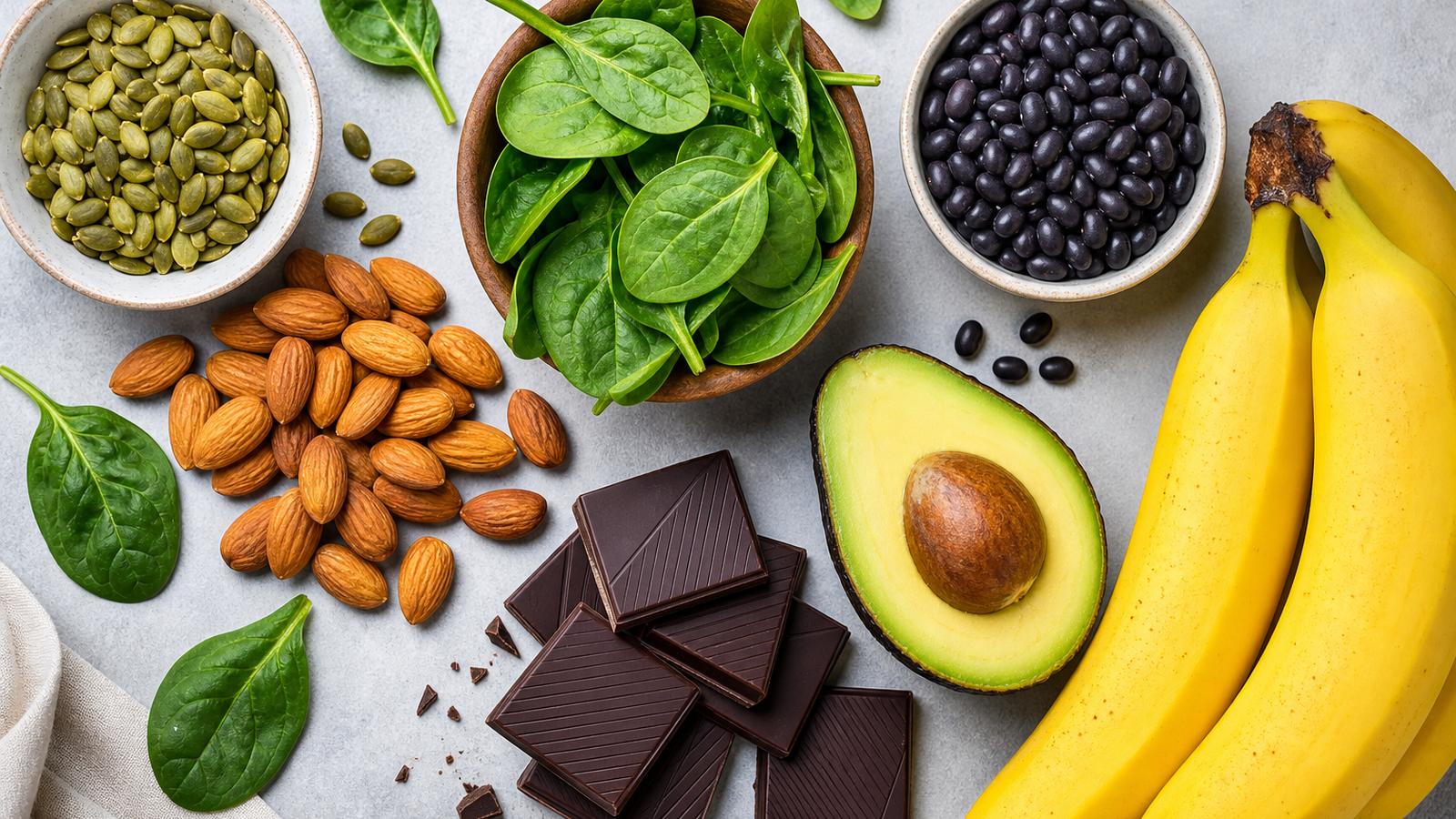
- Spinach and romaine lettuce
- Lentils and chickpeas
- Asparagus and broccoli
- Oranges and papaya
- Fortified cereals and bread
Who Is at Higher Risk?
- Pregnancy and preconception planning
- Heavy alcohol use
- Celiac disease or malabsorption conditions
- Certain medications (ask your clinician)
- Diets very low in vegetables and legumes
Medical Disclaimer
This article is educational only. Pregnancy-related nutrition decisions should always involve a healthcare provider.
About the publisher

Rajat
Health & Wellness Editor | Global
Health & Wellness Editor | Global
Rajat edits Symptoms Insight as a practical health publication focused on symptoms, vitamin deficiencies, skincare, wellness habits, and digital health — always encouraging readers to consult qualified healthcare professionals for personal medical decisions.
FAQ
Frequently asked questions
What are symptoms of folic acid deficiency?
Fatigue, weakness, mouth sores, tongue swelling, gray hair, and irritability can occur. Severe deficiency may cause anemia.
Which foods are rich in folate?
Leafy greens, lentils, beans, asparagus, citrus fruits, and fortified grains are excellent sources.
Who needs more folic acid?
People planning pregnancy, pregnant individuals, and people with certain anemia types or malabsorption may need medical guidance on folate intake.