Medical & editorial notice: Symptoms Insight publishes general health information for educational purposes only. It is not a substitute for professional medical advice, diagnosis, or treatment. Always seek the advice of a qualified healthcare provider with questions about a medical condition.
Review snapshot
What we checked for this guide
Official sources used
Pages checked while updating this article
Introduction
Omega-3 deficiency rarely arrives with a dramatic warning. Instead it shows up in small, easily dismissed ways — skin that stays dry no matter how much lotion you use, hair that looks dull and breaks too easily, joints that feel stiff in the morning, a mood that dips for no obvious reason, or a brain that just cannot seem to focus. Because none of these symptoms scream "nutrient problem," omega-3 shortfall is one of the most overlooked issues in modern diets, especially for people who rarely eat fish.
Omega-3 fatty acids are essential fats, meaning your body cannot make them and must get them from food. They are built into the membrane of nearly every cell you have, and they are especially concentrated in the brain, eyes, and heart. When intake runs low over months and years, the effects are subtle but real, touching everything from your skin barrier to your cardiovascular system and cognitive performance. Like most nutrition issues, low omega-3 rarely travels alone — it often sits alongside other gaps such as vitamin D deficiency and magnesium deficiency in diets that are short on whole foods.
This pillar guide covers omega-3 deficiency signs, the difference between EPA, DHA, and ALA, the best omega-3 food sources, the science-backed benefits for heart and brain, how much you need, supplement guidance, and the red flags that mean it is time to see a doctor. For related nutrient guides, explore our Vitamin Deficiency & Nutrition and Wellness & Lifestyle hubs.
Medical note: This article is for general education only. It is not a substitute for professional medical advice, diagnosis, or treatment. Always consult a qualified healthcare provider for personal medical decisions, lab interpretation, or before starting any supplement.
What Are Omega-3 Fatty Acids and Why Do They Matter?
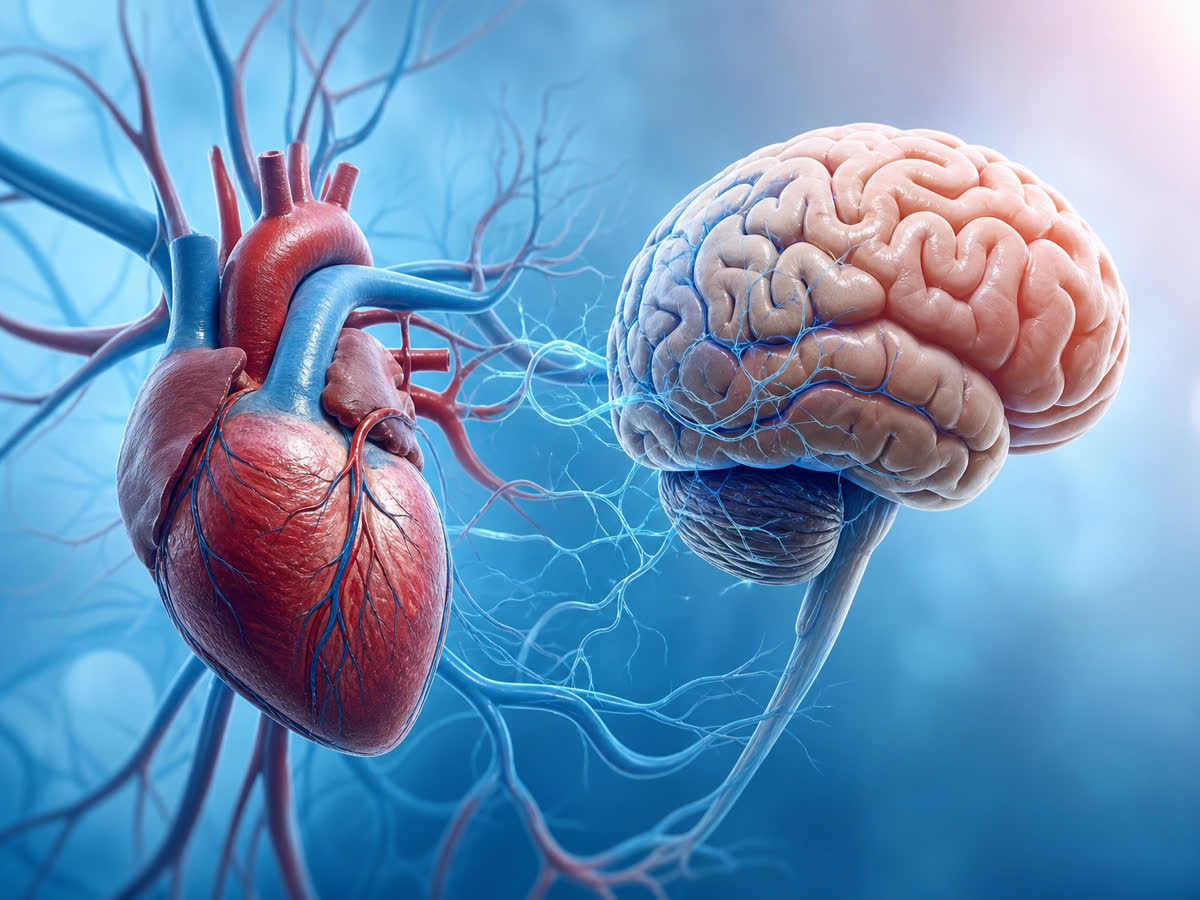
Omega-3s are a family of polyunsaturated fats that play both structural and functional roles in the body. They form part of the flexible outer membrane of your cells, help control inflammation, and act as raw material for signaling molecules that influence blood vessels, the immune system, and the brain.
According to the NIH Office of Dietary Supplements, omega-3s are involved in heart health, brain function, eye health, and the body's inflammatory response. Because they are essential, the only way to maintain healthy levels is through diet — either from oily fish and seafood, plant foods, or supplements.
The three omega-3s you need to know
| Type | Where it is found | What it does |
|---|---|---|
| ALA (alpha-linolenic acid) | Flaxseed, chia, walnuts, hemp, canola oil | The plant "parent" fat; partly converts to EPA and DHA |
| EPA (eicosapentaenoic acid) | Fatty fish, algae oil | Supports heart health, mood, and healthy inflammation |
| DHA (docosahexaenoic acid) | Fatty fish, algae oil | A major structural fat in the brain, eyes, and nervous system |
The key nuance is conversion. Your body can turn ALA from plants into the more active EPA and DHA, but the process is inefficient — often only a few percent of ALA becomes EPA, and even less becomes DHA. That is why people who never eat fish or algae-based supplements can technically get "omega-3" from seeds yet still fall short on the long-chain fats their brain and heart use most.
Omega-3 Deficiency Signs and Symptoms
There is no single dramatic symptom of low omega-3. Instead, it is a cluster of subtle changes that build up over time. Recognizing the pattern is more useful than fixating on any one sign.

Common early signs
- Dry, rough, or flaky skin — omega-3 helps maintain the skin's moisture barrier
- Brittle, dull hair and nails that break easily
- Dry, irritated, or gritty eyes
- Stiff or aching joints, especially in the morning
- Low mood, irritability, or emotional flatness
- Trouble concentrating or a persistent sense of brain fog
- Fatigue and slower recovery after exercise
Signs that overlap with other issues
Many omega-3 symptoms mirror other conditions, which is exactly why testing your assumptions matters. Fatigue and brain fog can point to iron deficiency anemia, vitamin B12 deficiency, or thyroid problems. Persistent tiredness may also reflect chronic fatigue or poor sleep. Mood changes and irritability can be linked to stress and elevated cortisol, which we cover in our guide on how to lower cortisol naturally, and to the physical toll described in our anxiety physical symptoms article.
Because the picture is so broad, the smart move is to look at your overall diet and fish intake first, then work with a clinician to rule out other causes rather than blaming a single nutrient.
Why dry skin is such a telling clue
Of all the signs, skin changes are among the most consistent. Omega-3 fats are part of the lipid layer that keeps water inside the skin and irritants out. When that layer is under-supplied, skin loses moisture faster, feels rough, and can become more reactive. If you have tried moisturizers without much success, improving dietary fats — alongside good hydration covered in our dehydration guide — is worth considering.
What Causes Omega-3 Deficiency?
Understanding the cause helps you choose the right fix. For most people, the issue is simply not eating enough of the right foods, but absorption and life stage play a role too.
1. Low intake of fish and seafood
This is by far the most common cause. Diets built around processed foods, red meat, and refined oils tend to be high in omega-6 and low in omega-3. Many people go weeks without eating oily fish, which are the richest EPA and DHA source. A repetitive diet low in whole foods makes the gap worse.
2. Vegetarian and vegan diets without planning
Plant-based eaters can absolutely meet their needs, but only with intention. Relying on ALA from seeds alone leaves EPA and DHA low because of poor conversion. Without an algae-based supplement or careful planning, long-term intake of the active fats can run short.
3. Very low-fat diets
Extreme low-fat eating cuts out not just unhealthy fats but essential ones too. Since omega-3s are fats, drastically restricting all dietary fat can quietly reduce intake of the fats your brain and heart depend on.
4. Fat malabsorption conditions
Because omega-3s are fat-soluble, any condition that impairs fat absorption can reduce how much you actually take in. This includes celiac disease, Crohn disease, and other gut disorders. Ongoing digestive issues and conditions managed alongside acid reflux and GERD can affect overall nutrient uptake.
5. Higher needs and life stage
- Pregnancy and breastfeeding raise DHA needs for the baby's brain and eye development
- Older adults may benefit from steady intake for heart and cognitive health
- Athletes and highly active people may have higher demands for recovery
The Health Benefits of Omega-3
The reason omega-3 deficiency matters is the sheer range of systems these fats support. Decades of research point to several well-established benefits.
Heart health
Omega-3s are best known for supporting the cardiovascular system. They can help lower triglycerides, support healthy blood pressure, and promote a steady heart rhythm. Per Mayo Clinic, fish oil is used to help reduce high triglyceride levels, and eating fish is associated with a lower risk of heart disease. This makes omega-3 a natural companion to the lifestyle steps in our high blood pressure guide.
Brain and mood
DHA is a major structural fat in the brain, and both EPA and DHA are studied for their role in mood and cognitive function. Adequate intake is linked with better focus and may support emotional wellbeing as part of a broader routine that includes movement, connection, and quality rest — the kind of foundations in our sleep hygiene tips.
Eyes
DHA is concentrated in the retina, and omega-3s support eye health and may help with dry-eye symptoms. This is one reason gritty, dry eyes can be an early clue of low intake.
Inflammation and joints
Omega-3s help the body produce molecules that resolve inflammation, which is why many people with stiff, achy joints notice benefits from a diet richer in oily fish. Managing inflammation is part of the bigger wellness picture covered across our daily wellness habits guide.
Metabolic and long-term health
A diet rich in omega-3 and whole foods supports healthy metabolism and may play a supporting role in blood sugar management — relevant context for anyone watching for early diabetes symptoms. The World Health Organization emphasizes shifting fat intake toward unsaturated fats like those in fish, nuts, and seeds as part of a healthy diet.
Best Omega-3 Food Sources
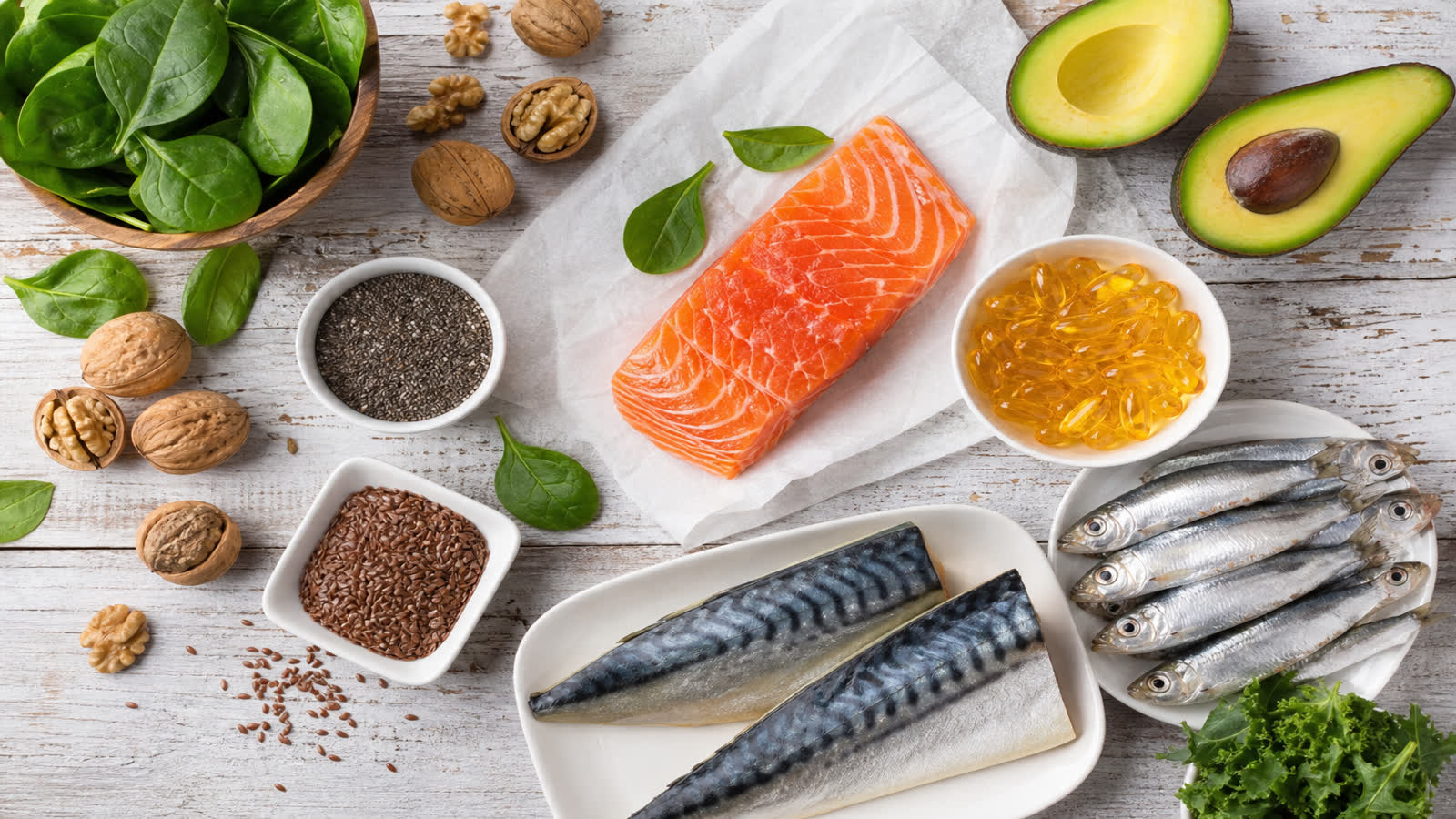
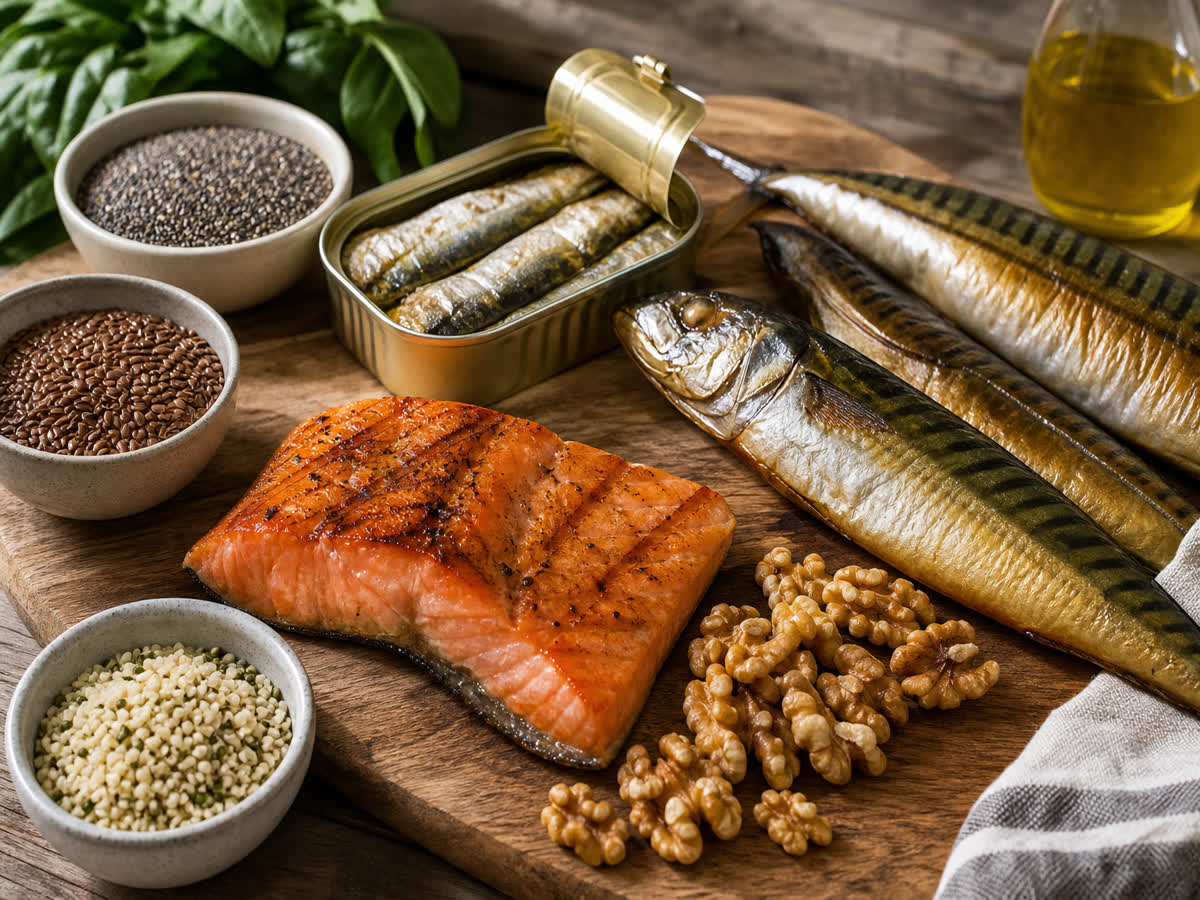
Food comes first. Building a few reliable habits around fish, seeds, and nuts is the most effective way to prevent and correct low omega-3.
Best animal (EPA and DHA) sources
| Food | Why it helps |
|---|---|
| Salmon | One of the richest, most versatile EPA and DHA sources |
| Sardines | Affordable, sustainable, and rich in omega-3 plus calcium |
| Mackerel | Very high in omega-3, great grilled or canned |
| Herring & anchovies | Small oily fish packed with EPA and DHA |
| Trout | A milder freshwater option high in omega-3 |
| Oysters & mussels | Shellfish with a useful omega-3 contribution |
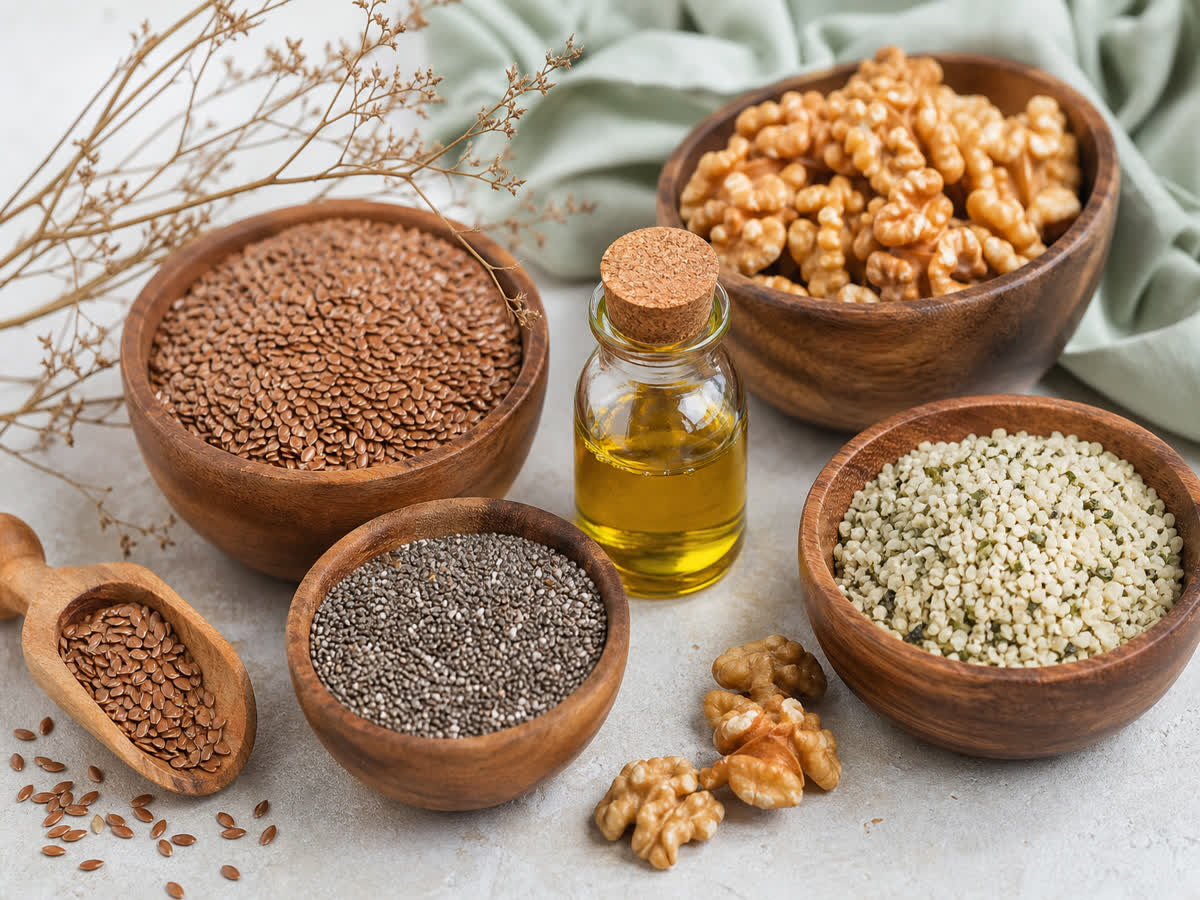
Best plant (ALA) sources
| Food | Why it helps |
|---|---|
| Flaxseeds (ground) | One of the highest plant ALA sources; grind for absorption |
| Chia seeds | ALA plus fiber; easy to add to oats or smoothies |
| Walnuts | Convenient snack with a strong ALA content |
| Hemp seeds | ALA plus protein, easy to sprinkle on meals |
| Canola & flaxseed oil | Useful cooking and dressing oils higher in ALA |
| Edamame & soy | Modest plant omega-3 with protein |
Practical tips:
- Aim for two to three servings of oily fish per week to cover EPA and DHA
- Grind flaxseeds or buy them pre-ground, since whole seeds pass through undigested
- Add chia or hemp to breakfast to build a daily ALA habit
- Balance your fats — reduce heavily processed foods high in omega-6 refined oils
- If you avoid fish, plan an algae oil supplement for direct DHA and EPA
Omega-3 Supplements: What to Know
When diet falls short — especially for people who dislike or avoid fish — supplements can help close the gap. But not all products are equal.
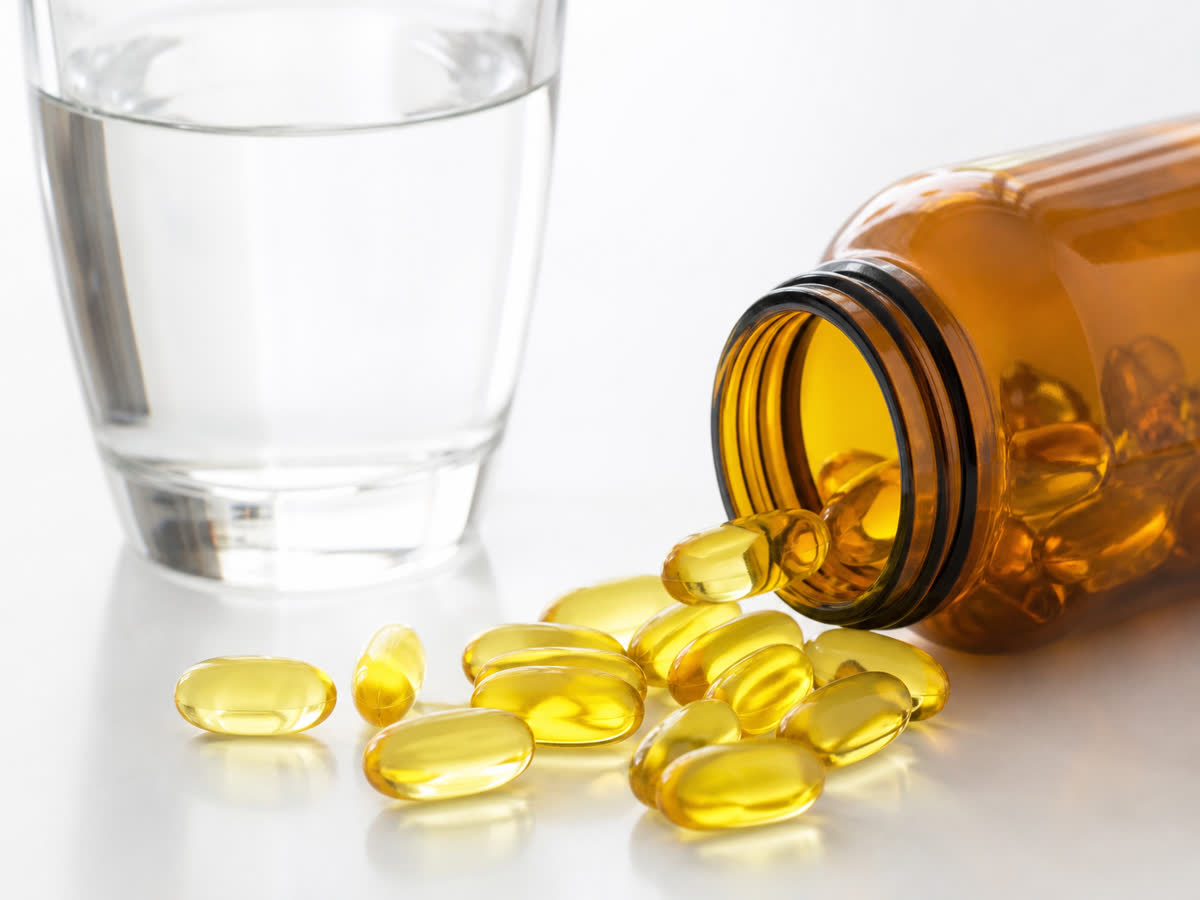
Common supplement forms
| Form | Notes |
|---|---|
| Fish oil | Most common and affordable; look at the EPA and DHA per capsule |
| Krill oil | Omega-3 in a different form some find easier to absorb; usually pricier |
| Algae oil | Plant-based EPA and DHA; ideal for vegetarians and vegans |
| Cod liver oil | Provides omega-3 plus vitamins A and D; watch total vitamin A intake |
How to read a label
The single most important number is the combined EPA and DHA per serving, not the total "fish oil" amount. A 1,000 mg fish oil capsule might only contain 300 mg of actual EPA and DHA. Choose a reputable brand tested for purity and heavy metals, and store it well since omega-3 oils can go rancid.
Safety and interactions
Per general guidance, food and moderate supplements are safe for most people, but there are cautions:
- Blood thinning — high doses can slightly increase bleeding risk, important if you take anticoagulants or face surgery
- Digestive effects — fishy burps, loose stools, or nausea at higher doses
- Upper limits — doses above about 3 grams of combined EPA and DHA per day should be medically supervised
Pairing omega-3 with the rest of a solid supplement routine — such as correcting low vitamin D with help from our best vitamin D supplements review — is more effective than treating any single nutrient in isolation.
How Much Omega-3 Do You Need?
There is no single official RDA for EPA and DHA, but consistent recommendations exist.
| Group | General target |
|---|---|
| General adults (EPA + DHA) | About 250 to 500 mg per day |
| ALA — women | About 1.1 g per day |
| ALA — men | About 1.6 g per day |
| Pregnancy & breastfeeding | Higher DHA needs; seek tailored advice |
| High triglycerides / heart concerns | Sometimes higher, under medical guidance |
For most people, two to three servings of oily fish per week comfortably meets the general EPA and DHA target without any supplement at all. Higher therapeutic doses are a medical decision, not a DIY one.
How Is Omega-3 Status Assessed?

Unlike iron or vitamin D, omega-3 is not part of a routine blood panel for most people. Specialized labs offer an omega-3 index, which measures the percentage of EPA and DHA in red blood cell membranes and reflects your intake over the previous months. A higher index has been linked with better heart and brain outcomes in research.
For most people, though, the practical first step is simpler than a lab test: honestly assess how often you eat oily fish or take a quality supplement. If the answer is "rarely," you likely have room to improve — and you can act on that without waiting for a number. When symptoms are persistent or you have specific health conditions, a clinician can help decide whether testing adds value and rule out overlapping issues like folate deficiency or low zinc.
Omega-3 vs Other Nutrient Deficiencies
Because omega-3 symptoms are vague, they overlap with several other common deficiencies. Comparing them explains why a whole-diet review beats guessing.
| Nutrient | Overlapping symptoms | Learn more |
|---|---|---|
| Omega-3 | Dry skin, brittle hair, low mood, brain fog, joint stiffness | This guide |
| Vitamin D | Fatigue, low mood, bone aches | Vitamin D deficiency guide |
| Iron | Fatigue, brittle nails, hair thinning | Iron deficiency anemia |
| Vitamin B12 | Brain fog, tingling, low energy | B12 deficiency guide |
| Magnesium | Cramps, poor sleep, irritability | Magnesium deficiency guide |
| Calcium | Cramps, brittle nails, weak bones | Calcium deficiency guide |
Because these overlap so heavily, clinicians often review your whole diet and a panel of nutrients rather than fixating on omega-3 alone.
Myths vs Facts About Omega-3
| Myth | Fact |
|---|---|
| "Flaxseed gives me all the omega-3 I need." | Flax provides ALA, but only a small fraction converts to the EPA and DHA your body uses most. |
| "All fish oil supplements are the same." | Products vary widely in actual EPA and DHA content and purity — read the label carefully. |
| "More omega-3 is always better." | Very high doses can thin blood and upset digestion; more is not automatically safer. |
| "Only people with heart disease need omega-3." | These are essential fats everyone needs for skin, brain, eyes, and cells. |
| "Vegans cannot get enough omega-3." | Algae oil supplies direct DHA and EPA, making it very achievable with planning. |
How to Prevent Omega-3 Deficiency
- Eat oily fish two to three times a week — salmon, sardines, mackerel, or herring
- Build a daily ALA habit with ground flax, chia, walnuts, or hemp
- Balance your fats by cutting back on heavily processed foods high in refined oils
- Plan an algae supplement if you avoid fish or follow a vegan diet
- Read supplement labels for combined EPA and DHA, not just total fish oil
- Support absorption by managing any underlying gut or digestive conditions
- Pair with other basics like vitamin D, good sleep, and stress management
- Get tailored advice during pregnancy, breastfeeding, or with heart concerns
These habits fit naturally into the broader routines in our Wellness & Lifestyle hub and pair well with the whole-food approach in our daily wellness habits guide.
When to See a Doctor — Red Flags
Book a routine appointment for:
- Persistent dry skin, brittle hair, or dry eyes that do not improve with diet changes
- Ongoing joint stiffness, low mood, or concentration problems
- A diet that excludes fish and a desire for tailored, safe advice
- Planning a pregnancy or currently breastfeeding, to optimize DHA intake
Talk to your doctor before starting high-dose supplements if you:
- Take blood thinners or other medications
- Have high triglycerides or existing heart disease
- Are scheduled for surgery
If your symptoms are vague but persistent, it is reasonable to ask your clinician to consider omega-3 alongside vitamin D, iron, B12, and thyroid testing — and to rule out overlapping issues rather than guessing at supplements.
Key Takeaways
- Omega-3s are essential fats your body cannot make, concentrated in the brain, eyes, and heart.
- Signs of deficiency include dry skin, brittle hair, dry eyes, joint stiffness, low mood, and poor focus — all easy to overlook.
- EPA and DHA from fish and algae do most of the work; ALA from plants only partly converts.
- Best sources are oily fish two to three times a week, plus flax, chia, walnuts, and hemp — or algae oil for vegans.
- Supplements help when diet falls short; check combined EPA and DHA and mind blood-thinning cautions.
- Overlap with vitamin D, iron, B12, magnesium, and thyroid issues is common, so review your whole diet rather than guessing.
Explore Related Guides
- Vitamin D Deficiency: Symptoms & Prevention
- Magnesium Deficiency: Symptoms & Foods
- Iron Deficiency Anemia: Symptoms & Treatment
- Vitamin B12 Deficiency: Symptoms & Treatment
- Calcium Deficiency: Symptoms & Best Foods
- Zinc Deficiency: Symptoms & Best Foods
- Best Vitamin D Supplements for Energy, Immunity & Bones
- High Blood Pressure: Symptoms, Causes & Prevention
- How to Lower Cortisol Naturally
- Best Sleep Hygiene Tips for Better Rest
- Digestive Issues & Gut Health Guide
- Browse all Vitamin Deficiency & Nutrition guides
- Explore the Symptoms & Conditions and Wellness & Lifestyle hubs
Medical Disclaimer
Symptoms Insight publishes general health information for educational purposes only. It is not a substitute for professional medical advice, diagnosis, or treatment. Always seek the advice of a qualified healthcare provider with any questions about a medical condition, lab results, or supplement use. Never disregard professional medical advice or delay seeking it because of something you have read here.
About the publisher

Rajat
Health & Wellness Editor | Global
Health & Wellness Editor | Global
Rajat edits Symptoms Insight as a practical health publication focused on symptoms, vitamin deficiencies, skincare, wellness habits, and digital health — always encouraging readers to consult qualified healthcare professionals for personal medical decisions.
FAQ
Frequently asked questions
What are the most common signs of omega-3 deficiency?
The most common signs include dry, rough, or flaky skin, brittle hair and nails, dry or gritty eyes, stiff or aching joints, low mood or irritability, and trouble concentrating. Many people also notice more fatigue and slower recovery from workouts. Because these symptoms overlap with other nutrient shortfalls and everyday stress, they are easy to miss, which is why looking at your overall diet and fish intake matters more than any single symptom.
Which foods are highest in omega-3?
Fatty fish are the richest sources of the active forms EPA and DHA, including salmon, sardines, mackerel, herring, anchovies, and trout. Plant foods such as flaxseeds, chia seeds, walnuts, hemp seeds, and canola oil provide the parent omega-3 called ALA, which the body only partly converts. For people who avoid fish, algae oil supplements offer a direct vegan source of DHA and EPA. Eating oily fish two to three times a week is a reliable approach.
What is the difference between EPA, DHA, and ALA?
ALA (alpha-linolenic acid) is the plant form found in seeds and nuts, and it is an essential fat you must get from food. EPA and DHA are the long-chain omega-3s found mainly in fish and algae, and they do most of the heavy lifting for the heart, brain, and eyes. The body can convert ALA into EPA and DHA, but only a small percentage converts, so relying on plants alone makes it harder to reach optimal levels.
How much omega-3 do I need each day?
Most health authorities suggest a combined EPA and DHA intake of about 250 to 500 mg per day for general health, which is roughly what you get from two servings of oily fish a week. For ALA, common targets are about 1.1 grams daily for women and 1.6 grams for men. People with specific heart or triglyceride concerns are sometimes advised higher doses, but higher amounts should be guided by a doctor rather than self-prescribed.
Can omega-3 deficiency cause dry skin and hair loss?
Yes. Omega-3 fats help maintain the skin barrier that locks in moisture, so a shortfall can leave skin dry, rough, and more prone to irritation. Because these fats support healthy hair follicles and scalp condition, low intake may contribute to dull, brittle hair and increased shedding. Skin and hair changes have many causes, so persistent problems are worth discussing with a clinician rather than assuming omega-3 is the only factor.
Are plant-based omega-3 sources enough on their own?
Plant sources like flax, chia, walnuts, and hemp are valuable and provide ALA, fiber, and other nutrients, but the body converts only a small fraction of ALA into the active EPA and DHA your brain and heart use most. Vegetarians and vegans can still do well by eating ALA foods daily and adding an algae-based EPA and DHA supplement, which bypasses the conversion problem and provides the long-chain fats directly.
How is omega-3 status measured?
There is no routine blood test that most doctors order automatically. Specialized labs offer an omega-3 index, which measures the percentage of EPA and DHA in red blood cell membranes and reflects long-term intake. A higher index is associated with better heart and brain outcomes in research. For most people, honestly reviewing weekly fish intake and diet is a practical first step before paying for specialized testing.
Can you take too much omega-3?
Very high doses can thin the blood slightly, cause fishy burps, loose stools, or nausea, and may interact with blood-thinning medications. For most people, food and moderate supplements are safe, but doses above about 3 grams of combined EPA and DHA per day should only be taken under medical supervision. If you take anticoagulants or are scheduled for surgery, talk to your doctor before starting a high-dose fish oil.
Does omega-3 help with mood and brain health?
Omega-3s, especially DHA, are major structural fats in the brain, and low levels have been linked with a higher risk of low mood and poorer cognitive performance in some studies. EPA in particular is being studied for its role in mood. Omega-3 is not a replacement for mental health treatment, but a diet rich in oily fish supports brain health as part of a broader approach that includes sleep, movement, and stress management.
Who is most at risk of omega-3 deficiency?
People who rarely eat fish, strict vegetarians and vegans, those on very low-fat diets, and people with fat malabsorption conditions such as celiac or Crohn disease are at higher risk. Pregnant and breastfeeding women have higher DHA needs for the baby's brain development, and older adults may benefit from steady intake for heart and cognitive health. Diet review and, when needed, an algae or fish oil supplement help close the gap.
When should I see a doctor about omega-3 levels?
See a doctor if you have persistent dry skin, joint pain, low mood, or concentration problems that do not improve with diet changes, or if you follow a diet that excludes fish and want tailored advice. Anyone with heart disease, high triglycerides, or who takes blood thinners should get personalized guidance before starting high-dose supplements. A clinician can help rule out other causes and recommend safe, effective dosing.