
Medical & editorial notice: Symptoms Insight publishes general health information for educational purposes only. It is not a substitute for professional medical advice, diagnosis, or treatment. Always seek the advice of a qualified healthcare provider with questions about a medical condition.
Review snapshot
What we checked for this guide
Official sources used
Pages checked while updating this article
Introduction
If you feel "wired but tired," lie awake at 3 a.m. with a racing mind, crave sugar in the afternoon, and carry stubborn weight around your middle, there is a good chance you have wondered about cortisol — the body's main stress hormone. Searches for how to lower cortisol naturally have exploded, and for good reason: modern life keeps many of us in a low-grade "on" state that our stress system was never designed for.
Here is the important nuance, though: cortisol is not the villain it is often made out to be. You need cortisol to wake up in the morning, respond to challenges, regulate blood sugar, and keep inflammation in check. The problem is not cortisol itself — it is cortisol that stays elevated too often, for too long, without enough recovery in between. That chronic pattern is what drains energy, disrupts sleep, and, over years, raises the risk of problems like high blood pressure and metabolic disease.
This guide explains what cortisol does, the symptoms of high cortisol, what drives it up, how it is tested, and — most importantly — how to lower cortisol naturally with realistic daily habits around sleep, food, movement, breathing, and connection. For more on the bigger picture, explore our Wellness & Lifestyle and Symptoms & Conditions hubs, and our companion guide to stress management techniques that actually work.
Medical note: This article is for general education only. It is not a substitute for professional medical advice, diagnosis, or treatment. Always consult a qualified healthcare provider for personal medical decisions, testing, or before making major changes to medication, diet, or exercise.
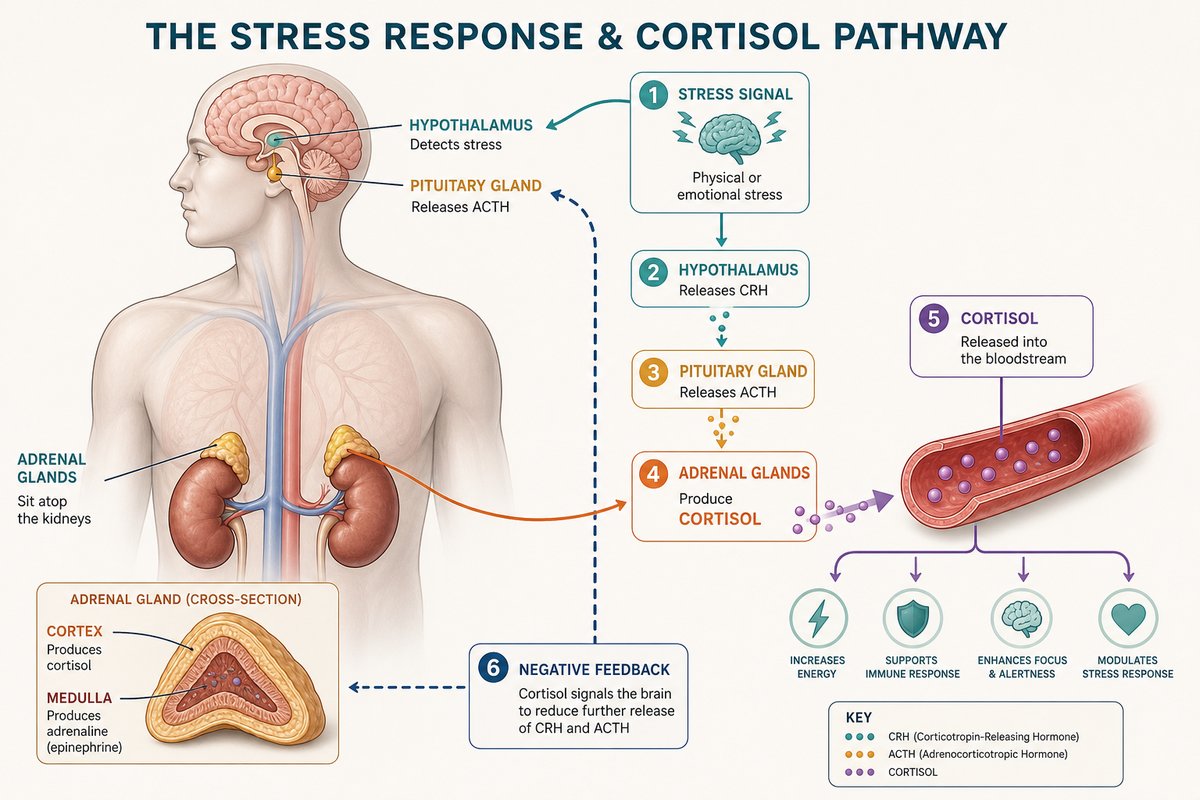

What Is Cortisol and Why Does It Matter?
Cortisol is a glucocorticoid hormone produced by your two adrenal glands, which sit on top of the kidneys. Its release is coordinated by a feedback loop between the brain and the adrenals known as the HPA axis (hypothalamic-pituitary-adrenal axis). When your brain perceives a demand — a deadline, a threat, a hard workout, or even skipping breakfast — it signals the adrenals to release cortisol.
According to NIH MedlinePlus, cortisol affects almost every organ system. Its main jobs include:
| Role of cortisol | What it does |
|---|---|
| Energy and blood sugar | Raises glucose so muscles and brain have fuel under stress |
| Blood pressure | Helps maintain vascular tone and circulation |
| Metabolism | Influences how you use fats, proteins, and carbohydrates |
| Inflammation | Dampens excess inflammation and immune activity |
| Sleep-wake rhythm | Peaks in the morning to wake you, falls at night for sleep |
| Stress response | Powers the "fight or flight" reaction, alongside adrenaline |
The daily cortisol curve
In a healthy pattern, cortisol follows a circadian rhythm. It is highest in the first hour after waking — the "cortisol awakening response" that helps you get going — then gradually declines across the day to its lowest point around midnight. Good sleep, daylight, meals, and movement all help keep this curve sharp and well-timed.
Chronic stress, poor sleep, and irregular routines can flatten or shift this curve. Instead of a strong morning peak and a low, restful night, you get a blunted rhythm — sluggish mornings and a "second wind" of alertness at night. That mismatch is a big reason chronic stress feels the way it does.
High Cortisol Symptoms: What to Watch For
Because cortisol touches so many systems, the symptoms of a chronically elevated or dysregulated pattern are broad and easy to blame on "just being busy." They overlap with several other conditions, which is why they point toward stress rather than prove it.
Common signs of high or dysregulated cortisol
- Sleep problems — trouble falling asleep, or waking around 3–4 a.m. wired
- "Wired but tired" — exhausted yet unable to switch off
- Anxiety, irritability, or a racing mind — see our guide to the physical symptoms of anxiety
- Cravings for sugar, salt, and refined carbs
- Weight gain, especially around the abdomen and face
- High blood pressure — linked in our high blood pressure guide
- Frequent colds or slow healing from immune suppression
- Digestive upset — cortisol influences the gut, as covered in our digestive issues guide
- Brain fog and poor concentration
- Low libido and menstrual changes
Why symptoms are easy to misread
Fatigue, poor sleep, and low mood are not unique to cortisol. They overlap heavily with chronic fatigue, thyroid problems, iron deficiency anemia, vitamin B12 deficiency, and vitamin D deficiency. This is exactly why self-diagnosing "adrenal fatigue" from an online quiz is risky. Persistent symptoms deserve a proper medical review rather than guesswork or unregulated supplements.
A note on "adrenal fatigue"
You will see the term "adrenal fatigue" everywhere online. It is not a recognized medical diagnosis — the idea that everyday stress "burns out" the adrenal glands is not supported by strong evidence. What is real is HPA-axis dysregulation: the stress-signaling system getting stuck in an unhelpful pattern. The good news is that the same natural habits below help either way.
What Causes High Cortisol?
Cortisol rises for many reasons — some are healthy and temporary, others are chronic and worth addressing.
1. Chronic psychological stress
Ongoing pressure from work, finances, caregiving, or relationships keeps the HPA axis activated. Per Mayo Clinic, long-term activation of the stress response — and the resulting flood of cortisol and other stress hormones — can disrupt nearly all your body's processes, raising the risk of anxiety, depression, digestive problems, heart disease, weight gain, and sleep issues.
2. Poor and irregular sleep
Sleep loss and shift work directly raise evening cortisol and blunt the healthy morning peak. It becomes a vicious cycle: stress harms sleep, and poor sleep raises stress hormones. Fixing sleep is often the highest-leverage change, which is why we return to it below and in our sleep hygiene guide.
3. Diet and blood-sugar swings
Skipping meals, then overloading on sugar and refined carbs, causes glucose spikes and crashes that trigger cortisol. Excess caffeine and alcohol also nudge cortisol upward, especially when you are already stressed or under-slept.
4. Over-training and under-recovery
Exercise is protective, but too much intense training without rest keeps cortisol high. Athletes and enthusiastic gym-goers who feel wired, sore, and sleepless may be under-recovering rather than under-training.
5. Medical causes and medications
Less commonly, high cortisol has a specific medical cause, such as Cushing's syndrome, an adrenal or pituitary tumor, or long-term use of corticosteroid medications (for asthma, autoimmune disease, or inflammation). These require medical diagnosis and management — another reason not to self-treat persistent, severe symptoms.

How to Lower Cortisol Naturally: 9 Evidence-Based Strategies
There is no single "cortisol switch." What works is a stack of daily habits that calm the nervous system, steady blood sugar, and restore a healthy rhythm. Below are the highest-impact, evidence-informed strategies — start with one or two and build.
1. Prioritize consistent, high-quality sleep
Sleep is the foundation. Aim for 7–9 hours on a regular schedule, even on weekends. A steady wake time anchors the whole cortisol curve.
- Keep the bedroom cool, dark, and screen-free
- Get morning daylight to sharpen the morning peak
- Avoid caffeine after early afternoon and heavy alcohol at night
- Wind down with a calming routine 30–60 minutes before bed
Our full sleep hygiene tips guide walks through this in detail. Better sleep alone can meaningfully reset a stressed cortisol pattern.
2. Practice slow breathing and relaxation
Slow, deep breathing activates the parasympathetic ("rest and digest") nervous system, which counteracts the stress response. Even a few minutes helps.
- Box breathing: inhale 4, hold 4, exhale 4, hold 4
- Extended exhale: breathe in for 4, out for 6–8
- Meditation or body scans for 5–10 minutes
- Progressive muscle relaxation before bed
The CDC lists relaxation techniques, deep breathing, and mindfulness among practical ways to cope with stress. These pair perfectly with the tools in our stress management techniques guide.
3. Move regularly — but do not overdo it
Movement lowers cortisol over time and improves sleep and mood, but balance matters.
- Walking — a daily walk, ideally outdoors, is one of the best low-cortisol activities
- Moderate cardio — most days, at a comfortable-to-brisk pace
- Strength training — 2–3 times a week supports metabolism and mood
- Yoga, tai chi, and stretching — gentle practices that lower stress hormones
- Rest days — recovery is when the benefits happen
If workouts leave you drained and wired rather than refreshed, that is a signal to scale back intensity and add recovery.


4. Eat to steady your blood sugar
There is no single "anti-cortisol" food, but how and what you eat shapes your stress hormones. The goal is stable blood sugar and a nutrient-rich, minimally processed pattern.
| Focus on | Why it helps |
|---|---|
| Fatty fish, eggs, olive oil, nuts & seeds | Healthy fats and protein steady energy |
| Leafy greens & colorful vegetables | Fiber, antioxidants, and magnesium |
| Berries and whole fruit | Nutrients without big sugar spikes |
| Legumes & whole grains | Slow-release carbs for steady glucose |
| Fermented foods & fiber | Support the gut-brain axis |
| Water and herbal teas | Dehydration is itself a mild stressor |
Just as important is what to limit: excess added sugar, refined carbs, heavy alcohol, and too much caffeine. Steady eating patterns — the kind discussed in our daily wellness habits guide and intermittent fasting beginner's guide — help avoid the glucose crashes that trigger cortisol. Be cautious with very aggressive fasting if you are already highly stressed or sleep-deprived, as it can add strain.
5. Mind your caffeine and alcohol
Caffeine can raise cortisol, particularly at higher doses, later in the day, or when you are already stressed. You do not have to quit coffee, but keep it moderate and morning-focused, and avoid using it to paper over poor sleep. Alcohol may feel relaxing but fragments sleep and raises overnight cortisol — another reason to keep it modest.
6. Get outdoors and into daylight
Natural light in the morning helps set your circadian clock and sharpen the cortisol curve, while time in nature measurably lowers stress. Even a short daily walk outside combines daylight, movement, and mental rest. Sensible sun exposure also supports vitamin D, which plays a role in mood and overall health.
7. Protect connection, downtime, and boundaries
Loneliness and constant "on-call" pressure keep stress hormones elevated. Social connection, laughter, hobbies, and clear boundaries around work and devices are not luxuries — they are physiological stress reducers. Schedule genuine downtime the way you would any other priority.
8. Consider magnesium and other supportive nutrients
Some nutrients support the stress response. Magnesium, in particular, is involved in nervous-system regulation and sleep, and deficiency is common — see our magnesium deficiency guide. Focus on food first (greens, nuts, seeds, legumes, whole grains). Adaptogenic herbs such as ashwagandha are popular, but evidence is mixed and quality varies, so talk to a clinician before starting any supplement, especially if you take medication or are pregnant.
9. Address underlying anxiety or mood concerns
If anxiety, low mood, or burnout are driving your stress, treating the root cause matters. Talking therapies like cognitive behavioral therapy (CBT), mindfulness-based programs, and — when appropriate — professional support can lower the chronic activation behind high cortisol. Our guide on the physical symptoms of anxiety explains how mental and physical stress feed each other.
A Simple Daily Anti-Cortisol Routine
You do not need to do everything at once. Here is how the habits fit into a realistic day:
| Time | Habit | Why it lowers cortisol |
|---|---|---|
| Morning | Wake at a consistent time, get daylight, eat a protein-rich breakfast | Anchors the rhythm, steadies blood sugar |
| Midday | A short outdoor walk; balanced lunch | Movement + daylight + steady glucose |
| Afternoon | Cut off caffeine; take short breathing breaks | Prevents evening cortisol spikes |
| Evening | Moderate exercise or gentle yoga; light dinner | Physical calm without overtraining |
| Night | Screen-free wind-down, dark cool room, regular bedtime | Lets cortisol fall for deep sleep |
Consistency beats intensity. A few of these repeated daily for a few weeks will do more than an occasional "detox."
How Is Cortisol Tested and Diagnosed?
If lifestyle changes are not enough, or symptoms are significant, a doctor can test cortisol directly. Because levels swing throughout the day, timing and interpretation matter.
| Test | What it measures |
|---|---|
| Blood cortisol | A snapshot, often taken in the morning and/or afternoon |
| Salivary cortisol | Convenient at-home samples across the day, including late night |
| 24-hour urine cortisol | Total cortisol output over a full day |
| Dexamethasone suppression test | Checks whether cortisol responds normally to a signal to switch off |
As NIH MedlinePlus explains, a single number rarely tells the whole story — results are read alongside your symptoms, history, and sometimes repeated at set times. If a medical cause like Cushing's syndrome or an adrenal or pituitary problem is suspected, a specialist (endocrinologist) arranges further testing. Beware of unvalidated "at-home cortisol" panels marketed to sell supplements; interpret any result with a clinician.

Cortisol and Long-Term Health
Why bother rebalancing cortisol beyond just feeling better day to day? Because chronically elevated stress hormones are linked to real long-term risks. The World Health Organization notes that ongoing stress affects both mental and physical health and can worsen or contribute to many conditions.
Persistently high cortisol is associated with:
- Higher blood pressure and cardiovascular strain — see our high blood pressure guide
- Weight gain and insulin resistance, raising the risk of type 2 diabetes — our early diabetes symptoms guide explains the warning signs
- Weakened immunity and slower healing
- Digestive problems, including reflux and gut upset — see our GERD and acid reflux guide
- Mood disorders, anxiety, and burnout
- Poor sleep, which feeds back into more stress
The encouraging flip side: the same habits that lower cortisol — sleep, movement, whole foods, connection, and calm — protect against most of these risks at the same time. That is the theme across our Wellness & Lifestyle hub.
Common Mistakes When Trying to Lower Cortisol
- Chasing a quick fix — cortisol responds to consistent routines, not one-off "cleanses"
- Over-exercising to "burn off" stress, which can keep cortisol high
- Cutting all carbs and skipping meals, which can spike stress hormones
- Relying on supplements instead of sleep, food, and stress habits
- Ignoring persistent symptoms that deserve medical evaluation
- Doom-scrolling about cortisol late at night — the irony being that this itself raises it
When to See a Doctor — Red Flags
Most stress-related cortisol issues improve with lifestyle changes, but some signs warrant medical attention. See a doctor if you have:
- Rapid, unexplained weight gain, especially around the trunk and face
- Purple stretch marks, easy bruising, or thinning skin
- Muscle weakness or noticeable muscle loss
- Uncontrolled high blood pressure or new high blood sugar
- Severe or worsening mood changes, anxiety, or depression
- Menstrual changes, low libido, or unexplained fatigue that persists
- Stress that is significantly affecting your work, sleep, or relationships
Seek urgent help for chest pain, fainting, a severe mental health crisis, or any thoughts of self-harm. If you are struggling, reach out to a healthcare professional or a local crisis line — you do not have to manage it alone.
For ongoing tiredness and stress that does not fit a clear pattern, it is reasonable to ask your clinician to also consider thyroid, iron, vitamin B12, and vitamin D testing, and to rule out overlapping issues like chronic fatigue or dehydration.
Key Takeaways
- Cortisol is essential, not evil — the problem is when it stays high for too long without recovery.
- High cortisol symptoms include poor sleep, "wired but tired" fatigue, anxiety, cravings, belly weight gain, and high blood pressure — but they overlap with many conditions.
- The biggest natural levers are consistent sleep, slow breathing, regular-but-not-excessive exercise, steady blood sugar, daylight, and connection.
- Caffeine, alcohol, over-training, and blood-sugar swings commonly push cortisol up.
- Testing (blood, saliva, or urine) is interpreted alongside symptoms — a single number rarely tells the full story.
- See a doctor for red-flag signs or when stress overwhelms daily life; some cases have specific medical causes.
Explore Related Guides
- Stress Management Techniques That Actually Work
- Best Sleep Hygiene Tips for Better Rest
- Anxiety Physical Symptoms Explained
- Daily Wellness Habits for Better Energy
- Chronic Fatigue: Symptoms, Causes & Treatment
- Magnesium Deficiency: Symptoms & Foods
- High Blood Pressure: Symptoms, Causes & Prevention
- Intermittent Fasting for Beginners: Benefits & Risks
- GERD & Acid Reflux: Symptoms, Diet & Treatment
- Early Diabetes Symptoms & Warning Signs
- Browse all Wellness & Lifestyle guides
- Explore the Symptoms & Conditions and Vitamin Deficiency & Nutrition hubs
Medical Disclaimer
Symptoms Insight publishes general health information for educational purposes only. It is not a substitute for professional medical advice, diagnosis, or treatment. Always seek the advice of a qualified healthcare provider with any questions about a medical condition, stress, mental health, lab results, or supplement use. Never disregard professional medical advice or delay seeking it because of something you have read here. If you are in crisis or thinking about self-harm, contact your local emergency services or a crisis helpline immediately.
About the publisher

Rajat
Health & Wellness Editor | Global
Health & Wellness Editor | Global
Rajat edits Symptoms Insight as a practical health publication focused on symptoms, vitamin deficiencies, skincare, wellness habits, and digital health — always encouraging readers to consult qualified healthcare professionals for personal medical decisions.
FAQ
Frequently asked questions
What is cortisol and why does it matter?
Cortisol is your body's main stress hormone, made by the adrenal glands and controlled by the brain. It helps regulate blood sugar, blood pressure, metabolism, inflammation, and your sleep-wake cycle. Cortisol is not "bad" — you need it to wake up, respond to challenges, and stay alert. Problems arise when it stays elevated for weeks or months, which can affect sleep, mood, weight, and long-term health.
What are the symptoms of high cortisol?
Common signs of chronically high cortisol include trouble sleeping or waking around 3 a.m., feeling "wired but tired," anxiety and irritability, sugar and salt cravings, weight gain around the belly and face, high blood pressure, frequent illness, and difficulty concentrating. These symptoms overlap with many other conditions, so they point toward stress but do not confirm a specific diagnosis on their own.
How can I lower cortisol naturally?
The most effective natural strategies are consistent sleep, regular but not excessive exercise, slow breathing and relaxation practices, time outdoors and in daylight, a whole-food diet with steady blood sugar, limiting caffeine and alcohol, and protecting time for connection and rest. No single habit works overnight — cortisol responds best to steady daily routines repeated over weeks.
How long does it take to lower cortisol?
A single relaxation session, walk, or good night of sleep can lower cortisol within minutes to hours, but lasting change in your baseline stress pattern usually takes several weeks of consistent habits. Think in terms of daily practice rather than a quick fix. If symptoms persist despite lifestyle changes, testing and a medical review are the sensible next steps.
Does poor sleep raise cortisol?
Yes. Cortisol naturally peaks in the morning and falls at night, and this rhythm is tightly linked to sleep. Short sleep, irregular bedtimes, and late-night screens can flatten or shift the curve, leaving cortisol higher when it should be low. Improving sleep is one of the most powerful ways to rebalance cortisol, which is why sleep is a cornerstone of stress management.
Which foods help lower cortisol?
There is no magic "anti-cortisol" food, but a whole-food pattern that keeps blood sugar steady helps. Useful choices include fatty fish, eggs, leafy greens, colorful vegetables, berries, nuts, seeds, legumes, whole grains, and fermented foods for gut health. Magnesium-rich foods and staying hydrated matter too. Limiting excess sugar, refined carbs, alcohol, and heavy caffeine reduces cortisol spikes.
Can too much exercise raise cortisol?
Yes. Movement lowers stress overall, but very intense or excessive training with poor recovery can keep cortisol elevated. The sweet spot for stress is a mix of regular walking, moderate cardio, strength training, and gentler practices like yoga, balanced with rest days and adequate sleep. If workouts leave you exhausted and wired rather than refreshed, scale back and prioritize recovery.
Does caffeine increase cortisol?
Caffeine can raise cortisol, especially in higher doses, later in the day, or in people who are already stressed or sleep-deprived. You do not necessarily need to quit coffee, but keeping intake moderate, avoiding it in the afternoon and evening, and not using it to mask poor sleep can help keep cortisol in a healthier range.
How is high cortisol diagnosed?
A doctor may order blood, saliva, or 24-hour urine cortisol tests, sometimes at specific times of day to capture the natural rhythm. Because cortisol varies hour to hour, results are interpreted alongside your symptoms and history. If a medical cause such as Cushing's syndrome or an adrenal or pituitary problem is suspected, further specialist testing is arranged.
When should I see a doctor about cortisol or stress?
See a doctor if you have persistent symptoms like uncontrolled high blood pressure, rapid unexplained weight gain, easy bruising, purple stretch marks, muscle weakness, or severe mood changes, or if stress and anxiety are affecting your daily life, sleep, or relationships. Seek urgent help for chest pain, thoughts of self-harm, or a mental health crisis.