Medical & editorial notice: Symptoms Insight publishes general health information for educational purposes only. It is not a substitute for professional medical advice, diagnosis, or treatment. Always seek the advice of a qualified healthcare provider with questions about a medical condition.
Review snapshot
What we checked for this guide
Official sources used
Pages checked while updating this article
Introduction
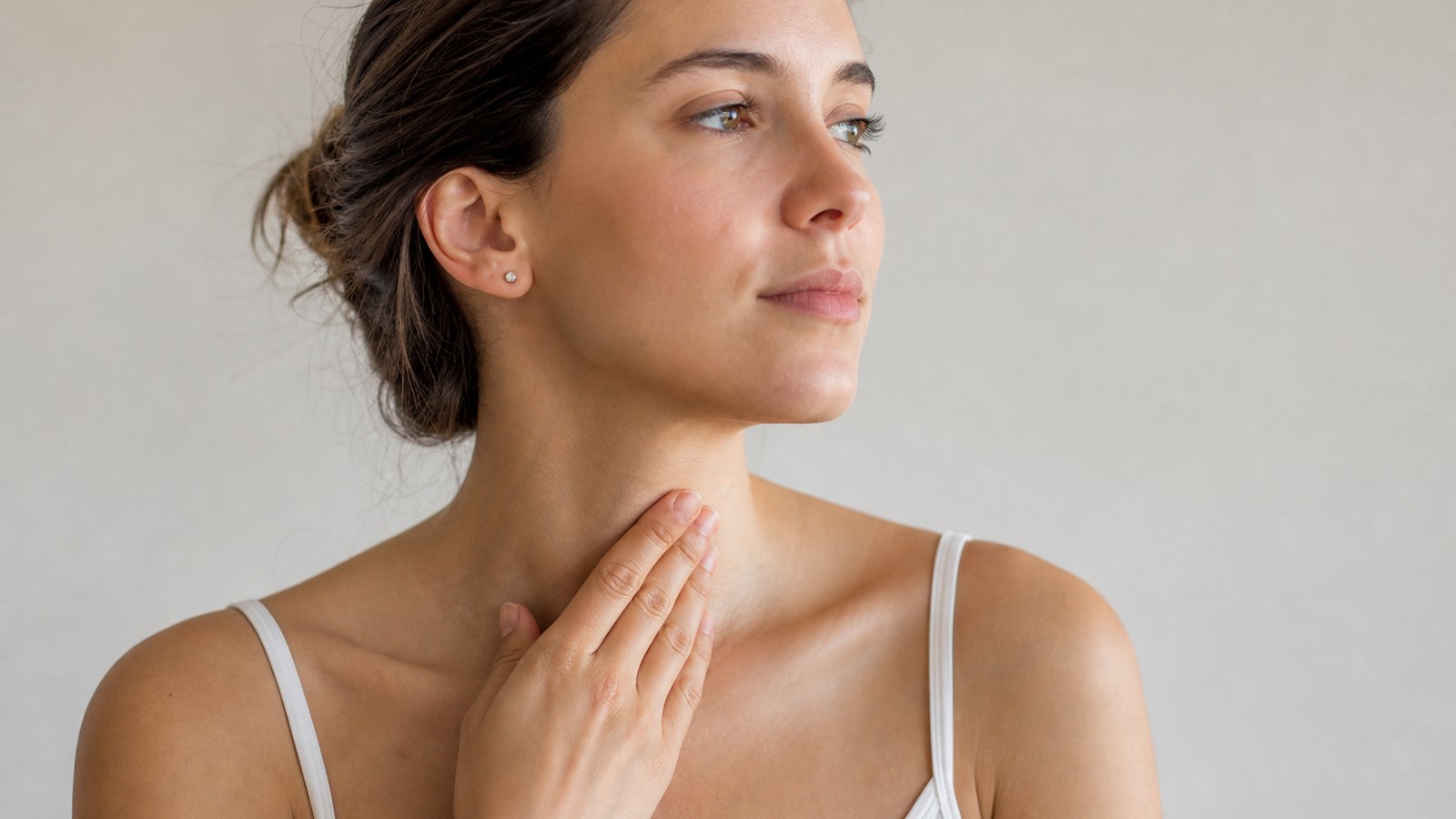
Thyroid symptoms in women are easy to miss because they look like everyday life: tiredness, weight changes, low mood, thinning hair, and irregular periods. Yet the thyroid — a small, butterfly-shaped gland at the front of the neck — controls metabolism, energy, body temperature, heart rate, and reproductive health. When it makes too little or too much hormone, the effects ripple through the whole body.
Women are far more likely than men to develop thyroid disease, especially around puberty, pregnancy, the postpartum period, and menopause. Because the symptoms overlap with iron deficiency anemia, vitamin B12 deficiency, vitamin D deficiency, magnesium deficiency, and even anxiety, many women spend months blaming stress or aging before getting tested.
This pillar guide explains thyroid symptoms in women, the difference between hypothyroidism and hyperthyroidism, the most common causes, how thyroid problems are diagnosed and treated, and when to see a doctor. For related guides, explore our Symptoms & Conditions and Vitamin Deficiency & Nutrition hubs.
Medical note: This article is for general education only. It is not a substitute for professional medical advice, diagnosis, or treatment. Always consult a qualified healthcare provider about symptoms, lab results, or treatment decisions.
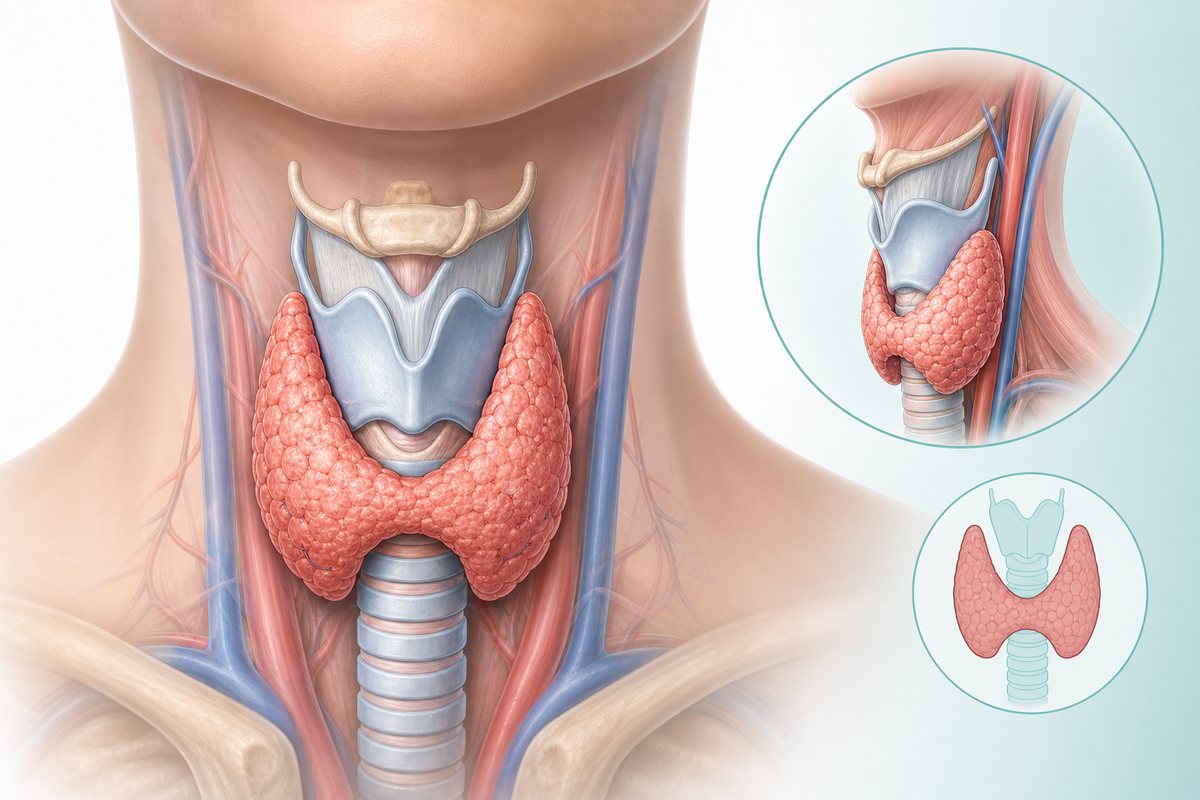

What Does the Thyroid Do?
The thyroid produces two main hormones — thyroxine (T4) and triiodothyronine (T3) — that set the pace of metabolism in nearly every cell. The pituitary gland in the brain releases thyroid-stimulating hormone (TSH) to tell the thyroid how much to make. This feedback loop keeps levels balanced.
When the system is off, two broad patterns emerge:
| Pattern | What happens | General effect |
|---|---|---|
| Hypothyroidism | Too little thyroid hormone | The body slows down |
| Hyperthyroidism | Too much thyroid hormone | The body speeds up |
According to the National Institute of Diabetes and Digestive and Kidney Diseases, hypothyroidism is the more common of the two and disproportionately affects women, especially as they get older.
Why thyroid hormones matter for the whole body
| Role | What can go wrong |
|---|---|
| Metabolism & weight | Weight gain (low) or weight loss (high) |
| Energy | Fatigue, sluggishness, or restlessness |
| Body temperature | Feeling cold (low) or overheated (high) |
| Heart rate | Slow pulse (low) or palpitations (high) |
| Mood & focus | Depression, brain fog, anxiety, irritability |
| Skin & hair | Dry skin, hair thinning and shedding |
| Menstrual cycle | Heavy, light, irregular, or missed periods |
| Digestion | Constipation (low) or loose stools (high) |
What Are the Symptoms of an Underactive Thyroid (Hypothyroidism)?
Hypothyroidism develops slowly, sometimes over years. Symptoms are often dismissed as normal tiredness, stress, or aging.
Common hypothyroidism symptoms in women
- Persistent fatigue and sluggishness — similar to iron deficiency and B12-related fatigue
- Unexplained weight gain or difficulty losing weight
- Feeling cold when others are comfortable
- Dry skin and brittle nails
- Hair thinning or hair loss
- Constipation
- Heavy or irregular periods
- Depression, low mood, or brain fog
- Muscle aches, stiffness, or weakness — overlapping with magnesium and vitamin D issues
- Puffy face, hoarse voice, or swelling around the eyes
- Slowed heart rate
Hashimoto's thyroiditis
The leading cause of hypothyroidism in many countries is Hashimoto's thyroiditis, an autoimmune condition in which the immune system gradually attacks the thyroid. It runs in families and often coexists with other autoimmune conditions.
What Are the Symptoms of an Overactive Thyroid (Hyperthyroidism)?
Hyperthyroidism speeds up the body and can feel like being permanently "wired."

Common hyperthyroidism symptoms in women
- Unexplained weight loss despite a normal or increased appetite
- Anxiety, irritability, or nervousness
- Rapid or irregular heartbeat (palpitations)
- Tremors or shaky hands
- Heat intolerance and excessive sweating
- Difficulty sleeping
- Lighter, less frequent, or missed periods
- Frequent bowel movements
- Muscle weakness, especially in the thighs and upper arms
- Bulging eyes or eye irritation (often linked to Graves' disease)
- An enlarged thyroid (goiter) or visible neck swelling
Graves' disease
The most common cause of hyperthyroidism is Graves' disease, an autoimmune condition that overstimulates the thyroid. It can also affect the eyes (Graves' ophthalmopathy) and skin. Like Hashimoto's, it is far more common in women.
Hypothyroid vs Hyperthyroid: Side-by-Side
| Feature | Hypothyroidism (underactive) | Hyperthyroidism (overactive) |
|---|---|---|
| Energy | Fatigue, sluggishness | Restlessness, "wired" feeling |
| Weight | Gain or hard to lose | Loss despite eating |
| Temperature | Feels cold | Feels hot, sweaty |
| Heart rate | Slower | Fast, palpitations |
| Mood | Low mood, brain fog | Anxiety, irritability |
| Bowels | Constipation | Loose, frequent stools |
| Periods | Heavy or irregular | Light or missed |
| Skin/hair | Dry skin, hair thinning | Thin skin, hair thinning |
Because some symptoms (like hair thinning, fatigue, and irregular periods) appear in both conditions, testing — not symptoms alone — determines which is present.
What Causes Thyroid Problems in Women?
1. Autoimmune disease
- Hashimoto's thyroiditis → underactive thyroid
- Graves' disease → overactive thyroid
Autoimmune thyroid disease is the most common cause in many regions and tends to run in families alongside conditions like type 1 diabetes and celiac disease.
2. Iodine imbalance
Iodine is the raw material for thyroid hormone. Both too little and too much iodine can cause problems. Globally, iodine deficiency remains a leading preventable cause of thyroid disorders, which is why many countries iodize salt. The World Health Organization highlights iodine nutrition as a key public-health measure.
3. Pregnancy and postpartum changes
Pregnancy dramatically changes thyroid demands. Postpartum thyroiditis can cause a temporary overactive phase followed by an underactive phase in the months after delivery. Thyroid screening is common when planning pregnancy or during prenatal care.
4. Perimenopause and menopause
Shifting hormones in midlife can blur thyroid symptoms with menopausal changes — both can cause fatigue, mood shifts, weight change, and sleep problems. Pairing thyroid evaluation with healthy daily wellness habits helps sort out overlapping causes.
5. Thyroid nodules, inflammation, and other causes
- Thyroid nodules (lumps) that may over- or under-produce hormone
- Thyroiditis (inflammation) from infection or autoimmune activity
- Certain medications (including some used for heart rhythm and mood)
- Radiation or surgery affecting the thyroid
How Is a Thyroid Problem Diagnosed?
A simple blood panel usually tells the story. Do not self-diagnose from symptoms — they overlap with many conditions.

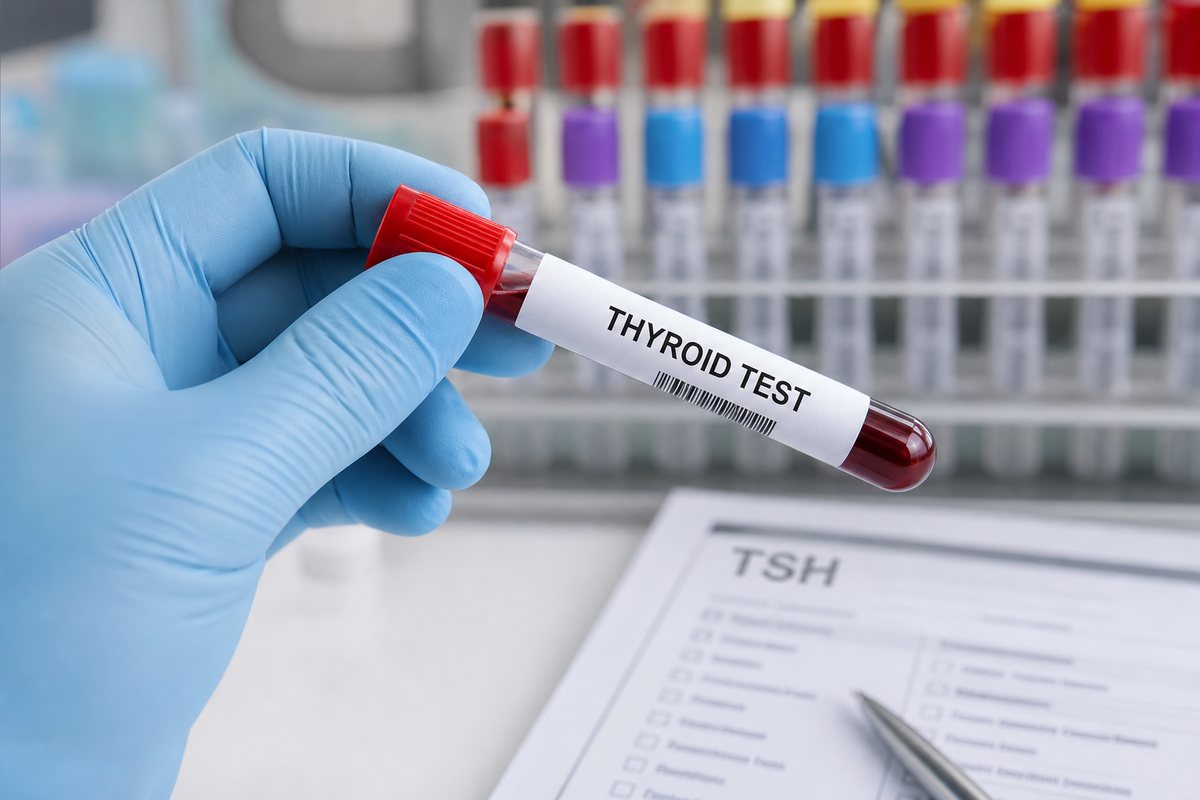
Common thyroid tests
| Test | What it shows |
|---|---|
| TSH | The first-line screen; high TSH suggests underactive, low TSH suggests overactive |
| Free T4 | The main circulating thyroid hormone |
| Free T3 | Useful in some hyperthyroid cases |
| TPO antibodies | Point to autoimmune disease (Hashimoto's, Graves') |
| Thyroid ultrasound | Evaluates nodules, swelling, or an enlarged gland |
| Radioactive iodine uptake/scan | Helps identify the cause of hyperthyroidism |
How to read TSH (general reference)
| TSH pattern | Typical interpretation |
|---|---|
| High TSH | Often underactive thyroid (hypothyroidism) |
| Low TSH | Often overactive thyroid (hyperthyroidism) |
| Normal TSH | Usually normal thyroid function |
Reference ranges vary by lab, pregnancy status, and age. A "subclinical" result (mildly abnormal TSH with normal T4) may be monitored rather than immediately treated. Because deficiencies often coexist, doctors frequently check iron, B12, and vitamin D alongside thyroid labs.
How Are Thyroid Conditions Treated?
Treatment depends on whether the thyroid is under- or overactive and the underlying cause. It is always individualized and monitored.
Treating hypothyroidism
- Levothyroxine, a daily thyroid hormone replacement, is the standard treatment.
- The dose is adjusted based on repeat TSH testing, often every 6–8 weeks at first.
- It is usually taken on an empty stomach, separated from certain foods, calcium, and iron supplements that affect absorption.
- Most people need treatment long term, sometimes for life.
Treating hyperthyroidism
- Anti-thyroid medications (such as methimazole) reduce hormone production.
- Radioactive iodine shrinks an overactive thyroid over time.
- Surgery (thyroidectomy) may be used for large goiters, nodules, or when other options are unsuitable.
- Beta-blockers can ease palpitations and tremor while other treatment takes effect.
Monitoring and follow-up
Thyroid treatment is not "set and forget." Regular blood tests ensure the dose is right, especially during pregnancy, weight changes, or when starting new medications. Work with your clinician rather than adjusting doses on your own.
What Foods and Habits Support Thyroid Health?
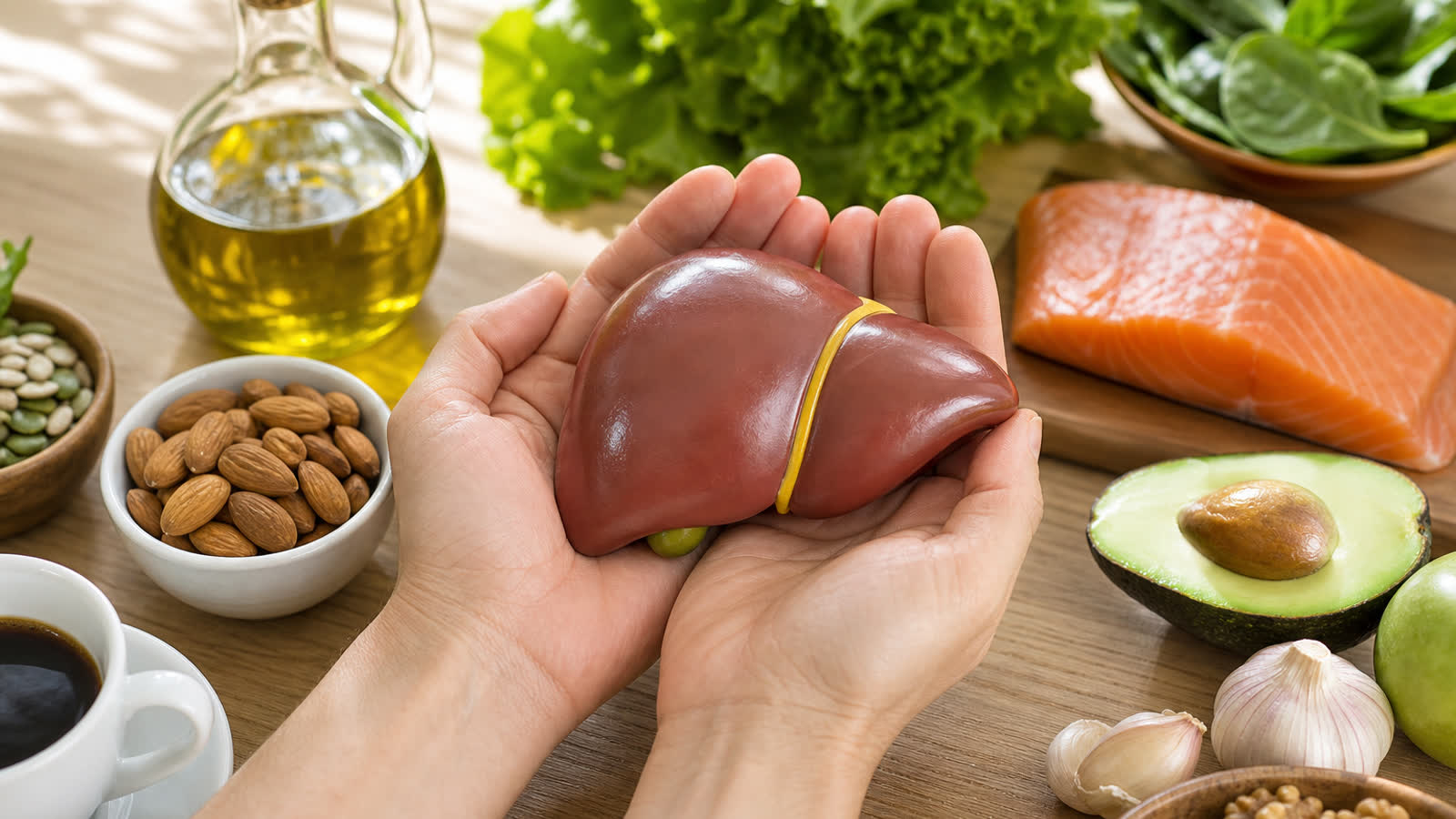
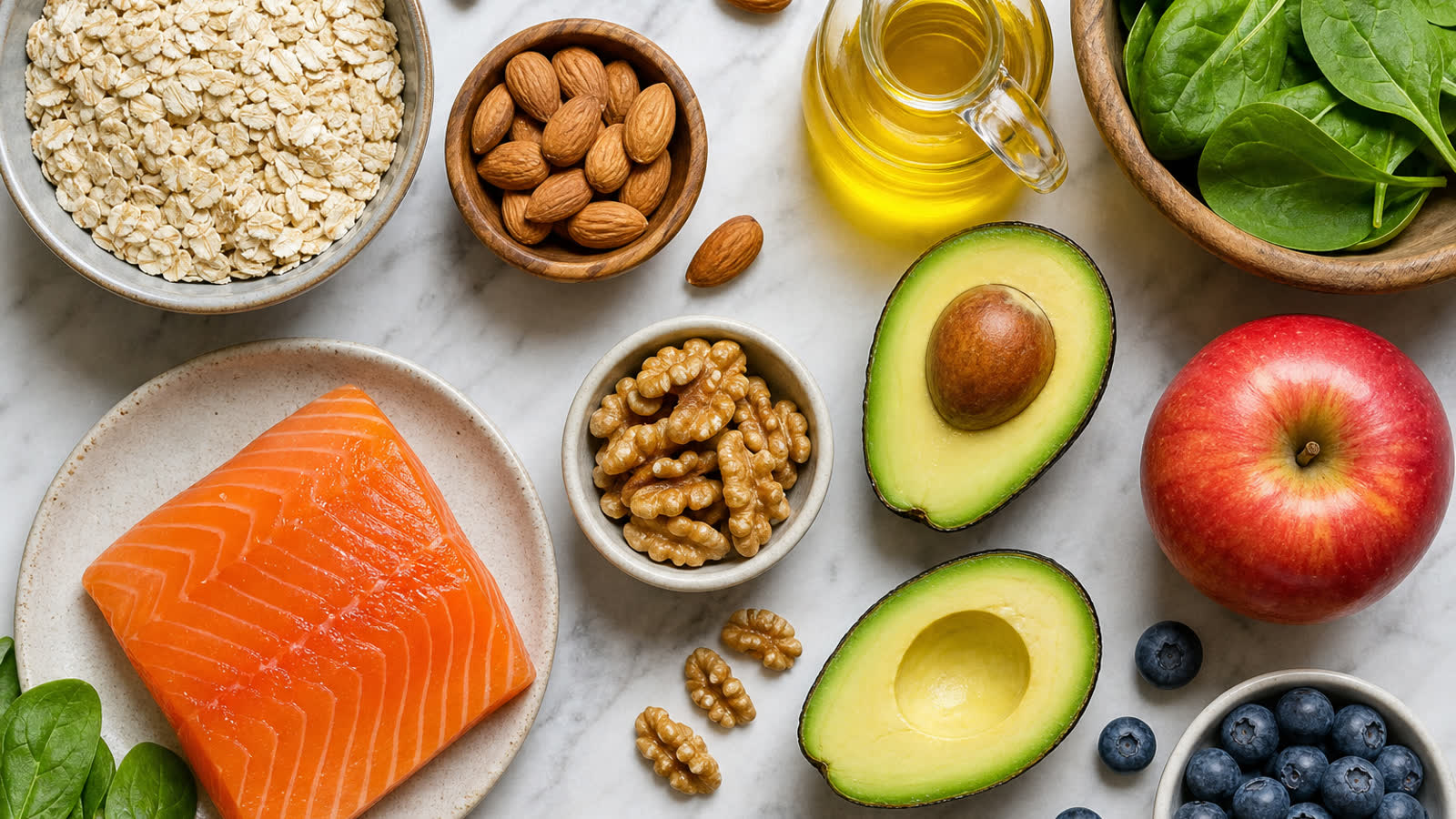
Nutrition supports — but does not replace — medical treatment.

Key nutrients for the thyroid
| Nutrient | Why it matters | Food sources |
|---|---|---|
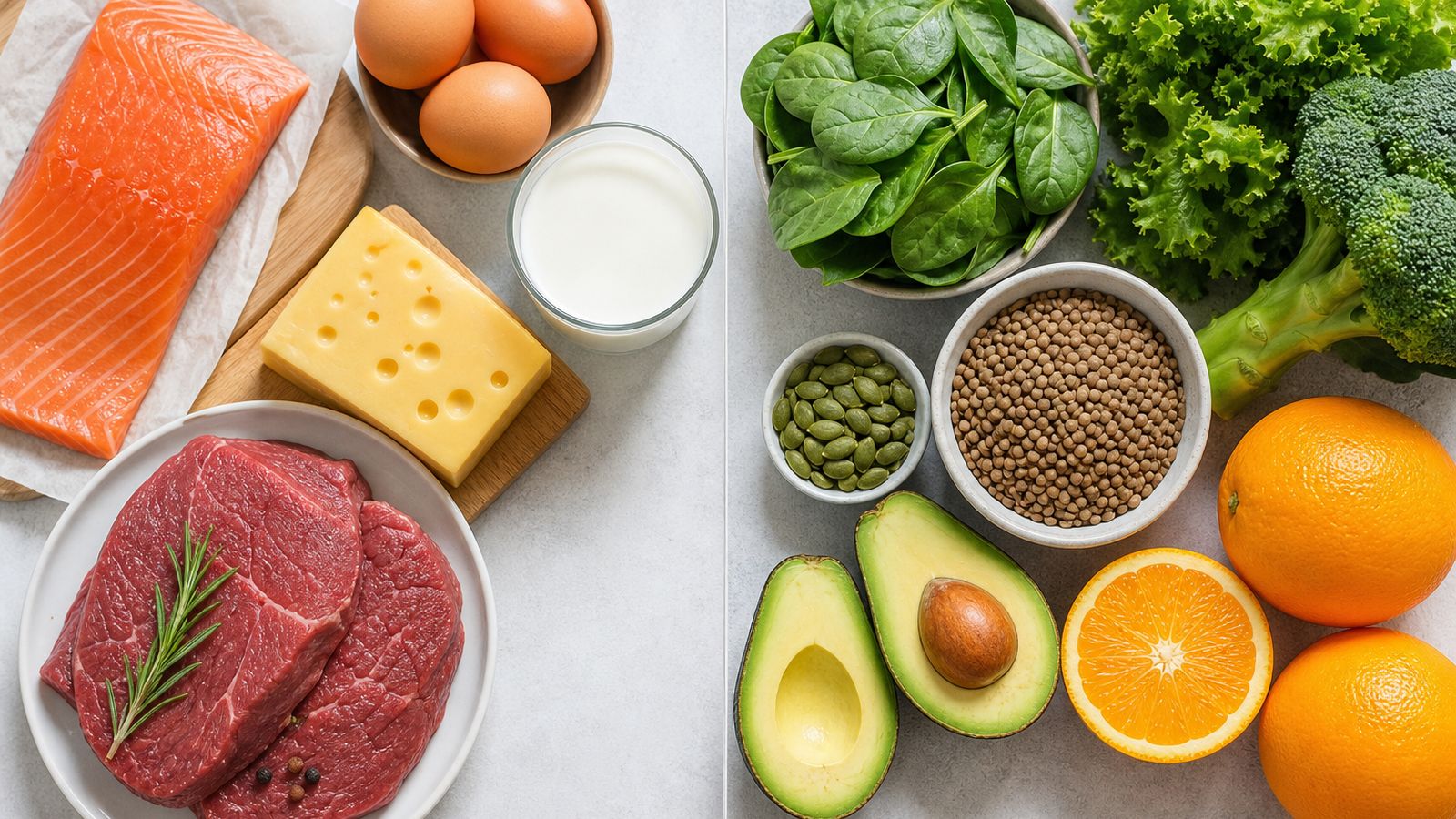
| Iodine | Building block of thyroid hormone | Iodized salt, seafood, dairy, eggs |
| Selenium | Supports hormone conversion and antioxidant defense | Brazil nuts, fish, eggs |
| Zinc | Involved in hormone production | Shellfish, meat, seeds, legumes |
| Iron | Low iron can worsen thyroid symptoms | Lean meat, lentils, spinach |
A few practical points:
- Balance, not extremes. Both too little and too much iodine can harm the thyroid, so avoid high-dose iodine supplements unless prescribed.
- Brazil nuts are potent. Just one or two a day can cover selenium needs — more is not better.
- Support overall health. Quality sleep, stress management, and hydration all help your body cope while treatment takes effect.
Thyroid Symptoms vs Other Causes of Fatigue
Thyroid symptoms overlap with many conditions, which is why guessing is unreliable.
| Cause | Overlapping symptoms | Link |
|---|---|---|
| Iron deficiency | Fatigue, hair loss, palpitations | Iron deficiency anemia guide |
| Vitamin B12 | Fatigue, mood changes, tingling | B12 deficiency guide |
| Vitamin D | Fatigue, muscle weakness, low mood | Vitamin D guide |
| Magnesium | Fatigue, cramps, palpitations | Magnesium guide |
| Anxiety | Palpitations, restlessness, sleep problems | Anxiety symptoms guide |
| Diabetes | Fatigue, weight changes, thirst | Early diabetes signs |
This is exactly why a clinician often orders a broad panel rather than testing the thyroid in isolation.
When Should a Woman See a Doctor? Red Flags
Seek urgent medical care for:
- A very rapid or irregular heartbeat, chest pain, or fainting
- Severe agitation, confusion, high fever, or sudden severe weakness (possible thyroid storm — a rare emergency)
- Rapidly enlarging neck swelling or trouble breathing or swallowing
Schedule a routine appointment for:
- Fatigue, weight change, or mood changes lasting more than 2–3 weeks
- Hair loss, dry skin, or irregular periods with other thyroid symptoms
- Neck swelling, a lump, or pressure in the front of the neck
- A family history of thyroid or autoimmune disease
- When planning pregnancy or during the postpartum period
Because thyroid symptoms overlap with high blood pressure, diabetes warning signs, and nutrient deficiencies, a proper evaluation protects you from missing the real cause.
Key Takeaways
- The thyroid controls metabolism, energy, temperature, heart rate, mood, and menstrual health.
- Hypothyroidism slows the body (fatigue, weight gain, cold intolerance); hyperthyroidism speeds it up (weight loss, anxiety, palpitations).
- Women are far more likely than men to develop thyroid disease, especially around pregnancy, postpartum, and midlife.
- Autoimmune disease (Hashimoto's and Graves') and iodine imbalance are leading causes.
- Diagnosis relies on blood tests — TSH first, then T4, T3, and antibodies — not symptoms alone.
- Treatment is effective and individualized: hormone replacement for underactive, and medication, radioactive iodine, or surgery for overactive thyroid.
- Symptoms overlap with iron, B12, vitamin D, and magnesium deficiencies — comprehensive testing saves time.
Explore Related Guides
- Iron Deficiency Anemia: Symptoms, Causes & Treatment
- Vitamin B12 Deficiency: Symptoms & Treatment
- Vitamin D Deficiency: Symptoms & Prevention
- Magnesium Deficiency: Symptoms, Causes & Treatment
- Folic Acid Deficiency: Symptoms & Best Foods
- Anxiety: Physical Symptoms Explained
- High Blood Pressure: Symptoms, Causes & Prevention
- Best Sleep Hygiene Tips for Better Rest
- Stress Management Techniques That Work
- Browse all Symptoms & Conditions articles
- Explore Vitamin Deficiency & Nutrition guides
- Discover Wellness & Lifestyle guides
Medical Disclaimer
Symptoms Insight publishes general health information for educational purposes only. It is not a substitute for professional medical advice, diagnosis, or treatment. Always seek the advice of a qualified healthcare provider with questions about a medical condition, lab results, medication, or treatment. Never disregard professional medical advice or delay seeking it because of something you have read here.
About the publisher

Rajat
Health & Wellness Editor | Global
Health & Wellness Editor | Global
Rajat edits Symptoms Insight as a practical health publication focused on symptoms, vitamin deficiencies, skincare, wellness habits, and digital health — always encouraging readers to consult qualified healthcare professionals for personal medical decisions.
FAQ
Frequently asked questions
What are the early thyroid symptoms in women?
Early signs include persistent fatigue, unexplained weight changes, hair thinning, dry skin, feeling unusually cold or hot, mood changes, brain fog, and irregular periods. These symptoms develop gradually and overlap with stress, perimenopause, iron deficiency, and vitamin deficiencies, so blood tests are needed to confirm a thyroid cause.
What is the difference between hypothyroidism and hyperthyroidism?
Hypothyroidism (underactive thyroid) slows the body down, causing fatigue, weight gain, cold intolerance, constipation, and heavy periods. Hyperthyroidism (overactive thyroid) speeds the body up, causing weight loss, anxiety, rapid heartbeat, tremors, heat intolerance, and lighter periods. Both are more common in women.
How is a thyroid problem diagnosed?
Doctors usually start with a TSH blood test, then add free T4 and sometimes free T3. Thyroid antibodies (such as TPO antibodies) help identify autoimmune causes like Hashimoto's or Graves' disease, and an ultrasound or scan may be used for nodules or an enlarged thyroid.
Why are thyroid disorders more common in women?
Women are several times more likely than men to develop thyroid disease, largely due to autoimmune factors and hormonal shifts during puberty, pregnancy, the postpartum period, and menopause. A family history of thyroid or autoimmune disease further raises the risk.
Can thyroid problems cause hair loss and weight changes?
Yes. Both an underactive and overactive thyroid can cause hair thinning and shedding, and either can change body weight. Hypothyroidism tends to cause weight gain and fluid retention, while hyperthyroidism often causes weight loss despite a normal or increased appetite.
Can thyroid disorders affect periods and fertility?
Yes. Thyroid hormones influence the menstrual cycle, so an imbalance can cause heavy, light, irregular, or missed periods and can make it harder to conceive. Untreated thyroid disease in pregnancy raises risks, which is why testing is common when planning a pregnancy or during prenatal care.
How are thyroid conditions treated?
Hypothyroidism is usually treated with daily thyroid hormone replacement (levothyroxine), adjusted by blood tests. Hyperthyroidism may be treated with anti-thyroid medication, radioactive iodine, or surgery depending on the cause. Treatment is individualized and monitored by a clinician.
What foods support thyroid health?
A balanced diet with adequate iodine (iodized salt, seafood, dairy), selenium (Brazil nuts, fish, eggs), and zinc supports normal thyroid function. Both too little and too much iodine can cause problems, so most people should focus on a varied diet rather than high-dose supplements unless advised by a doctor.
When should a woman get her thyroid checked?
Consider testing if you have persistent fatigue, unexplained weight change, hair loss, irregular periods, mood changes, neck swelling, or a family history of thyroid disease, and during pregnancy planning. Seek urgent care for a very rapid heartbeat, severe agitation, high fever, or sudden severe symptoms.