Medical & editorial notice: Symptoms Insight publishes general health information for educational purposes only. It is not a substitute for professional medical advice, diagnosis, or treatment. Always seek the advice of a qualified healthcare provider with questions about a medical condition.
Review snapshot
What we checked for this guide
Official sources used
Pages checked while updating this article
Introduction
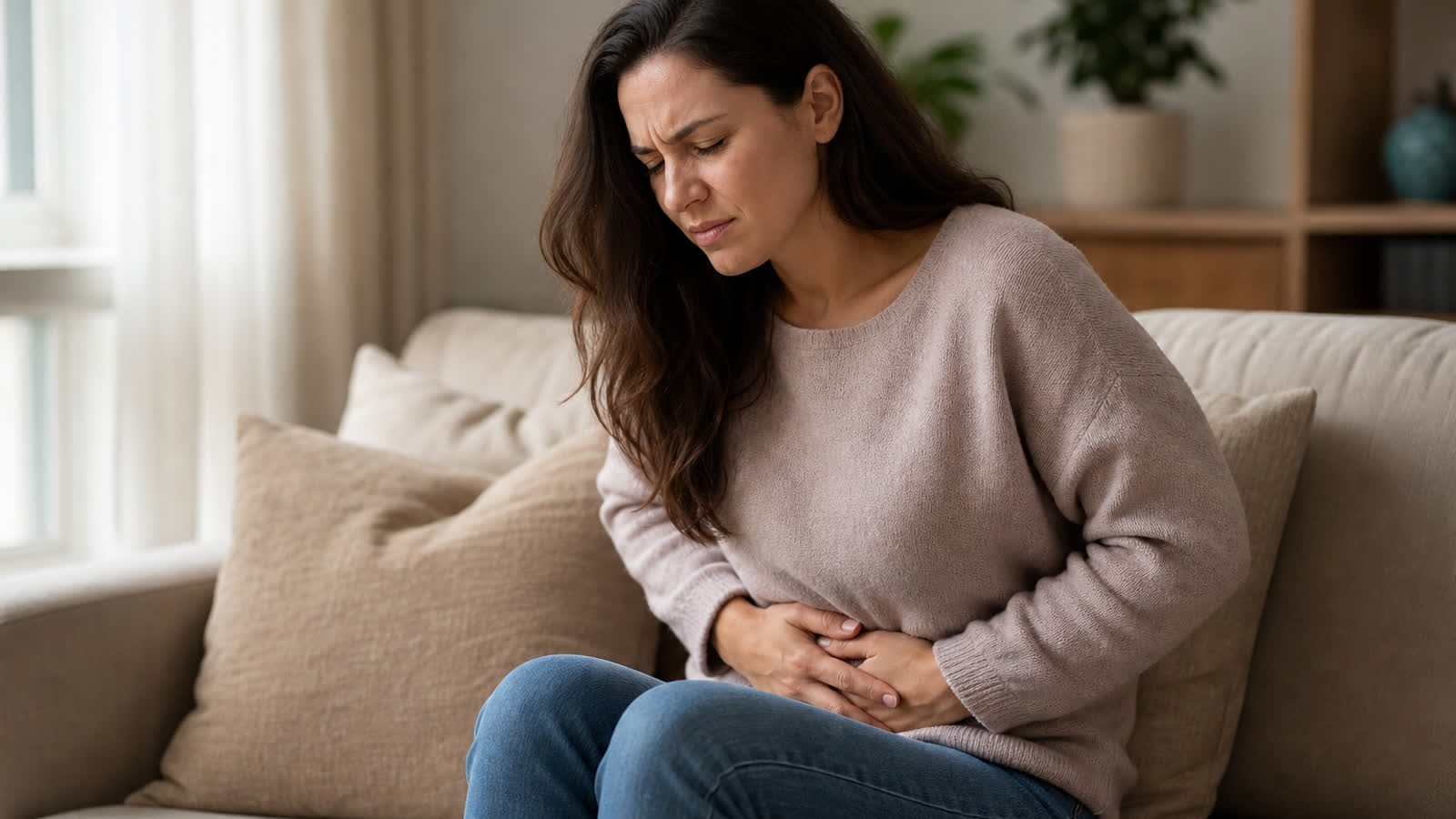
A kidney stone can turn an ordinary day into one of the most painful experiences of your life — often with almost no warning. One minute you feel fine; the next, a sharp, cramping ache grips your back or side, refuses to ease no matter how you sit or lie down, and may spread toward your lower belly and groin. Many people end up in the emergency room convinced something is seriously wrong, and the pain is so intense it is frequently compared to labor.
The good news is that most kidney stones are highly treatable, and — crucially — preventable. Up to 1 in 10 people will develop a kidney stone in their lifetime, and once you have had one, the odds of a repeat rise sharply without changes. Understanding kidney stone symptoms, why stones form, the different types, how they are treated, and the prevention steps that actually work can spare you a great deal of pain.
This in-depth guide walks through everything from the first twinge of pain to long-term prevention, including the diet myths worth ignoring. Because stone symptoms can overlap with other conditions, we also link to related guides like our dehydration symptoms guide and the Symptoms & Conditions hub. For broader nutrition context, see our Vitamin Deficiency & Nutrition library.
Medical note: This article is for general education only. It is not a substitute for professional medical advice, diagnosis, or treatment. Kidney stone pain with fever, vomiting, or inability to urinate can be an emergency — seek care promptly. Always consult a qualified healthcare provider for personal medical decisions.
What Is a Kidney Stone?
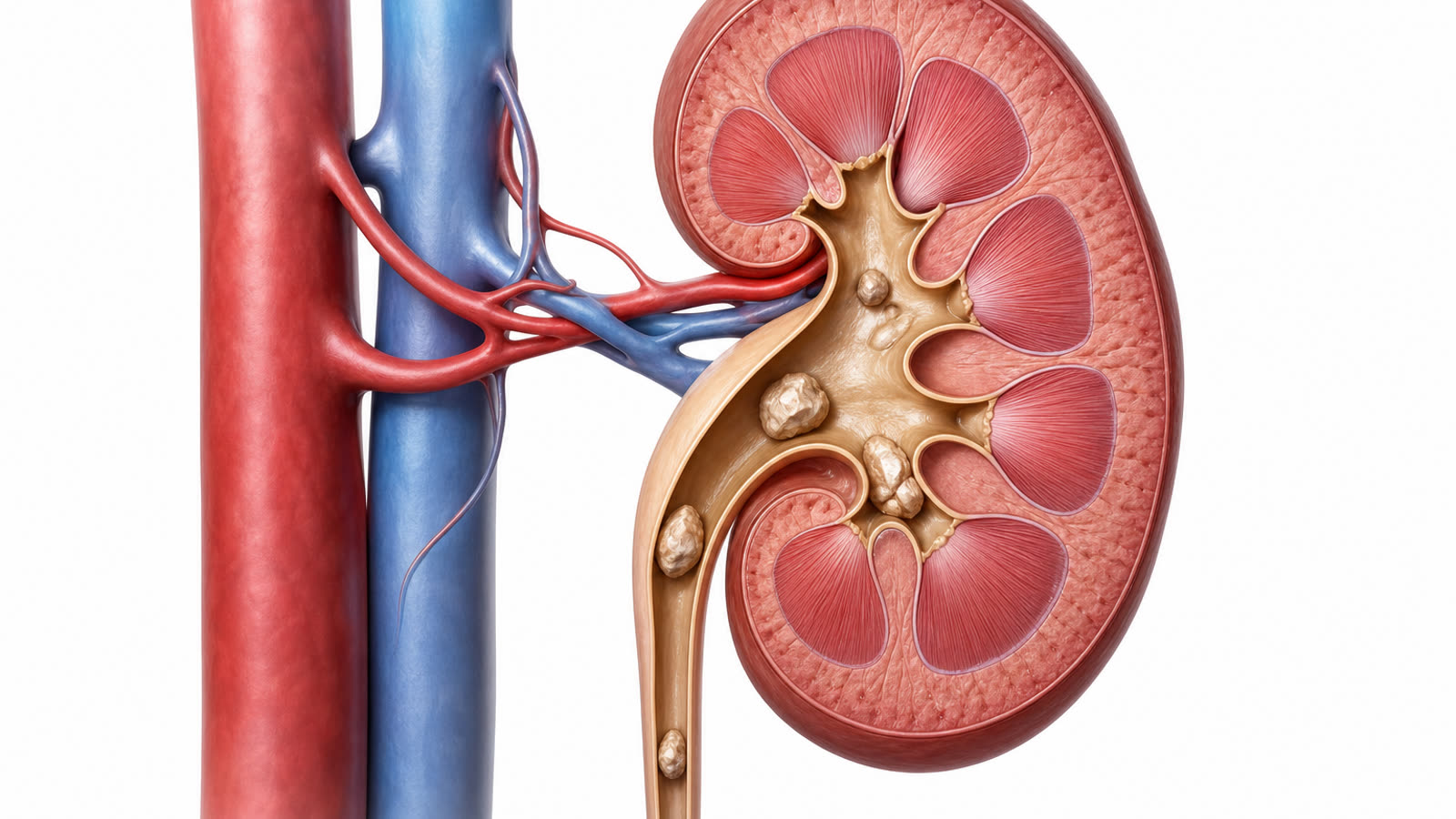
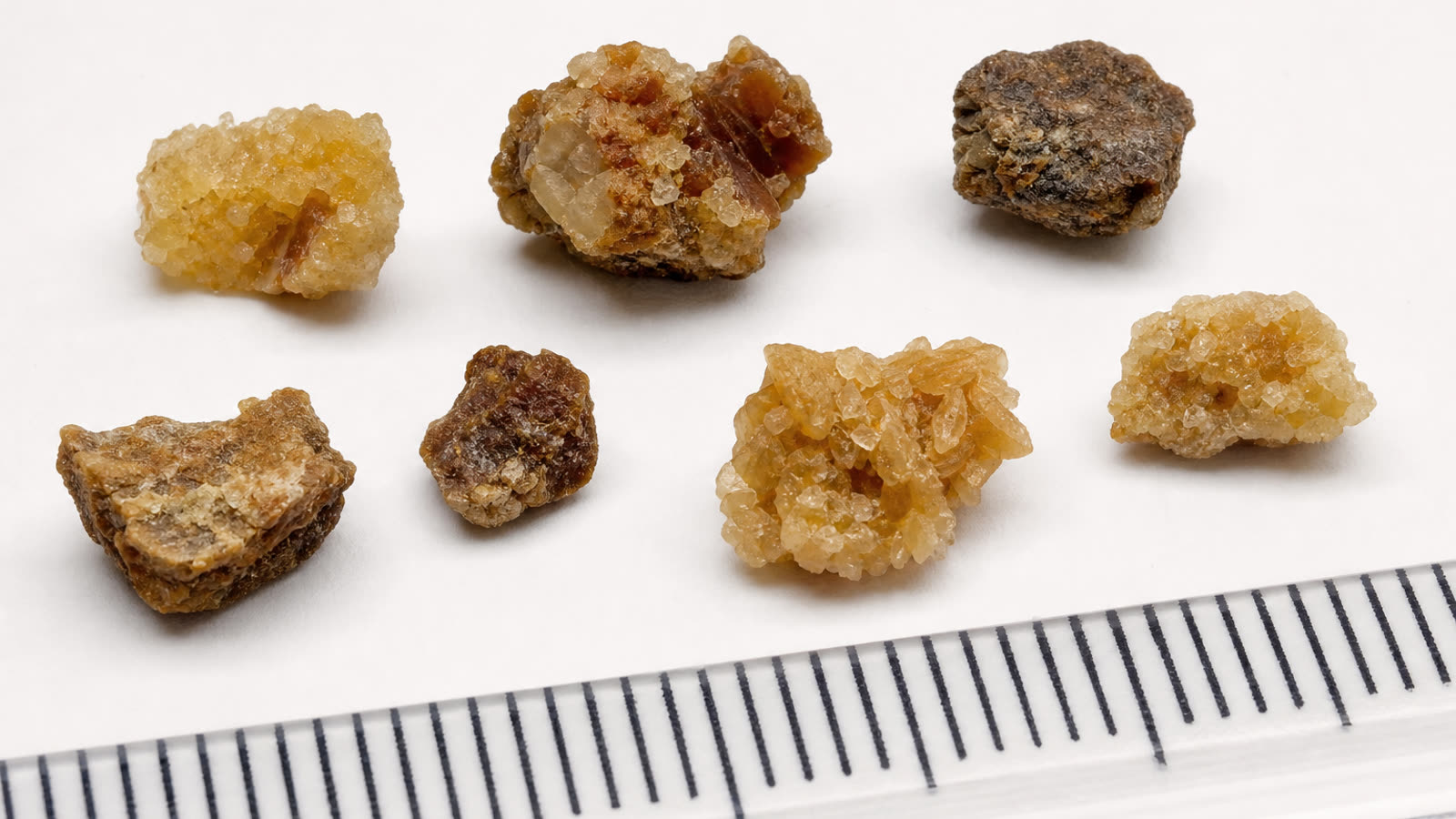
A kidney stone (medically called a renal calculus, and the condition nephrolithiasis or urolithiasis) is a hard, crystalline deposit that forms inside a kidney from minerals and salts in the urine. According to the National Institute of Diabetes and Digestive and Kidney Diseases, stones range from as small as a grain of sand to, rarely, as large as a golf ball.
Your kidneys filter waste and excess minerals from the blood and flush them out in urine. When urine becomes too concentrated — usually from not drinking enough fluid — those minerals have less liquid to stay dissolved in. They begin to crystallize, stick together, and grow. A small stone sitting quietly in the kidney may cause no symptoms at all. The trouble starts when it breaks loose and travels into the ureter, the thin tube connecting the kidney to the bladder. There, it can block the flow of urine and stretch the ureter, triggering the intense, wave-like pain known as renal colic.
Why kidney stones matter
- They cause severe, sometimes disabling pain and missed work or school
- They can block urine flow and, if infected, threaten the kidney
- They tend to recur — about half of people have another within 5 to 10 years without prevention
- They can be an early warning of dehydration, diet issues, obesity, or metabolic conditions
Kidney Stone Symptoms
Symptoms depend on the stone's size and where it is. A small, still stone may be silent for months. Once a stone moves and partly blocks urine flow, symptoms can come on fast and hard.
Classic kidney stone symptoms
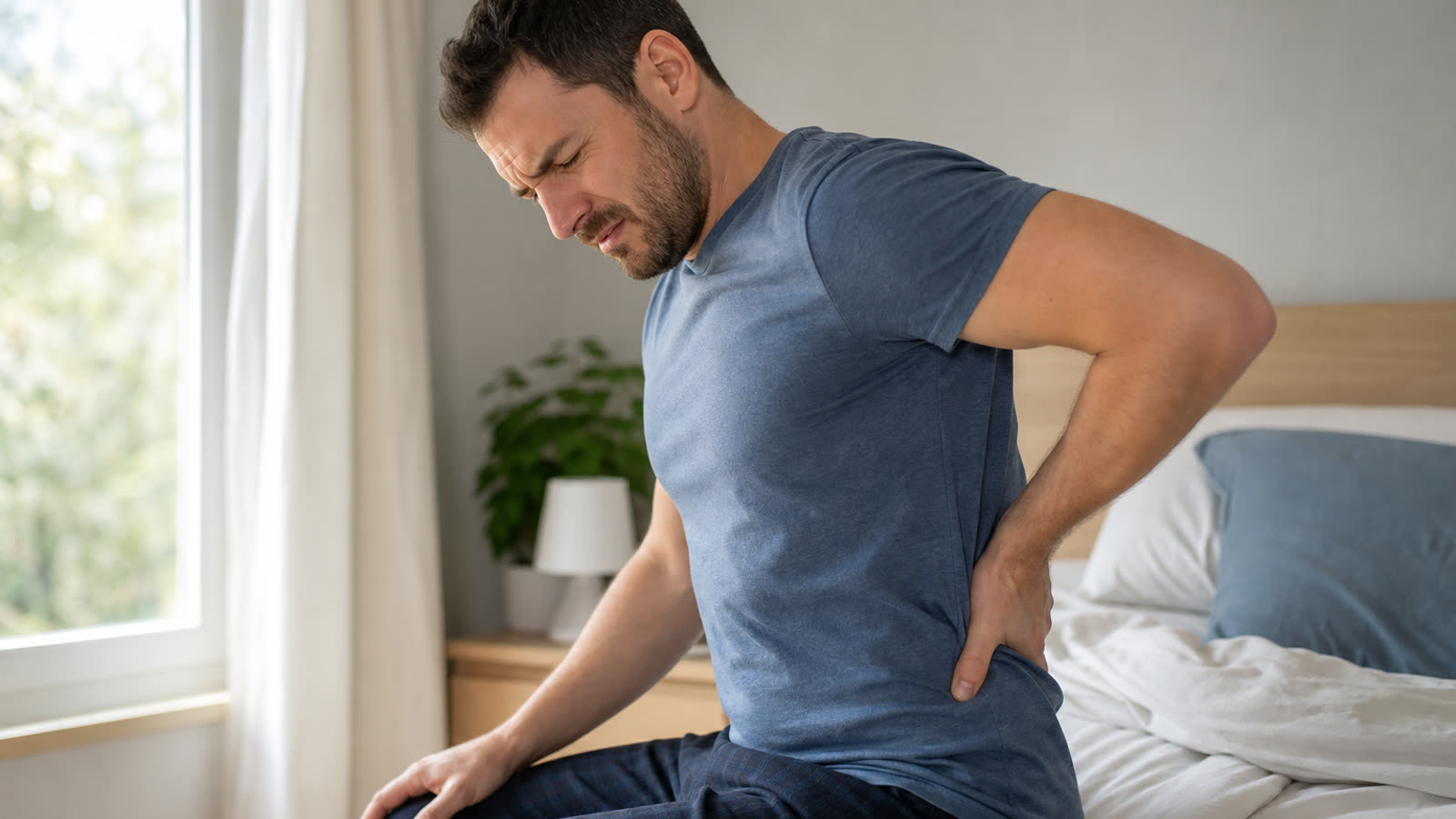
- Severe pain in the side and back, below the ribs (flank pain) — the hallmark symptom
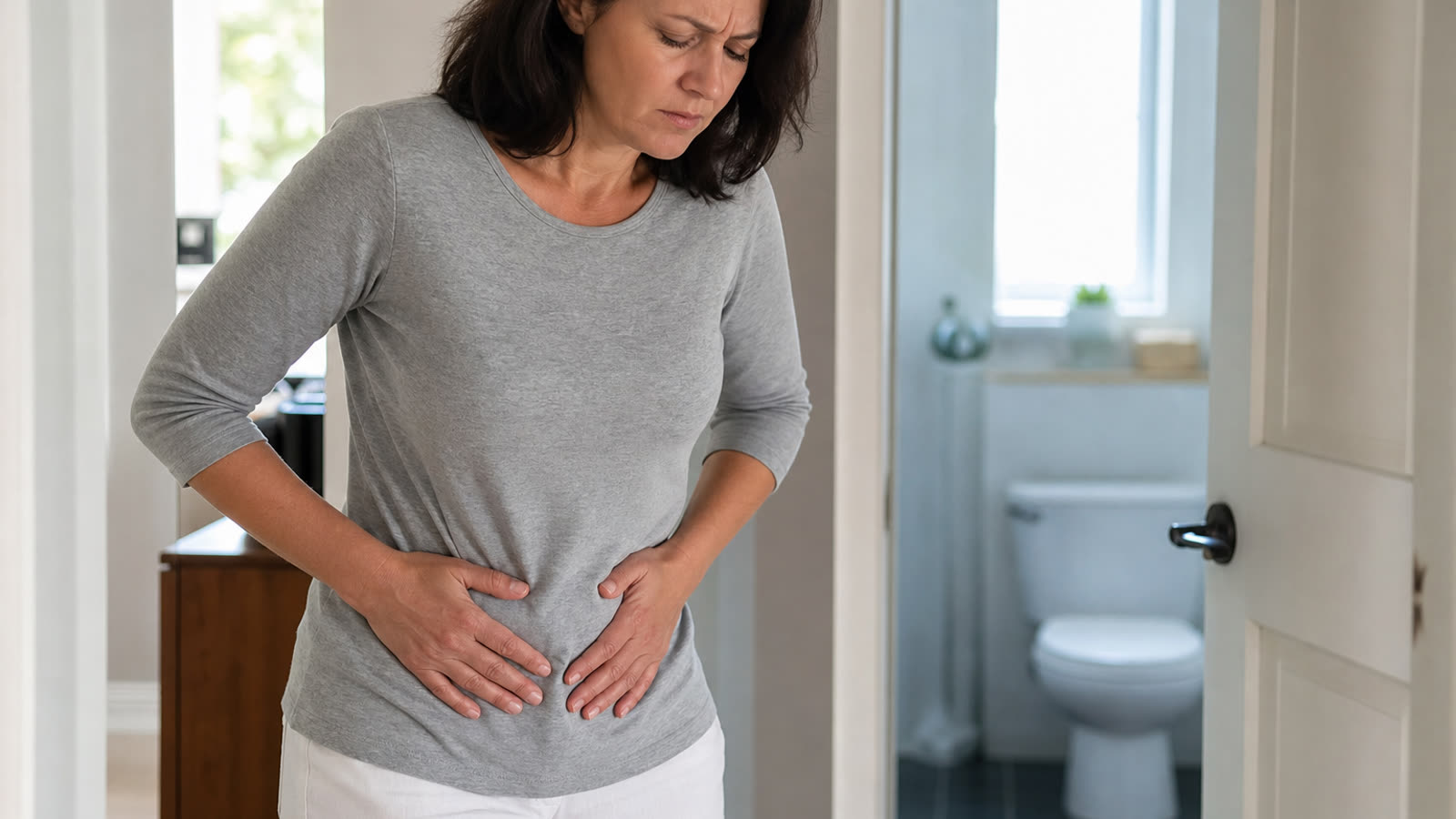
- Pain that radiates to the lower abdomen and groin
- Pain that comes in waves and fluctuates in intensity (renal colic)
- Restlessness — unlike many pains, you cannot find a comfortable position
- Pink, red, or brown urine (blood in the urine, called hematuria)
- Cloudy or foul-smelling urine
- A persistent urge to urinate or urinating more often
- Pain or burning during urination
- Urinating small amounts at a time
- Nausea and vomiting
Symptoms that suggest infection or blockage (urgent)
- Fever and chills alongside stone pain
- Severe vomiting that prevents keeping fluids down
- Little or no urine output
- Pain that is rapidly worsening or unbearable
Pain may shift as the stone moves — for example, starting in the flank and traveling toward the groin or the tip of the genitals. Because these symptoms can mimic a urinary tract infection, appendicitis, or other abdominal problems, a proper diagnosis matters. Some symptoms, like fatigue or nausea, also overlap with conditions covered in our guides on anxiety's physical symptoms and digestive issues.
Types of Kidney Stones
Not all stones are the same, and knowing the type shapes how you prevent the next one. If you pass a stone, your doctor may ask you to catch it (using a strainer) so a lab can analyze its composition.
| Type | Share of stones | Key drivers |
|---|---|---|
| Calcium oxalate | ~70–80% | Low fluid, high oxalate intake, high sodium, low dietary calcium |
| Calcium phosphate | Common, often with oxalate | High urine pH, certain metabolic conditions |
| Uric acid | ~5–10% | Acidic urine, high animal protein, gout, obesity, diabetes |
| Struvite | Less common | Urinary tract infections (infection stones), can grow large |
| Cystine | Rare | Inherited disorder (cystinuria) causing leakage of cystine |
Calcium stones (the most common)
Most stones are made of calcium oxalate. Counterintuitively, eating normal amounts of calcium from food helps prevent them, because calcium binds oxalate in the gut. The real culprits are usually too little fluid, too much salt, and very high oxalate intake.
Uric acid stones
These form in persistently acidic urine and are linked to high animal-protein diets, obesity, gout, and type 2 diabetes. Uniquely, uric acid stones can sometimes be dissolved by raising urine pH with medication — one reason analyzing the stone matters.
Struvite and cystine stones
Struvite stones are tied to urinary tract infections and can grow quickly into large, branching "staghorn" stones. Cystine stones come from a rare inherited condition and tend to recur from a young age. Both usually need specialist care.
What Causes Kidney Stones?
Stones form when the balance of water, minerals, and salts in urine tips toward crystallization. Per the Mayo Clinic, several factors raise that risk.
1. Not drinking enough fluid (the biggest factor)
Concentrated urine is the single most important driver. People who live in hot climates, sweat heavily, or simply do not drink enough are far more likely to form stones. Chronic mild dehydration is a stealthy, common cause.
2. Diet
- High sodium (salt): raises calcium in the urine, fueling calcium stones
- High animal protein: increases uric acid and lowers urine citrate (a natural stone inhibitor)
- Sugary drinks, especially those with high-fructose corn syrup
- Very high oxalate intake (large amounts of spinach, rhubarb, beets, nuts) in susceptible people
- Too little dietary calcium, which paradoxically increases oxalate absorption
3. Body weight and metabolic health
Obesity, insulin resistance, type 2 diabetes, gout, and high blood pressure all raise stone risk. There is meaningful overlap with the risk factors in our guides on high blood pressure and early diabetes warning signs.
4. Medical conditions and medications
- Hyperparathyroidism and other conditions that raise blood/urine calcium
- Inflammatory bowel disease, chronic diarrhea, or bariatric surgery (affecting oxalate handling)
- Recurrent urinary tract infections (struvite stones)
- Certain medications and high-dose supplements (some diuretics, excess vitamin C or calcium supplements)
5. Family history and prior stones
If a close relative has had stones — or if you have had one before — your risk is higher. Genetics influence how your body handles calcium, oxalate, and citrate.

Who Is Most at Risk?
| Group | Why risk is higher |
|---|---|
| People who drink too little fluid | Concentrated urine, easier crystallization |
| Men (and increasingly women) | Higher historical incidence, gap is narrowing |
| People with a prior stone or family history | Strong predictor of recurrence |
| People with obesity, diabetes, or gout | Metabolic changes raise stone-forming salts |
| People on high-salt, high-protein diets | More urinary calcium and uric acid |
| People in hot climates or with heavy sweating | Greater fluid loss, lower urine volume |
| People with IBD, chronic diarrhea, or bowel surgery | Altered oxalate and fluid balance |
How Are Kidney Stones Diagnosed?
If symptoms point to a stone, your clinician will combine your history and exam with imaging and lab tests.
Common tests
| Test | What it shows |
|---|---|
| Low-dose CT scan | Most accurate; locates, sizes, and counts stones |
| Ultrasound | No radiation; first choice in pregnancy and children |
| X-ray (KUB) | Tracks some stones over time (misses radiolucent ones) |
| Urinalysis | Blood, crystals, infection, urine pH |
| Blood tests | Kidney function, calcium, uric acid |
| Stone analysis | Identifies stone type to guide prevention |
| 24-hour urine collection | Measures volume, calcium, oxalate, citrate, uric acid for prevention planning |
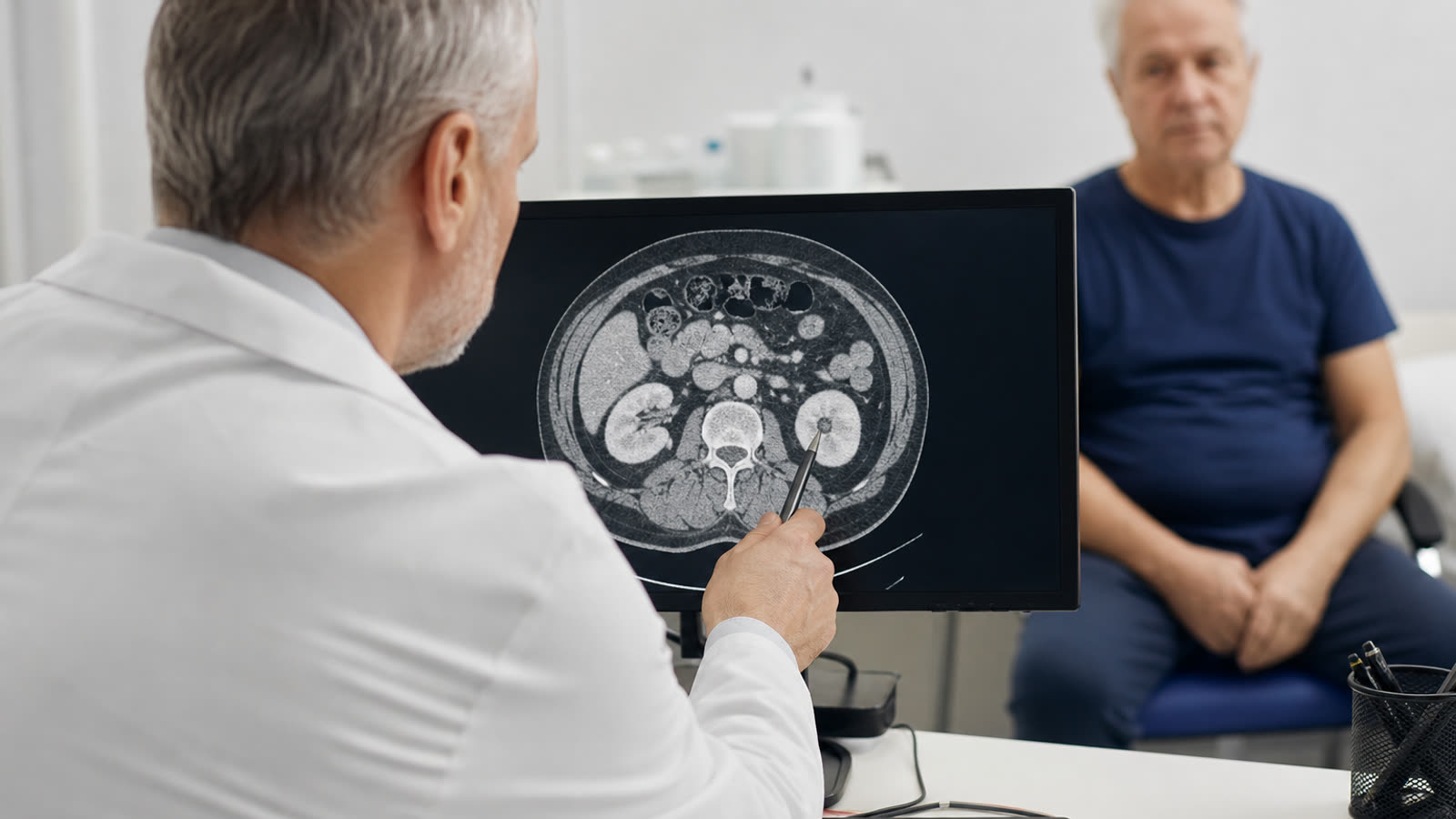
The size and location of the stone strongly predict whether it will pass on its own. Stones under about 4 mm usually pass; those over 6 to 7 mm often need help.
Kidney Stone Treatment
Treatment depends on the stone's size, type, location, your symptoms, and whether there is infection. Many small stones are managed at home with fluids and pain control; larger or stuck stones need a procedure.
1. Watchful waiting (small stones)
For small stones likely to pass, doctors typically recommend:
- Drinking plenty of water to help flush the stone
- Pain relief — NSAIDs (like ibuprofen) are often effective; stronger options for severe pain
- Medical expulsive therapy — an alpha-blocker such as tamsulosin can relax the ureter and help certain stones pass
- Straining urine to catch the stone for analysis
2. Procedures for larger or stuck stones
| Procedure | How it works |
|---|---|
| Shock wave lithotripsy (SWL) | Sound waves break the stone into passable fragments (non-invasive) |
| Ureteroscopy | A thin scope passed up the urinary tract removes or lasers the stone |
| Percutaneous nephrolithotomy | Surgical removal through a small back incision for large stones |
| Stent placement | A temporary tube relieves blockage and helps healing |
3. Treating infection or blockage urgently
A stone that blocks a kidney and causes infection (fever, chills, feeling very unwell) is an emergency. It usually requires urgent drainage (a stent or nephrostomy tube) plus antibiotics, because an obstructed, infected kidney can deteriorate quickly.
4. Dissolving uric acid stones
For pure uric acid stones, medication that raises urine pH (such as potassium citrate) can sometimes dissolve the stone over weeks — an option not available for calcium stones.
How to Prevent Kidney Stones
Prevention is where you have the most power. These steps are backed by major guidelines and can dramatically lower recurrence.
1. Drink more fluid — the number one rule
Aim to drink enough to produce about 2 to 2.5 liters of urine a day, which usually means 2.5 to 3 liters of fluid (more in heat or with heavy activity). A simple gauge: your urine should be pale straw colored, not dark yellow. Water is best; citrus drinks (lemon or lime water) add citrate, a natural stone inhibitor. Cutting chronic dehydration is the single most effective change.
2. Lower your sodium
Excess salt pushes more calcium into the urine. Limit processed foods, canned soups, deli meats, salty snacks, and restaurant meals. Most people benefit from staying under about 2,300 mg of sodium a day, and stone formers often aim lower.
3. Get the right amount of dietary calcium (don't cut it)
This is the biggest myth in stone prevention. Normal dietary calcium from food helps prevent calcium oxalate stones by binding oxalate in the gut. Get calcium from food (dairy, fortified plant milks, leafy greens) rather than high-dose supplements, which can raise risk if taken apart from meals. Pair this with overall balanced nutrition like the habits in our folic acid foods guide.
4. Moderate animal protein
Large amounts of red meat, poultry, fish, and eggs increase uric acid and lower protective citrate. You do not need to eliminate protein — just keep portions reasonable and include plant proteins.
5. Be smart about oxalate (not oxalate-phobic)
If you form calcium oxalate stones, moderate very high-oxalate foods (spinach, rhubarb, beets, almonds, excessive tea/chocolate) — and pair them with a calcium-containing food so oxalate binds in the gut rather than the kidney. Whole-diet balance beats banning healthy foods.
6. Manage weight and metabolic health
Maintaining a healthy weight and managing blood sugar and blood pressure lowers stone risk. The same lifestyle foundations help here — see our daily wellness habits guide, stress management techniques, and sleep hygiene tips, since stress and poor sleep undermine healthy habits.
7. Follow targeted medical prevention
If you have recurrent stones, a 24-hour urine test can reveal exactly what is driving them. Based on the results, your doctor may prescribe thiazide diuretics (for high urinary calcium), potassium citrate (to raise citrate and pH), or allopurinol (for uric acid). Personalized prevention is far more effective than guesswork.
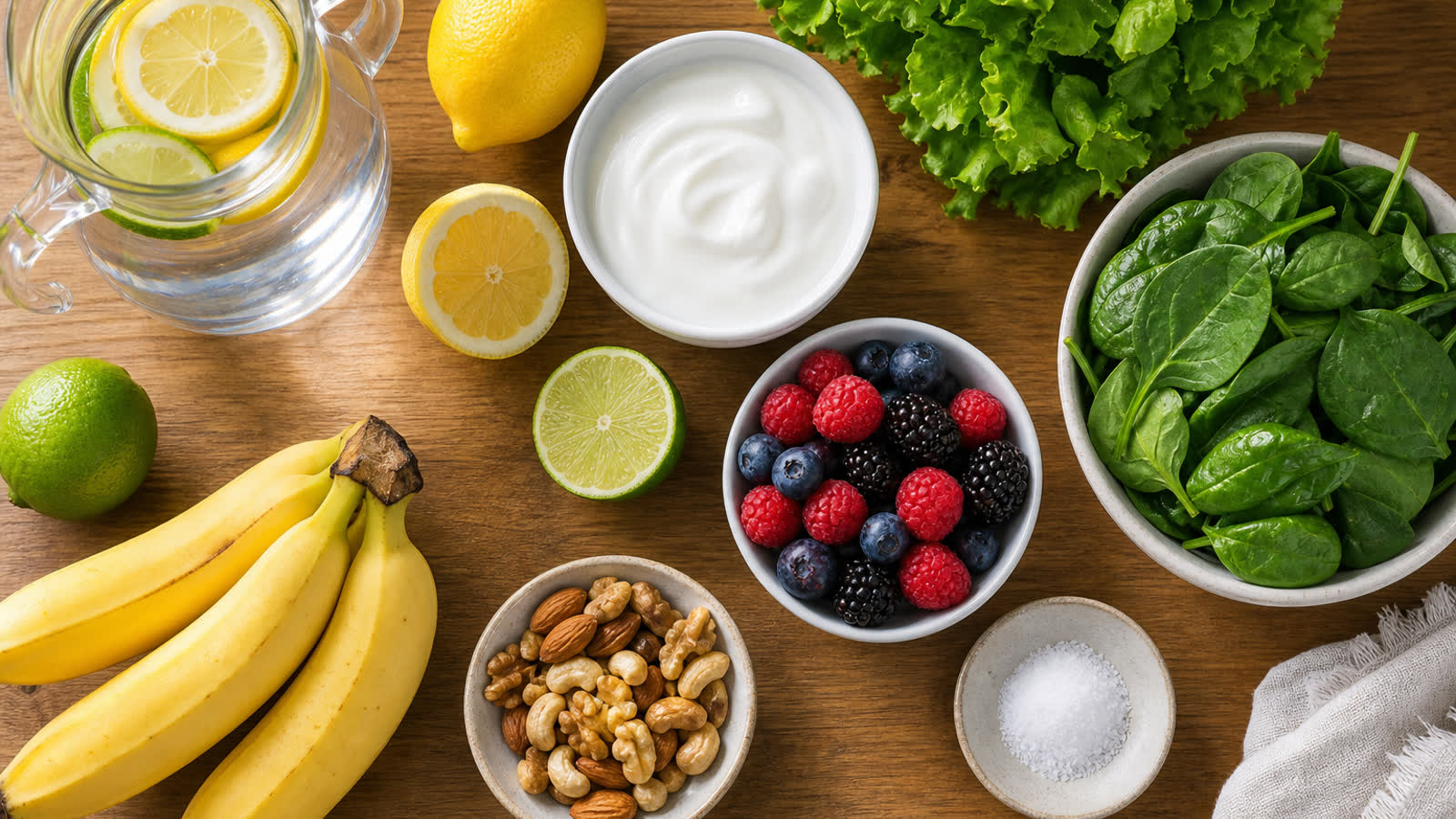
Kidney Stone Prevention Diet at a Glance
| Do more | Do less |
|---|---|
| Drink water until urine is pale | Sugary sodas and high-fructose drinks |
| Add lemon/lime (citrate) | Excess sodium and processed foods |
| Eat calcium-rich foods with meals | High-dose calcium supplements between meals |
| Include plant proteins | Very large animal-protein portions |
| Eat plenty of fruits and vegetables | Huge amounts of high-oxalate foods at once |
| Maintain a healthy weight | Chronic dehydration and skipped fluids |
Kidney Stones vs Other Conditions
Because flank or abdominal pain has many causes, it helps to know what else can mimic a stone — and why testing matters.
| Condition | Overlapping symptoms | Learn more |
|---|---|---|
| Urinary tract infection | Burning urination, urgency, cloudy urine | Symptoms & Conditions hub |
| Dehydration | Dark urine, fatigue, reduced output | Dehydration symptoms guide |
| Digestive problems | Cramping abdominal pain, nausea | Digestive issues & gut health |
| High blood pressure | Often silent, shares metabolic risk | High blood pressure guide |
| Diabetes | Increased risk of uric acid stones | Early diabetes symptoms |
| Anxiety | Nausea, restlessness, abdominal tension | Anxiety physical symptoms |
If your symptoms are vague or recurring, a clinician can sort out whether a stone, infection, or another issue is to blame rather than guessing.
When to See a Doctor — Red Flags
Seek emergency care for:
- Pain so severe you cannot sit still or find any comfortable position
- Fever or chills with stone pain (possible infected, blocked kidney)
- Vomiting that prevents keeping fluids down
- Blood in urine with fever, or little to no urine output
Schedule a prompt appointment for:
- Suspected first stone, even if pain is improving (to confirm and size it)
- Recurrent stones — to get a 24-hour urine test and tailored prevention
- Visible blood in the urine without a clear cause
- A known stone that has not passed within the expected window
Do not try to "tough out" stone pain with fever — and avoid relying on internet remedies in place of evaluation. The CDC notes that protecting kidney function over the long term depends on catching and managing problems early.
Key Takeaways
- Kidney stones are hard mineral deposits that cause severe, wave-like flank pain when they move into the ureter.
- Symptoms include flank/back pain radiating to the groin, blood in urine, urinary urgency, nausea, and restlessness.
- Most stones are calcium oxalate; uric acid, struvite, and cystine stones are less common but matter for treatment.
- The top cause is not drinking enough fluid, followed by high salt, high animal protein, and metabolic factors.
- Treatment ranges from fluids and pain control for small stones to lithotripsy, ureteroscopy, or surgery for larger ones.
- Prevention works: hydrate well, cut sodium, keep normal dietary calcium, moderate protein and oxalate, and follow targeted medical therapy for recurrent stones.
Explore Related Guides
- Dehydration: Symptoms, Causes & Treatment
- High Blood Pressure: Symptoms, Causes & Prevention
- Early Diabetes Symptoms & Warning Signs
- Digestive Issues & Gut Health Guide
- Anxiety: Physical Symptoms Explained
- Magnesium Deficiency: Symptoms & Foods
- Daily Wellness Habits for Better Energy
- Stress Management Techniques That Work
- Best Sleep Hygiene Tips for Better Rest
- Browse the Symptoms & Conditions hub
- Explore Wellness & Lifestyle and Vitamin Deficiency & Nutrition
Medical Disclaimer
Symptoms Insight publishes general health information for educational purposes only. It is not a substitute for professional medical advice, diagnosis, or treatment. Always seek the advice of a qualified healthcare provider with any questions about a medical condition, severe pain, lab results, or treatment options. Never disregard professional medical advice or delay seeking it because of something you have read here.
About the publisher

Rajat
Health & Wellness Editor | Global
Health & Wellness Editor | Global
Rajat edits Symptoms Insight as a practical health publication focused on symptoms, vitamin deficiencies, skincare, wellness habits, and digital health — always encouraging readers to consult qualified healthcare professionals for personal medical decisions.
FAQ
Frequently asked questions
What are the first symptoms of a kidney stone?
The first sign is often a sudden, sharp, cramping pain in the back or side below the ribs that may radiate to the lower abdomen and groin. It frequently comes in waves, builds quickly, and can be accompanied by nausea, a strong urge to urinate, and pink, red, or brown urine. Small stones high in the kidney can be silent until they move into the ureter.
How long does it take to pass a kidney stone?
Most small stones (under 4 mm) pass on their own within one to two weeks, while stones around 5 to 6 mm may take several weeks and are less likely to pass. Stones larger than about 6 to 7 mm often need medical help. Staying well hydrated and following your doctor's advice can speed the process.
What does kidney stone pain feel like?
People often describe it as one of the worst pains they have experienced, sometimes compared to childbirth. It typically starts in the flank or back, comes in intense waves (renal colic), and shifts toward the lower belly and groin as the stone moves. Unlike muscle pain, it does not ease when you change position.
What is the main cause of kidney stones?
Kidney stones form when urine becomes concentrated, allowing minerals such as calcium, oxalate, and uric acid to crystallize and clump together. The biggest single driver is not drinking enough fluid. Diet high in salt, sugar, and animal protein, obesity, certain medical conditions, and family history also raise the risk.
Can I prevent kidney stones from coming back?
Yes, often substantially. Drinking enough water to produce about 2 to 2.5 liters of urine a day, lowering sodium, moderating animal protein, getting enough dietary calcium, and limiting very high-oxalate foods can cut recurrence significantly. If you have had a stone, your doctor may analyze it and tailor prevention to the stone type.
Should I avoid calcium to prevent kidney stones?
No. This is a common myth. Cutting dietary calcium can actually raise the risk of the most common (calcium oxalate) stones, because calcium binds oxalate in the gut so it is not absorbed and excreted in urine. Aim for normal dietary calcium from food and only adjust calcium supplements with medical guidance.
What foods cause kidney stones?
For calcium oxalate stones, very high-oxalate foods like spinach, rhubarb, beets, nuts, and excessive tea or chocolate can contribute when intake is large. High-sodium foods, sugary drinks, and large amounts of animal protein also increase risk. The goal is moderation and balance, not eliminating whole food groups without guidance.
When should I go to the emergency room for a kidney stone?
Seek emergency care for pain so severe you cannot sit still or get comfortable, fever or chills with stone pain (possible infection), vomiting that prevents you from keeping fluids down, blood in the urine with fever, or little to no urine output. These can signal a blocked, infected kidney, which is a medical emergency.
How are kidney stones diagnosed?
Doctors use a low-dose CT scan (the most accurate test), ultrasound (often first for pregnant people and children), and sometimes X-ray to locate and size stones. Urine and blood tests check for infection, kidney function, and the mineral imbalances that cause stones. A 24-hour urine collection helps plan long-term prevention.
Do kidney stones go away on their own?
Small stones often pass without treatment, helped by fluids and pain control. However, the stone itself does not dissolve in most cases (uric acid stones are an exception that can sometimes be dissolved with medication). Larger or stuck stones may require procedures such as shock wave therapy, ureteroscopy, or surgery.
Are kidney stones a sign of a serious problem?
A single small stone is usually not dangerous once passed, but stones can signal underlying issues like dehydration, diet, obesity, or metabolic and kidney conditions. Recurrent stones, very large stones, or stones with infection need evaluation, because blockage and infection can damage the kidney if untreated.