
Medical & editorial notice: Symptoms Insight publishes general health information for educational purposes only. It is not a substitute for professional medical advice, diagnosis, or treatment. Always seek the advice of a qualified healthcare provider with questions about a medical condition.
Review snapshot
What we checked for this guide
Official sources used
Pages checked while updating this article
Introduction
Potassium deficiency — known medically as hypokalemia — is one of the most common electrolyte problems, yet it is easy to miss until it affects the two systems that depend on it most: your muscles and your heart. Potassium is a mineral and electrolyte your body cannot make, and it works in a constant tug-of-war with sodium to control fluid balance, nerve signals, muscle contraction, and, crucially, the steady electrical rhythm of your heartbeat.
Most people never think about potassium until a doctor mentions it after a blood test, or until they end up with stubborn leg cramps, unexplained fatigue, or a fluttering heartbeat. The tricky part is that mild deficiency often causes vague symptoms that get blamed on stress, poor sleep, or overwork — while diets low in vegetables, fruit, and beans quietly leave millions of people below the recommended intake. Like most nutrient problems, low potassium rarely travels alone: it is closely tied to magnesium status, dehydration, and overall diet quality.
This guide covers potassium deficiency symptoms, the underlying causes, how hypokalemia is diagnosed, evidence-based treatment, the best potassium-rich foods, supplement safety, and the red flags that mean it is time to see a doctor. For related nutrient guides, explore our Vitamin Deficiency & Nutrition and Symptoms & Conditions hubs.
Medical note: This article is for general education only. It is not a substitute for professional medical advice, diagnosis, or treatment. Always consult a qualified healthcare provider for personal medical decisions, lab interpretation, or before starting any supplement — especially potassium, which can be dangerous in excess or with kidney disease.
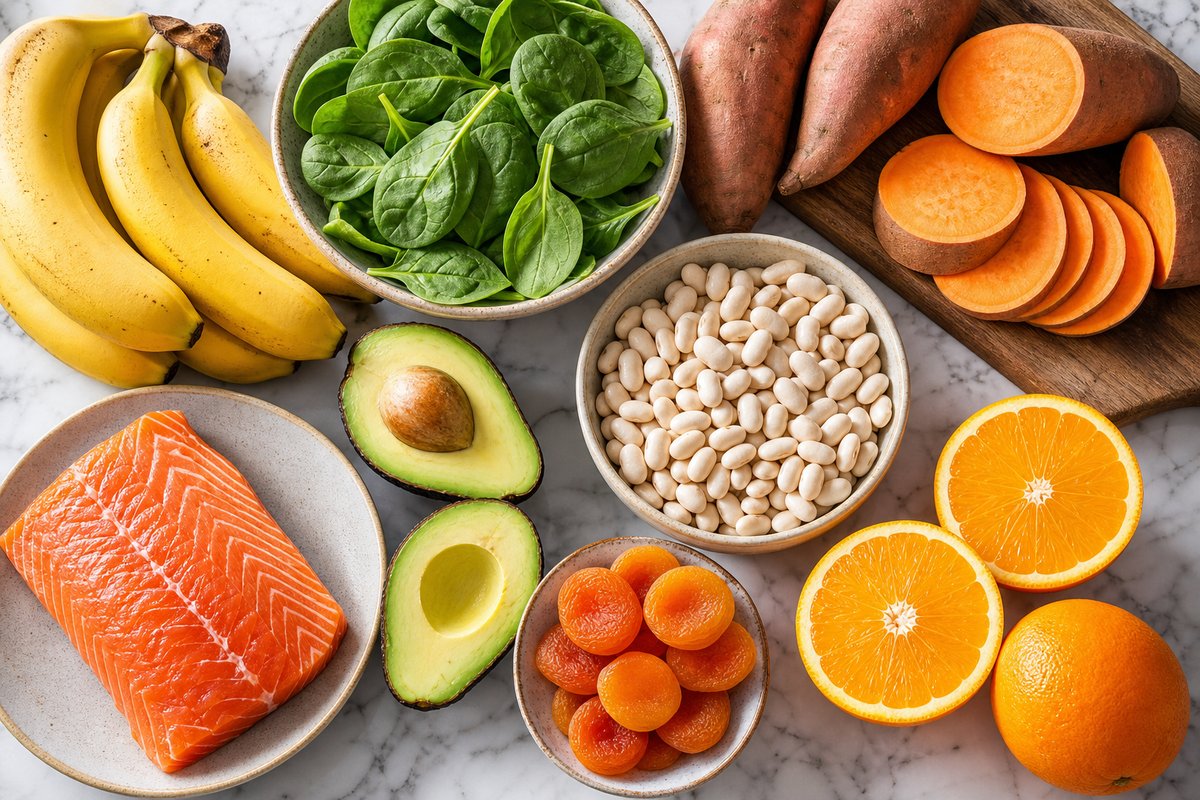
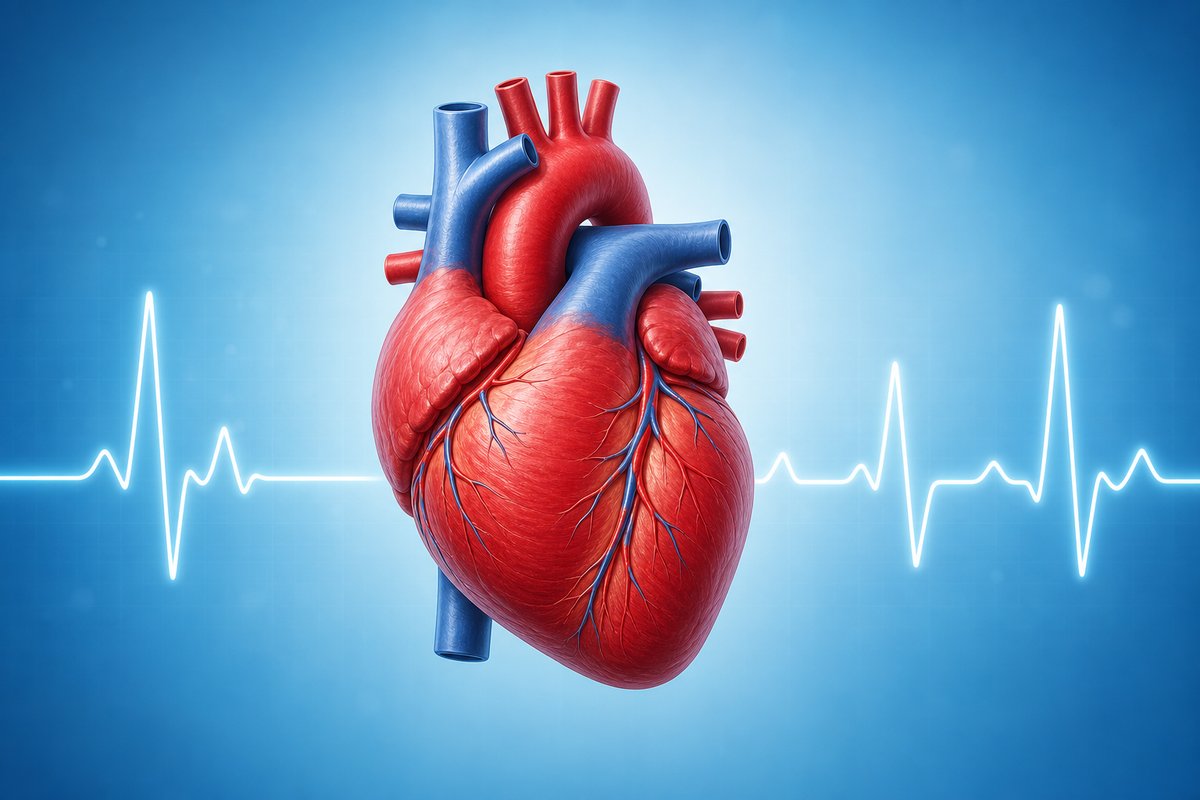
What Is Potassium and Why Does It Matter?
Potassium is an essential mineral and the main electrolyte inside your cells, while sodium sits mostly outside them. The controlled movement of these two minerals across cell membranes creates the tiny electrical charges that fire nerves, contract muscles, and keep your heart beating in rhythm. Around 98 percent of the body's potassium lives inside cells, and even small changes in the small amount circulating in your blood can have outsized effects.
According to the NIH Office of Dietary Supplements, potassium is required for normal cellular function, nerve transmission, muscle contraction, and maintaining a steady heartbeat, and it also helps counter the blood-pressure-raising effects of sodium. Because the kidneys tightly regulate potassium, both too little (hypokalemia) and too much (hyperkalemia) can be dangerous.
Why your body depends on potassium
| Role | What happens when potassium is low |
|---|---|
| Muscle contraction | Weakness, cramps, and in severe cases paralysis |
| Heart rhythm | Palpitations, skipped beats, and dangerous arrhythmias |
| Nerve signaling | Tingling, numbness, and sluggish reflexes |
| Fluid & blood pressure balance | Higher blood pressure and fluid imbalance |
| Digestive muscle function | Bloating and constipation from a sluggish gut |
| Kidney & acid-base balance | Disrupted mineral handling and increased thirst |
Because potassium touches so many systems, the symptoms of deficiency are broad and easy to blame on everyday life — which is exactly why low potassium is so often caught only on a routine blood test.
Potassium Deficiency Symptoms
Symptoms of hypokalemia depend heavily on how low potassium falls and how fast. Mild deficiency may cause almost nothing, while a rapid or severe drop can become a medical emergency. Understanding the spectrum helps you know when to act.

Early and common symptoms
- Muscle weakness and fatigue — often the first and most common sign
- Muscle cramps and spasms — especially in the legs
- General tiredness and low energy — overlapping with iron and B12 deficiency
- Constipation and bloating from a sluggish digestive tract
- Tingling or numbness in the arms, legs, or hands
- Increased thirst and urination in some cases
Moderate to more severe symptoms
- Heart palpitations — a fluttering, pounding, or skipping heartbeat
- Irregular heartbeat (arrhythmia) — potentially dangerous
- Severe muscle weakness or temporary paralysis
- Muscle breakdown (rhabdomyolysis) in extreme cases
- Breathing difficulty if the muscles that control breathing are affected
- Fainting or lightheadedness
Why symptoms are easy to miss
Many potassium symptoms — cramps, fatigue, weakness, palpitations — overlap heavily with other issues. Cramps and fatigue can point to magnesium deficiency or dehydration. Palpitations and fatigue can appear with thyroid problems, anxiety, or blood pressure changes like those in our low blood pressure guide. This overlap is exactly why self-diagnosis is risky and why a simple blood test beats guessing.
What Causes Potassium Deficiency?
Understanding the cause guides the fix. Unlike some nutrients, dietary shortfall is not the most common trigger for a true drop in blood potassium — excess losses through the gut or kidneys usually play the bigger role.
1. Fluid losses (the most common cause)
Potassium leaves the body in fluids, so anything that drains fluid can lower it:
- Prolonged vomiting or diarrhea, often during stomach illness
- Overuse of laxatives
- Heavy sweating from intense exercise or heat
- General dehydration and poor fluid balance
2. Medications — especially diuretics
The single most common medical cause of hypokalemia is diuretics ("water pills") used for high blood pressure or heart failure, which make the kidneys excrete more potassium. Per Mayo Clinic, certain diuretics, some antibiotics, corticosteroids, and high-dose insulin can all lower potassium. If you take blood pressure medication, this is worth discussing — see our high blood pressure guide for context.
3. Low magnesium
This is one of the most underappreciated drivers. Low magnesium makes the kidneys waste potassium and makes hypokalemia hard to correct until the magnesium is fixed. That is why doctors so often check the two together, and why our magnesium deficiency guide is a natural companion to this article.
4. Medical conditions
- Chronic kidney disease and adrenal disorders that affect mineral handling
- Poorly controlled diabetes, which can shift potassium and increase losses
- Eating disorders involving vomiting or laxative misuse
- Rare inherited conditions affecting kidney potassium handling
5. Diet and lifestyle
- Diets very low in vegetables, fruit, and beans
- Heavy alcohol use, which affects both potassium and magnesium
- Very high sodium intake, which works against potassium's benefits

Who Is Most at Risk?
| Group | Primary risk factor |
|---|---|
| People on diuretics (water pills) | Increased kidney potassium loss |
| People with vomiting or diarrhea | Fluid and electrolyte losses |
| People with kidney or adrenal disease | Disrupted mineral regulation |
| People with low magnesium | Potassium wasting and poor correction |
| People with poorly controlled diabetes | Potassium shifts and losses |
| People with eating disorders | Vomiting and laxative misuse |
| Heavy alcohol users | Combined potassium and magnesium loss |
| Low fruit-and-vegetable diets | Inadequate dietary intake |
If you recognize yourself in several of these rows — particularly if you take diuretics — potassium is worth an intentional conversation with your clinician rather than a wait-and-see approach.
How Is Potassium Deficiency Diagnosed?
Do not diagnose deficiency from symptoms alone. Because both low and high potassium are dangerous, testing is essential, and a clinician will interpret the numbers alongside your history and medications.
Common tests
| Test | What it shows |
|---|---|
| Serum (blood) potassium | Measures circulating potassium; below ~3.5 mmol/L suggests hypokalemia |
| Full electrolyte panel | Sodium, chloride, and bicarbonate for the bigger picture |
| Magnesium | Low magnesium makes potassium hard to correct |
| Kidney function (creatinine, eGFR) | Assesses how the kidneys handle minerals |
| ECG (electrocardiogram) | Checks for heart rhythm changes from low potassium |
| Urine potassium | Helps show whether losses are through kidneys or the gut |
Understanding the numbers
Normal blood potassium usually sits between about 3.5 and 5.0 mmol/L. Mild hypokalemia (3.0–3.5) may cause few symptoms, while levels below 3.0 are more serious and levels below 2.5 can be life-threatening. Because low magnesium so often accompanies low potassium, correcting both together is frequently necessary — a detail that explains why supplementing potassium alone sometimes fails.
Potassium Deficiency Treatment
Treatment focuses on replacing potassium safely, fixing any low magnesium, and addressing the underlying cause. For mild cases, food and a medication review are often enough; more severe cases need medical supervision.
1. Eat more potassium-rich foods

Top potassium food sources:
| Food | Why it helps |
|---|---|
| Potatoes & sweet potatoes (with skin) | Among the richest everyday sources |
| Beans & lentils | Potassium plus fiber and plant protein |
| Avocado | High potassium and healthy fats |
| Spinach & leafy greens | Well-rounded mineral content |
| Bananas | Convenient, portable potassium source |
| Oranges & orange juice | Fruit source with vitamin C |
| Tomatoes & tomato sauce | Concentrated potassium when cooked |
| Yogurt & milk | Potassium plus calcium and protein |
| Salmon & other fish | Potassium with omega-3 fats |
| Dried apricots, raisins & prunes | Concentrated fruit potassium |
Practical tips:
- Keep the skin on potatoes and choose whole fruit and vegetables to maximize potassium
- Pair potassium habits with adequate magnesium from nuts, seeds, and greens
- Balance high sodium intake, since potassium and sodium work against each other
- Build these into consistent routines, as covered in our daily wellness habits guide
Important caution: People with chronic kidney disease may need to limit potassium, not increase it, because their kidneys cannot clear excess safely. If you have kidney disease, follow your doctor's or dietitian's individualized advice rather than the general guidance above.
2. Fix low magnesium at the same time
Because low magnesium makes the kidneys waste potassium, correcting a magnesium shortfall is often the missing piece when potassium will not stay up. This is why clinicians frequently check and treat both minerals together. See our detailed magnesium deficiency guide for how to recognize and address it.
3. Potassium supplements (medical supervision only)

Unlike many nutrients, potassium supplements are not something to self-prescribe. Over-the-counter potassium is legally limited to small doses because too much potassium can cause dangerous heart rhythms. Prescription potassium is used when a doctor confirms deficiency, often alongside certain diuretics, and severe hypokalemia may need intravenous potassium in a hospital with heart monitoring.
Safety first:
- Only take potassium supplements if a doctor prescribes or recommends them
- Never take potassium supplements on your own if you have kidney disease or take medications that raise potassium
- Report symptoms like palpitations, severe weakness, or numbness promptly
- Remember that whole foods deliver potassium gradually and safely for most people
4. Treat the underlying cause
- Review diuretics and other medications with your prescriber — never stop them on your own
- Manage vomiting, diarrhea, and digestive issues that drain electrolytes
- Correct low magnesium as a priority
- Address kidney, adrenal, or diabetes-related drivers with your care team
Without addressing the driver, deficiency often returns after supplements stop. The WHO recommends increasing potassium from food to help lower blood pressure and reduce stroke risk in the general population — a reminder that, for most people, food is the safest strategy.
Potassium, Blood Pressure & Heart Health
One of potassium's most important jobs is balancing sodium. When you eat more potassium and less sodium, blood vessel walls relax and the kidneys excrete more sodium, which helps lower blood pressure. According to the CDC, most people eat too much sodium and too little potassium, and shifting that balance is one of the most effective dietary changes for heart health.
This is why eating patterns like the DASH diet emphasize potassium-rich fruits, vegetables, beans, and dairy. For most people, building meals around these foods supports healthy blood pressure and a steady heart rhythm — habits that fit naturally with the advice in our high blood pressure guide and the broader routines in our Wellness & Lifestyle hub. The key exception remains people with kidney disease, who need individualized potassium targets.
Potassium vs Other Nutrient Deficiencies
Many deficiencies share the same vague symptoms — cramps, fatigue, weakness, palpitations. Comparing them helps explain why testing beats guessing.
| Nutrient | Overlapping symptoms | Learn more |
|---|---|---|
| Magnesium | Cramps, twitching, fatigue, palpitations | Magnesium deficiency guide |
| Calcium | Cramps, tingling, muscle spasms | Calcium deficiency guide |
| Iron | Fatigue, weakness, breathlessness | Iron deficiency anemia |
| Vitamin B12 | Tingling, numbness, fatigue | B12 deficiency guide |
| Sodium/water | Cramps, weakness, dizziness | Dehydration guide |
| Thyroid (low) | Fatigue, cramps, sluggishness | Thyroid symptoms in women |
Because these overlap so much — and because potassium works hand in hand with magnesium and sodium — clinicians often check a panel of electrolytes and minerals rather than testing potassium alone.
How to Prevent Potassium Deficiency
- Anchor meals with potassium foods — potatoes, beans, greens, avocado, fruit, and dairy
- Eat plenty of vegetables and fruit to comfortably reach your daily target
- Keep magnesium adequate so potassium is easier to maintain
- Balance sodium by cooking more at home and limiting ultra-processed foods
- Replace electrolytes during illness with vomiting, diarrhea, or heavy sweating
- Review diuretics and medications with your doctor if you take them long term
- Stay hydrated and moderate alcohol, which drains potassium and magnesium
- Retest if high-risk, especially on diuretics or with kidney or heart conditions
These steps fit naturally into the routines in our Wellness & Lifestyle hub, and pair well with cardiovascular habits like those in our high blood pressure guide.
When to See a Doctor — Red Flags
Seek urgent medical care for:
- Severe muscle weakness or paralysis
- A fast, pounding, or irregular heartbeat
- Chest pain, fainting, or severe dizziness
- Difficulty breathing
Schedule a routine appointment for:
- Ongoing cramps, fatigue, or weakness lasting more than 2–3 weeks
- Taking diuretics or other medications that affect potassium
- Kidney, heart, adrenal, or diabetes conditions
- Recent prolonged vomiting or diarrhea with weakness
- Before considering any potassium supplement, especially with other medications
If symptoms are vague but persistent, it is reasonable to ask your clinician to check potassium alongside magnesium, calcium, iron, and thyroid testing — and to rule out overlapping issues like B12 deficiency or dehydration when the picture is broad.
Key Takeaways
- Potassium powers muscles, nerves, and a steady heartbeat, and helps balance sodium and blood pressure — 98 percent is stored inside cells.
- Symptoms of deficiency include muscle weakness, cramps, fatigue, constipation, and — when severe — heart palpitations and dangerous arrhythmias.
- Causes are usually excess losses (diuretics, vomiting, diarrhea) rather than diet alone, and low magnesium makes it worse.
- Diagnosis relies on a blood test, often with magnesium, kidney function, and sometimes an ECG.
- Treatment starts with potassium-rich foods and fixing magnesium; supplements are used only under medical supervision because excess is dangerous.
- Kidney disease is a key exception — some people must limit, not increase, potassium and should follow individualized advice.
Explore Related Guides
- Magnesium Deficiency: Symptoms & Foods
- Calcium Deficiency: Symptoms & Best Food Sources
- Iron Deficiency Anemia: Symptoms & Treatment
- Vitamin B12 Deficiency: Symptoms & Treatment
- Dehydration: Symptoms, Causes & Treatment
- High Blood Pressure: Symptoms, Causes & Prevention
- Low Blood Pressure: Symptoms & Causes
- Thyroid Symptoms in Women
- Digestive Issues & Gut Health Guide
- Daily Wellness Habits for Better Energy
- Browse all Vitamin Deficiency & Nutrition guides
- Explore the Symptoms & Conditions and Wellness & Lifestyle hubs
Medical Disclaimer
Symptoms Insight publishes general health information for educational purposes only. It is not a substitute for professional medical advice, diagnosis, or treatment. Always seek the advice of a qualified healthcare provider with any questions about a medical condition, lab results, or supplement use — particularly potassium, which can be harmful in excess or with kidney disease. Never disregard professional medical advice or delay seeking it because of something you have read here.
About the publisher

Rajat
Health & Wellness Editor | Global
Health & Wellness Editor | Global
Rajat edits Symptoms Insight as a practical health publication focused on symptoms, vitamin deficiencies, skincare, wellness habits, and digital health — always encouraging readers to consult qualified healthcare professionals for personal medical decisions.
FAQ
Frequently asked questions
What are the most common potassium deficiency symptoms?
Mild low potassium often causes few symptoms, but common signs include muscle weakness, leg cramps, fatigue, constipation, and a feeling of being generally run down. As levels fall further, people may notice heart palpitations, an irregular heartbeat, tingling or numbness, and increased thirst or urination. Because these overlap with magnesium, dehydration, and thyroid problems, a blood test is the only reliable way to confirm the cause.
Which foods are highest in potassium?
Many everyday foods are rich in potassium. Strong sources include potatoes and sweet potatoes with the skin, beans and lentils, avocado, bananas, oranges and orange juice, spinach and other leafy greens, tomatoes and tomato sauce, yogurt, salmon, and dried fruits like apricots and raisins. Building meals around a variety of vegetables, fruits, beans, and dairy is the most reliable way to reach the daily target.
How much potassium do I need each day?
Most adults need an adequate intake of about 2,600 mg per day for women and 3,400 mg per day for men, according to the NIH. Most people fall short because diets low in vegetables, fruit, and beans rarely reach these amounts. Getting potassium from whole foods rather than large supplement doses is safer and preferred, since food delivers it gradually alongside other beneficial nutrients.
Can low potassium cause heart palpitations?
Yes. Potassium is essential for the electrical signals that control your heartbeat, so a genuine drop in blood potassium can cause palpitations, skipped beats, and in severe cases dangerous irregular rhythms called arrhythmias. This is why very low potassium is treated as a medical priority. Anyone with a known heart condition, or who takes heart or blood pressure medication, should take heart-related symptoms seriously and seek prompt care.
What is the difference between hypokalemia and hyperkalemia?
Hypokalemia means blood potassium is too low, usually below about 3.5 mmol/L, and tends to cause muscle weakness, cramps, and irregular heartbeat. Hyperkalemia means potassium is too high, often linked to kidney disease or certain medications, and can also disturb heart rhythm. Both extremes are dangerous, which is why potassium is tightly regulated and why people with kidney problems should not take potassium supplements without medical guidance.
Does potassium help lower blood pressure?
For many people, yes. Potassium helps balance the effects of sodium and relaxes blood vessel walls, so diets rich in potassium are linked to lower blood pressure and reduced stroke risk. This is a core reason eating plans like the DASH diet emphasize potassium-rich fruits and vegetables. People with kidney disease are an important exception and should follow individualized advice from their doctor.
Can dehydration or diarrhea cause potassium loss?
Yes. Potassium is lost through fluids, so prolonged vomiting, diarrhea, heavy sweating, and some laxatives can lower potassium levels. This is a common cause of temporary hypokalemia during stomach illness. Rehydrating and replacing electrolytes helps, but severe or persistent losses, especially with weakness or palpitations, should be evaluated because potassium can drop quickly in these situations.
Should I take a potassium supplement?
Most people should get potassium from food rather than supplements, and over-the-counter potassium doses are legally limited because too much can be dangerous. Supplements are appropriate mainly when a doctor diagnoses deficiency or prescribes them, often alongside certain diuretics. Because both low and high potassium can harm the heart, and because kidney function matters, potassium supplements should only be taken under medical supervision.
How is potassium deficiency diagnosed?
A simple blood test measures serum potassium, and doctors often check it as part of a broader electrolyte and kidney panel that includes sodium, magnesium, and creatinine. Because low magnesium can make potassium hard to correct, it is frequently tested too. In some cases an ECG is done to check the heart, and urine tests may be used to work out whether potassium is being lost through the kidneys or the gut.
Who is most at risk of low potassium?
People taking diuretics or water pills are the most common group, along with those with prolonged vomiting or diarrhea, eating disorders, chronic kidney or adrenal conditions, poorly controlled diabetes, and heavy alcohol use. Diets very low in fruit and vegetables also contribute. Low magnesium frequently accompanies low potassium, so people with one deficiency are often checked for the other.
When should I see a doctor about low potassium?
Seek urgent care for severe muscle weakness, paralysis, fainting, chest pain, or a fast or irregular heartbeat, which can signal dangerously low potassium. Book a routine appointment for ongoing cramps, fatigue, or weakness, especially if you take diuretics, have kidney or heart conditions, or have had prolonged vomiting or diarrhea. Never start potassium supplements on your own if you have kidney disease.