
Medical & editorial notice: Symptoms Insight publishes general health information for educational purposes only. It is not a substitute for professional medical advice, diagnosis, or treatment. Always seek the advice of a qualified healthcare provider with questions about a medical condition.
Review snapshot
What we checked for this guide
Official sources used
Pages checked while updating this article
Introduction
Calcium deficiency rarely announces itself the way a broken bone or a fever does. For most people it works quietly in the background — a few extra muscle cramps at night, nails that snap too easily, a strange tingling in the fingertips — while the real damage happens somewhere you cannot see: your bones. Calcium is the most abundant mineral in the human body, and about 99 percent of it is stored in the skeleton and teeth. The small remainder circulating in your blood does something just as vital, powering nerve signaling, muscle contraction, blood clotting, and a steady heartbeat.
Here is the catch that makes calcium so easy to overlook: your body will do almost anything to keep blood calcium in a narrow, safe range, even if that means quietly withdrawing calcium from your bones for years. That means a routine blood test can look perfectly normal while your skeleton is slowly weakening. Like most nutrient problems, low calcium also rarely travels alone — it is closely tied to vitamin D deficiency, magnesium status, and overall diet.
This guide covers calcium deficiency symptoms, the underlying causes, how it is diagnosed, evidence-based treatment, the best calcium-rich foods, supplement forms and safety, and the red flags that mean it is time to see a doctor. For related nutrient guides, explore our Vitamin Deficiency & Nutrition and Symptoms & Conditions hubs.
Medical note: This article is for general education only. It is not a substitute for professional medical advice, diagnosis, or treatment. Always consult a qualified healthcare provider for personal medical decisions, lab interpretation, or before starting any supplement.

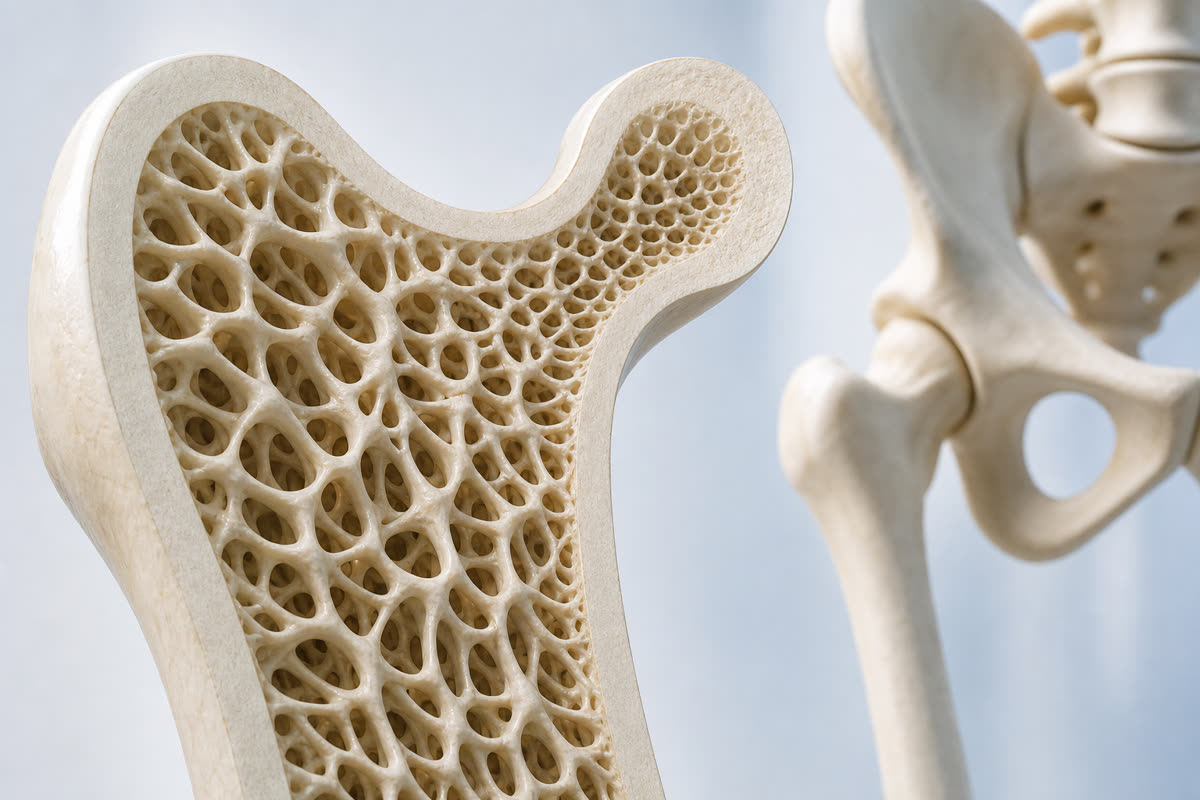
What Is Calcium and Why Does It Matter?
Calcium is an essential mineral your body cannot make on its own — you must get it from food or supplements. Beyond building and maintaining the skeleton, calcium is a chemical messenger and structural material woven through nearly every system.
According to the NIH Office of Dietary Supplements, calcium is required for vascular contraction, muscle function, nerve transmission, hormone secretion, and blood clotting, in addition to building bone. Because blood calcium is so tightly regulated by hormones and the kidneys, dietary shortfalls tend to show up in the bones long before they show up in the blood.
Why your body depends on calcium
| Role | What happens when calcium is low |
|---|---|
| Bone and teeth strength | Bone is broken down to release calcium, weakening the skeleton over time |
| Muscle contraction | Cramps, spasms, and twitching |
| Nerve signaling | Tingling, numbness, pins-and-needles sensations |
| Heart rhythm | Palpitations or irregular heartbeat in severe cases |
| Blood clotting | Impaired clotting when calcium is very low |
| Hormone and enzyme function | Disrupted cellular signaling |
Because calcium touches so many systems, the symptoms of deficiency are broad and easy to blame on stress, aging, or overwork — which is exactly why low calcium and its long-term effect on bone are so often caught late.
Calcium Deficiency Symptoms
There are really two pictures of calcium deficiency. The first is a true drop in blood calcium (called hypocalcemia), which produces nerve and muscle symptoms and can become a medical emergency. The second is long-term low dietary calcium, which may cause few day-to-day symptoms while it steadily undermines bone. Understanding both is important.

Early and common symptoms
- Muscle cramps and spasms — especially in the legs, back, and thighs
- Tingling and numbness — often in the fingers, toes, and around the mouth
- Brittle, weak nails that split or break easily
- Dry, flaky skin and coarse hair
- Fatigue and low energy — overlapping with iron and B12 deficiency
- Muscle stiffness or aches
- Dental problems — weak teeth or increased decay in long-term deficiency
Moderate to more severe symptoms
- Tetany — involuntary muscle spasms and cramping when blood calcium is very low
- Numbness that spreads or worsens
- Confusion, memory problems, or brain fog
- Heart palpitations or an irregular heartbeat
- Seizures in severe, untreated hypocalcemia
- Depression or mood changes
The silent long-term symptom: weak bones
The most important consequence of chronic low calcium is bone loss. Because bone is the body's calcium bank, years of inadequate intake gradually thin the skeleton, first causing osteopenia and eventually osteoporosis. This process is usually painless until a bone breaks — often a wrist, hip, or spine fracture. That silent nature is why prevention, not just symptom-watching, is the real goal with calcium.
Why symptoms are easy to miss
Many calcium symptoms — fatigue, cramps, brittle nails, tingling — overlap heavily with other issues. Cramps and fatigue can point to magnesium deficiency or dehydration. Tingling and brain fog can appear in vitamin B12 deficiency or thyroid problems. This overlap is exactly why self-diagnosis is risky and why a broad clinical review beats guessing at supplements.
What Causes Calcium Deficiency?
Understanding the cause guides the fix. Drinking more milk will not solve the problem if low vitamin D is blocking absorption, or if a medication or medical condition is constantly draining calcium.
1. Low dietary intake
The most straightforward cause is simply not eating enough calcium over time:
- Avoiding dairy without replacing it with fortified or high-calcium alternatives
- Strict vegan diets that skip fortified plant milks, tofu, and greens
- Lactose intolerance leading people to cut dairy entirely
- Very restrictive or repetitive diets low in whole foods
2. Vitamin D deficiency
This is one of the most important and underappreciated drivers. Vitamin D is required to absorb calcium from the gut, so even a calcium-rich diet can fall short when vitamin D is low. The two nutrients work as a team, which is why our vitamin D deficiency guide and best vitamin D supplements review are natural companions to this article.
3. Hormonal and age-related changes
- Menopause — falling estrogen accelerates bone loss in women
- Aging — calcium absorption becomes less efficient with age
- Parathyroid disorders — the parathyroid glands regulate calcium, and problems here can raise or lower it
- Low magnesium — magnesium is needed for the hormones that control calcium, so deficiency can worsen low calcium
4. Absorption and medical conditions
Calcium is absorbed in the intestine, so gut and organ conditions matter:
- Celiac disease, Crohn's disease, and other malabsorption disorders
- Chronic digestive issues affecting nutrient uptake
- Chronic kidney disease, which disrupts calcium and vitamin D metabolism
- Pancreatitis and other conditions affecting nutrient handling
5. Medications and other drivers
- Long-term corticosteroids (steroids), which reduce bone density and calcium absorption
- Some proton pump inhibitors and long-term acid reducers, which may lower calcium absorption — a relevant consideration for people managing acid reflux and GERD
- Certain diuretics and other drugs
- Very high-sodium or high-caffeine diets, which can increase calcium losses
- Heavy alcohol use, which affects bone and nutrient status

Who Is Most at Risk?
| Group | Primary risk factor |
|---|---|
| Postmenopausal women | Estrogen loss accelerates bone breakdown |
| Older adults | Reduced absorption and intake |
| Vegans & dairy-avoiders | Lower intake without fortified foods |
| People with lactose intolerance | Cutting out dairy without replacements |
| People low in vitamin D | Impaired calcium absorption |
| People with GI disease | Malabsorption (celiac, Crohn's) |
| People with kidney disease | Disrupted calcium and vitamin D metabolism |
| Long-term steroid users | Bone loss and reduced absorption |
If you recognize yourself in several of these rows, calcium and bone health are worth an intentional conversation with your clinician rather than a wait-and-see approach.
How Is Calcium Deficiency Diagnosed?
Do not diagnose deficiency from symptoms alone. A clinician will combine your history with targeted testing — and interpret the numbers carefully, because blood calcium is a deceptive marker.
Common tests
| Test | What it shows |
|---|---|
| Serum (blood) calcium | Measures circulating calcium, but stays stable even as bone weakens |
| Ionized calcium | The active, free form; a more precise blood measure |
| Vitamin D (25-hydroxyvitamin D) | Checks the key partner needed for calcium absorption |
| Parathyroid hormone (PTH) | Reveals how hormones are managing calcium balance |
| Magnesium & phosphate | Related minerals that affect calcium regulation |
| Bone density (DEXA) scan | Assesses long-term bone loss, osteopenia, or osteoporosis |
The blood calcium limitation
Because the body pulls calcium from bone to keep blood levels normal, a normal serum calcium result does not rule out long-term dietary shortfall or bone loss. That is why doctors look at the bigger picture — vitamin D status, parathyroid hormone, diet, medications, and, when bone health is a concern, a DEXA scan. This is also why the goal is prevention through steady intake, not simply reacting to an abnormal lab.
Calcium Deficiency Treatment
Treatment focuses on restoring adequate calcium, fixing vitamin D, and addressing the underlying cause. For most people, food comes first, with supplements reserved for confirmed shortfalls or higher needs.
1. Eat more calcium-rich foods

Top calcium food sources:
| Food | Why it helps |
|---|---|
| Milk, yogurt & cheese | Richest and best-absorbed everyday sources |
| Sardines & canned salmon (with bones) | Calcium plus omega-3 and vitamin D |
| Tofu set with calcium | Excellent plant source, check the label |
| Fortified plant milks & juices | Reliable non-dairy option, shake before pouring |
| Kale, bok choy & broccoli | Well-absorbed plant calcium |
| Almonds & almond butter | Portable snack source with healthy fats |
| Chia seeds & sesame (tahini) | Concentrated plant calcium |
| Beans & lentils | Fiber plus modest calcium |
| Fortified cereals & breads | Easy everyday top-ups |
| Figs & oranges | Fruit sources with modest calcium |
Practical tips:
- Spread calcium across the day, since the body absorbs it best in smaller amounts (under about 500 mg at a time)
- Pair calcium habits with enough vitamin D from sunlight, food, or supplements
- Note that spinach and rhubarb are high in calcium but bound to oxalates that limit absorption — enjoy them, but do not rely on them
- Build these into consistent routines, as covered in our daily wellness habits guide
2. Fix vitamin D at the same time
Because vitamin D controls how much calcium you absorb, correcting a vitamin D shortfall is often the single most effective step. Sensible sun exposure, vitamin D-rich foods, and — when needed — supplements work together with calcium. See our detailed vitamin D deficiency guide for how to test and correct it safely.
3. Calcium supplements (when appropriate)
Supplements help when diet alone is not enough, after confirmed deficiency, or in higher-need situations like postmenopause. Forms differ in absorption and how they are taken:
| Form | Notes |
|---|---|
| Calcium carbonate | Highest calcium content, cheapest; take with food for absorption |
| Calcium citrate | Absorbed with or without food; good for low stomach acid or acid reducers |
| Calcium gluconate / lactate | Lower calcium content, sometimes used medically |
Per Mayo Clinic, the best supplement choice depends on tolerance, cost, and how much elemental calcium each dose provides, and calcium is generally best taken in divided doses for absorption.
Safety first:
- Take no more than about 500 to 600 mg at a time for best absorption
- Keep total intake (food plus supplements) within recommended limits — usually under 2,000 to 2,500 mg per day for adults
- Separate calcium from high-dose iron and zinc, and from certain thyroid medications and antibiotics, by a couple of hours
- Excess supplemental calcium can cause constipation and kidney stones — see our kidney stone prevention guide
- Choose supplements that include or are paired with vitamin D when advised
4. Treat the underlying cause
- Manage gut conditions and digestive issues that limit absorption
- Review long-term steroid or acid-reducer use with your prescriber
- Address low magnesium, which is needed for calcium regulation
- Correct vitamin D deficiency as a priority
Without addressing the driver, deficiency often returns after supplements stop. The WHO highlights how important adequate calcium is in specific high-need groups, such as during pregnancy, where supplementation reduces certain risks.
Calcium, Bones, and Long-Term Health

Your bones are not static. They are living tissue in a constant cycle of breakdown and rebuilding, and calcium is the raw material. In childhood and the teenage years, the body builds toward peak bone mass — the strongest your skeleton will ever be, usually reached by the late twenties. After that, the goal shifts to preserving what you have.
This is why calcium matters differently at different ages. Teenagers need the most (about 1,300 mg daily) to build bone, while postmenopausal women and older adults need extra (about 1,200 mg) to slow bone loss. Beyond calcium and vitamin D, bone health depends on weight-bearing exercise, adequate protein, not smoking, moderate alcohol, and good sleep — the kind of foundations covered in our sleep hygiene tips. Calcium is one pillar of a whole-body approach, not a magic fix.
Calcium vs Other Nutrient Deficiencies
Many deficiencies share the same vague symptoms — cramps, fatigue, brittle nails, tingling. Comparing them helps explain why testing beats guessing.
| Nutrient | Overlapping symptoms | Learn more |
|---|---|---|
| Vitamin D | Bone aches, fatigue, poor calcium absorption | Vitamin D deficiency guide |
| Magnesium | Cramps, twitching, fatigue, poor sleep | Magnesium deficiency guide |
| Iron | Fatigue, brittle nails, weakness | Iron deficiency anemia |
| Vitamin B12 | Tingling, numbness, brain fog | B12 deficiency guide |
| Zinc | Slow healing, brittle nails, hair changes | Zinc deficiency guide |
| Thyroid (low) | Fatigue, cramps, dry skin | Thyroid symptoms in women |
Because these overlap so much — and because calcium works hand in hand with vitamin D and magnesium — clinicians often check a panel of nutrients rather than testing calcium alone.
How to Prevent Calcium Deficiency
- Anchor meals with calcium foods — dairy or fortified alternatives, plus fish with bones, tofu, and greens
- Get enough vitamin D so the calcium you eat is actually absorbed
- Spread intake across the day rather than one large dose
- Stay active with weight-bearing and resistance exercise to keep bones strong
- Watch hidden losses from very high sodium, excess caffeine, and heavy alcohol
- Plan deliberately if vegan or dairy-free, using fortified foods and calcium-set tofu
- Review medications like long-term steroids and acid reducers with your doctor
- Retest and screen bone density if you are older or high-risk
These steps fit naturally into the broader routines in our Wellness & Lifestyle hub, and pair well with cardiovascular habits like those in our high blood pressure guide.
When to See a Doctor — Red Flags
Seek urgent medical care for:
- Severe muscle spasms or tetany (sustained cramping)
- Numbness and tingling that spreads or worsens
- Seizures, confusion, or fainting
- An irregular or racing heartbeat
Schedule a routine appointment for:
- Ongoing cramps, brittle nails, or tingling lasting more than 2–3 weeks
- A dairy-free or vegan diet without planned calcium sources
- A family history of osteoporosis or an early fracture
- Long-term steroid use, malabsorption conditions, or menopause
- Before starting high-dose calcium, especially with other supplements and medications
If symptoms are vague but persistent, it is reasonable to ask your clinician to consider calcium alongside vitamin D, magnesium, iron, and thyroid testing — and to rule out overlapping issues like vitamin C deficiency or folate deficiency when the picture is broad.
Key Takeaways
- Calcium builds bone and powers nerves, muscles, heartbeat, and blood clotting — 99 percent is stored in the skeleton.
- Symptoms of deficiency include muscle cramps, tingling, brittle nails, fatigue, and — over the long term — weak bones and fractures.
- Blood calcium can look normal even during bone loss, because the body borrows calcium from the skeleton to protect blood levels.
- Causes include low intake, vitamin D deficiency, menopause and aging, malabsorption, and certain medications.
- Treatment starts with calcium-rich foods and correcting vitamin D; supplements help when needed but should stay within safe limits.
- Overlap with vitamin D, magnesium, iron, B12, and thyroid problems is common — broad testing and prevention beat guessing.
Explore Related Guides
- Vitamin D Deficiency: Symptoms & Prevention
- Magnesium Deficiency: Symptoms & Foods
- Iron Deficiency Anemia: Symptoms & Treatment
- Vitamin B12 Deficiency: Symptoms & Treatment
- Zinc Deficiency: Symptoms & Best Foods
- Best Vitamin D Supplements for Energy, Immunity & Bones
- Kidney Stone Symptoms, Causes & Prevention
- Thyroid Symptoms in Women
- Digestive Issues & Gut Health Guide
- Best Sleep Hygiene Tips for Better Rest
- Browse all Vitamin Deficiency & Nutrition guides
- Explore the Symptoms & Conditions and Wellness & Lifestyle hubs
Medical Disclaimer
Symptoms Insight publishes general health information for educational purposes only. It is not a substitute for professional medical advice, diagnosis, or treatment. Always seek the advice of a qualified healthcare provider with any questions about a medical condition, lab results, or supplement use. Never disregard professional medical advice or delay seeking it because of something you have read here.
About the publisher

Rajat
Health & Wellness Editor | Global
Health & Wellness Editor | Global
Rajat edits Symptoms Insight as a practical health publication focused on symptoms, vitamin deficiencies, skincare, wellness habits, and digital health — always encouraging readers to consult qualified healthcare professionals for personal medical decisions.
FAQ
Frequently asked questions
What are the most common calcium deficiency symptoms?
Early low calcium is often silent, but common signs include muscle cramps and spasms, tingling or numbness in the fingers and around the mouth, brittle nails, dry skin, fatigue, and in longer-term cases weak or thinning bones. Because these overlap with magnesium, vitamin D, and thyroid problems, testing helps confirm the real cause rather than guessing.
Which foods are highest in calcium?
Dairy foods like milk, yogurt, and cheese are the richest and best-absorbed sources. Strong non-dairy options include canned sardines and salmon with bones, tofu set with calcium, fortified plant milks and juices, leafy greens such as kale and bok choy, broccoli, almonds, chia seeds, and beans. Variety across the week is the most reliable approach.
How much calcium do I need each day?
Most adults need about 1,000 mg of calcium per day, rising to around 1,200 mg for women over 50 and adults over 70. Teenagers need roughly 1,300 mg to support rapid bone growth. Most people can reach these targets through food, and getting calcium from meals rather than large single supplement doses is generally preferred.
Can low calcium cause muscle cramps and tingling?
Yes. Calcium is essential for normal nerve signaling and muscle contraction, so a genuine drop in blood calcium can cause muscle cramps, twitching, and tingling in the hands, feet, and around the mouth. Severe cases can trigger spasms called tetany. These symptoms have many causes, so persistent or severe cramping should be evaluated by a doctor.
Do I need vitamin D to absorb calcium?
Vitamin D is essential for absorbing calcium from the gut, so low vitamin D can lead to poor calcium status even when your diet looks adequate. This is why the two nutrients are almost always considered together. If you are working on bone health, it makes sense to check vitamin D alongside calcium and address both.
Should I take a calcium supplement?
Supplements can help when diet falls short or needs are higher, such as after menopause, but food comes first. Calcium carbonate is taken with meals while calcium citrate can be taken with or without food and suits people with low stomach acid. Doses are best split to under 500 to 600 mg at a time, and total intake should stay within recommended limits.
Can too much calcium be harmful?
Yes. Very high intakes, usually from high-dose supplements rather than food, can cause constipation, kidney stones, and interfere with the absorption of iron and zinc. The tolerable upper limit for most adults is about 2,000 to 2,500 mg per day from all sources combined. More is not better, and staying near your recommended target is the safer strategy.
How is calcium deficiency diagnosed?
A blood test measures calcium, but the body tightly controls blood levels by pulling calcium from bone, so a normal reading does not rule out low body stores. Doctors often check vitamin D, magnesium, phosphate, parathyroid hormone, and kidney function, and may order a bone density (DEXA) scan to assess long-term bone loss.
Who is most at risk of calcium deficiency?
Postmenopausal women, older adults, people who avoid dairy or follow strict vegan diets without fortified foods, those with lactose intolerance, people with low vitamin D, and anyone with conditions like celiac disease or kidney disease are at higher risk. Certain medications, including long-term steroids and some acid reducers, can also lower calcium status.
Does calcium deficiency cause osteoporosis?
Long-term low calcium intake is a major risk factor for osteoporosis because the body borrows calcium from bone to keep blood levels stable, gradually weakening the skeleton. Osteoporosis develops over years and often has no symptoms until a fracture, which is why building calcium and vitamin D habits early and staying active matters so much.
When should I see a doctor about low calcium?
See a doctor promptly for severe or persistent muscle spasms, numbness and tingling, seizures, confusion, or an irregular heartbeat, which can signal dangerously low calcium. Book a routine appointment for ongoing cramps, brittle nails, a family history of osteoporosis, or before starting high-dose supplements, especially if you take other medications.