Medical & editorial notice: Symptoms Insight publishes general health information for educational purposes only. It is not a substitute for professional medical advice, diagnosis, or treatment. Always seek the advice of a qualified healthcare provider with questions about a medical condition.
Review snapshot
What we checked for this guide
Official sources used
Pages checked while updating this article
Introduction
Zinc deficiency is one of the most common — and most underestimated — nutrient gaps in the world, yet it is easy to miss because its symptoms hide in plain sight. Catching every cold that goes around, a cut that takes forever to heal, hair collecting in the shower drain, food that suddenly tastes flat, or skin that won't settle down: these are the kinds of complaints people blame on stress, weather, or aging long before they think of a mineral. Zinc is essential for immune function, wound healing, DNA and protein synthesis, taste and smell, skin repair, and normal growth — so when levels run low, the effects ripple across the whole body.
Like most nutrient problems, low zinc rarely travels alone. Its fatigue and frequent infections can look identical to iron deficiency anemia, vitamin B12 deficiency, vitamin D deficiency, or an underactive thyroid. That overlap is exactly why guessing at supplements is risky, and why understanding zinc properly matters.
This guide covers zinc deficiency symptoms, the root causes, how it is diagnosed, evidence-based treatment, the best zinc-rich foods, supplement forms, and the red flags that mean it is time to see a doctor. For related nutrient guides, explore our Vitamin Deficiency & Nutrition and Symptoms & Conditions hubs.
Medical note: This article is for general education only. It is not a substitute for professional medical advice, diagnosis, or treatment. Always consult a qualified healthcare provider for personal medical decisions, lab interpretation, or before starting any supplement.

What Is Zinc and Why Does It Matter?
Zinc is an essential trace mineral your body cannot make or store in large amounts — you must get a steady supply from food or supplements. Although the body contains only 2 to 3 grams of zinc total, it is the second most abundant trace mineral after iron and acts as a structural or catalytic component in hundreds of enzymes and many proteins.
According to the NIH Office of Dietary Supplements, zinc is involved in immune function, protein synthesis, wound healing, DNA synthesis, and cell division, and it is required for a proper sense of taste and smell. Because the body has no dedicated zinc storage depot, a shortfall in intake or absorption can show up relatively quickly compared with nutrients like iron or vitamin B12.
Why your body depends on zinc
| Role | What happens when zinc is low |
|---|---|
| Immune defense | Frequent or lingering infections, slower recovery |
| Wound healing & skin repair | Cuts heal slowly, rashes, acne, ulcers |
| DNA & protein synthesis | Impaired growth, slow tissue repair |
| Taste & smell | Dulled or altered taste, reduced appetite |
| Hair & nail growth | Thinning hair, brittle or spotted nails |
| Reproduction & hormones | Fertility and testosterone effects in deficiency |
| Growth & development | Stunted growth in children, delayed puberty |
Because zinc touches so many systems, deficiency symptoms are broad and easy to attribute to something else — which is why low zinc is so often overlooked until several signs appear together.
Zinc Deficiency Symptoms
Symptoms usually build gradually and depend on how low levels fall and for how long. Mild deficiency can be subtle for months, while more severe shortfalls produce a recognizable cluster of skin, immune, and sensory problems.

Early and common symptoms
- Frequent colds and infections — slower recovery and more "everything goes around to me" episodes
- Slow wound healing — cuts, scrapes, and sores that linger
- Hair thinning or hair loss — similar to iron-related shedding and thyroid hair changes
- Loss of taste or smell — food tastes bland, appetite drops
- Poor appetite and unintended weight changes
- Skin problems — acne, dryness, eczema-like rashes, or sores around the mouth
- Brittle nails or white spots on the nails
- Fatigue and low energy — overlapping with B12 fatigue and chronic fatigue
Moderate to more severe symptoms
- Recurrent or hard-to-heal skin infections and ulcers
- Diarrhea, which can itself worsen zinc loss in a vicious cycle
- Impaired growth and delayed puberty in children and teens
- Eye and skin lesions, including a characteristic rash around the mouth, eyes, and genitals in severe cases
- Reduced fertility and hormonal effects
- Mood changes and difficulty concentrating
Why symptoms are easy to miss
Many zinc symptoms — fatigue, hair loss, skin trouble, frequent illness — are also classic signs of other deficiencies and conditions. Hair shedding alone overlaps with iron deficiency, thyroid problems, and stress. Frequent infections can reflect poor sleep, chronic stress, or vitamin C and vitamin D status. This is exactly why a broad review beats self-diagnosis — guessing at zinc and over-supplementing can cause its own harm.
What Causes Zinc Deficiency?
Understanding the cause directs the fix. Eating more oysters will not solve deficiency if a gut condition or medication is constantly draining zinc, or if your diet is high in absorption-blocking compounds.
1. Low dietary intake or poor absorption
- Diets low in animal protein and seafood, the most bioavailable zinc sources
- Vegetarian and vegan diets, where plant zinc is bound to phytates that reduce absorption by up to half
- Very restrictive, low-calorie, or repetitive diets
- Low intake of seeds, nuts, legumes, and whole grains
Plant-based eaters are not destined to be deficient, but they generally need more total zinc and benefit from soaking, sprouting, or fermenting grains and legumes to lower phytates. Building consistent habits, as covered in our daily wellness habits guide, makes a measurable difference.
2. Gut and absorption problems
Zinc is absorbed in the small intestine, so digestive conditions can blunt uptake and increase losses:
- Crohn's disease, ulcerative colitis, and celiac disease
- Chronic diarrhea or other digestive issues
- Bariatric (weight-loss) surgery
- Short bowel syndrome and other malabsorption states
3. Increased losses and higher needs
- Pregnancy and breastfeeding, which raise requirements
- Infancy, childhood, and adolescence, periods of rapid growth
- Heavy sweating and endurance training in some athletes
- Chronic kidney disease and dialysis, which increase urinary zinc loss
4. Alcohol use
Heavy or regular alcohol intake is a classic and underrecognized cause: it reduces intake and absorption while increasing urinary zinc loss. Up to a substantial share of people with alcohol use disorder have low zinc.
5. Medications and other drivers
- Long-term diuretics ("water pills") can increase zinc excretion
- Some ACE inhibitors and other medications for high blood pressure
- High-dose iron or calcium supplements taken at the same time can compete with zinc
- Chronic illness and inflammation, which redistribute zinc in the body

Who Is Most at Risk?
| Group | Primary risk factor |
|---|---|
| Vegetarians & vegans | Lower bioavailability, phytate binding |
| People with GI disease | Malabsorption (celiac, Crohn's, colitis) |
| Heavy alcohol users | Reduced intake and increased loss |
| Pregnant & breastfeeding people | Higher requirements |
| Infants, children & teens | Rapid growth, picky eating |
| Older adults | Lower intake and absorption |
| People with chronic diarrhea | Ongoing zinc losses |
| People with kidney disease | Increased urinary loss |
How Is Zinc Deficiency Diagnosed?
Do not diagnose deficiency from symptoms alone. A clinician will combine your history with targeted testing — and interpret the results carefully, because zinc is a tricky mineral to measure.
Common tests
| Test | What it shows |
|---|---|
| Plasma/serum zinc | Most common test, but fluctuates with meals, time of day, infection, and inflammation |
| CRP or inflammatory markers | Helps interpret a low zinc reading during illness |
| Iron, B12, vitamin D, ferritin | Checks for overlapping deficiencies behind fatigue and hair loss |
| Copper | Important if high-dose zinc supplementation is considered |
The serum zinc limitation
Less than 1 percent of the body's zinc circulates in blood, and levels drop temporarily during infection or inflammation (even though body stores may be fine). Zinc also falls after eating, so timing matters. Because of these limitations, a single "low" or "normal" result is not the whole story. Doctors interpret labs in context — symptoms, diet, alcohol use, gut health, and related nutrients all matter. In some cases, clinicians use a carefully monitored trial of zinc alongside dietary change to see whether symptoms improve.
Zinc Deficiency Treatment
Treatment focuses on replenishing zinc while addressing the underlying cause. For most people, food comes first, with supplements reserved for confirmed or high-risk situations.
1. Eat more zinc-rich foods
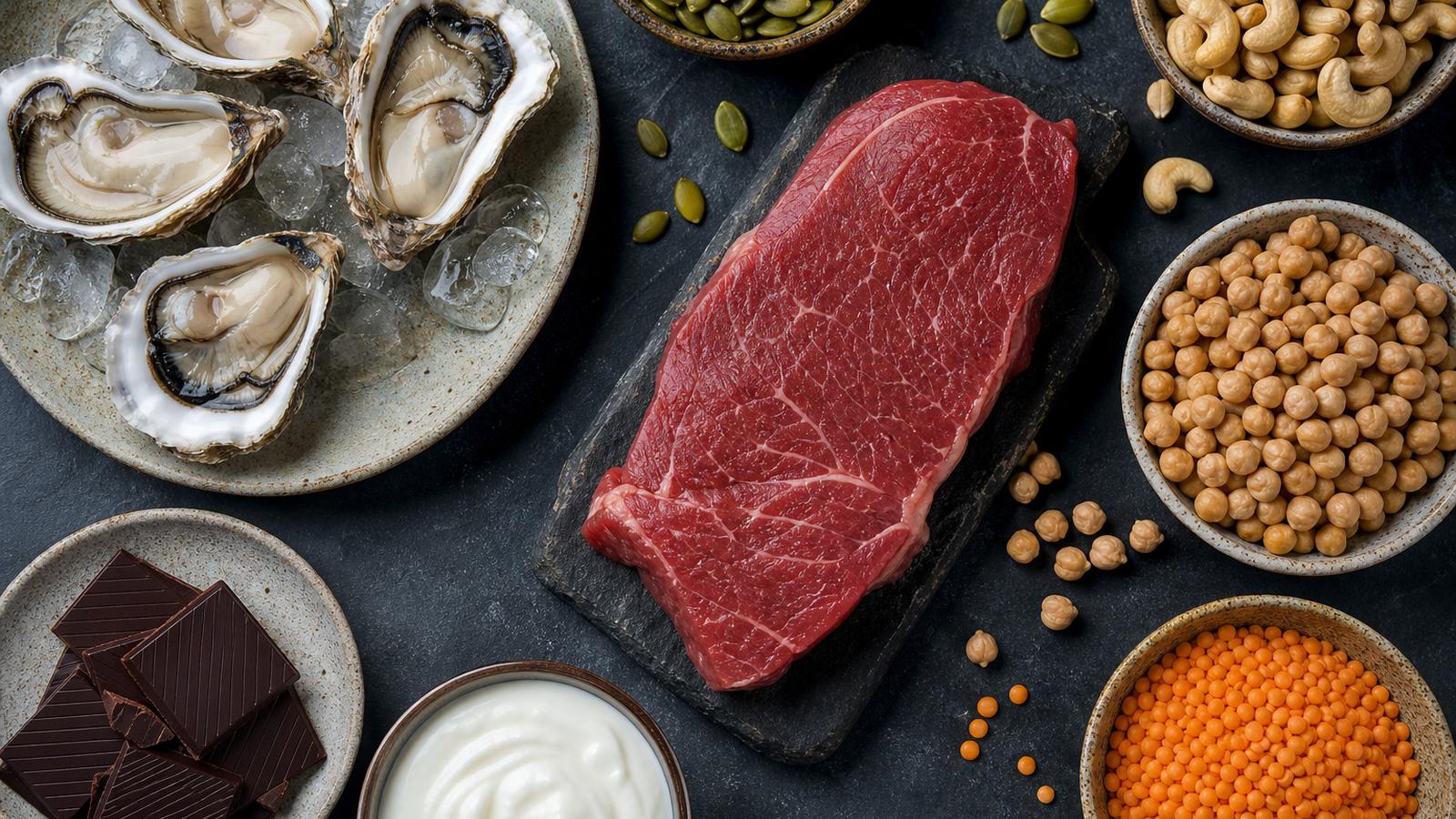
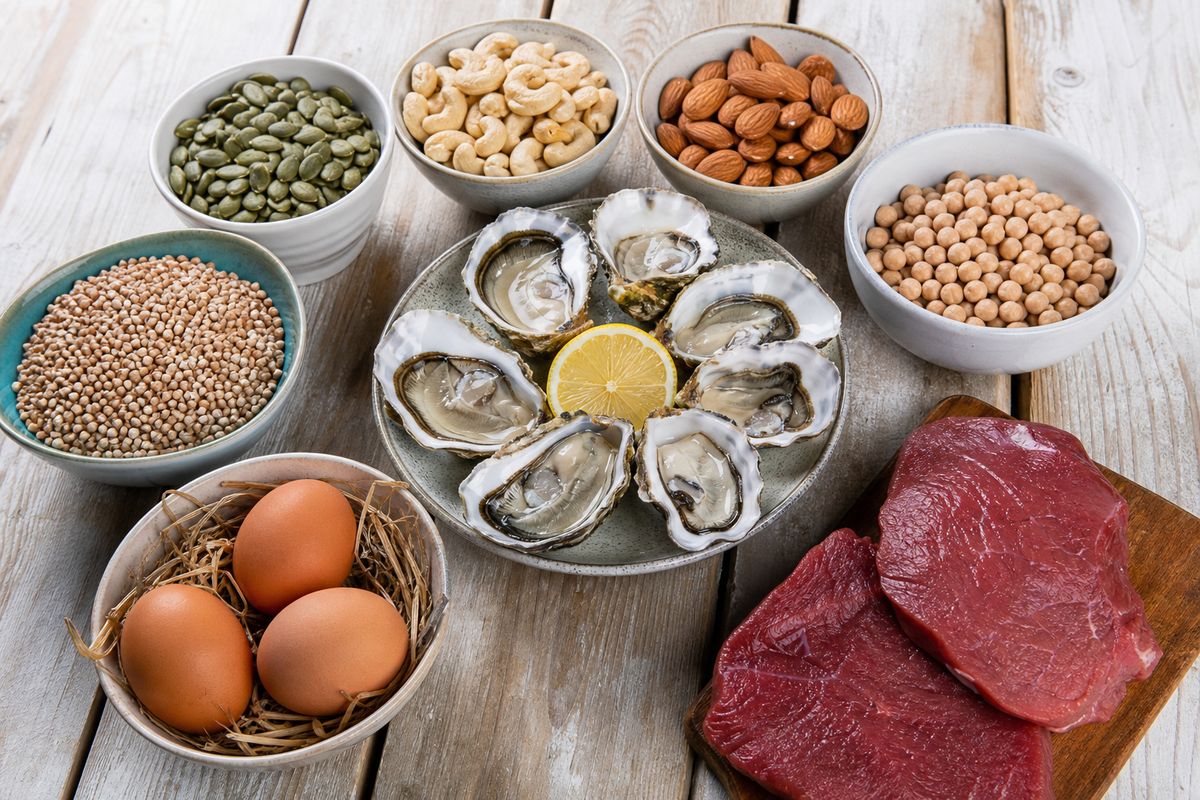
Top zinc food sources:
| Food | Why it helps |
|---|---|
| Oysters | By far the richest natural source of zinc |
| Beef, lamb & pork | Highly bioavailable animal zinc |
| Crab, shrimp & shellfish | Lean, zinc-dense seafood |
| Poultry (chicken, turkey) | Convenient everyday source |
| Pumpkin & hemp seeds | Excellent plant source — add to oats or salads |
| Cashews & almonds | Portable, satisfying snack source |
| Chickpeas, lentils & beans | Fiber plus plant zinc (soak to boost absorption) |
| Yogurt & cheese | Dairy zinc plus protein |
| Eggs | Modest but reliable everyday source |
| Whole grains (oats, quinoa) | Better than refined grains, though phytate-bound |
Practical tips:
- Pair plant zinc with soaking, sprouting, or fermenting to lower phytates
- Include a high-quality protein source at most meals
- Add a tablespoon of pumpkin seeds to breakfast or salads
- Combine zinc habits with overall balanced eating, like the foundations in our folic acid foods guide
2. Zinc supplements (when appropriate)
Supplements help when diet alone is not enough, after confirmed deficiency, or in conditions that increase needs or losses. Forms differ in absorption and side effects:
| Form | Notes |
|---|---|
| Zinc picolinate | Well absorbed; popular for general supplementation |
| Zinc citrate | Well absorbed and reasonably gentle |
| Zinc gluconate | Common in lozenges and cold products |
| Zinc acetate | Often used in cold lozenge studies |
| Zinc oxide | Cheap but less well absorbed |
Per Mayo Clinic, zinc is effective for treating deficiency but should be used at appropriate doses, since too much can cause side effects and interfere with copper. The tolerable upper limit for adults is about 40 mg per day from all sources combined unless a doctor directs otherwise.
Safety first:
- Take zinc with food to reduce nausea
- Separate zinc from high-dose iron, calcium, and certain antibiotics (quinolones, tetracyclines) by a couple of hours
- Long-term high-dose zinc can cause copper deficiency — your clinician may recommend monitoring or a small amount of copper
- Avoid intranasal zinc products, which have been linked to loss of smell
3. Treat the underlying cause
- Manage gut conditions and digestive issues
- Reduce alcohol intake
- Review long-term diuretic use with your prescriber
- For vegetarians and vegans, plan zinc intake deliberately rather than leaving it to chance
Without addressing the driver, deficiency often returns after supplements stop. The WHO highlights how this plays out globally: zinc supplementation is a standard part of treating childhood diarrhea, precisely because diarrhea and zinc loss reinforce each other.
Zinc, Immunity, Skin, and Healing
Zinc is central to the immune system: it supports the development and function of immune cells and helps control inflammation. That is why deficiency is linked to more frequent infections and slower recovery, and why zinc lozenges are studied for the common cold. The evidence is mixed, but some trials suggest lozenges started within 24 hours of symptoms may modestly shorten a cold. Zinc is not a cure, high doses cause side effects, and good sleep and stress habits matter too — see our sleep hygiene tips and stress management guide.
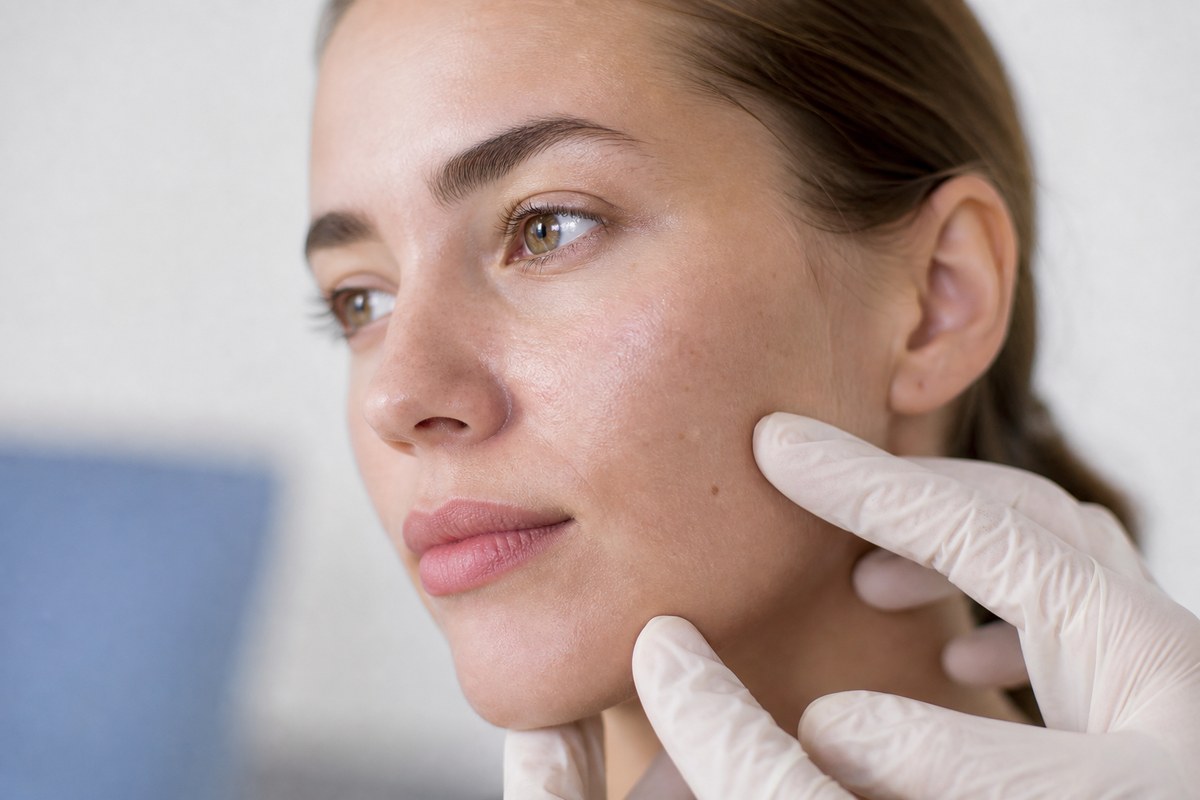
For skin, zinc supports wound healing, collagen formation, and oil-gland regulation, which is why it appears in acne treatments and barrier creams. If skin is your main concern, pair sensible zinc intake with a consistent routine like the one in our beginner skincare guide and ingredient explainers such as our vitamin C serum guide. Zinc works best as one part of a whole approach, not a magic fix.
Zinc vs Other Nutrient Deficiencies
Many deficiencies share the same vague symptoms — especially fatigue, hair loss, and frequent illness. Comparing them helps explain why testing matters.
| Nutrient | Overlapping symptoms | Learn more |
|---|---|---|
| Iron | Fatigue, hair loss, weakness | Iron deficiency anemia |
| Vitamin B12 | Fatigue, tingling, mood changes | B12 deficiency guide |
| Vitamin D | Fatigue, frequent infections, aches | Vitamin D deficiency guide |
| Vitamin C | Slow healing, gum and skin problems | Vitamin C deficiency & scurvy |
| Magnesium | Fatigue, cramps, poor sleep | Magnesium deficiency guide |
| Thyroid (low) | Fatigue, hair loss, cold intolerance | Thyroid symptoms in women |
Because these overlap so much, clinicians often check a panel of nutrients rather than testing zinc alone. If you are also exploring supplements for energy and immunity, our review of the best vitamin D supplements explains how to choose wisely.
How to Prevent Zinc Deficiency
- Build meals around quality protein — seafood, lean meat, poultry, eggs, dairy, or planned plant sources
- Lean on seeds, nuts, and legumes — pumpkin seeds, cashews, chickpeas, and lentils
- Reduce phytate impact by soaking, sprouting, or fermenting grains and beans
- Moderate alcohol, a common silent cause of loss
- Separate high-dose minerals — don't take big iron or calcium doses at the same time as zinc
- Plan deliberately if plant-based, aiming for more total zinc and varied sources
- Retest if symptomatic, and treat the underlying cause rather than chasing symptoms
These steps fit naturally into the broader routines in our Wellness & Lifestyle hub, and into hydration and recovery habits like those in our dehydration guide.
When to See a Doctor — Red Flags
Seek prompt medical care for:
- Severe, spreading, or non-healing skin lesions, ulcers, or rashes
- Persistent diarrhea with weight loss or weakness
- Significant unexplained hair loss or rapid changes in taste and smell
- Signs of infection that keep returning or won't clear
Schedule a routine appointment for:
- Frequent colds, slow healing, hair, or skin changes lasting more than 2–3 weeks
- Symptoms with a vegetarian/vegan diet, gut disease, or heavy alcohol use
- Children or teens with poor growth or appetite
- Before starting high-dose zinc, especially long term or with other supplements and medications
If symptoms are vague but persistent, it is reasonable to ask your clinician to consider zinc alongside iron, B12, vitamin D, and thyroid testing — and to rule out causes like anxiety or early diabetes when the picture is broad.
Key Takeaways
- Zinc powers immune defense, wound healing, taste and smell, skin repair, growth, and hundreds of enzymes.
- Symptoms of deficiency include frequent infections, slow healing, hair loss, taste/smell changes, skin problems, and brittle nails.
- Causes include low intake, plant-based diets high in phytates, gut malabsorption, alcohol, increased needs, and certain medications.
- Diagnosis is tricky: blood zinc shifts with meals and inflammation, so symptoms and context matter.
- Treatment starts with zinc-rich foods; supplements help when needed, but staying under ~40 mg/day protects copper status.
- Overlap with iron, B12, vitamin D, vitamin C, and thyroid problems is common — broad testing beats guessing.
Explore Related Guides
- Iron Deficiency Anemia: Symptoms & Treatment
- Vitamin B12 Deficiency: Symptoms & Treatment
- Vitamin D Deficiency: Symptoms & Prevention
- Vitamin C Deficiency & Scurvy Signs
- Magnesium Deficiency: Symptoms & Foods
- Thyroid Symptoms in Women
- Digestive Issues & Gut Health Guide
- Best Skincare Routine for Beginners
- Best Sleep Hygiene Tips for Better Rest
- Browse all Vitamin Deficiency & Nutrition guides
- Explore the Symptoms & Conditions and Skincare hubs
Medical Disclaimer
Symptoms Insight publishes general health information for educational purposes only. It is not a substitute for professional medical advice, diagnosis, or treatment. Always seek the advice of a qualified healthcare provider with any questions about a medical condition, lab results, or supplement use. Never disregard professional medical advice or delay seeking it because of something you have read here.
About the publisher

Rajat
Health & Wellness Editor | Global
Health & Wellness Editor | Global
Rajat edits Symptoms Insight as a practical health publication focused on symptoms, vitamin deficiencies, skincare, wellness habits, and digital health — always encouraging readers to consult qualified healthcare professionals for personal medical decisions.
FAQ
Frequently asked questions
What are the most common zinc deficiency symptoms?
Frequent infections and colds, slow wound healing, hair thinning or loss, loss of taste or smell, poor appetite, skin problems like acne or rashes, and brittle nails are the most reported signs. Because these overlap with iron, B12, vitamin D, and thyroid problems, testing and a clinical review help confirm the real cause.
Which foods are highest in zinc?
Oysters are by far the richest source, followed by red meat, poultry, crab and shellfish, pumpkin seeds, cashews, chickpeas, lentils, beans, yogurt, eggs, and whole grains. Animal sources are absorbed more easily than plant sources, which is why vegetarians and vegans may need more total zinc.
How is zinc deficiency diagnosed?
A plasma or serum zinc blood test is the most common check, but it is an imperfect marker because levels fluctuate with meals, infection, and inflammation. Doctors interpret results alongside symptoms, diet, gut health, medications, and related labs rather than relying on a single number.
Should I take a zinc supplement?
Supplements can help when diet is inadequate, after confirmed low levels, or in conditions that increase loss, but too much zinc causes nausea, copper deficiency, and immune problems. Most healthy adults should not exceed 40 mg per day from all sources unless a doctor advises otherwise.
Can low zinc cause hair loss and skin problems?
Yes. Zinc supports cell division, collagen, and skin repair, so deficiency is linked to hair shedding, slow-healing wounds, acne, eczema-like rashes, and brittle nails. These symptoms have many causes, so do not assume zinc is the only explanation before testing.
Does zinc really help with colds?
Zinc plays a central role in immune cell function, and some evidence suggests zinc lozenges started within 24 hours of symptoms may slightly shorten a cold. It is not a cure, high doses can cause side effects, and nasal zinc products have been linked to loss of smell, so use cautiously.
What is the best form of zinc to take?
Zinc picolinate, citrate, gluconate, and acetate are all well absorbed and commonly used. Zinc oxide is cheaper but less well absorbed. Taking zinc with food reduces stomach upset, and separating it from high-dose iron, calcium, and certain antibiotics improves absorption.
How much zinc do I need per day?
Adults need roughly 8 to 11 mg per day, with higher needs in pregnancy and breastfeeding. Most people can meet this through food. The tolerable upper limit for adults is about 40 mg per day from supplements and food combined, above which copper deficiency becomes a risk.
Can you take too much zinc?
Yes. Excess zinc can cause nausea, vomiting, stomach cramps, a metallic taste, and over time copper deficiency, anemia, and weakened immunity. Chronic high-dose supplementation is the usual cause, which is why doses above 40 mg per day need medical supervision.
Who is most at risk of zinc deficiency?
Vegetarians and vegans, people with gut conditions like Crohn's or celiac disease, heavy alcohol users, pregnant and breastfeeding people, older adults, infants and children with poor intake, and people with chronic diarrhea or kidney disease are at higher risk.