Medical & editorial notice: Symptoms Insight publishes general health information for educational purposes only. It is not a substitute for professional medical advice, diagnosis, or treatment. Always seek the advice of a qualified healthcare provider with questions about a medical condition.
Review snapshot
What we checked for this guide
Official sources used
Pages checked while updating this article
Introduction
Fatty liver disease is now one of the most common liver conditions in the world — and one of the most quietly overlooked. It develops when excess fat builds up inside your liver cells, and for most people it produces no symptoms at all in the early stages. You can feel completely fine while fat slowly accumulates, inflammation begins, and, in some cases, scarring sets in. That silent progression is exactly what makes it so important to understand.
The most common form is non-alcoholic fatty liver disease (NAFLD) — now increasingly called metabolic dysfunction-associated steatotic liver disease (MASLD) — which is closely tied to weight, blood sugar, and diet rather than alcohol. The encouraging news is that, caught early, fatty liver is often preventable and even reversible. The liver is remarkably good at healing itself when you remove the pressure that is harming it.
This complete guide covers fatty liver disease symptoms (and why they are usually absent), the real causes and risk factors, how it is diagnosed, and — most importantly — the diet and lifestyle changes that can reverse it. Fatty liver rarely travels alone. It overlaps closely with high cholesterol, early diabetes, and high blood pressure. For related reading, explore our Symptoms & Conditions and Wellness & Lifestyle hubs.
Medical note: This article is for general education only. It is not a substitute for professional medical advice, diagnosis, or treatment. Always consult a qualified healthcare provider for personal medical decisions, lab interpretation, or before making major changes to diet, exercise, or medication.
What Is Fatty Liver Disease?
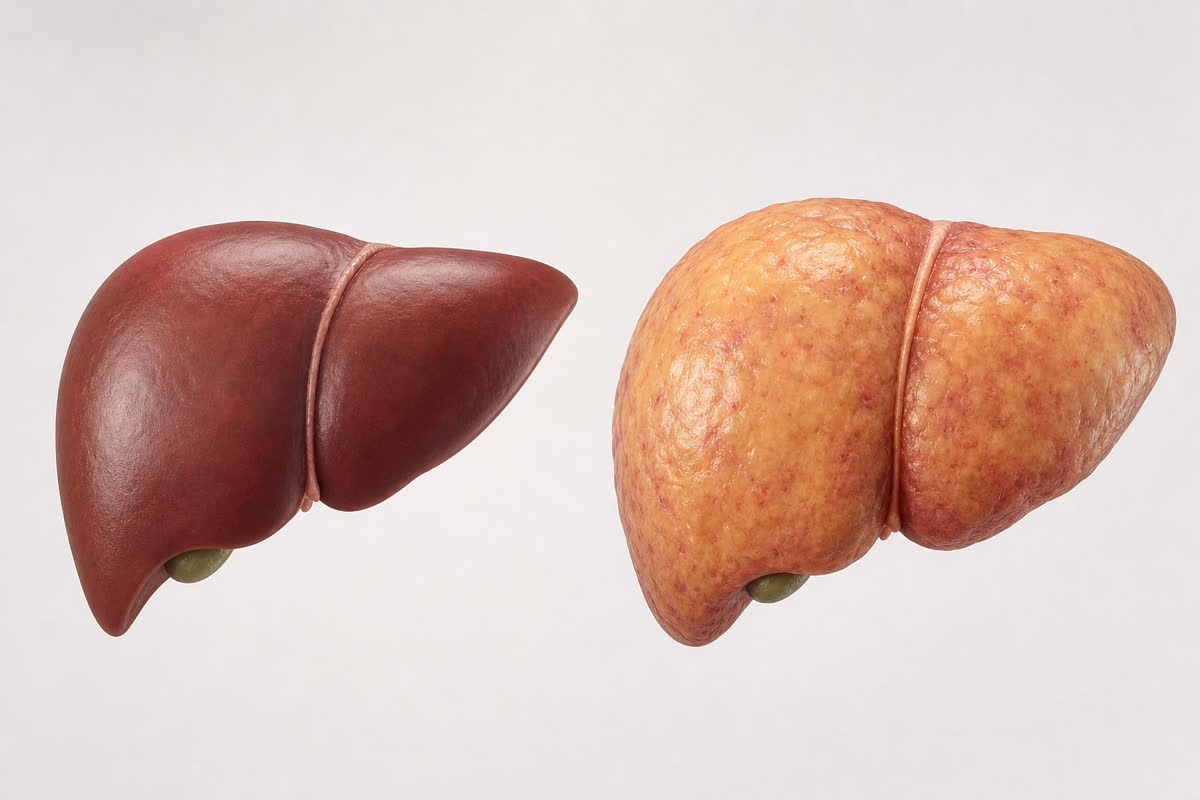
Your liver is a hard-working organ that filters your blood, processes nutrients, stores energy, and clears toxins. A healthy liver contains only a small amount of fat. Fatty liver disease (medically, hepatic steatosis) occurs when fat makes up more than about 5 percent of the liver's weight.
There are two broad types:
| Type | Main cause | Notes |
|---|---|---|
| Non-alcoholic fatty liver disease (NAFLD / MASLD) | Excess weight, insulin resistance, diet | The most common form worldwide |
| Alcohol-related fatty liver disease (ALD) | Heavy or regular alcohol use | Caused directly by alcohol |
According to the NIH, NAFLD affects a large share of adults, driven by rising rates of obesity and type 2 diabetes. Because it is so closely tied to metabolic health, experts increasingly use the term MASLD to reflect its link with metabolic dysfunction.
The stages of fatty liver disease
Fatty liver is not a single fixed condition — it exists on a spectrum that can progress over years:
- Simple fatty liver (steatosis) — fat is present but there is little or no inflammation. Often stable and reversible.
- Steatohepatitis (NASH / MASH) — fat plus inflammation and liver-cell damage. More serious.
- Fibrosis — persistent inflammation causes scar tissue to form.
- Cirrhosis — extensive, permanent scarring that impairs liver function and can lead to liver failure or cancer.
The goal of treatment is to catch the disease early, when it is still in the reversible stages, and stop the slide toward scarring.
Fatty Liver Disease Symptoms: Why There Usually Aren't Any
Here is the single most important thing to understand: early fatty liver disease is usually silent. The liver has a huge reserve capacity, so it can carry excess fat for years without sending clear warning signals. This is similar to high cholesterol and high blood pressure, which also do their damage quietly.
When symptoms do appear, they tend to be vague and non-specific:
- Ongoing fatigue or low energy that is easy to blame on a busy life
- A dull ache, pressure, or fullness in the upper right abdomen, just under the ribs
- General malaise or feeling "not quite right"
- Unexplained weight changes or difficulty losing weight
Because these overlap with so many other conditions — from thyroid problems to poor sleep — fatty liver is rarely identified from symptoms alone.
Warning signs of advanced liver disease
By the time obvious symptoms appear, the disease may have progressed toward cirrhosis. Per the Mayo Clinic, warning signs of advanced liver damage include:
- Yellowing of the skin or eyes (jaundice)
- Swelling of the abdomen (ascites) or legs
- Easy bruising or bleeding
- Confusion, drowsiness, or difficulty concentrating
- Red palms or clusters of tiny spider-like blood vessels on the skin
These are red flags that require prompt medical evaluation. The takeaway is clear — do not wait for symptoms to take your liver seriously, especially if you have metabolic risk factors.

What Causes Fatty Liver Disease?
Non-alcoholic fatty liver disease develops when your body stores more fat in the liver than it can process. This is closely tied to how your body handles energy, sugar, and insulin. Several factors work together.
1. Excess weight and belly fat
Carrying extra weight — especially around the abdomen — is the strongest risk factor. Visceral fat around the organs is metabolically active and pushes fat and inflammatory signals toward the liver. This is why weight and waist size matter more than any single food.
2. Insulin resistance and type 2 diabetes
When cells stop responding well to insulin, blood sugar rises and the body stores more fat in the liver. Fatty liver is so tightly linked to insulin resistance that many experts consider it the liver's version of metabolic syndrome. If you are watching for early diabetes symptoms, fatty liver often travels in the same crowd.
3. A diet high in sugar and refined carbohydrates
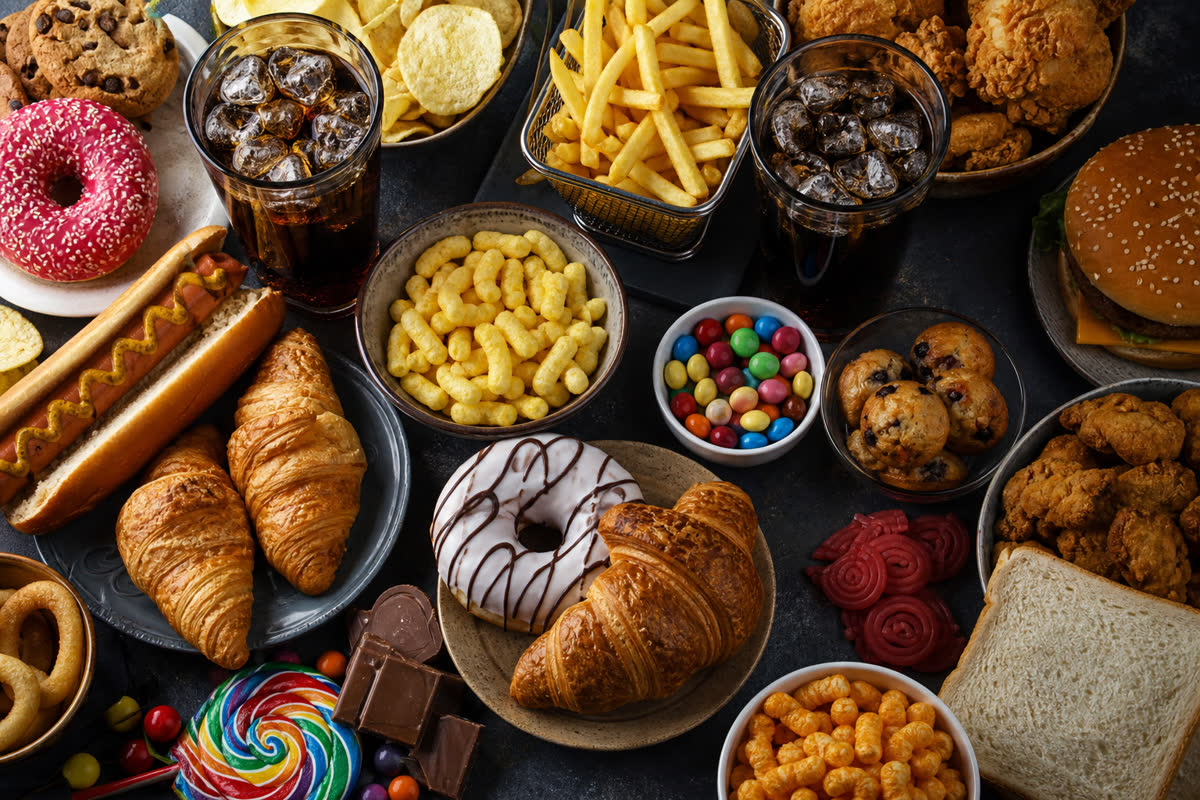
Excess sugar — especially fructose from sodas, sweets, and sweetened juices — is a major driver. The liver converts surplus sugar directly into fat through a process called de novo lipogenesis. Refined carbohydrates and ultra-processed foods have a similar effect. Cutting these is one of the most powerful changes you can make.
4. High triglycerides and cholesterol
Abnormal blood fats often go hand in hand with fatty liver. High triglycerides in particular reflect the same metabolic imbalance that fills the liver with fat, which is why fatty liver and high cholesterol frequently appear together.
5. Other contributors
- Genetics — some people are more prone to storing liver fat, including at a normal weight
- Rapid weight loss or long-term poor nutrition
- Certain medications and some medical conditions
- Polycystic ovary syndrome (PCOS) and other hormonal conditions
- Underactive thyroid — see thyroid symptoms in women
Alcohol deserves its own note — heavy drinking causes a separate but overlapping form of fatty liver, and even moderate alcohol can worsen NAFLD.
Who Is Most at Risk?
| Risk factor | Why it matters |
|---|---|
| Overweight or obesity, especially belly fat | The strongest driver of liver fat |
| Type 2 diabetes or insulin resistance | Tightly linked to NAFLD |
| High triglycerides or high cholesterol | Reflects the same metabolic imbalance |
| High blood pressure | Part of metabolic syndrome |
| Diet high in sugar and processed food | Directly raises liver fat |
| Physical inactivity | Reduces the body's ability to burn fat |
| Family history of liver disease | Genetic susceptibility |
| PCOS or hypothyroidism | Hormonal links to fat storage |
If several of these apply to you, fatty liver testing deserves to be a priority — not an afterthought. The more of these boxes you tick, the higher your risk.
How Is Fatty Liver Disease Diagnosed?
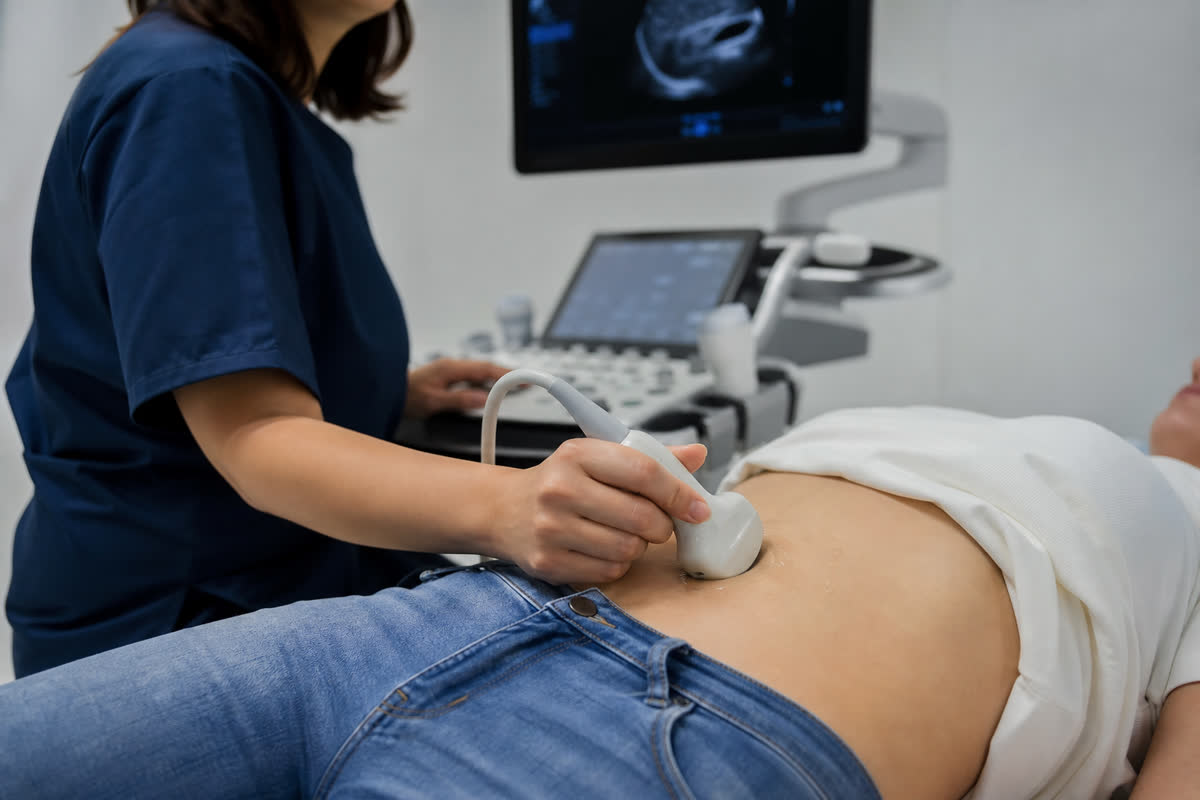
Because it is usually silent, fatty liver is often discovered by accident — through mildly raised liver enzymes on a routine blood test, or fat seen on an ultrasound done for another reason.
Common tests
| Test | What it shows |
|---|---|
| Liver function blood tests (ALT, AST) | Mildly raised enzymes can signal liver inflammation |
| Abdominal ultrasound | Detects fat in the liver |
| FibroScan (transient elastography) | Measures liver stiffness (scarring) and fat |
| Fibrosis scoring (e.g. FIB-4) | Estimates scarring risk from blood markers |
| Liver biopsy | Confirms diagnosis and stage in selected cases |
Your doctor will usually also check blood sugar, cholesterol, and triglycerides, and rule out other causes of liver inflammation such as viral hepatitis. The CDC emphasizes that identifying liver disease early gives the best chance of preventing serious complications.
Important: Normal liver enzymes do not rule out fatty liver — many people with the condition have normal blood tests. Imaging is often needed when risk factors are present.
Fatty Liver Diet: What to Eat to Reverse It
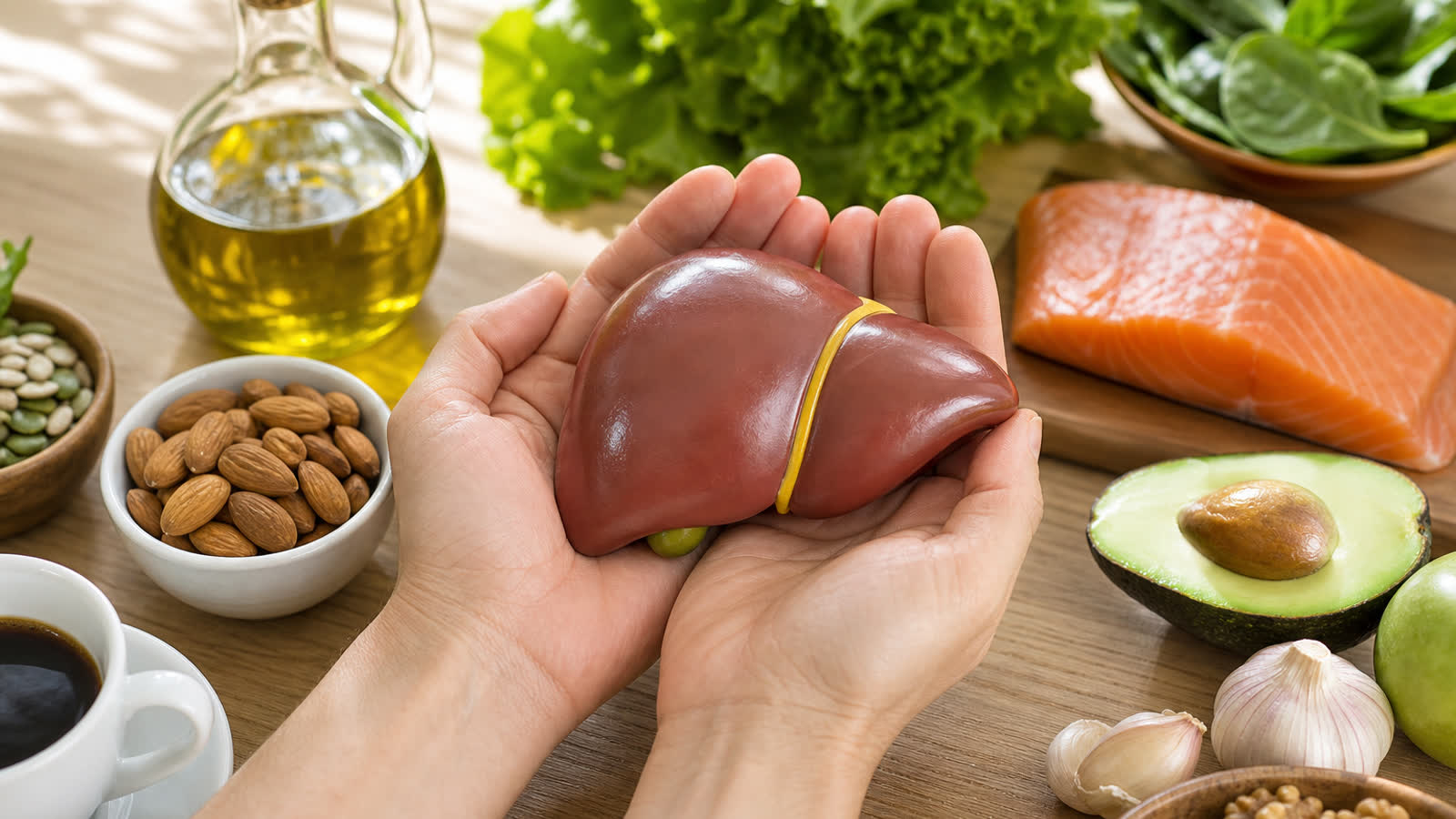
For most people, diet and lifestyle are the primary treatment — there is currently no single pill that cures fatty liver. The good news is that the same eating pattern that helps your liver also protects your heart, blood sugar, and weight.
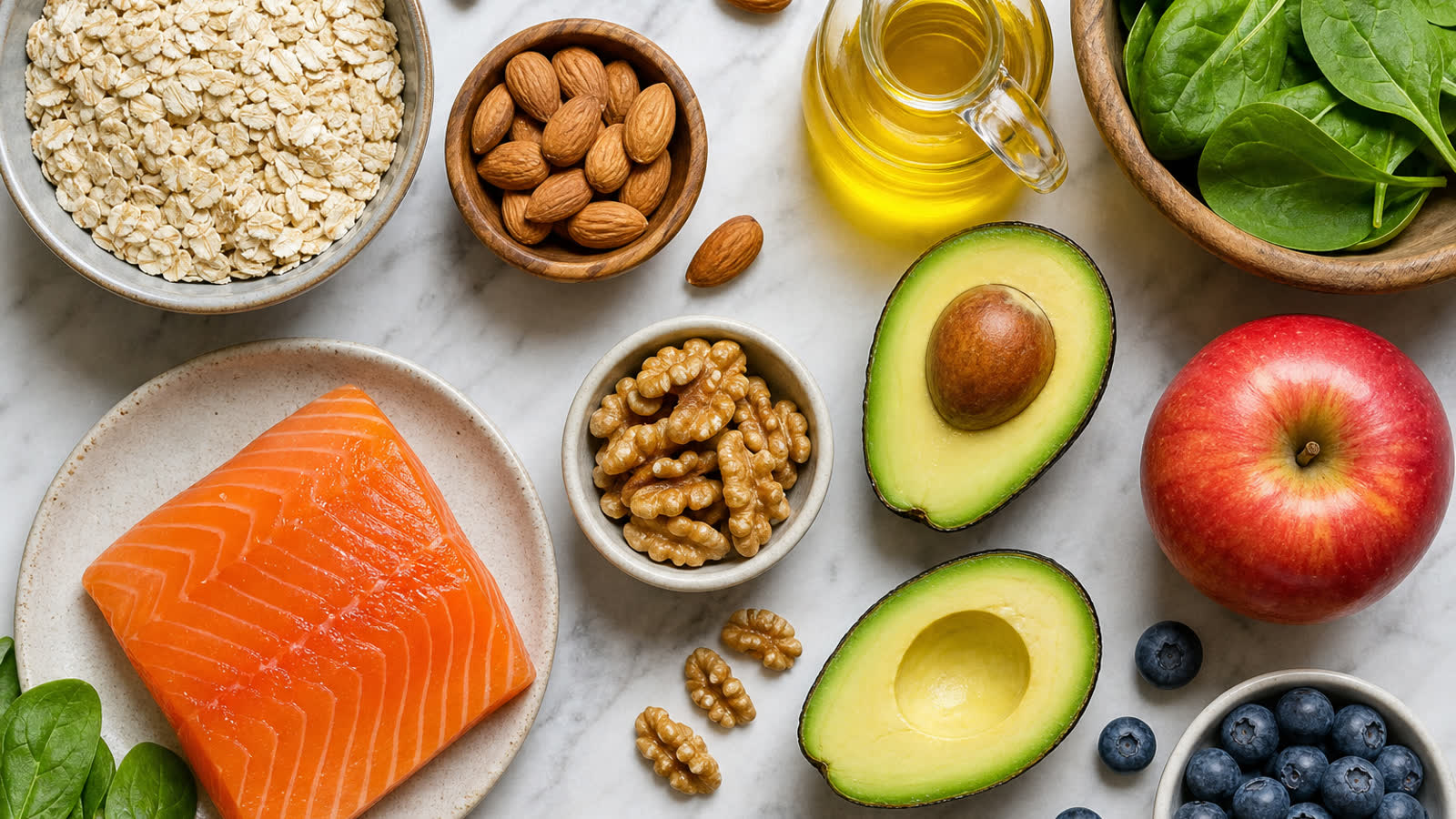
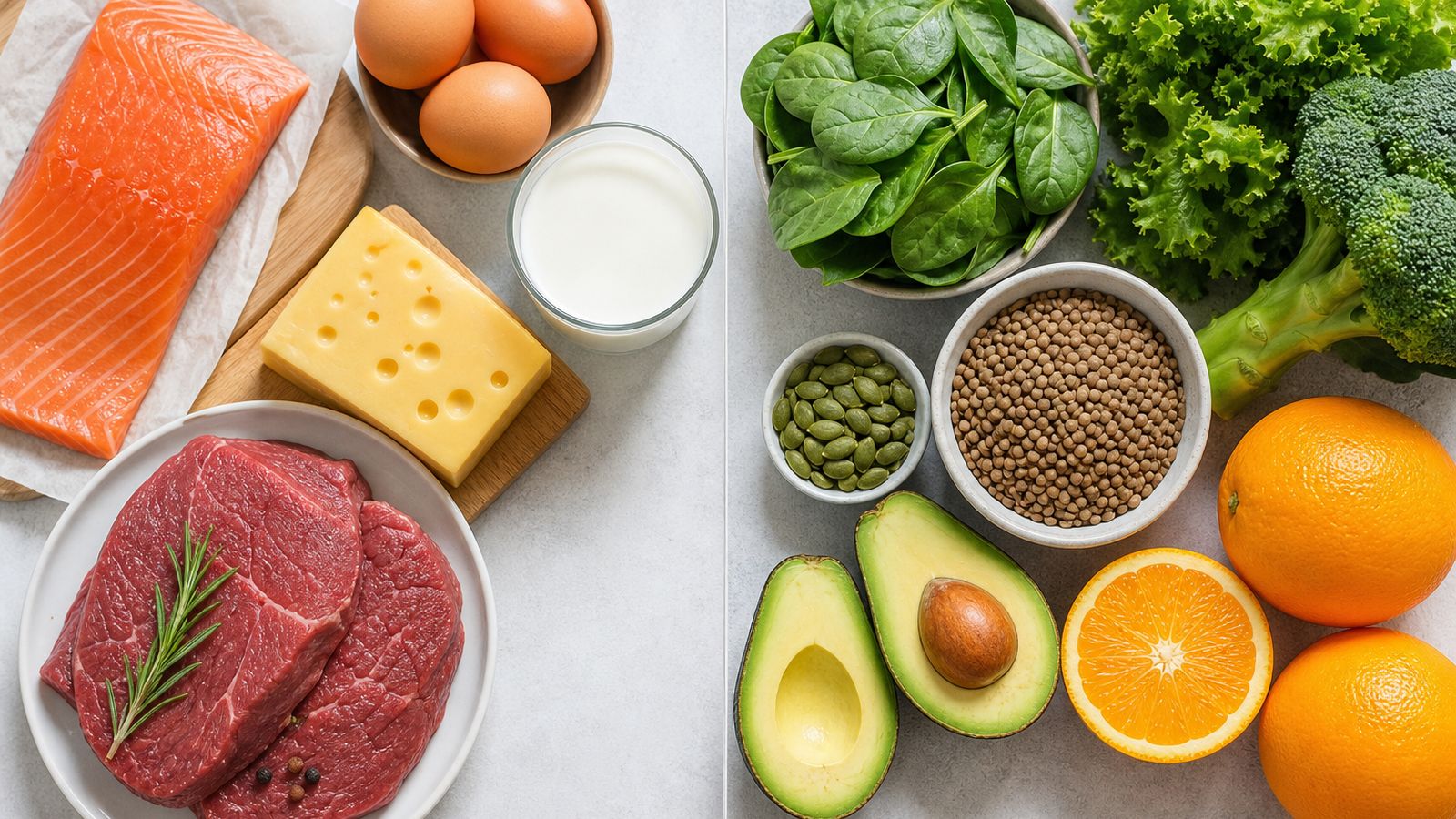
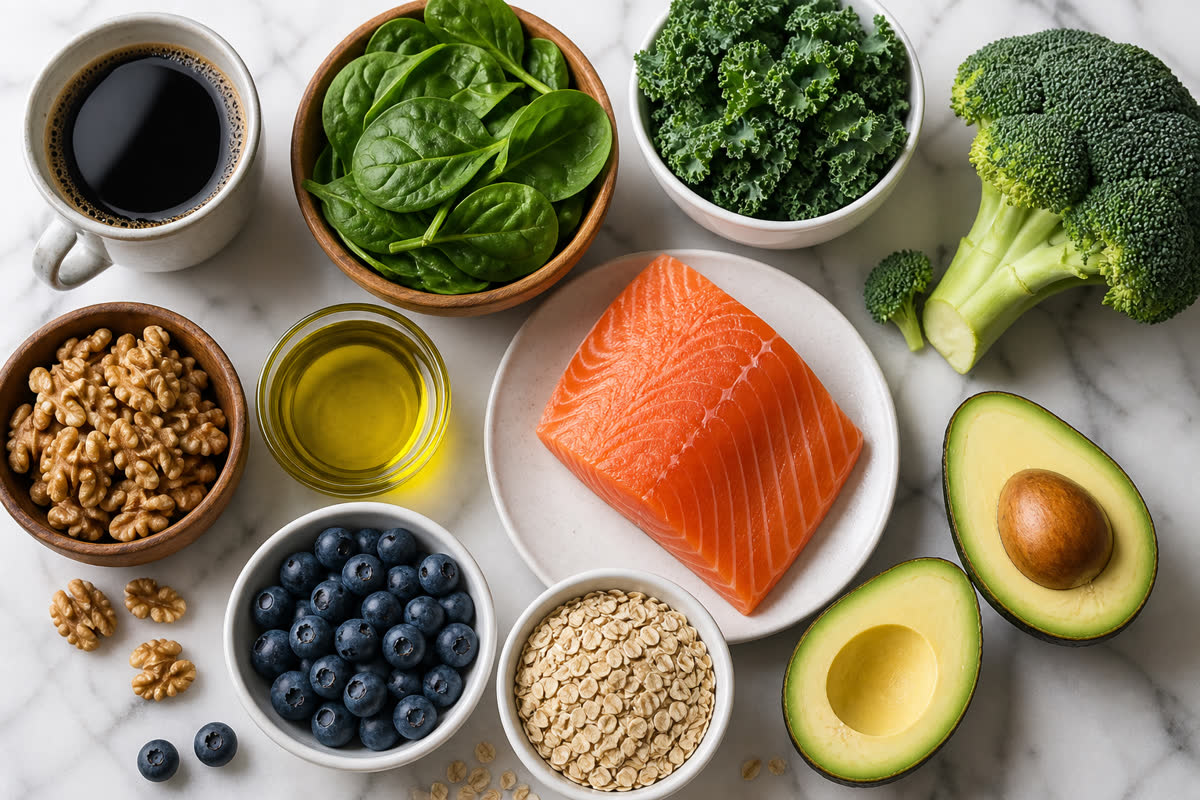
The most evidence-supported approach is a Mediterranean-style diet, rich in whole plant foods and healthy fats.
Foods to emphasize
- Vegetables and fruit — aim to fill half your plate, favoring fiber-rich, non-starchy vegetables
- Whole grains — oats, brown rice, quinoa, and barley instead of white bread and refined grains
- Legumes — beans, lentils, and chickpeas for fiber and plant protein
- Healthy fats — extra-virgin olive oil, avocado, nuts, and seeds
- Oily fish — salmon, sardines, and mackerel, rich in omega-3 fats that help lower liver fat
- Coffee — unsweetened coffee has been linked to a lower risk of liver scarring in several studies
Foods and drinks to limit
| Limit or avoid | Why |
|---|---|
| Sugary drinks and juices | Fructose is turned directly into liver fat |
| Sweets, pastries, and desserts | Spike blood sugar and add liver fat |
| Refined carbs (white bread, white rice) | Behave like sugar in the body |
| Fried and fast foods | High in unhealthy fats and calories |
| Processed and fatty meats | Raise saturated fat and inflammation |
| Alcohol | Directly damages liver cells |
Cutting added sugar and sugary drinks is often the single most impactful change. Fiber-rich eating also supports digestive and gut health and steadier energy. Some people find structured patterns like intermittent fasting helpful for weight and blood sugar, though it is not right for everyone and should fit your health.
How to Reverse Fatty Liver Disease Naturally
Beyond diet, several lifestyle changes work together to reduce liver fat and inflammation.
1. Aim for gradual, steady weight loss
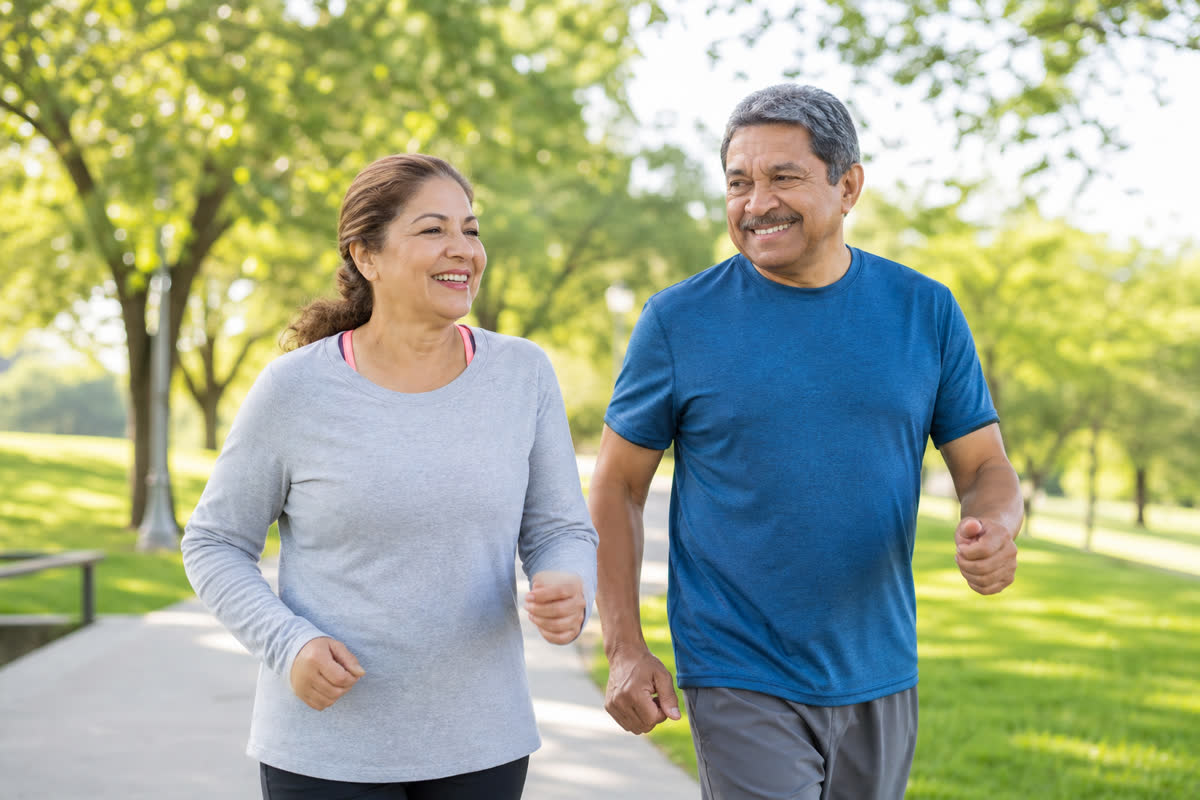
Losing excess weight is the most powerful proven treatment. Research suggests that losing about 7 to 10 percent of body weight can significantly reduce liver fat, inflammation, and even early scarring. The key word is gradual — very rapid crash dieting can sometimes worsen liver stress, so steady, sustainable loss is best.
2. Move your body most days
Aim for at least 150 minutes of moderate activity (like brisk walking, cycling, or swimming) each week, plus some strength training. Exercise reduces liver fat and improves insulin sensitivity even before you lose significant weight, so it is worth doing regardless of the scale. It also supports mood, sleep quality, and overall energy — much like the routines in our daily wellness habits guide.
3. Manage blood sugar, cholesterol, and blood pressure
Because fatty liver is a metabolic condition, treating its companions helps the liver too. Keeping diabetes, high cholesterol, and blood pressure under control reduces the overall metabolic load on your body.
4. Cut alcohol and sugary drinks
Reducing or eliminating alcohol removes a direct source of liver damage, and cutting sugary drinks removes one of the biggest sources of liver fat. Swapping to water, unsweetened coffee, or plain tea is a simple, high-impact change.
5. Manage stress and sleep
Chronic stress and poor sleep influence the hormones and habits that shape weight and blood sugar. Prioritizing rest and using proven stress management techniques supports every other change, and managing cortisol naturally can help you stay consistent with healthier routines. A strong metabolic foundation also supports immune health.
Fatty Liver and the Rest of Your Health
Fatty liver rarely acts alone. It clusters with other conditions that share the same metabolic roots, and managing them together is far more effective than tackling any single one.
| Related condition | How it overlaps with fatty liver | Learn more |
|---|---|---|
| High cholesterol | Shares the same metabolic imbalance | High cholesterol guide |
| Type 2 diabetes | Insulin resistance drives both | Early diabetes symptoms |
| High blood pressure | Part of metabolic syndrome | High blood pressure guide |
| Low thyroid | Slows metabolism and fat handling | Thyroid symptoms in women |
| Poor gut and diet quality | Directly raises liver fat | Digestive & gut health guide |
Importantly, the leading cause of death in people with fatty liver is actually heart disease, not liver failure. That is why doctors treat fatty liver as a signal to address your whole cardiovascular and metabolic picture — a theme that also runs through our guides on potassium and vitamin D.
How to Prevent Fatty Liver Disease
- Keep a healthy weight, focusing on sustainable habits rather than crash diets
- Limit added sugar and sugary drinks — one of the highest-impact changes
- Anchor your diet in vegetables, whole grains, legumes, olive oil, and fish
- Stay active with at least 150 minutes of moderate exercise weekly
- Limit alcohol to protect liver cells directly
- Manage blood sugar, cholesterol, and blood pressure
- Prioritize sleep and stress management so healthy routines stick
- Get tested if you have metabolic risk factors, even without symptoms
These steps fit naturally into the routines in our Wellness & Lifestyle hub and pair well with the advice in our Vitamins & Nutrition guides.
When to See a Doctor — Red Flags
Because fatty liver is often silent, the main reason to see a doctor is risk-based testing, not symptoms. Book an appointment if:
- You are overweight or have belly fat with other risk factors
- You have type 2 diabetes, high cholesterol, or high blood pressure
- A blood test has shown raised liver enzymes
- You have ongoing fatigue or right-sided abdominal discomfort
- Liver disease runs in your family
Seek prompt or emergency care for signs of advanced liver disease:
- Yellowing of the skin or eyes (jaundice)
- Swelling of the abdomen or legs
- Easy bruising or bleeding
- Confusion, drowsiness, or disorientation
- Vomiting blood or black, tarry stools
If your symptoms are vague or you simply want peace of mind, it is always reasonable to ask your clinician to check liver enzymes alongside blood sugar, cholesterol, and — when relevant — thyroid levels.
Key Takeaways
- Fatty liver disease is common and usually silent — it often causes no symptoms until it is advanced, so risk-based testing matters more than waiting for signs.
- It is a metabolic condition — driven mainly by excess weight, insulin resistance, and a diet high in sugar and refined carbohydrates.
- It can often be reversed — especially early, through gradual weight loss, a Mediterranean-style diet, exercise, and cutting sugary drinks and alcohol.
- Diet is the primary treatment — emphasize vegetables, whole grains, olive oil, and fish while limiting sugar, refined carbs, and processed foods.
- It rarely travels alone — fatty liver clusters with high cholesterol, diabetes, and high blood pressure, and heart disease is the leading cause of death in those affected.
- Act early — the liver is highly regenerative, and the sooner you address the causes, the better your long-term outlook.
Explore Related Guides
- High Cholesterol: Symptoms, Causes & How to Lower It
- Early Diabetes Symptoms & Warning Signs
- High Blood Pressure: Symptoms, Causes & Prevention
- Omega-3 Deficiency: Signs & Best Food Sources
- Digestive Issues & Gut Health Guide
- Intermittent Fasting for Beginners
- Thyroid Symptoms in Women
- How to Lower Cortisol Naturally
- Stress Management Techniques That Work
- Best Sleep Hygiene Tips for Better Rest
- Daily Wellness Habits for Better Energy
- How to Boost Your Immune System Naturally
- Browse the Symptoms & Conditions and Wellness & Lifestyle hubs
Medical Disclaimer
Symptoms Insight publishes general health information for educational purposes only. It is not a substitute for professional medical advice, diagnosis, or treatment. Always seek the advice of a qualified healthcare provider with any questions about a medical condition, lab results, or before making significant changes to your diet, exercise, or medication. Never disregard professional medical advice or delay seeking it because of something you have read here.
About the publisher

Rajat
Health & Wellness Editor | Global
Health & Wellness Editor | Global
Rajat edits Symptoms Insight as a practical health publication focused on symptoms, vitamin deficiencies, skincare, wellness habits, and digital health — always encouraging readers to consult qualified healthcare professionals for personal medical decisions.
FAQ
Frequently asked questions
What are the early symptoms of fatty liver disease?
Early fatty liver disease usually causes no symptoms at all, which is why it is so often missed. When symptoms do appear, they tend to be vague and easy to dismiss, such as ongoing tiredness, a dull ache or fullness in the upper right side of the abdomen, and general low energy. Because the liver has a large reserve capacity, many people feel completely normal for years while fat quietly accumulates. In many cases the condition is only discovered by chance during a blood test or an ultrasound done for another reason.
What causes fatty liver disease?
Non-alcoholic fatty liver disease is driven mainly by the way the body handles energy and fat. The biggest contributors are excess body weight (especially around the waist), insulin resistance, type 2 diabetes, high triglycerides, and a diet heavy in sugar, refined carbohydrates, and ultra-processed foods. Genetics also play a role, so some people develop it even without obesity. A separate form called alcohol-related fatty liver disease is caused by heavy or regular alcohol use, and the two can overlap.
Can fatty liver disease be reversed?
Yes, in many cases early fatty liver disease can be improved or even reversed, especially before significant scarring develops. The liver is a remarkably regenerative organ. Losing excess weight gradually, cutting sugary drinks and refined carbohydrates, becoming more active, and managing blood sugar and cholesterol can reduce liver fat and inflammation. Research suggests that losing around 7 to 10 percent of body weight can meaningfully reduce fat, inflammation, and early scarring. The earlier you act, the better the outlook.
What is the best diet for a fatty liver?
The Mediterranean-style pattern is the most evidence-supported diet for fatty liver. It emphasizes vegetables, fruit, whole grains, legumes, nuts, olive oil, and fish, while limiting sugary drinks, refined carbohydrates, fried foods, and processed meats. Cutting back sharply on added sugar (especially fructose from soda and sweets) is one of the most important changes, because the liver converts excess sugar directly into fat. Plenty of fiber, healthy fats, and lean protein help reduce liver fat and improve insulin sensitivity.
Is fatty liver disease serious or dangerous?
Simple fatty liver (fat without much inflammation) is often mild and stable, but it can progress. In some people it advances to non-alcoholic steatohepatitis (NASH), where inflammation damages liver cells and causes scarring (fibrosis). Over years this can lead to cirrhosis, liver failure, or liver cancer. Fatty liver is also strongly linked to heart disease, which is actually the leading cause of death in people with the condition. That is why it should be taken seriously and monitored, even when you feel fine.
How is fatty liver disease diagnosed?
Fatty liver is often first suspected from mildly elevated liver enzymes on a routine blood test or by seeing fat on an abdominal ultrasound. To confirm the diagnosis and assess severity, doctors may use additional imaging such as a special ultrasound called a FibroScan (transient elastography), which measures liver stiffness and fat. Blood-based scoring tools help estimate scarring risk, and in selected cases a liver biopsy is used. Testing usually also checks blood sugar, cholesterol, and other causes of liver inflammation.
Can you have fatty liver disease if you are not overweight?
Yes. While excess weight is the most common driver, a condition sometimes called lean NAFLD affects people with a normal body weight. It is often linked to insulin resistance, a diet high in sugar and refined carbohydrates, high triglycerides, or genetic factors that affect how the liver stores fat. This is one reason fatty liver can be missed in slim people who appear healthy. If you have diabetes, high cholesterol, or a family history of liver disease, testing can still be worthwhile.
Does fatty liver disease cause pain?
Fatty liver is usually painless, but some people notice a dull ache, pressure, or fullness in the upper right part of the abdomen, just under the ribs, where the liver sits. This can happen when the liver becomes enlarged. Sharp or severe abdominal pain is not typical of simple fatty liver and should be checked promptly, as it may point to another problem. Because symptoms are often absent, pain is not a reliable way to judge how much liver fat is present.
What drinks are good and bad for a fatty liver?
Water is the best everyday choice, and unsweetened coffee has actually been linked to a lower risk of liver scarring in several studies. Green tea and plain herbal teas are also reasonable. The drinks to limit or avoid are sugary sodas, sweetened juices, energy drinks, and alcohol, since all of these add liver fat or cause direct liver damage. Reducing sugary and alcoholic drinks is one of the fastest, simplest ways to help a fatty liver recover.
When should I see a doctor about fatty liver disease?
See a doctor if you have risk factors such as obesity, type 2 diabetes, high cholesterol, or high blood pressure, or if a blood test has shown raised liver enzymes. Also seek advice for ongoing fatigue or right-sided abdominal discomfort. Get urgent care for warning signs of advanced liver disease, including yellowing of the skin or eyes (jaundice), swelling of the abdomen or legs, easy bruising, confusion, or vomiting blood. Early evaluation gives the best chance of stopping or reversing the disease.