Medical & editorial notice: Symptoms Insight publishes general health information for educational purposes only. It is not a substitute for professional medical advice, diagnosis, or treatment. Always seek the advice of a qualified healthcare provider with questions about a medical condition.
Review snapshot
What we checked for this guide
Official sources used
Pages checked while updating this article
Introduction
High cholesterol is one of the most important — and most overlooked — risk factors for heart attack and stroke, largely because it is almost completely silent. You cannot feel high cholesterol. There is no ache, no fatigue, no obvious warning sign in most people. Instead, cholesterol quietly builds up inside your artery walls for years or even decades, until one day it triggers a serious cardiovascular event. That is precisely what makes it so dangerous and so worth understanding.
The good news is that high cholesterol is also one of the most manageable health risks there is. With the right combination of diet, movement, and — when needed — medication, most people can bring their numbers into a healthy range and dramatically lower their long-term risk. But you can only act on a number you actually know, which is why a simple blood test is the foundation of everything that follows.
This complete guide covers high cholesterol symptoms (and why they are usually absent), the difference between HDL and LDL, what your cholesterol numbers mean, the real causes, and evidence-based ways to lower cholesterol naturally and with treatment. High cholesterol rarely travels alone — it overlaps closely with high blood pressure, early diabetes, and overall diet quality. For related reading, explore our Symptoms & Conditions and Wellness & Lifestyle hubs.
Medical note: This article is for general education only. It is not a substitute for professional medical advice, diagnosis, or treatment. Always consult a qualified healthcare provider for personal medical decisions, lab interpretation, or before starting or stopping any medication — including cholesterol-lowering drugs.
What Is Cholesterol and Why Does It Matter?
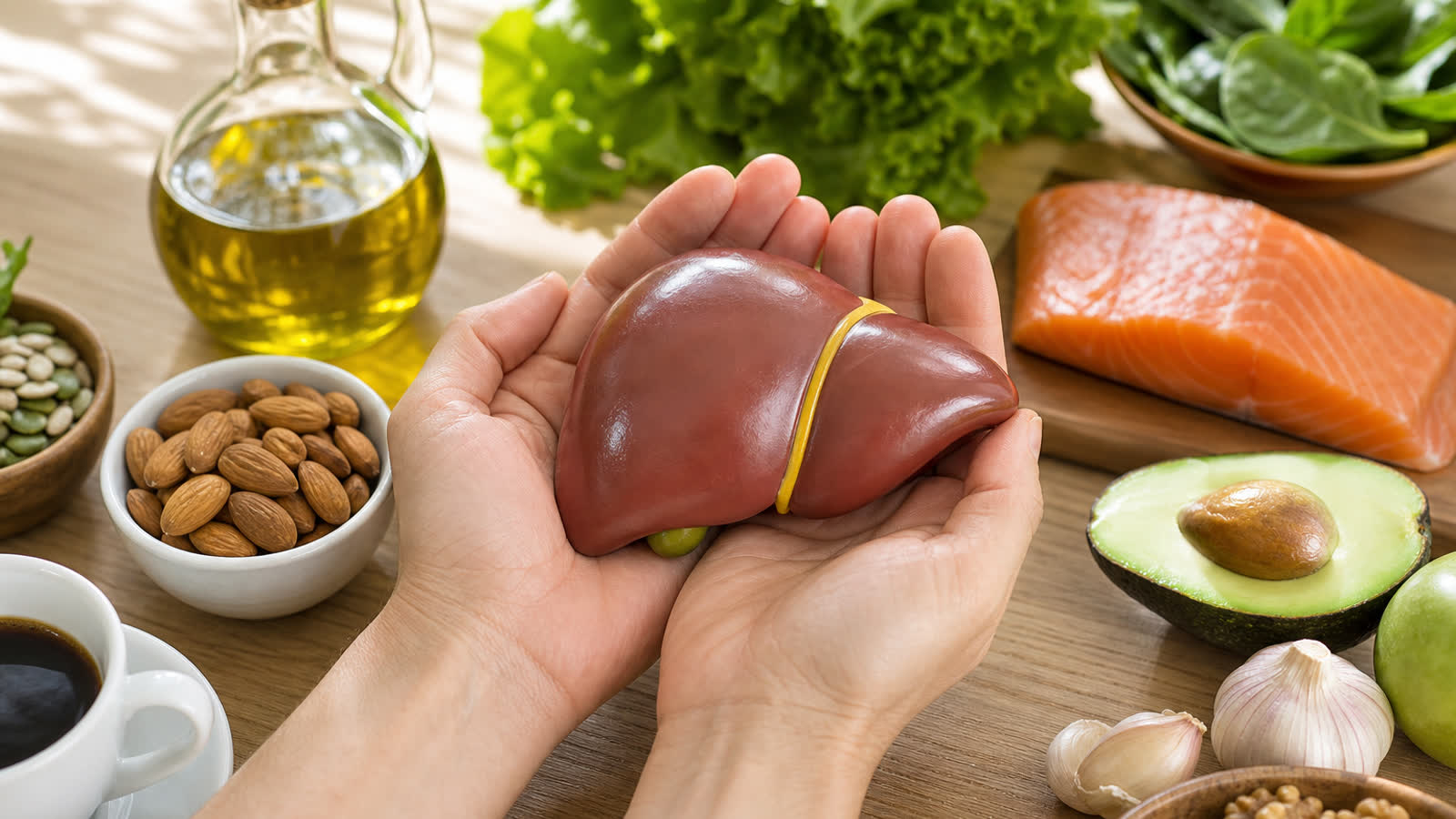
Cholesterol is a waxy, fat-like substance found in every cell of your body. Despite its bad reputation, you actually need it: cholesterol helps build cell membranes, produce hormones like estrogen and testosterone, make vitamin D, and create bile acids that digest fat. Your liver makes all the cholesterol your body needs, and you also absorb some from food.
The problem is not cholesterol itself but too much of the wrong kind circulating in your blood. Because cholesterol does not dissolve in blood, it travels packaged inside particles called lipoproteins. According to the NIH National Heart, Lung, and Blood Institute, the balance between these particles determines whether cholesterol protects you or harms you.
The main types of cholesterol
| Type | What it does | Goal |
|---|---|---|
| LDL (low-density lipoprotein) | Carries cholesterol into artery walls, forming plaque | Lower is better |
| HDL (high-density lipoprotein) | Carries cholesterol away from arteries to the liver | Higher is better |
| Triglycerides | A separate blood fat that stores excess energy | Keep low |
| Total cholesterol | A combined snapshot of LDL, HDL, and other fats | Below 200 mg/dL |
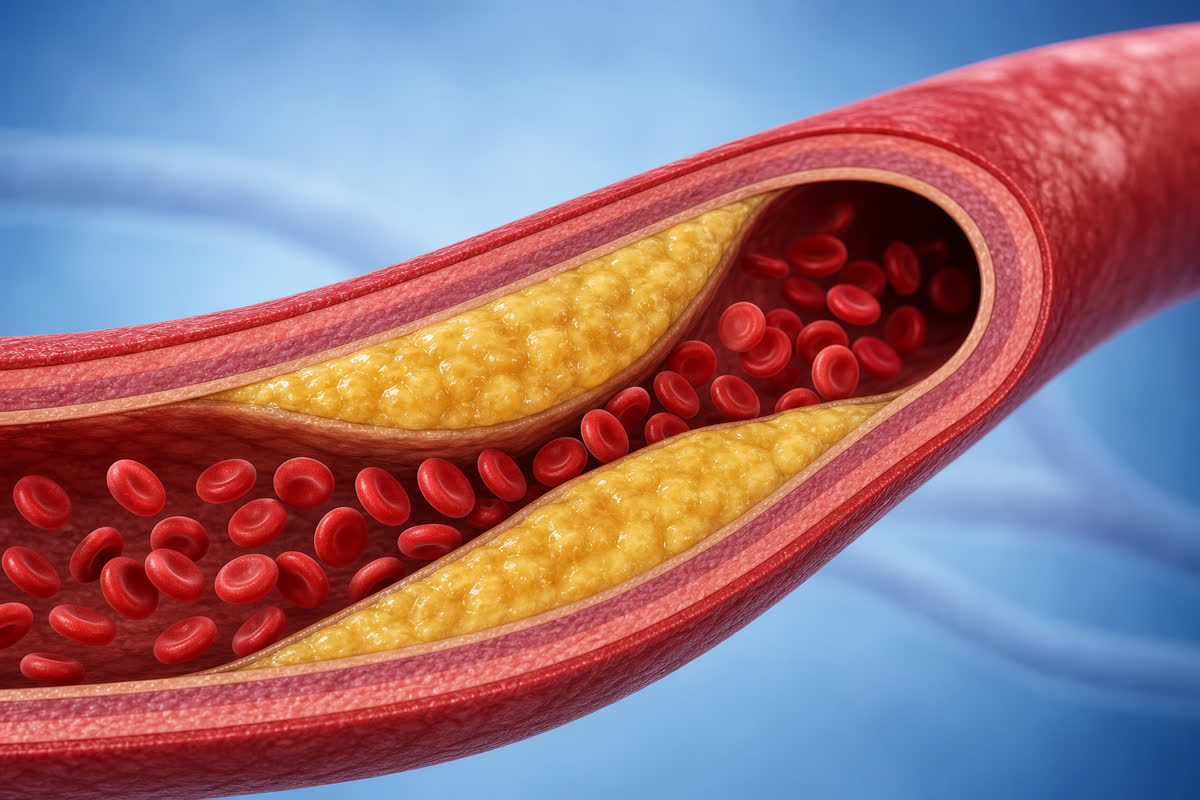
Think of LDL as delivery trucks dropping cholesterol into your artery walls, and HDL as cleanup crews hauling it away. When you have too many delivery trucks and too few cleanup crews, plaque accumulates — a process called atherosclerosis that slowly narrows and hardens your arteries.
High Cholesterol Symptoms: Why There Usually Aren't Any
Here is the single most important thing to understand: high cholesterol has no symptoms in the vast majority of people. You will not feel tired, dizzy, or unwell from cholesterol alone. This is completely different from conditions like dehydration or thyroid problems, where the body sends clear signals.

When symptoms finally appear
By the time high cholesterol produces noticeable effects, it is usually because plaque has already caused significant artery damage. Warning signs of that damage include:
- Chest pain or pressure (angina) when arteries to the heart narrow
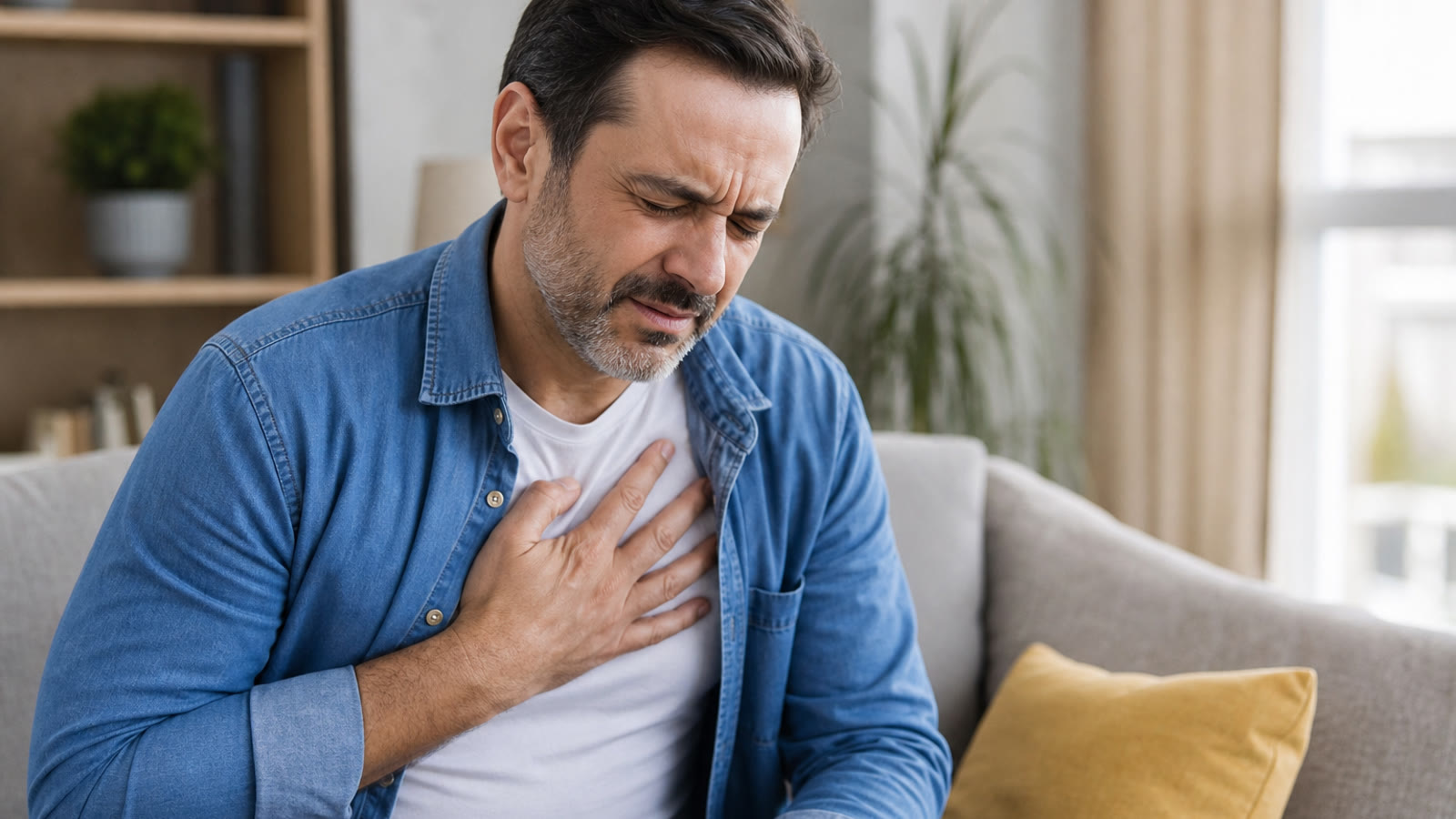
- Heart attack — chest pain, arm or jaw pain, shortness of breath, cold sweat
- Stroke or mini-stroke (TIA) — sudden weakness, facial drooping, slurred speech, confusion
- Leg pain when walking (claudication) from narrowed leg arteries
- Fatty deposits called xanthomas around the eyes, elbows, knees, or tendons in severe inherited cases
- A grayish ring around the cornea (arcus) in some younger people with very high cholesterol
The takeaway is stark: for most people, the first symptom of high cholesterol is a life-threatening event. That is exactly why screening matters so much — it lets you act during the silent years, long before damage is done.
Understanding Your Cholesterol Numbers
A lipid panel blood test measures your cholesterol and is the cornerstone of diagnosis. For the most accurate triglyceride reading, you may be asked to fast for 9–12 hours beforehand, though non-fasting tests are increasingly common.
General target ranges for adults
| Measurement | Desirable | Borderline | High risk |
|---|---|---|---|
| Total cholesterol | Below 200 mg/dL | 200–239 mg/dL | 240 mg/dL and above |
| LDL ("bad") | Below 100 mg/dL | 130–159 mg/dL | 160 mg/dL and above |
| HDL ("good") | 60 mg/dL or higher | 40–59 mg/dL | Below 40 mg/dL |
| Triglycerides | Below 150 mg/dL | 150–199 mg/dL | 200 mg/dL and above |
Important: These are general reference ranges. Your personal LDL target depends on your overall heart risk. Someone with diabetes, existing heart disease, or several risk factors may need an LDL well below 70 mg/dL, while a low-risk person has more leeway. Numbers are always interpreted in context by your doctor.
Why doctors look at the whole picture
Cholesterol is only one piece of your cardiovascular risk. Clinicians combine your lipid panel with your blood pressure, age, sex, smoking status, family history, and whether you have diabetes to estimate your overall risk of a heart attack or stroke over the next decade. This is why two people with identical cholesterol numbers can receive very different advice.
What Causes High Cholesterol?
High cholesterol develops from a combination of lifestyle, genetics, and underlying health conditions. Understanding your personal drivers helps target the fix.
1. Diet high in saturated and trans fats
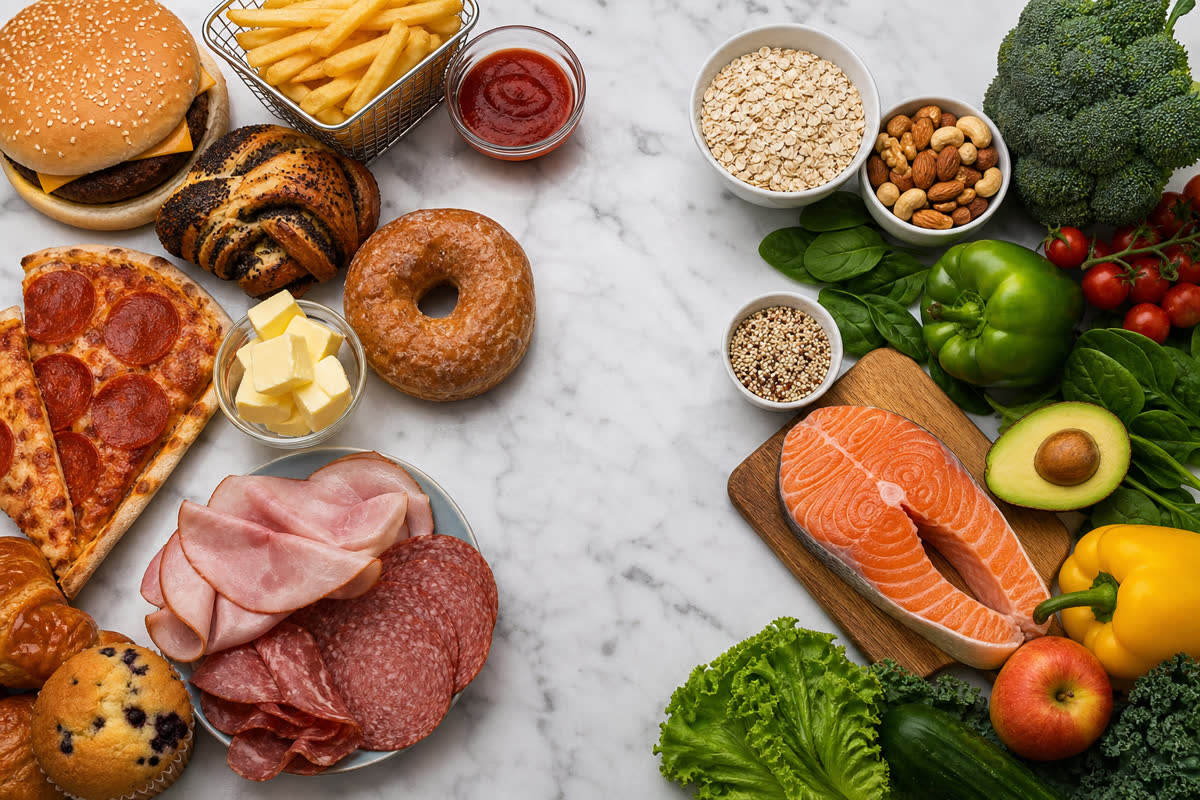
Diets rich in saturated fat (fatty meats, butter, full-fat dairy, many fried foods) and trans fat (partially hydrogenated oils in some packaged baked goods) raise LDL cholesterol. Per the Mayo Clinic, trans fats are particularly harmful because they raise LDL while lowering protective HDL.
2. Excess weight and inactivity
Carrying extra weight, especially around the waist, tends to raise LDL and triglycerides while lowering HDL. A sedentary lifestyle compounds this. Regular movement is one of the few things that reliably raises protective HDL — one reason it features heavily in our daily wellness habits guide.
3. Genetics (familial hypercholesterolemia)
Genes strongly influence how your body handles cholesterol. Familial hypercholesterolemia (FH) is a common inherited condition that causes very high LDL from birth, dramatically raising the risk of early heart disease — even in slim, active people who eat well. This is why cholesterol can be high in people who "do everything right," and why family history is such an important clue.
4. Smoking and alcohol
Smoking lowers HDL and damages blood vessel walls, making it easier for cholesterol to build up. Heavy alcohol use raises both cholesterol and triglycerides. Cutting back supports not just your lipids but your whole cardiovascular system, much like the strategies in our high blood pressure guide.
5. Underlying medical conditions
Several conditions can raise cholesterol as a secondary effect:
- Type 2 diabetes and insulin resistance
- Hypothyroidism (an underactive thyroid) — see thyroid symptoms in women
- Kidney disease and liver disease
- Chronic stress, which can influence habits and metabolism — explored in our cortisol guide
- Certain medications, including some steroids and diuretics
Who Is Most at Risk?
| Risk factor | Why it matters |
|---|---|
| Family history of early heart disease | Suggests inherited high cholesterol |
| Overweight or obesity | Raises LDL and triglycerides, lowers HDL |
| Physical inactivity | Reduces protective HDL |
| Smoking | Lowers HDL and damages arteries |
| Type 2 diabetes | Strongly linked to abnormal cholesterol |
| High blood pressure | Compounds artery damage |
| Diet high in saturated/trans fat | Directly raises LDL |
| Older age | Cholesterol tends to rise with age |
| Post-menopause | Falling estrogen can raise LDL |
If several of these apply to you — particularly a family history of early heart attacks or strokes — cholesterol testing deserves to be a priority rather than an afterthought.
How Is High Cholesterol Diagnosed?
Diagnosis is refreshingly straightforward: a lipid panel blood test. According to the CDC, most healthy adults should be screened every 4 to 6 years, with more frequent testing for those who have risk factors or are already on treatment.
What the test measures
| Component | What it tells you |
|---|---|
| Total cholesterol | Overall snapshot of blood cholesterol |
| LDL cholesterol | The main driver of plaque and heart risk |
| HDL cholesterol | Protective cholesterol that clears arteries |
| Triglycerides | Blood fat linked to diet, weight, and diabetes |
| Non-HDL / ratios | Extra risk markers some doctors calculate |
Because cholesterol is silent, do not wait for symptoms. If you have never had it checked as an adult, or if heart disease runs in your family, ask your doctor for a lipid panel at your next visit. Testing pairs naturally with checking blood pressure and blood sugar, since these risks cluster together.
How to Lower Cholesterol Naturally
For many people, lifestyle changes are the first and most powerful treatment — and they benefit far more than just your cholesterol. These steps can lower LDL, raise HDL, and reduce triglycerides at the same time.
1. Eat more soluble fiber
Soluble fiber binds cholesterol in the digestive tract and carries it out of the body. Excellent sources include:
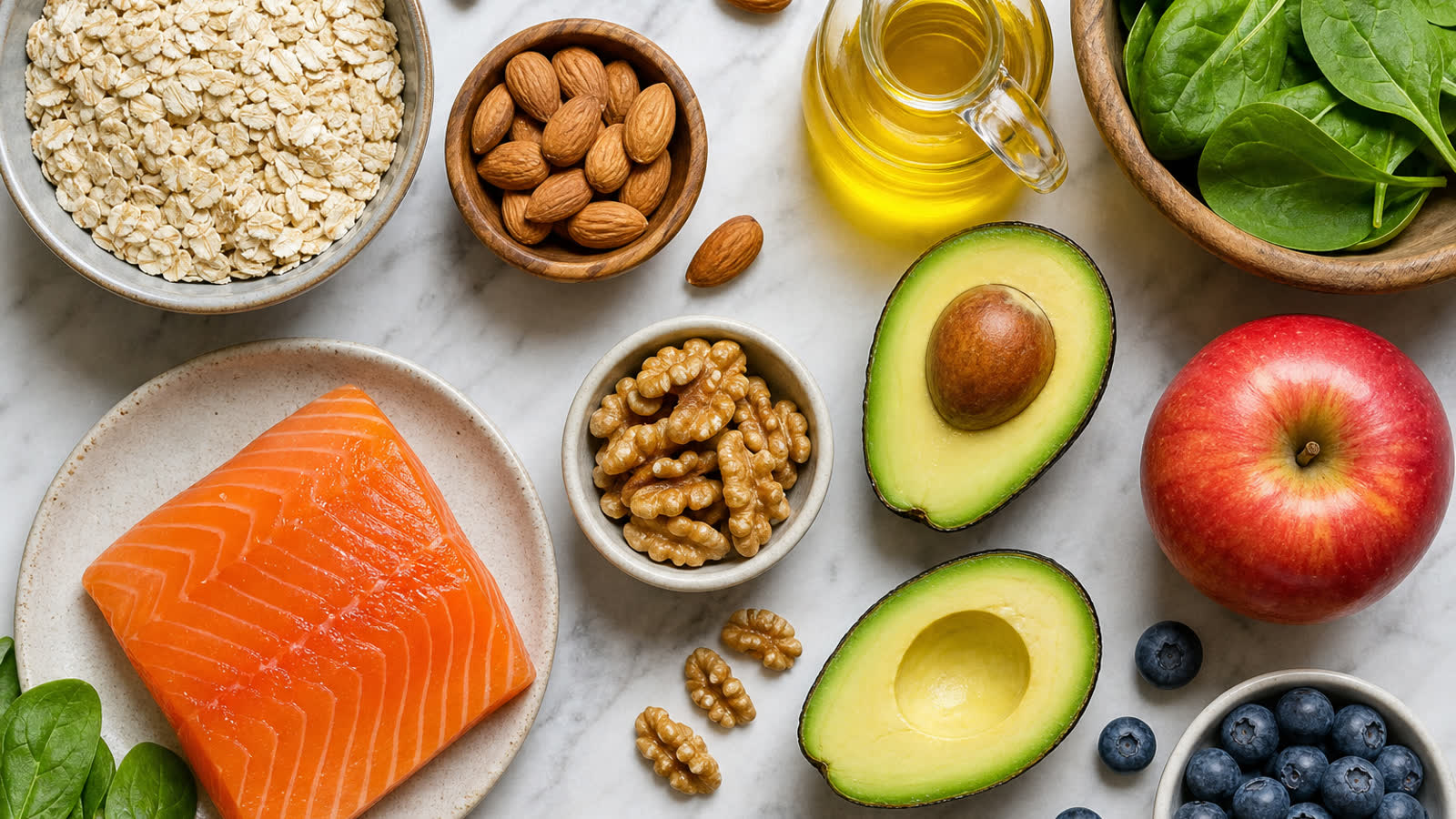
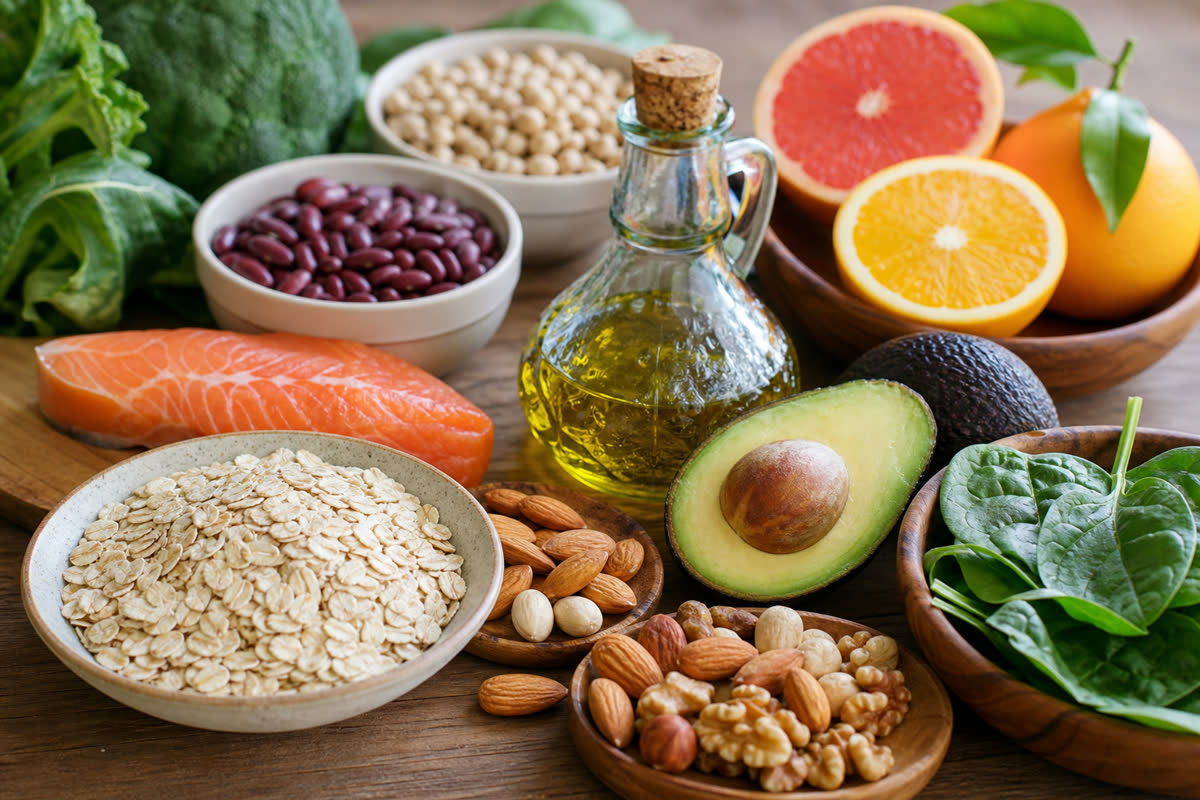
- Oats and oat bran — a classic LDL-lowering breakfast
- Beans, lentils, and chickpeas
- Apples, pears, citrus, and berries
- Barley, flaxseed, and psyllium
Aim to build meals around these foods regularly. Fiber-rich eating also supports digestive health and steadier blood sugar.
2. Choose healthy fats over saturated fats
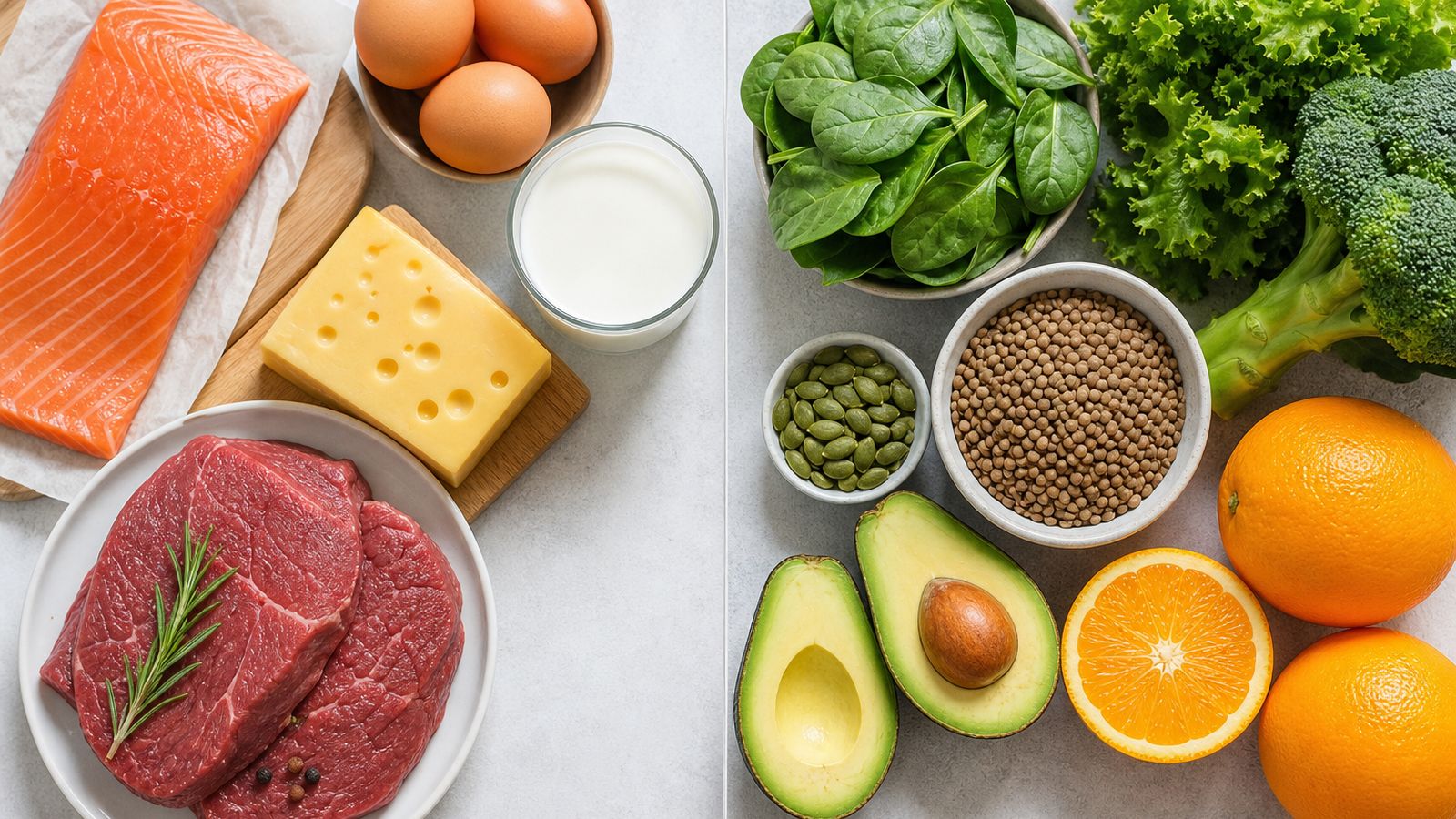
Swap saturated fats for unsaturated fats, which improve your cholesterol profile:
| Instead of | Choose |
|---|---|
| Butter and lard | Olive oil, avocado oil |
| Fatty and processed meats | Fish, poultry, beans, tofu |
| Full-fat dairy | Lower-fat dairy or fortified alternatives |
| Fried snacks and pastries | Nuts, seeds, whole fruit |
Fatty fish like salmon, mackerel, and sardines are especially valuable because their omega-3 fats lower triglycerides — a topic covered in depth in our omega-3 guide.
3. Move your body most days

Aim for at least 150 minutes of moderate activity (like brisk walking, cycling, or swimming) each week. Exercise is one of the most reliable ways to raise HDL and lower triglycerides, and it supports weight, mood, and sleep quality too.
4. Reach and maintain a healthy weight
Even a modest loss of 5–10 percent of body weight can meaningfully improve LDL, HDL, and triglycerides. Sustainable approaches — rather than crash diets — work best. Some people find structured eating patterns like intermittent fasting helpful, though it is not right for everyone and should fit your health and lifestyle.
5. Quit smoking and limit alcohol
Quitting smoking begins to raise HDL and improve blood vessel function within weeks. Keeping alcohol within moderate limits helps control triglycerides. Both changes ripple outward to benefit your entire cardiovascular system.
6. Manage stress and sleep
Chronic stress and poor sleep influence the hormones and habits that shape your cholesterol and weight. Prioritizing rest and using proven stress management techniques supports every other change you make. Managing cortisol naturally can help you stay consistent with healthier routines.
Cholesterol Medication: When Lifestyle Isn't Enough
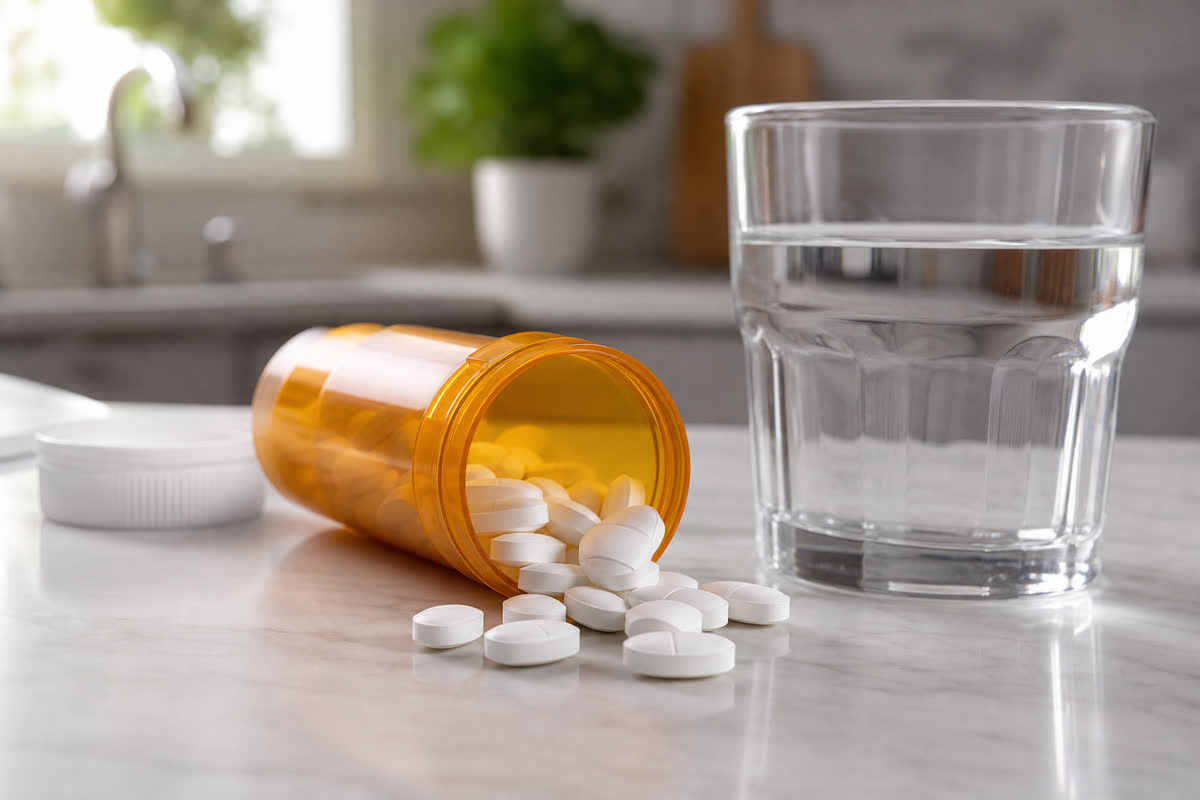
Sometimes diet and exercise are not enough — especially for people with familial hypercholesterolemia, existing heart disease, diabetes, or high overall risk. In these cases, medication can be life-saving.
Common cholesterol medications
- Statins — the most widely used and best-studied drugs, they lower LDL substantially and reduce heart attack and stroke risk
- Ezetimibe — reduces cholesterol absorption from the gut, often added to a statin
- PCSK9 inhibitors — powerful injectable drugs for very high LDL or when statins are not tolerated
- Bempedoic acid and bile acid sequestrants — additional options in specific situations
The WHO identifies raised cholesterol as a major global cause of heart disease and stroke, and effective treatment substantially lowers that risk. Whether you need medication is a shared decision with your doctor based on your full risk profile — never start or stop these drugs on your own.
Important: Cholesterol medication works best alongside healthy habits, not instead of them. Even on a statin, diet, exercise, and not smoking still matter enormously.
High Cholesterol vs Other Heart Risk Factors
High cholesterol rarely acts alone. It clusters with other conditions that damage your arteries, and managing them together is far more effective than tackling any single one.
| Risk factor | How it overlaps with cholesterol | Learn more |
|---|---|---|
| High blood pressure | Both stiffen and damage arteries | High blood pressure guide |
| Type 2 diabetes | Raises LDL and triglycerides, lowers HDL | Early diabetes symptoms |
| Low thyroid | Hypothyroidism raises cholesterol | Thyroid symptoms in women |
| Chronic stress | Influences habits and metabolism | How to lower cortisol |
| Poor diet quality | Directly raises LDL and triglycerides | Digestive & gut health guide |
This clustering is why doctors assess your overall cardiovascular risk rather than fixating on cholesterol in isolation — and why healthy habits pay off across the board.
How to Prevent High Cholesterol
- Anchor your diet in fiber and healthy fats — oats, beans, fruit, vegetables, olive oil, nuts, and fish
- Limit saturated and trans fats by cooking more at home and reading labels
- Stay active with at least 150 minutes of moderate exercise weekly
- Keep a healthy weight, focusing on sustainable habits
- Don't smoke, and quit if you do
- Keep alcohol moderate to protect triglycerides
- Manage stress and sleep so healthy routines stick
- Get tested regularly and know your numbers, especially with a family history
These steps fit naturally into the routines in our Wellness & Lifestyle hub and pair well with the cardiovascular advice in our high blood pressure and immune health guides.
When to See a Doctor — Red Flags
Because high cholesterol is silent, the main reason to see a doctor is testing, not symptoms. Book an appointment if:
- You have never had a cholesterol test as an adult
- You have a family history of early heart disease or very high cholesterol
- You have diabetes, high blood pressure, or obesity
- You smoke or have other cardiovascular risk factors
- You are due for a routine check based on your age
Seek emergency care immediately for signs of a heart attack or stroke, which can be the first sign of untreated high cholesterol:
- Chest pain or pressure, especially spreading to the arm, neck, or jaw
- Sudden shortness of breath, cold sweat, or nausea
- Sudden weakness or numbness, especially on one side of the body
- Slurred speech, facial drooping, or sudden confusion
- Sudden severe headache or loss of vision
If your symptoms are vague or you simply want peace of mind, it is always reasonable to ask your clinician to check cholesterol alongside blood pressure, blood sugar, and — when relevant — thyroid and iron levels.
Key Takeaways
- High cholesterol is silent — it usually causes no symptoms until it triggers a heart attack, stroke, or chest pain, so testing is essential.
- LDL is harmful, HDL is protective — the goal is generally to lower LDL and triglycerides while keeping HDL high.
- Causes are a mix of diet, lifestyle, and genetics — you can have high cholesterol even if you are thin and fit.
- Lifestyle changes are powerful — soluble fiber, healthy fats, exercise, weight control, and not smoking meaningfully improve your numbers.
- Medication saves lives when risk is high or cholesterol is inherited, and works best alongside healthy habits.
- Know your numbers — a simple lipid panel every few years lets you act during the silent years, long before damage is done.
Explore Related Guides
- High Blood Pressure: Symptoms, Causes & Prevention
- Low Blood Pressure: Symptoms & Causes
- Early Diabetes Symptoms & Warning Signs
- Omega-3 Deficiency: Signs & Best Food Sources
- Thyroid Symptoms in Women
- How to Lower Cortisol Naturally
- Intermittent Fasting for Beginners
- Digestive Issues & Gut Health Guide
- Daily Wellness Habits for Better Energy
- Stress Management Techniques That Work
- How to Boost Your Immune System Naturally
- Browse the Symptoms & Conditions and Wellness & Lifestyle hubs
Medical Disclaimer
Symptoms Insight publishes general health information for educational purposes only. It is not a substitute for professional medical advice, diagnosis, or treatment. Always seek the advice of a qualified healthcare provider with any questions about a medical condition, lab results, or medication — including cholesterol-lowering drugs, which should only be started or stopped under medical supervision. Never disregard professional medical advice or delay seeking it because of something you have read here.
About the publisher

Rajat
Health & Wellness Editor | Global
Health & Wellness Editor | Global
Rajat edits Symptoms Insight as a practical health publication focused on symptoms, vitamin deficiencies, skincare, wellness habits, and digital health — always encouraging readers to consult qualified healthcare professionals for personal medical decisions.
FAQ
Frequently asked questions
What are the symptoms of high cholesterol?
High cholesterol itself usually causes no symptoms at all, which is exactly why it is often called a silent condition. Most people feel completely normal for years while cholesterol quietly builds up in their arteries. The first sign is often a serious event such as a heart attack, stroke, or chest pain (angina). In rare cases of very high inherited cholesterol, people may develop fatty deposits called xanthomas around the eyes, elbows, or tendons. Because you cannot feel it, a simple blood test is the only reliable way to know your numbers.
What is a normal cholesterol level?
For most adults, total cholesterol below 200 mg/dL is considered desirable, LDL (the harmful type) is best kept below 100 mg/dL, and HDL (the protective type) should ideally be 60 mg/dL or higher. Triglycerides are best under 150 mg/dL. However, ideal targets depend on your overall heart risk, so someone with diabetes or existing heart disease may need much lower LDL. Your doctor interprets these numbers alongside your blood pressure, age, and family history rather than in isolation.
What is the difference between HDL and LDL cholesterol?
LDL (low-density lipoprotein) is often called bad cholesterol because it carries cholesterol into artery walls, where it can form plaque and narrow blood vessels. HDL (high-density lipoprotein) is called good cholesterol because it helps carry cholesterol away from the arteries back to the liver for removal. The goal is generally to lower LDL and raise or maintain HDL. Triglycerides, a separate type of blood fat, also matter, and high triglycerides with low HDL is a common warning pattern.
What causes high cholesterol?
High cholesterol comes from a mix of diet, lifestyle, and genetics. Eating a lot of saturated and trans fats, being overweight, physical inactivity, smoking, and heavy alcohol use all push cholesterol up. Genetics play a large role too, and an inherited condition called familial hypercholesterolemia can cause very high levels even in fit, healthy people. Certain conditions such as diabetes, hypothyroidism, and kidney disease can also raise cholesterol, so testing helps find the real cause.
How can I lower my cholesterol naturally?
You can meaningfully lower cholesterol through diet and lifestyle. Eat more soluble fiber from oats, beans, and fruit, replace saturated fats with healthy fats from olive oil, nuts, and fish, and add plant foods rich in unsaturated fats. Exercise most days of the week, reach a healthy weight, stop smoking, and limit alcohol. These steps can lower LDL by a useful amount and raise protective HDL. For some people, especially those with high genetic risk, medication is still needed alongside these habits.
What foods should I avoid with high cholesterol?
Limit foods high in saturated fat and trans fat, such as fatty and processed meats, full-fat dairy, butter, deep-fried foods, pastries, cakes, and many packaged snacks. Trans fats, sometimes listed as partially hydrogenated oils, are especially harmful and best avoided entirely. Cutting back on ultra-processed foods and sugary drinks also helps, since these raise triglycerides. You do not need a perfect diet, but shifting most meals toward whole plant foods, fish, and healthy oils makes a real difference.
Do I need medication for high cholesterol?
Not everyone with high cholesterol needs medication. If your overall heart risk is low, lifestyle changes are usually tried first. Statins and other cholesterol-lowering drugs are recommended when LDL stays high, when you already have heart disease or diabetes, or when your calculated risk of a heart attack or stroke is significant. This is a shared decision with your doctor based on your full risk profile, not on a single number. Never start or stop cholesterol medication on your own.
Can you have high cholesterol if you are thin and fit?
Yes. While excess weight and inactivity raise cholesterol, genetics can push levels high even in lean, active people. Familial hypercholesterolemia is a common inherited condition that causes very high LDL from a young age and greatly increases early heart disease risk. This is why a healthy appearance is not proof of healthy cholesterol, and why routine testing matters for everyone, especially if heart disease runs in your family.
How often should I get my cholesterol checked?
Most healthy adults should have a cholesterol test every 4 to 6 years, but people with risk factors such as diabetes, high blood pressure, obesity, smoking, or a family history of early heart disease need it more often. Adults on cholesterol medication are tested more frequently to check progress. Children in families with very high cholesterol may be screened earlier. Your doctor will recommend a schedule based on your age, risk, and previous results.
Does high cholesterol cause high blood pressure?
High cholesterol and high blood pressure are separate conditions, but they often travel together and both damage arteries. Cholesterol plaque stiffens and narrows blood vessels, which can worsen blood pressure over time, and both raise the risk of heart attack and stroke. Because they compound each other, doctors usually assess and manage them together as part of your overall cardiovascular risk rather than treating either one in isolation.
When should I see a doctor about cholesterol?
Because high cholesterol has no symptoms, the main trigger to see a doctor is testing rather than how you feel. Book a check if you have never had a cholesterol test as an adult, if you have a family history of early heart disease, or if you have diabetes, high blood pressure, or obesity. Seek emergency care immediately for signs of a heart attack or stroke, such as chest pain, sudden weakness, or slurred speech, which can be the first sign of untreated high cholesterol.