
Medical & editorial notice: Symptoms Insight publishes general health information for educational purposes only. It is not a substitute for professional medical advice, diagnosis, or treatment. Always seek the advice of a qualified healthcare provider with questions about a medical condition.
Review snapshot
What we checked for this guide
Official sources used
Pages checked while updating this article
Introduction
Every cold season, the internet fills up with promises to "boost your immune system" overnight — miracle shots, mega-dose vitamins, and exotic powders. The truth is calmer and far more useful: your immune system is a sophisticated, always-on defense network, and while you cannot supercharge it beyond its healthy baseline, you can remove the things that hold it back and give it everything it needs to work at full strength.
Learning how to boost your immune system naturally comes down to a handful of daily habits that science strongly supports — quality sleep, a colorful whole-food diet, regular movement, stress control, and correcting real nutrient gaps. None of them is glamorous, but together they lower your risk of getting sick, help you recover faster when you do, and support the rest of your health at the same time.
This 2026 pillar guide walks through exactly what works, what is overhyped, and how to build a simple routine that keeps your defenses strong all year. If your main issue is running on empty, it pairs well with our guides to daily wellness habits for better energy and chronic fatigue.
Medical note: This article is for general education only and is not medical advice. It does not diagnose, treat, or prevent any specific illness. Do not start high-dose supplements or stop prescribed medication based on what you read here. If you get infections frequently or severely, see a qualified healthcare provider.


What Does It Really Mean to "Boost" Immunity?
Before changing anything, it helps to understand what you are working with. Your immune system is not a single organ you can pump up like a muscle. It is a layered network of barriers (skin, mucus, stomach acid), fast-acting innate defenses, and a slower, precise adaptive system that learns and remembers specific germs. White blood cells, antibodies, the lymphatic system, bone marrow, the spleen, and even the bacteria in your gut all play a part.
Because it is so complex and finely balanced, the goal is not to crank it up as high as possible. An overactive immune system causes its own problems — allergies, chronic inflammation, and autoimmune disease. What you actually want is an immune system that is well-resourced, well-rested, and well-regulated, able to respond strongly to real threats and stand down when the danger passes.
That reframes the whole conversation. As the NIH explains, the most reliable way to keep your defenses working well is to support the daily habits your body depends on — not to chase a single magic ingredient. The rest of this guide is built around those habits, roughly in order of impact.
1. Prioritize Sleep — Your Immune System's Repair Shift
If you do only one thing on this list, make it sleep. While you rest, your body releases signaling proteins called cytokines that coordinate the immune response, produces infection-fighting cells and antibodies, and clears metabolic waste. Skimp on sleep and every one of those processes suffers.
The research is striking: people who regularly sleep less than about seven hours are significantly more likely to catch a cold after being exposed to a virus than those who sleep well, and their vaccine responses tend to be weaker. Chronic short sleep also raises stress hormones and background inflammation, a double hit to immune function.
To protect your immune "repair shift":
- Aim for 7–9 hours of sleep on a consistent schedule, even on weekends.
- Keep the bedroom cool, dark, and screen-free in the hour before bed.
- Get morning daylight to anchor your body clock.
- Limit caffeine after early afternoon and heavy meals late at night.
Our detailed sleep hygiene guide breaks this down step by step, and it is closely tied to how well you manage cortisol, the stress hormone.
2. Eat a Colorful, Whole-Food Diet
Your immune cells are built and fueled by what you eat. A diet heavy in ultra-processed food, added sugar, and refined carbs promotes inflammation and crowds out the nutrients your defenses depend on. A varied, colorful, whole-food diet does the opposite.
The Harvard T.H. Chan School of Public Health emphasizes that no single food or nutrient works in isolation — immunity depends on a pattern of eating that supplies a broad range of vitamins, minerals, and plant compounds. Build your plate around:
- Vitamin C foods: citrus, strawberries, kiwi, bell peppers, broccoli
- Zinc sources: meat, shellfish, beans, lentils, nuts, seeds
- Vitamin A and carotenoids: carrots, sweet potato, leafy greens
- Protein at every meal: the raw material for antibodies and immune cells
- Healthy fats: olive oil, nuts, and oily fish for their anti-inflammatory omega-3s
- Color from many plants: the wider the range, the broader the antioxidant coverage
Try to make half your plate vegetables and fruit, choose whole grains over refined, and treat sugary drinks and snacks as occasional rather than daily. For nutrient-specific deep dives, see our guides to vitamin C deficiency, zinc deficiency, and omega-3 deficiency.
3. Look After Your Gut Microbiome
Here is a fact that surprises most people: roughly 70% of your immune system lives in and around your gut. The trillions of bacteria in your digestive tract help train immune cells, produce protective compounds, and keep harmful microbes in check. A healthy, diverse microbiome is one of your strongest natural defenses.
To feed it well:
- Eat fermented foods — yogurt, kefir, sauerkraut, kimchi, miso — for beneficial live bacteria.
- Get plenty of fiber from vegetables, fruit, legumes, and whole grains, which acts as fuel (prebiotics) for good microbes.
- Go easy on artificial sweeteners, alcohol, and ultra-processed foods, which can reduce microbial diversity.
A gut that is frequently upset can be a sign something is off. Our digestive health and gut guide covers how to keep your microbiome — and by extension your immunity — in good shape.

4. Move Your Body — Moderately
Regular physical activity is one of the most reliable ways to keep your immune system in shape. Moderate exercise improves blood flow so immune cells circulate and patrol more effectively, lowers chronic inflammation, supports better sleep, and helps regulate stress hormones. People who exercise consistently tend to get fewer and milder respiratory infections over the year.
The sweet spot is about 150 minutes of moderate activity per week — brisk walking, cycling, swimming, or dancing — plus a couple of strength sessions. You do not need to punish yourself; in fact, very intense, prolonged exercise without recovery can temporarily suppress immunity, which is why rest days and sleep matter as much as the workouts themselves.
If you are just starting out, weave movement into daily life: take the stairs, walk after meals, or do short mobility breaks. These small habits are part of the broader routine described in our daily wellness habits guide.
5. Manage Stress Before It Manages You
Stress and immunity are tightly linked through the hormone cortisol. In short bursts, cortisol is helpful. But when stress becomes chronic, cortisol stays elevated, and persistently high levels suppress immune cell activity, raise inflammation, slow wound healing, and blunt vaccine responses. In practical terms, months of unrelieved stress can leave you catching every bug going around.
You cannot eliminate stress, but you can change how your body carries it:
- Practice slow breathing, meditation, or gentle yoga for even 10 minutes a day.
- Protect downtime and social connection, both proven stress buffers.
- Spend time outdoors and in daylight.
- Set boundaries around work and screens, especially at night.
Our dedicated guides to lowering cortisol naturally and stress management techniques that work go much deeper into practical methods.

6. Stay Hydrated
Hydration rarely makes the headlines, but it matters. Water helps your body produce lymph, the fluid that carries white blood cells and other immune cells around the body. It keeps the mucous membranes in your nose and throat moist so they can trap germs, and it supports every cell involved in fighting infection.
You do not need to overthink it: drink enough that your urine is pale yellow, more in hot weather or when exercising, and remember that fruits, vegetables, and soups contribute too. When you are fighting an illness, staying hydrated becomes even more important. Learn to spot the warning signs in our dehydration guide.
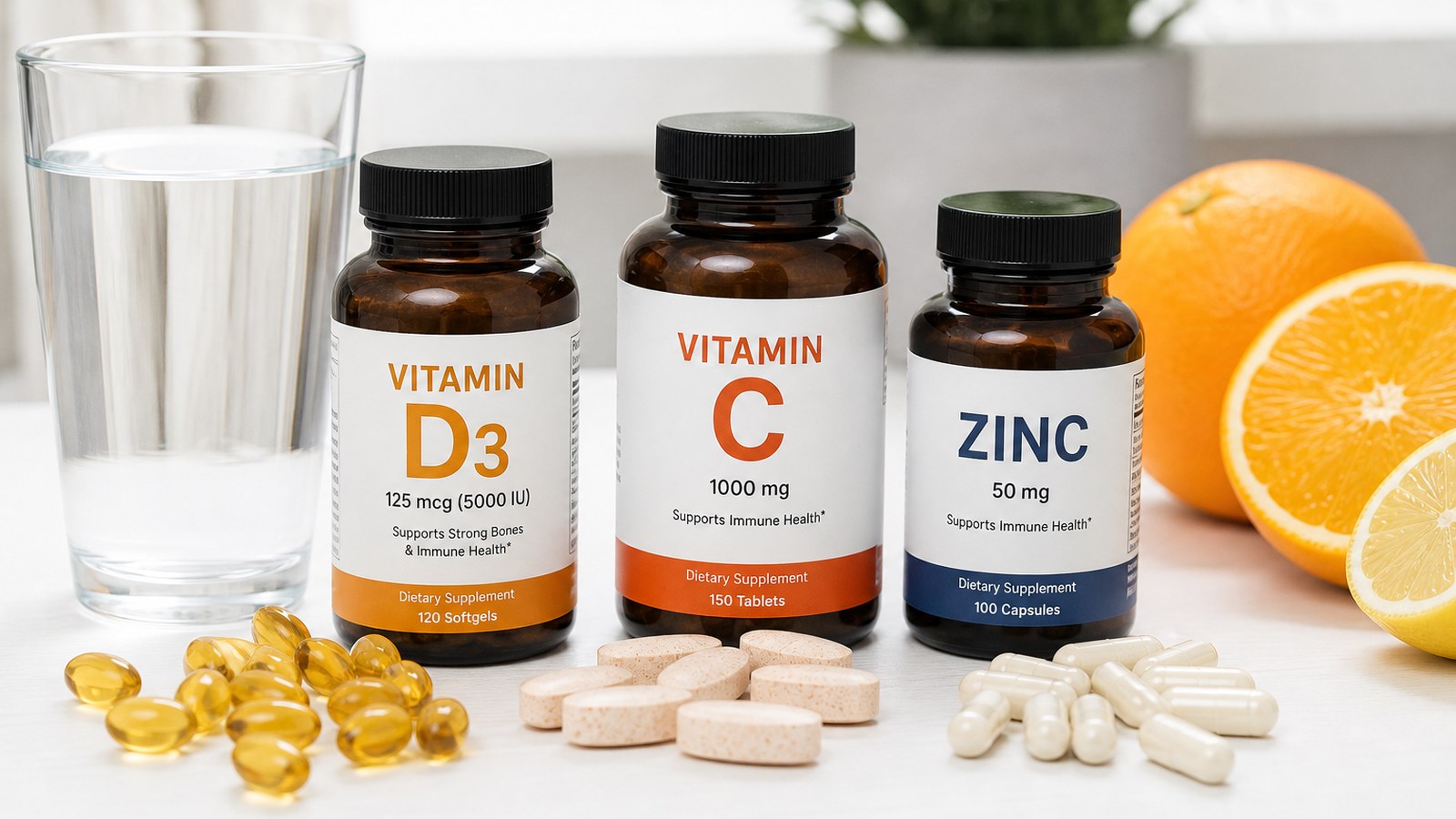
7. Get the Key Vitamins Right (D, C, and Zinc)
This is where supplements earn their place — not as a blanket "boost," but to correct genuine gaps. Three nutrients have the strongest evidence for immune function:
- Vitamin D helps regulate immune responses, and deficiency is extremely common, especially in winter, in people with darker skin, and in those who spend little time outdoors. Correcting a low level genuinely supports immunity. See our guides to vitamin D deficiency and choosing the best vitamin D supplements.
- Vitamin C supports several immune cell functions and is used up faster during infection. Most people get enough from food, but low intakes are worth correcting.
- Zinc is essential for immune cell development. Even mild deficiency impairs defenses, and zinc taken early may slightly shorten the duration of a cold.
Other supporting players include vitamin A, vitamin E, selenium, and the B vitamins — best obtained from a varied diet. The CDC stresses that food is the ideal source for most of these nutrients.
A crucial caveat: more is not better. Megadoses do nothing extra for people who already have enough and can cause real harm — too much zinc impairs immunity and copper absorption, excess vitamin D can be toxic, and high doses can interact with medications. The smart approach is to test for deficiencies and supplement specifically, ideally with a clinician's guidance.
8. Cut the Habits That Drag Immunity Down
Sometimes the biggest gains come from subtracting, not adding:
- Smoking and vaping damage the lungs' protective lining and impair immune cells, raising the risk and severity of respiratory infections.
- Excess alcohol disrupts gut bacteria, interferes with immune signaling, and worsens sleep. If you drink, keep it moderate.
- Chronic sleep deprivation and unmanaged stress — covered above — quietly undermine everything else.
- A sedentary routine and a diet high in added sugar and ultra-processed food promote the low-grade inflammation that wears immunity down.
You do not have to be perfect. Reducing these consistently does more for your defenses than any single "immune-boosting" product on the shelf.
Immunity Myths vs Facts
| Myth | Fact |
|---|---|
| "A mega-dose of vitamin C stops colds." | It may slightly shorten a cold in some people, but it does not prevent infection in the well-nourished. |
| "You can supercharge your immune system." | You can support it to work at its healthy best — you cannot safely crank it higher. |
| "Supplements can replace a good diet." | Whole foods provide nutrients and fiber together; supplements only fill specific gaps. |
| "Cold weather makes you sick." | Viruses cause illness; cold seasons spread them via more indoor contact and lower vitamin D. |
| "Only sick people need to worry about immunity." | Everyday habits build resilience before you are exposed to a germ. |
| "Sweating out a workout kills germs." | Moderate exercise helps; extreme exertion without recovery can briefly lower defenses. |
Notice the theme: immunity rewards consistent, balanced habits far more than dramatic one-off fixes — the same principle behind our intermittent fasting beginner's guide and other sustainable wellness routines.
A Simple Daily Immune-Support Routine
Putting it all together, here is a realistic day that keeps your defenses strong:
- Morning: Wake at a consistent time, get daylight, drink water, and eat a protein-rich breakfast with some fruit.
- Midday: Move your body — a brisk walk or workout — and build lunch around vegetables, whole grains, and protein.
- Afternoon: Manage stress with short breaks, breathing, or a walk; keep hydrating; go easy on caffeine.
- Evening: Eat a colorful dinner with fermented foods, limit alcohol, and wind down without screens.
- Night: Protect 7–9 hours of sleep in a cool, dark room.
- Ongoing: Test for and correct any real vitamin D, C, or zinc gaps; do not smoke; keep vaccinations up to date.
None of this requires special products — just repetition.
When to See a Doctor
Everyone catches the occasional cold. The time to seek medical advice is when there is a clear pattern suggesting your defenses are struggling, or an underlying problem needs attention:
- Frequent infections or colds and flu that keep coming back
- Illnesses that are unusually severe or last much longer than expected
- Slow-healing wounds, recurring cold sores, or repeated fungal or skin infections
- Persistent fatigue alongside frequent illness
- Signs of a possible nutrient deficiency, such as ongoing tiredness, hair loss, or a sore tongue
A doctor can check for treatable causes — vitamin deficiencies, thyroid issues, diabetes, medication effects, or immune conditions — and guide safe supplementation. If ongoing tiredness is your main concern, our chronic fatigue guide is a useful companion read.

Key Takeaways
- You cannot "supercharge" immunity — the goal is a well-resourced, well-rested, well-regulated immune system.
- Sleep is the foundation: aim for 7–9 hours to protect your body's overnight immune repair.
- Eat a colorful, whole-food diet with plenty of vegetables, fruit, protein, and fiber; feed your gut with fermented foods.
- Move moderately most days — about 150 minutes a week — but respect recovery.
- Manage chronic stress, because high cortisol directly suppresses immune defenses.
- Stay hydrated and get the key nutrients right — especially vitamin D, vitamin C, and zinc — correcting real deficiencies rather than mega-dosing.
- Subtract the drains: smoking, excess alcohol, poor sleep, and ultra-processed diets.
- See a doctor for a genuine pattern of frequent or severe infections.
Explore Related Guides
- Daily Wellness Habits for Better Energy
- Best Sleep Hygiene Tips for Better Rest
- How to Lower Cortisol Naturally: Stress Hormone Guide
- Stress Management Techniques That Work
- Vitamin D Deficiency: Symptoms, Causes & Treatment
- Best Vitamin D Supplements for Energy, Immunity & Bones
- Vitamin C Deficiency & Scurvy Signs
- Zinc Deficiency: Symptoms, Foods & Treatment
- Omega-3 Deficiency: Signs, Foods & Benefits
- Digestive Issues & Gut Health Guide
- Dehydration: Symptoms, Causes & Treatment
- Chronic Fatigue Syndrome: Symptoms, Causes & Treatment
- Intermittent Fasting for Beginners: Benefits & Risks
- Browse the Wellness & Lifestyle hub
- Explore Vitamin Deficiency & Nutrition and Symptoms & Conditions
Medical Disclaimer
Symptoms Insight publishes general health information for educational purposes only. It is not a substitute for professional medical advice, diagnosis, or treatment, and it cannot prevent or cure any specific illness. Habits that support immune function reduce risk but do not guarantee you will avoid infection. Do not begin high-dose vitamin or mineral supplements without guidance, as excessive amounts can be harmful and may interact with medications or health conditions. Always consult a qualified healthcare provider about your individual circumstances, before starting any supplement, if you take regular medication, if you are pregnant or breastfeeding, or if you experience frequent, severe, or unusually prolonged infections. Never disregard professional medical advice or delay seeking it because of something you have read here.
About the publisher

Rajat
Health & Wellness Editor | Global
Health & Wellness Editor | Global
Rajat edits Symptoms Insight as a practical health publication focused on symptoms, vitamin deficiencies, skincare, wellness habits, and digital health — always encouraging readers to consult qualified healthcare professionals for personal medical decisions.
FAQ
Frequently asked questions
How can I boost my immune system naturally and quickly?
There is no overnight fix, but you can support your immune system within a few days by prioritizing the fundamentals it depends on every day. Aim for seven to nine hours of quality sleep, since much of your immune activity happens overnight. Eat a colorful, whole-food diet rich in fruits, vegetables, and protein, and stay well hydrated. Move your body with moderate exercise most days, cut back on alcohol, and stop smoking. Manage stress with breathing, walks, or downtime, because chronic stress suppresses immune function. These habits will not "supercharge" immunity beyond normal, but they help your existing defenses work at their best, which is what genuinely lowers your risk of getting sick.
What foods are best for boosting immunity?
The most immune-supportive diet is varied and colorful rather than built around a single "superfood." Focus on vitamin C sources such as citrus, bell peppers, strawberries, and broccoli; zinc from meat, shellfish, beans, and nuts; and vitamin A and antioxidants from leafy greens, carrots, and sweet potatoes. Include protein at each meal for antibody production, plus fermented foods like yogurt, kefir, and sauerkraut to feed the gut microbiome, where much of your immune system lives. Garlic, ginger, and green tea add helpful plant compounds. No single food prevents illness, but a consistent pattern of whole, minimally processed foods gives your immune cells the raw materials they need.
Which vitamins actually help the immune system?
The nutrients with the strongest links to immune function are vitamin D, vitamin C, and zinc. Vitamin D helps regulate immune responses, and deficiency is common, especially in winter and in people with darker skin or limited sun exposure. Vitamin C supports the function of several immune cells and is depleted faster during infection. Zinc is essential for immune cell development, and even mild deficiency impairs defenses. Vitamin A, vitamin E, selenium, and B vitamins also play supporting roles. For most people, food is the best source, but supplementing a genuine deficiency — confirmed by a blood test — can make a real difference. Megadoses do not "boost" immunity in people who already have enough.
Does lack of sleep weaken your immune system?
Yes, and the effect is well documented. During deep sleep your body produces and redistributes immune messengers called cytokines, along with infection-fighting cells and antibodies. When you consistently sleep less than about seven hours, these processes are blunted, inflammation rises, and vaccine responses can weaken. Studies show short sleepers are more likely to catch a cold after exposure to a virus than those who sleep well. Chronic sleep loss also raises stress hormones that further suppress immunity. Prioritizing consistent, good-quality sleep is one of the most powerful and underrated ways to keep your immune defenses strong.
Can stress really make you sick more often?
Chronic stress genuinely weakens immune defenses. When stress is ongoing, the body keeps releasing cortisol, and persistently high cortisol suppresses the activity of key immune cells and promotes inflammation. Over time this can leave you more susceptible to infections, slow wound healing, and reduce how well vaccines work. Short bursts of stress are normal and harmless, but months of unrelieved pressure take a measurable toll. Managing stress through sleep, exercise, social connection, time outdoors, and relaxation techniques is not just good for your mood — it directly supports how well your immune system functions day to day.
Does exercise boost or weaken immunity?
Regular, moderate exercise strengthens immunity, while occasional extreme exertion can briefly lower it. Moderate activity — brisk walking, cycling, swimming, or strength training most days — improves circulation so immune cells patrol the body more effectively, reduces chronic inflammation, and supports healthy sleep and stress levels. This is linked to fewer respiratory infections over time. In contrast, very intense or prolonged endurance exercise without adequate recovery can temporarily suppress immune function, which is why rest days matter. The takeaway is consistency over intensity — aim for about 150 minutes of moderate activity per week rather than pushing to exhaustion.
Are immune-boosting supplements worth taking?
For most healthy people eating a balanced diet, supplements offer little extra benefit and cannot "boost" a normally functioning immune system beyond its healthy baseline. They are most useful when correcting a genuine deficiency — for example, vitamin D in people with low levels, or zinc and vitamin C in those who do not get enough from food. Some evidence suggests zinc taken early may slightly shorten colds, and vitamin D supplementation helps people who are deficient. Be cautious with high doses, which can cause harm and interact with medications. The safest approach is to test for deficiencies and supplement specifically, rather than taking large amounts of everything.
How do I know if my immune system is weak?
Signs that may point to a weaker-than-normal immune system include getting frequent infections, colds or flu that linger longer than usual, slow-healing wounds, recurring cold sores or fungal infections, frequent digestive upsets, and persistent fatigue. Everyone catches occasional colds, so the concern is a clear increase in how often you get sick, how severe illnesses are, or how long they last. Underlying causes can include poor sleep, chronic stress, nutrient deficiencies, uncontrolled diabetes, certain medications, and some medical conditions. If you notice a real pattern of frequent or unusually severe infections, see a doctor, who can check for deficiencies and other treatable causes.