Medical & editorial notice: Symptoms Insight publishes general health information for educational purposes only. It is not a substitute for professional medical advice, diagnosis, or treatment. Always seek the advice of a qualified healthcare provider with questions about a medical condition.
Review snapshot
What we checked for this guide
Official sources used
Pages checked while updating this article
Introduction
Acne is the most common skin condition in the world, affecting an estimated 85% of people at some point in their lives — and it is not just a teenage problem. From clogged pores and blackheads to deep, painful cysts, breakouts can show up on your face, back, chest, and shoulders at almost any age. The good news is that acne is highly treatable, and with the right routine most people can dramatically improve their skin.
This complete 2026 guide explains what acne actually is, what causes it, the ingredients and treatments that genuinely work, how to build a simple daily routine, and how to prevent breakouts from coming back. We will also cover the diet and lifestyle factors that matter, the myths worth ignoring, and the clear signs that it is time to see a dermatologist.
Whether you are dealing with the occasional pimple or persistent breakouts, the fundamentals are the same: be gentle, be consistent, and use proven ingredients. If you are new to skincare, start with our best skincare routine for beginners and browse the Skincare hub, then come back here to build your acne-fighting plan.
Medical note: This article is for general education only and is not medical advice. Acne varies widely from person to person. If your acne is severe, painful, scarring, or not improving with over-the-counter care, please consult a dermatologist or qualified healthcare provider for a personalized treatment plan.
What Is Acne?
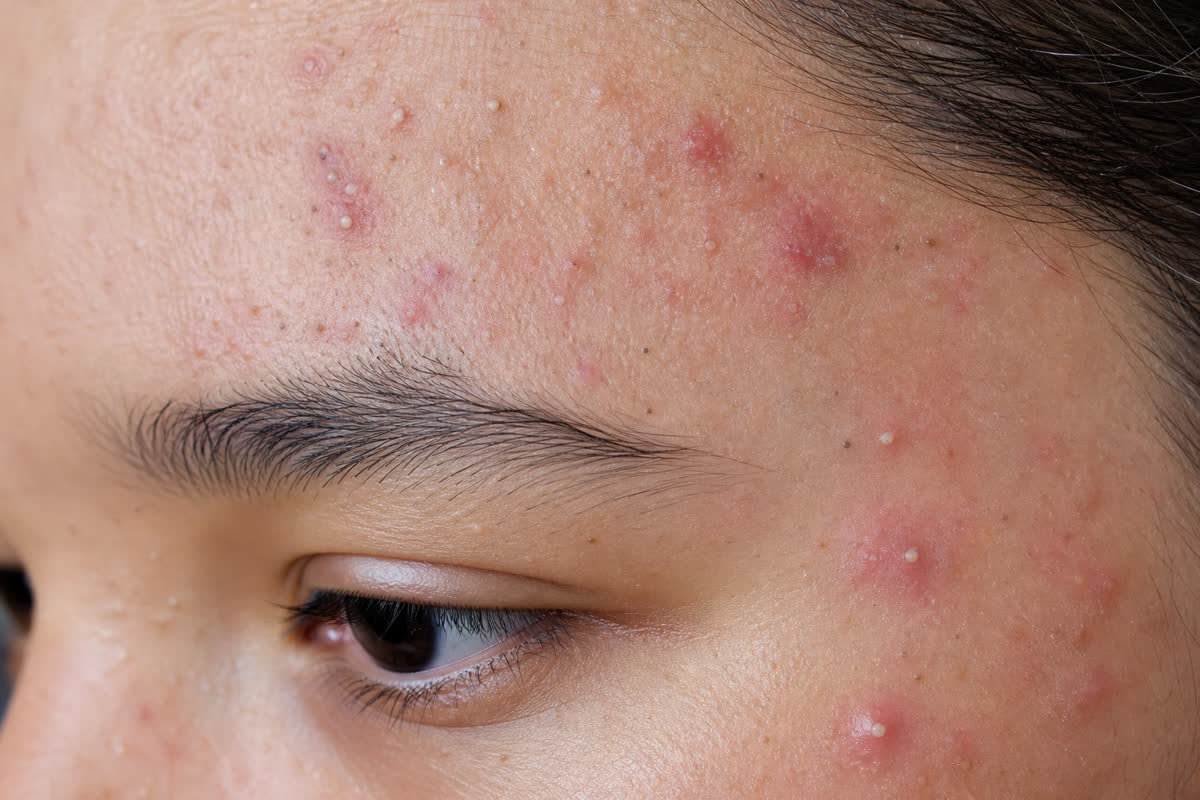
Acne (acne vulgaris) is an inflammatory skin condition that develops when hair follicles — the tiny pores in your skin — become clogged. According to the American Academy of Dermatology, acne is the most common skin condition in the United States, and it happens when a combination of oil, dead skin cells, and bacteria block the pore.
Inside every pore is a sebaceous gland that produces sebum, an oil that keeps skin moisturized. When too much sebum mixes with dead skin cells, the pore becomes plugged. The acne-associated bacteria Cutibacterium acnes (formerly Propionibacterium acnes) can then multiply in that trapped environment, triggering redness, swelling, and the pimples we recognize as acne.
Acne is not a sign of poor hygiene or "dirty" skin. In fact, over-washing and harsh scrubbing usually make it worse. It is a medical condition driven mostly by hormones and genetics — not something you did wrong.
The Different Types of Acne
Not all breakouts are the same, and knowing which type you have helps you choose the right treatment. Acne lesions fall into two broad groups: non-inflammatory and inflammatory.
| Type | Appearance | Category |
|---|---|---|
| Blackheads (open comedones) | Small dark spots; pore is open and oxidized | Non-inflammatory |
| Whiteheads (closed comedones) | Small flesh-colored or white bumps under the skin | Non-inflammatory |
| Papules | Small, red, tender raised bumps | Inflammatory |
| Pustules | Red bumps with a white or yellow pus-filled center | Inflammatory |
| Nodules | Large, hard, painful lumps deep in the skin | Inflammatory |
| Cysts | Deep, painful, pus-filled lumps; highest scarring risk | Inflammatory |
Comedonal acne (blackheads and whiteheads) usually responds well to unclogging ingredients like salicylic acid and retinoids. Inflammatory acne (papules, pustules, nodules, and cysts) often needs benzoyl peroxide and, for deeper or persistent cases, prescription treatment. Nodular and cystic acne should be seen by a dermatologist early, because these types are the most likely to scar.
What Causes Acne?
Acne is rarely due to a single cause. It is usually the result of several factors working together. The Mayo Clinic identifies four main contributors: excess oil production, clogged pores, bacteria, and inflammation. On top of those, a number of triggers can tip your skin toward breakouts.
The main drivers
- Excess sebum (oil): overactive oil glands, often driven by hormones
- Clogged pores: dead skin cells that do not shed properly
- Bacteria: C. acnes multiplying inside blocked pores
- Inflammation: the immune response that creates redness and swelling
Common triggers that make acne worse
- Hormones: puberty, menstrual cycles, pregnancy, and conditions like PCOS. Hormonal shifts are also linked to thyroid changes in women
- Genetics: if your parents had acne, you are more likely to as well
- Stress: raises cortisol, which can increase oil and inflammation — see how to lower cortisol naturally
- Diet: high-glycemic foods and, for some, dairy
- Comedogenic products: heavy or pore-clogging cosmetics and hair products
- Friction and pressure: masks, helmets, phones, and tight straps ("acne mechanica")
- Certain medications: including some steroids and hormonal treatments
- Poor sleep: which raises stress hormones — our sleep hygiene tips can help
Understanding your personal triggers is powerful, because it lets you prevent breakouts rather than just react to them.
The Best Ingredients to Treat Acne
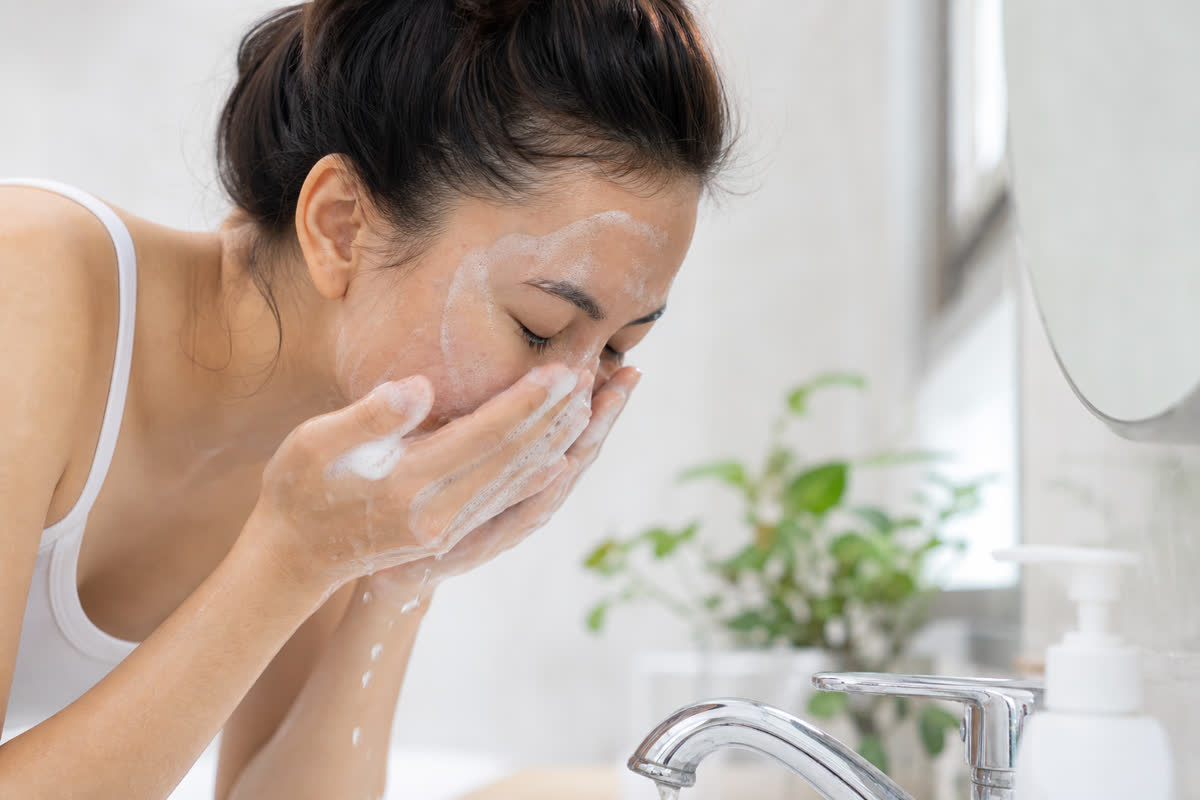
You do not need a shelf full of products. A few well-chosen, evidence-backed ingredients treat the vast majority of acne. Here are the ones that actually work.
Salicylic acid (BHA)
A beta-hydroxy acid that is oil-soluble, so it penetrates into the pore and dissolves the mix of oil and dead skin that causes clogs. It is ideal for blackheads, whiteheads, and oily skin. Look for concentrations of 0.5%–2% in cleansers, toners, or leave-on treatments.
Benzoyl peroxide
One of the most effective ingredients for inflammatory acne (red papules and pustules). It kills acne bacteria and reduces inflammation. Start with a lower strength (2.5%–5%) to limit dryness — higher percentages are not necessarily better and can be more irritating. Note that it can bleach fabrics and towels.
Retinoids (adapalene, retinol, tretinoin)
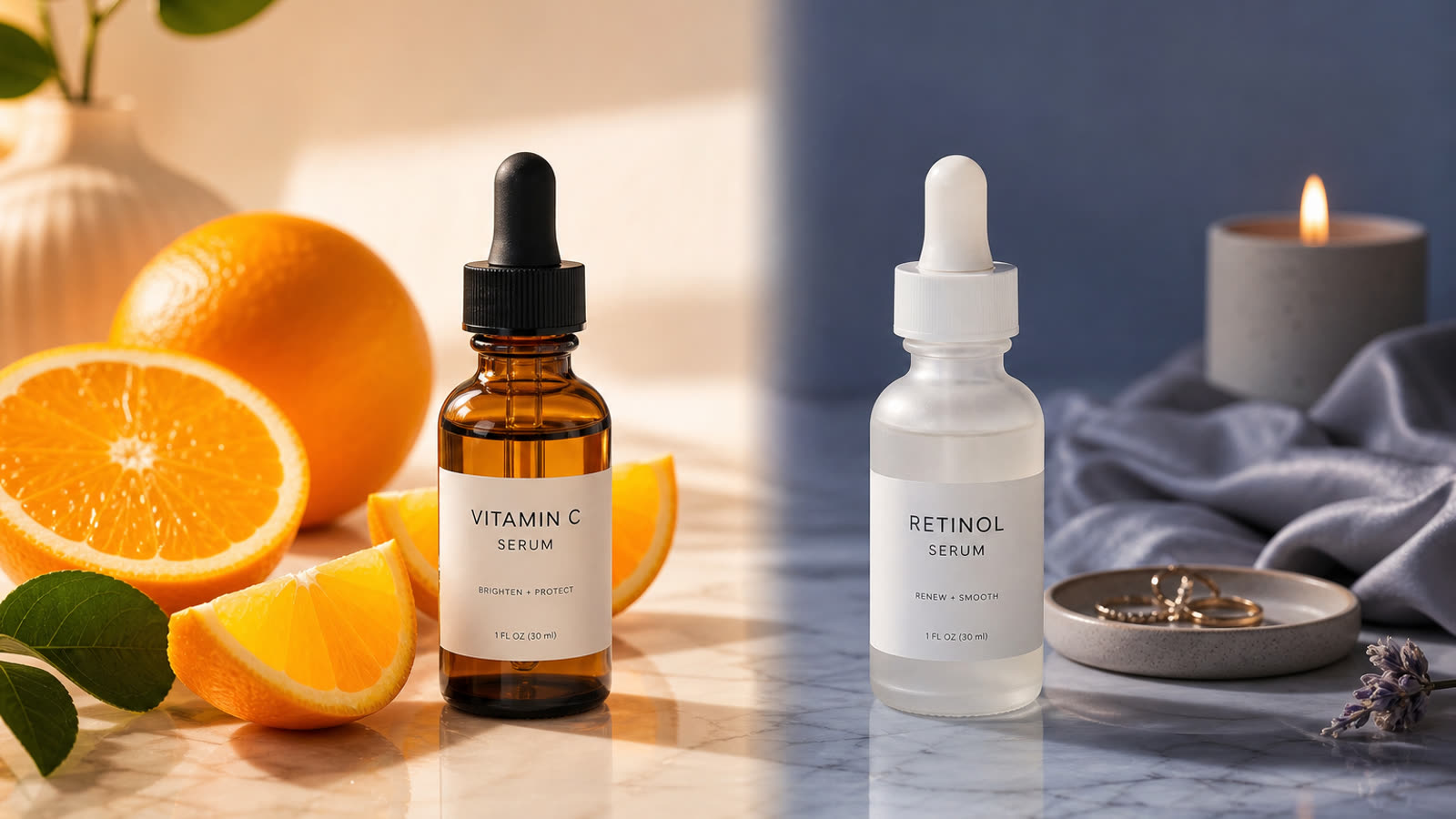
Retinoids are vitamin A derivatives that normalize cell turnover, keep pores clear, and prevent new breakouts from forming. Adapalene (0.1%) is now available over the counter and is one of the best long-term acne treatments. If you want to understand this ingredient family in more depth, read our retinol vs vitamin C guide. Retinoids are generally avoided in pregnancy.
Azelaic acid
A gentle multitasker that fights acne bacteria, unclogs pores, and fades the dark marks left behind after breakouts (post-inflammatory hyperpigmentation). It suits sensitive skin and can often be used during pregnancy — but confirm with your doctor first.
Niacinamide
A form of vitamin B3 that calms redness, supports the skin barrier, and helps regulate oil. It pairs well with almost everything and is a great addition for irritated, acne-prone skin.
| Ingredient | Best for | Typical strength |
|---|---|---|
| Salicylic acid | Blackheads, whiteheads, oily skin | 0.5%–2% |
| Benzoyl peroxide | Red, inflamed pimples | 2.5%–5% |
| Adapalene / retinoids | Prevention, texture, long-term control | 0.1% (adapalene) |
| Azelaic acid | Acne + dark marks, sensitive skin | 10%–20% |
| Niacinamide | Redness, oil control, barrier support | 2%–5% |
Golden rule: introduce one new active at a time, and give it 6–8 weeks. Piling on multiple strong ingredients at once is the fastest way to irritate your skin and stall your progress.
A Simple Daily Acne Routine
A good acne routine is consistent, gentle, and simple. You can adapt the steps below to your skin, but this framework works for most people with mild to moderate acne.
Morning routine
- Gentle cleanser — a mild, non-stripping face wash
- Treatment (optional) — a lightweight salicylic acid or niacinamide serum
- Oil-free moisturizer — hydration protects your skin barrier
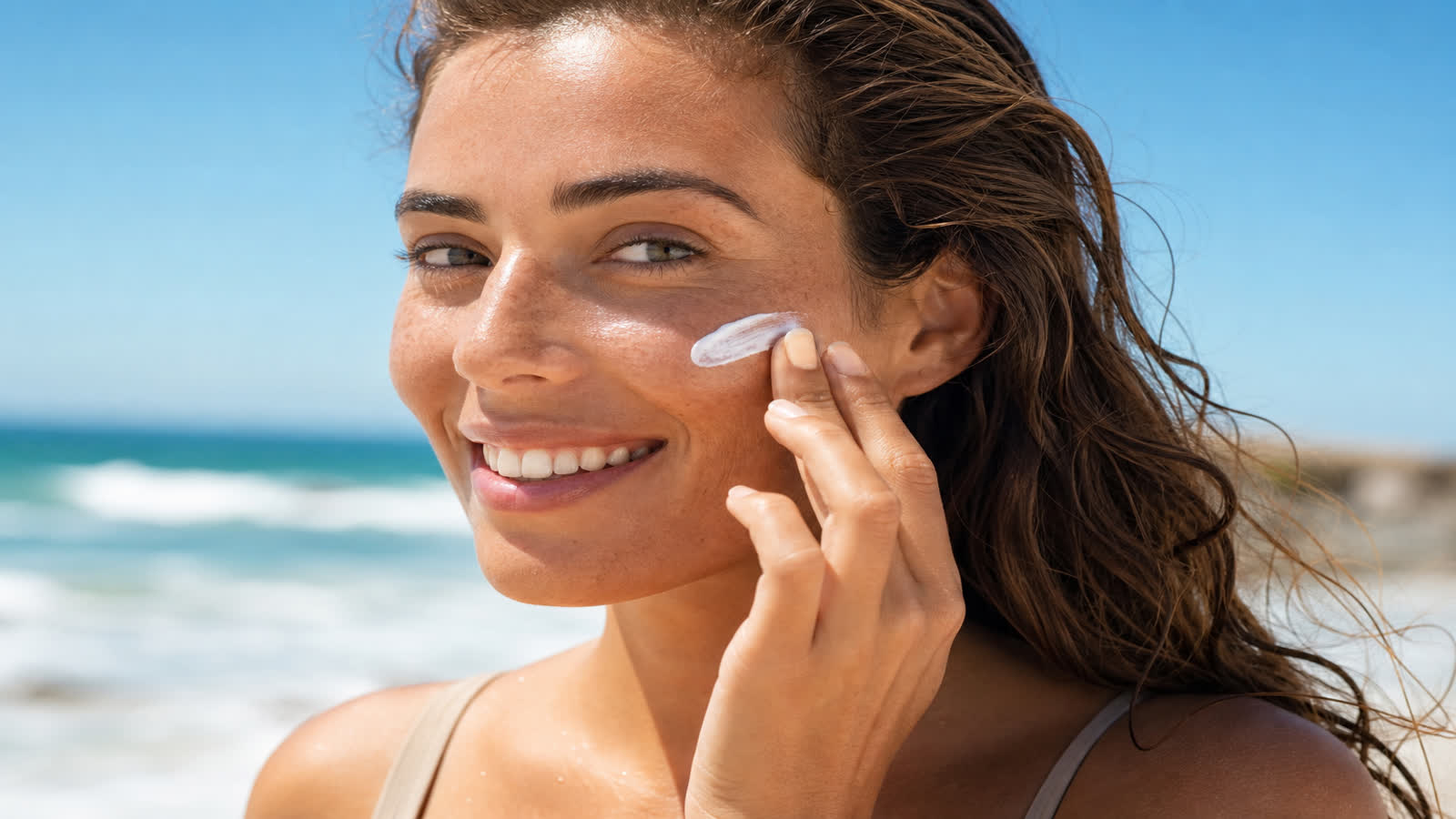
- Broad-spectrum sunscreen (SPF 30+) — essential, especially with acne actives
Evening routine
- Cleanser — remove makeup, sunscreen, oil, and grime from the day
- Acne treatment — benzoyl peroxide or an adapalene retinoid (alternate nights if new)
- Moisturizer — buffer active ingredients and keep skin comfortable
Key routine principles
- Cleanse twice a day and after heavy sweating — but do not over-wash
- Never scrub hard; friction and abrasive scrubs worsen inflammation
- Moisturize even oily skin — drying it out triggers more oil production
- Wear sunscreen daily — acne treatments increase sun sensitivity, and sun worsens dark marks; our sunscreen SPF guide explains how to choose one
- Be patient — give any routine at least 6–8 weeks before judging it
For a broader foundation you can build on, see our best skincare routine for beginners and vitamin C serum tips for glowing skin, which can help fade post-acne marks over time.
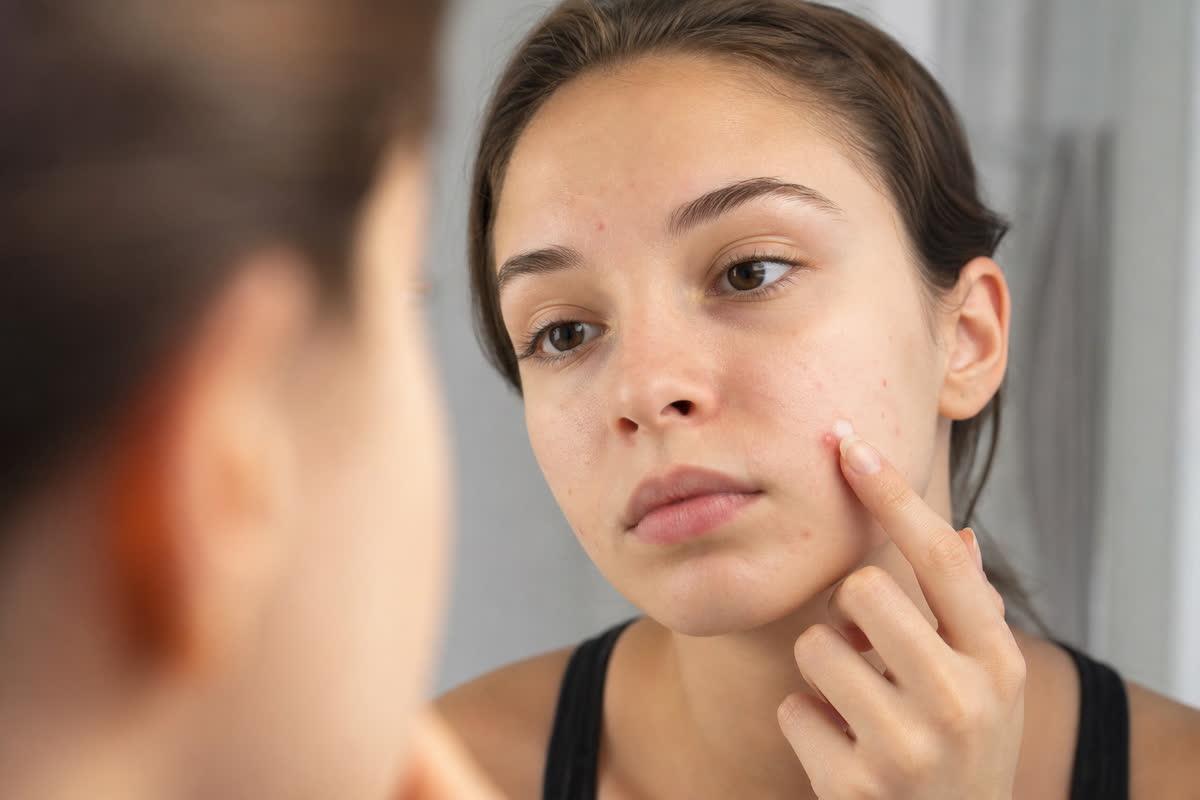
How to Prevent Acne Breakouts
Treating existing acne is only half the battle. Preventing new breakouts keeps your skin clear long term. Prevention is about steady maintenance, not aggressive treatment.
Everyday prevention habits
- Keep your routine consistent, even after your skin clears — stopping treatment often brings acne back
- Choose non-comedogenic, oil-free products for skincare, makeup, and hair
- Do not touch or pick your face throughout the day
- Remove makeup before bed, every night
- Change pillowcases and towels regularly to limit oil and bacteria buildup
- Clean your phone screen, which touches your face constantly
- Shower after sweating to clear sweat and oil from skin, especially for body acne
- Avoid over-exfoliating; 1–2 times a week is plenty for most people
Manage the internal triggers
Skin health reflects overall health. Chronic stress, poor sleep, and hormonal imbalance can all fuel acne. Supporting your body helps your skin:
- Practice stress management techniques that work and watch for physical symptoms of anxiety
- Prioritize rest with good sleep hygiene
- Build steady daily wellness habits and support your immune system naturally
Does Diet Affect Acne?
Diet is one of the most debated acne topics. The honest answer: for some people, certain foods can worsen acne — but food is rarely the whole story.
Research summarized by NIAMS, part of the U.S. National Institutes of Health, and other studies suggests two dietary patterns may influence breakouts:
- High-glycemic diets: foods that spike blood sugar quickly — sugar, white bread, sugary drinks, and refined carbs — are linked in some studies to more acne, likely through insulin and hormone effects
- Dairy (especially skim milk and whey): some research associates dairy with breakouts in certain people, possibly due to hormones in milk
Skin-supportive eating
You do not need a restrictive diet, but a balanced, lower-glycemic pattern tends to help:
- Fill up on vegetables, fruit, whole grains, and legumes
- Choose lean protein and healthy fats, including omega-3 rich foods like salmon, walnuts, and flaxseed, which help calm inflammation
- Limit added sugar and refined carbs
- Stay hydrated — dehydration stresses skin (see dehydration symptoms)
- Consider skin-friendly nutrients like zinc and vitamin D, both studied in relation to acne
If you are curious about eating patterns, our intermittent fasting guide covers one approach, though it is not specifically an acne treatment. Remember: skincare and medical treatment remain the foundation — diet is a supporting player.

Common Acne Myths — Busted
Misinformation about acne is everywhere. Let us clear up the biggest myths.
- Myth: Acne means you are dirty. False. Acne is driven by hormones, oil, and genetics — not hygiene. Over-washing makes it worse.
- Myth: You should dry out acne-prone skin. False. Stripping skin triggers more oil and damages the barrier. Moisturize.
- Myth: Popping pimples helps them heal faster. False. It pushes bacteria deeper and causes scarring and dark marks.
- Myth: Tanning clears acne. False. Sun may temporarily mask redness but worsens marks, ages skin, and raises cancer risk.
- Myth: Only teenagers get acne. False. Adult acne is common, especially in women due to hormones.
- Myth: Toothpaste is a good spot treatment. False. It irritates skin. Use a real benzoyl peroxide or salicylic acid product.
- Myth: More product equals faster results. False. Overloading actives irritates skin and slows healing.
Acne Scars and Dark Marks
After a pimple heals, it can leave behind two different marks that are often confused.
- Post-inflammatory hyperpigmentation (dark marks): flat brown, red, or purple spots. These are not true scars and usually fade over months, faster with sunscreen, azelaic acid, niacinamide, vitamin C, and retinoids.
- True acne scars: changes in skin texture — pitted (atrophic) or raised (hypertrophic) scars. These need professional treatments like chemical peels, microneedling, laser, or fillers.
The single best way to prevent both is to treat acne early and never pick. Daily sunscreen is essential, because UV exposure darkens marks and makes them last longer.
When to See a Dermatologist
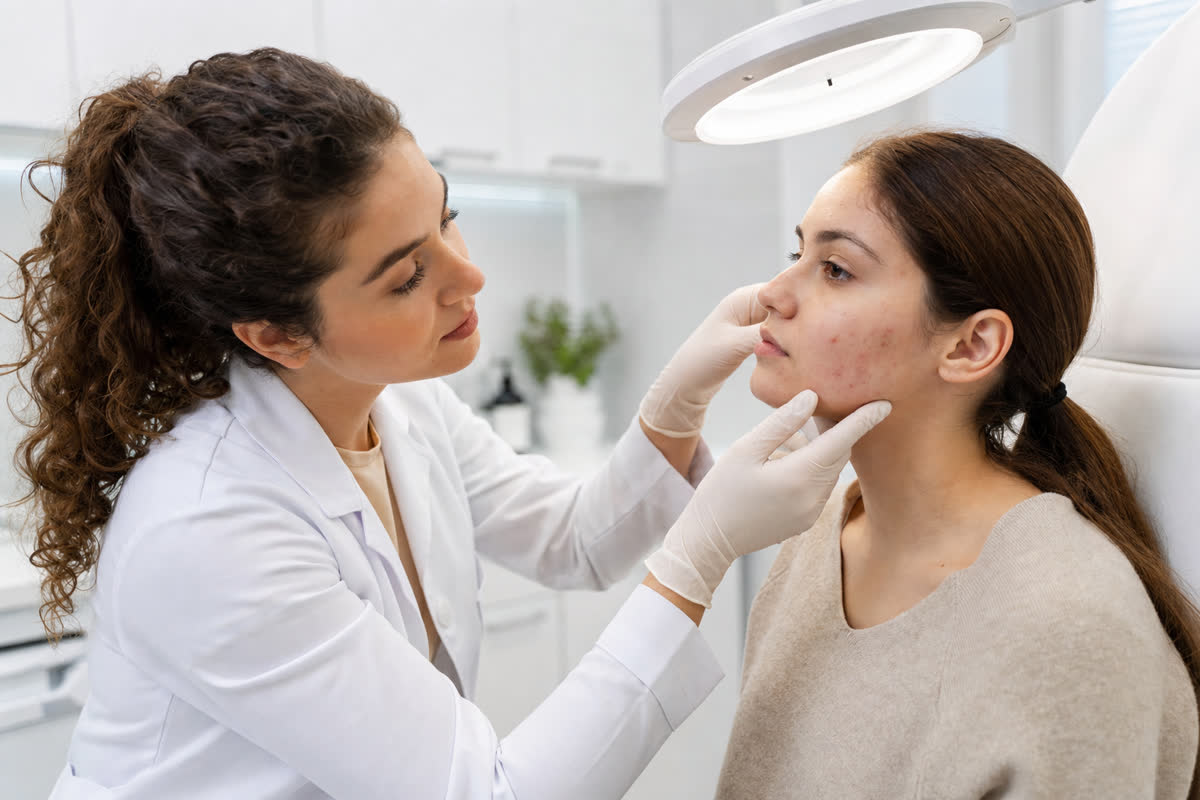
Many people can manage mild acne with over-the-counter products. But professional help can save your skin — and your confidence. See a dermatologist if you have:
- Moderate to severe acne that covers large areas
- Painful, deep cysts or nodules
- Acne that is scarring or leaving persistent dark marks
- Breakouts that have not improved after 2–3 months of consistent OTC care
- Signs of a hormonal cause (for example, acne with irregular periods or excess hair growth)
- Acne that is affecting your mood, confidence, or daily life
A dermatologist can prescribe stronger retinoids, topical or oral antibiotics, hormonal treatments (like certain birth control pills or spironolactone), or isotretinoin for severe, scarring acne. As MedlinePlus notes, early treatment is the best way to prevent lasting scars.
Red-flag reminder: Sudden severe acne, acne with other symptoms like rapid weight changes or menstrual irregularities, or any breakout accompanied by fever or widespread rash deserves prompt medical evaluation.
Key Takeaways
- Acne is a common, treatable medical condition caused by oil, clogged pores, bacteria, and inflammation — not poor hygiene.
- Know your type: blackheads and whiteheads respond to salicylic acid and retinoids; inflamed and cystic acne often needs benzoyl peroxide or prescription care.
- Use proven ingredients: salicylic acid, benzoyl peroxide, adapalene retinoids, azelaic acid, and niacinamide — one at a time.
- Keep it simple and consistent: gentle cleanser, targeted treatment, oil-free moisturizer, and daily sunscreen.
- Prevent breakouts with steady habits, non-comedogenic products, and no picking.
- Diet, stress, and sleep matter as supporting factors, but skincare and medical treatment are the foundation.
- See a dermatologist early for severe, painful, or scarring acne to protect your skin long term.
Explore Related Guides
- Best Skincare Routine for Beginners
- Retinol vs Vitamin C: Which to Use First
- Vitamin C Serum Secrets: Glowing Skin in 7 Days
- Sunscreen SPF Guide: How to Choose the Right SPF
- Zinc Deficiency: Symptoms, Foods & Treatment
- Vitamin D Deficiency: Symptoms, Causes & Treatment
- Omega-3 Deficiency: Signs & Best Food Sources
- How to Lower Cortisol Naturally
- Stress Management Techniques That Work
- Best Sleep Hygiene Tips for Better Rest
- Thyroid Symptoms in Women
- Browse the Skincare hub
- Explore Vitamin Deficiency & Nutrition and Wellness & Lifestyle
Medical Disclaimer
Symptoms Insight publishes general health and skincare information for educational purposes only. It is not a substitute for professional medical or dermatological advice, diagnosis, or treatment. Acne varies widely between individuals, and treatments that help one person may irritate another. Retinoids and some acne medications are avoided during pregnancy and breastfeeding. Always patch test new products, introduce active ingredients gradually, and consult a qualified dermatologist or healthcare provider for moderate to severe, painful, or scarring acne, or if you have specific concerns. Never disregard professional medical advice because of something you have read here.
About the publisher

Rajat
Health & Wellness Editor | Global
Health & Wellness Editor | Global
Rajat edits Symptoms Insight as a practical health publication focused on symptoms, vitamin deficiencies, skincare, wellness habits, and digital health — always encouraging readers to consult qualified healthcare professionals for personal medical decisions.
FAQ
Frequently asked questions
What is the fastest way to get rid of acne?
There is no overnight cure, but the fastest safe approach is consistency with proven ingredients rather than aggressive scrubbing or picking. For an individual pimple, a benzoyl peroxide or salicylic acid spot treatment can calm it within a day or two. For ongoing acne, a simple routine of a gentle cleanser, a leave-on treatment (salicylic acid, benzoyl peroxide, or an adapalene retinoid), an oil-free moisturizer, and daily sunscreen typically shows visible improvement in 4 to 8 weeks. Picking or popping pimples slows healing and raises the risk of scarring, so avoid it.
What causes acne?
Acne forms when pores become clogged with a mix of excess oil (sebum), dead skin cells, and the acne-related bacteria Cutibacterium acnes, which triggers inflammation. Hormones are a major driver, which is why acne is so common in the teen years and around the menstrual cycle. Genetics, stress, certain medications, high-glycemic diets, comedogenic (pore-clogging) products, and friction from masks or equipment can all make it worse. Contrary to a common myth, acne is not caused by poor hygiene or dirty skin.
What ingredients work best for acne?
The most evidence-backed over-the-counter acne ingredients are benzoyl peroxide (kills acne bacteria and reduces inflammation), salicylic acid (a BHA that unclogs pores), and adapalene, a retinoid that normalizes cell turnover and prevents new clogs. Azelaic acid helps with both breakouts and post-acne marks and is gentle enough for sensitive skin. Niacinamide can calm redness and control oil. For moderate to severe acne, a dermatologist may add prescription retinoids, topical or oral antibiotics, hormonal treatments, or isotretinoin.
How do I prevent acne from coming back?
Prevention is about maintenance, not intensity. Keep a consistent gentle routine even after your skin clears, because stopping treatment often lets breakouts return. Cleanse twice daily and after sweating, use non-comedogenic and oil-free products, do not over-wash or over-exfoliate, change pillowcases regularly, avoid touching or picking your face, remove makeup before bed, and wear daily sunscreen. Managing stress, sleep, and a balanced lower-glycemic diet also supports clearer skin over time.
Does diet affect acne?
For some people, yes. Research links high-glycemic diets (lots of sugar, white bread, and refined carbs) and, in some studies, skim milk and whey protein to more breakouts, likely through effects on insulin and hormones. This does not mean food causes everyone's acne, and no single food is universally to blame. A balanced diet rich in vegetables, whole grains, lean protein, and omega-3 fats supports skin health, but skincare and, when needed, medical treatment remain the foundation of clearing acne.
Is it okay to pop pimples?
Dermatologists strongly advise against it. Squeezing or popping pimples pushes bacteria and debris deeper into the skin, worsens inflammation, delays healing, and significantly raises the risk of dark marks (post-inflammatory hyperpigmentation) and permanent scarring. Instead, apply a targeted spot treatment, use a pimple patch to protect the area, and let it heal. Deep, painful cysts should be treated by a dermatologist, who can drain or inject them safely.
How long does acne treatment take to work?
Most acne treatments need patience. Over-the-counter products typically take 4 to 8 weeks to show clear improvement, and prescription treatments often need 8 to 12 weeks. Skin can even look slightly worse in the first few weeks as some ingredients speed up cell turnover, a temporary phase sometimes called purging. The key is to give a routine at least 6 to 8 weeks before deciding it is not working, and to change only one product at a time so you can tell what helps.
When should I see a dermatologist for acne?
See a dermatologist if your acne is moderate to severe, painful, cystic (deep, tender bumps), leaving scars or dark marks, not improving after two to three months of consistent over-the-counter care, or seriously affecting your confidence and mood. A dermatologist can prescribe stronger, targeted treatments, check for underlying hormonal causes, and help prevent lasting scars. Early professional care is one of the best ways to avoid long-term skin damage.
Can stress cause acne?
Stress does not directly create acne, but it can trigger and worsen it. When you are stressed, your body releases more cortisol and other hormones that can increase oil production and inflammation, making breakouts more likely and slower to heal. Stress can also lead to skin-picking and disrupted sleep, which further aggravate acne. Managing stress through sleep, exercise, and relaxation techniques is a helpful part of an overall acne plan.
Does acne go away on its own?
Mild acne often improves as hormones stabilize after the teenage years, but it is unpredictable and can persist well into adulthood, especially in women due to hormonal fluctuations. Waiting it out risks scarring and dark marks that are much harder to treat than active acne. Because effective, affordable treatments exist, most dermatologists recommend treating acne early rather than hoping it clears by itself.