Medical & editorial notice: Symptoms Insight publishes general health information for educational purposes only. It is not a substitute for professional medical advice, diagnosis, or treatment. Always seek the advice of a qualified healthcare provider with questions about a medical condition.
Review snapshot
What we checked for this guide
Official sources used
Pages checked while updating this article
Introduction
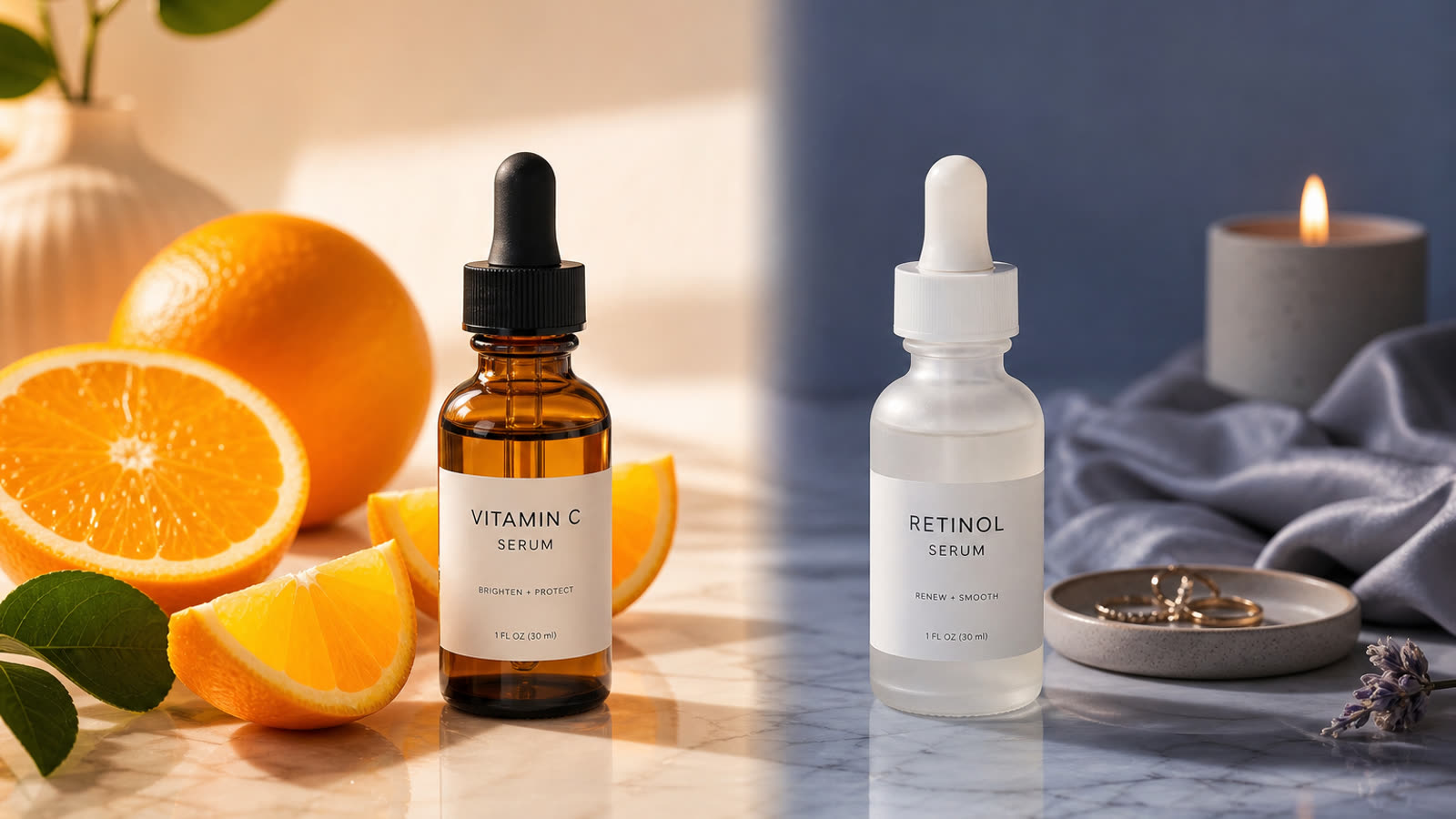
Retinol and vitamin C are the two most talked-about ingredients in modern skincare — and for good reason. One is the gold-standard antioxidant for daytime protection and brightening; the other is the most researched anti-aging active you can buy without a prescription. But because they are both powerful, beginners are often left confused by the same question: retinol vs vitamin C — which should you use first?
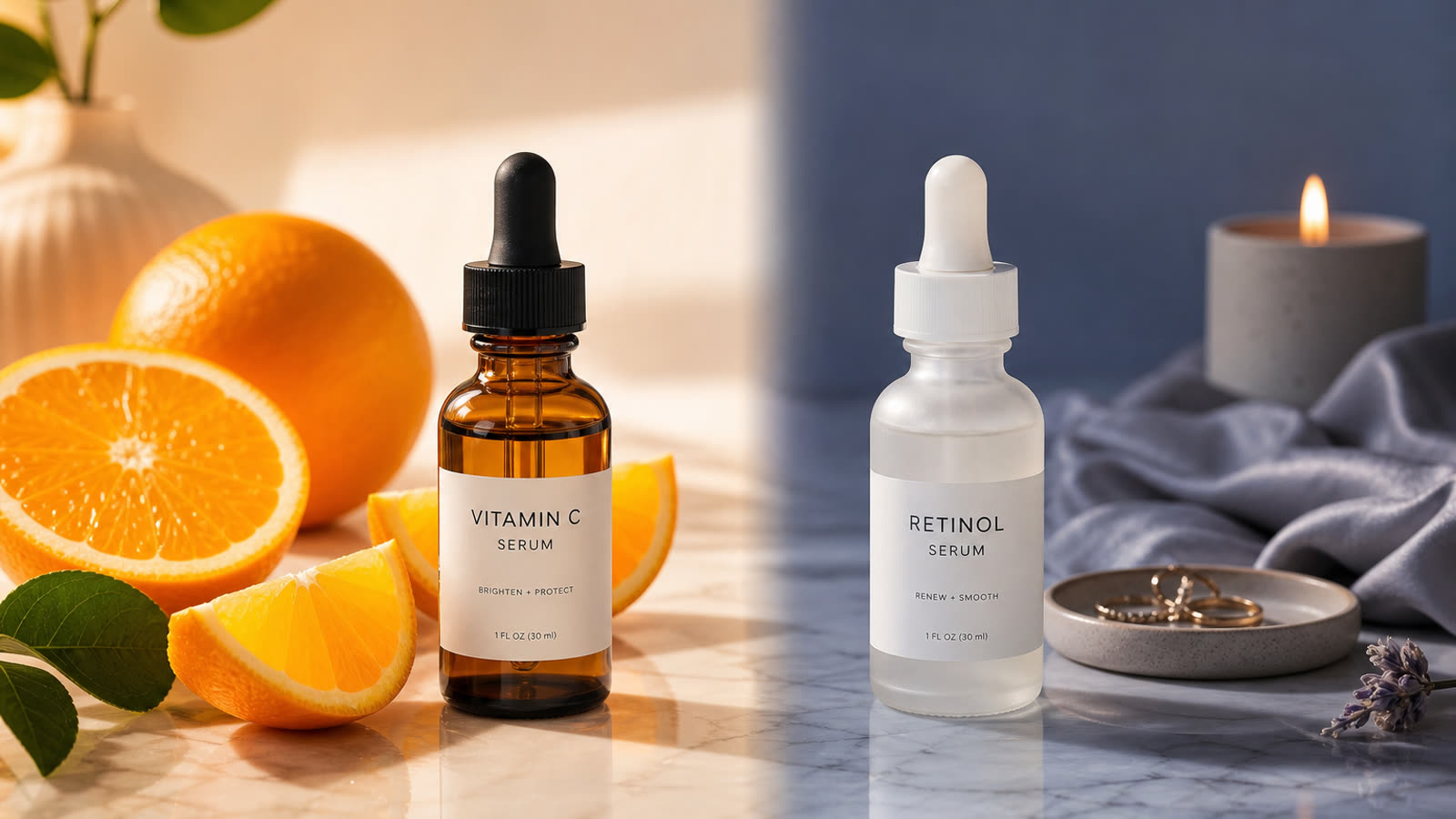
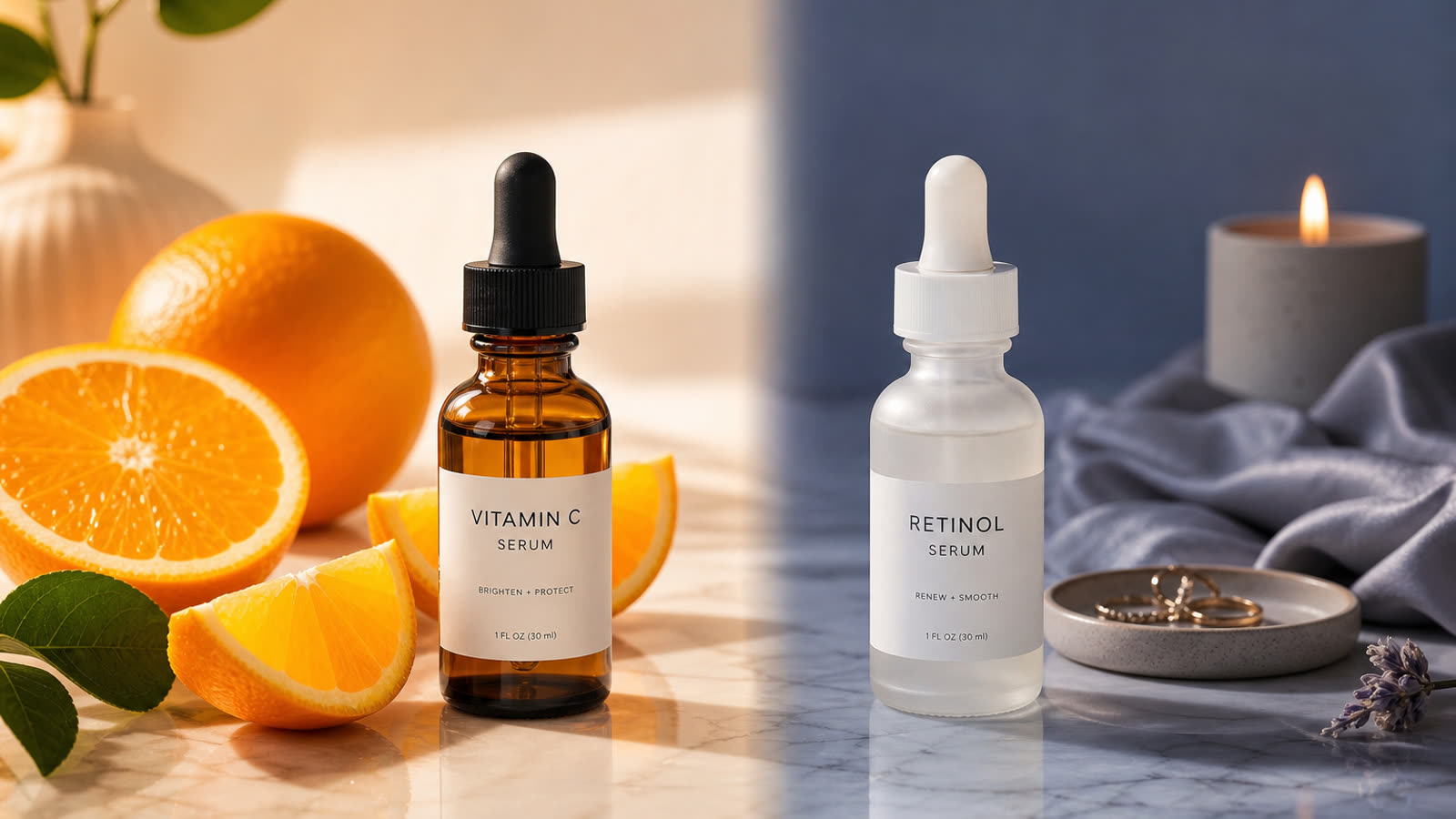
The short answer is that they usually should not be layered one on top of the other at the same time. They work best at different times of day and for different goals. Vitamin C shines in the morning as a shield against sun and pollution, while retinol does its repair work at night while you sleep. Used correctly, together they cover almost every common skin concern: dullness, dark spots, fine lines, uneven texture, and early signs of aging.
This in-depth 2026 guide explains exactly what each ingredient does, how they compare, which one to apply first, how to layer them safely, the side effects to watch for, and a simple beginner routine you can actually stick to. If you are new to actives, start with our best skincare routine for beginners and the Skincare hub, then come back here to level up.
Medical note: This article is for general education only and is not medical advice. Skincare ingredients affect everyone differently. If you have a diagnosed skin condition, are pregnant or breastfeeding (retinoids are generally avoided in pregnancy), or experience persistent irritation, consult a dermatologist or qualified healthcare provider before starting retinol or vitamin C.
What Is Vitamin C in Skincare?
Vitamin C (most often used as L-ascorbic acid or gentler derivatives) is a potent antioxidant. In skincare, its main job is to protect skin from the everyday oxidative stress caused by UV light and pollution, while also supporting a brighter, more even complexion.
According to MedlinePlus, part of the U.S. National Institutes of Health, vitamin C is essential for the body's production of collagen — the protein that keeps skin firm and smooth. Topically, this is why vitamin C is a staple in both brightening and early anti-aging routines.
What vitamin C does for your skin
- Antioxidant protection: neutralizes free radicals from sun and pollution that accelerate visible aging
- Brightens dullness: helps tired, uneven skin look fresher and more radiant
- Fades dark spots: supports a more even tone and can soften the look of post-acne marks and pigmentation
- Supports collagen: contributes to firmer, smoother-looking skin over time
- Boosts sunscreen: used under SPF, it adds a complementary layer of daytime defense (it does not replace sunscreen)
If you want a deeper dive into how vitamin C serums fit into a brightening routine, read our companion guide, Vitamin C Serum Secrets: Glowing Skin in 7 Days. And because topical benefits work alongside diet, our vitamin C deficiency guide explains why the nutrient matters for skin from the inside out.
Common forms of vitamin C
| Form | Notes |
|---|---|
| L-ascorbic acid | Most active and best-studied; can be irritating and unstable |
| Sodium ascorbyl phosphate | Gentler derivative, good for sensitive or acne-prone skin |
| Magnesium ascorbyl phosphate | Mild, hydrating derivative for reactive skin |
| Ascorbyl glucoside | Stable derivative that converts to vitamin C on the skin |
Because L-ascorbic acid is sensitive to light and air, choose serums in dark or airtight packaging and replace them if they turn deep orange-brown.
What Is Retinol in Skincare?
Retinol is a form of vitamin A and one of the best-studied anti-aging ingredients available over the counter. It belongs to a family of ingredients called retinoids, which also includes prescription-strength options like tretinoin.
The Mayo Clinic notes that retinol and other retinoids can help reduce the appearance of fine lines and improve skin texture by boosting collagen and speeding up cell turnover. MedlinePlus also describes vitamin A as important for healthy skin and cell growth.
What retinol does for your skin
- Speeds cell turnover: encourages fresher skin cells to replace older, dull ones
- Smooths fine lines: supports collagen for firmer, smoother-looking skin over months
- Refines texture: helps rough, bumpy, or congested skin feel smoother
- Unclogs pores: useful for blackheads and mild acne
- Evens tone: can gradually fade the look of dark spots and sun damage
Retinol works gradually. Unlike a quick hydration boost, its benefits build over 8–12 weeks and beyond, which is why patience and consistency matter far more than jumping to a high strength.
Retinol strengths at a glance
| Strength | Who it suits |
|---|---|
| 0.25%–0.3% | Beginners and sensitive skin |
| 0.5% | Intermediate users with some tolerance |
| 1.0% | Experienced users seeking stronger results |
| Prescription retinoids | Dermatologist-guided for acne or aging |
Retinol vs Vitamin C: The Key Differences
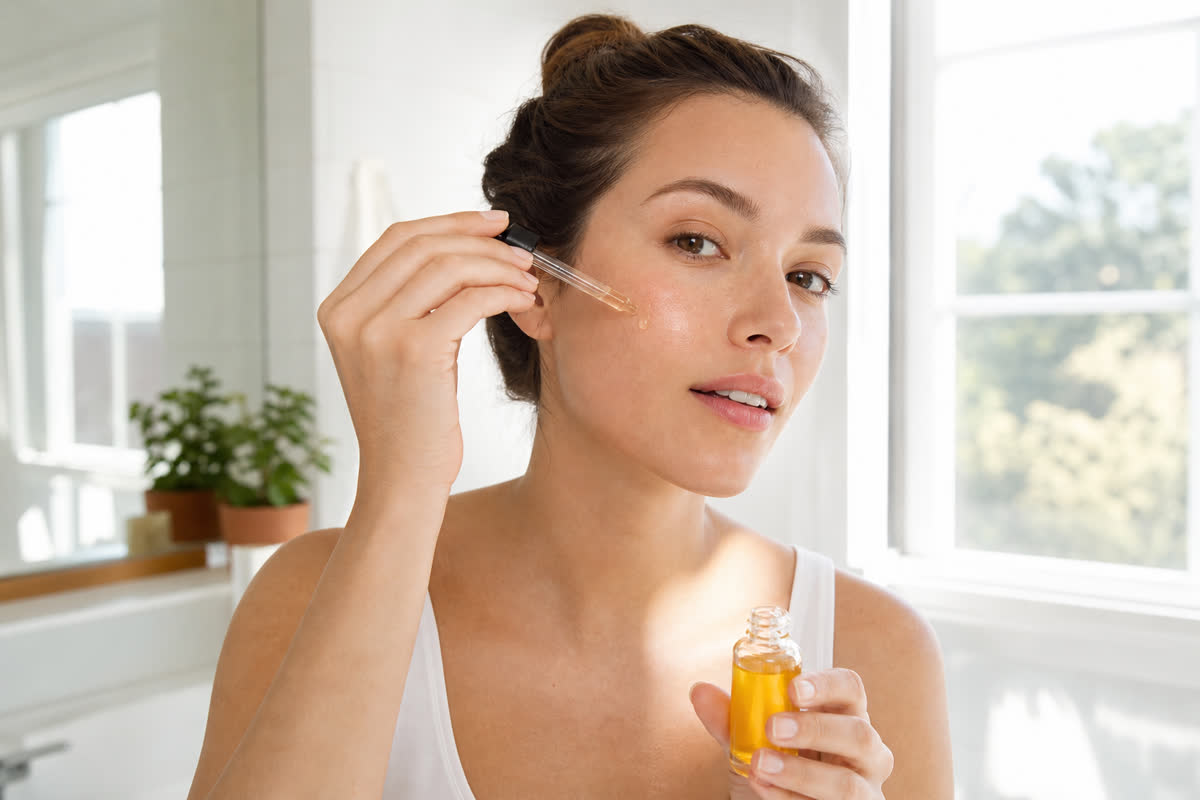
Both ingredients improve skin, but they solve different problems and thrive at different times. Here is a side-by-side comparison.
| Feature | Vitamin C | Retinol |
|---|---|---|
| Ingredient type | Antioxidant (vitamin C) | Retinoid (vitamin A) |
| Best time to use | Morning (AM) | Night (PM) |
| Main goal | Protect, brighten, even tone | Repair, smooth, anti-age |
| Works with sunscreen | Yes — enhances daytime defense | Sunscreen essential the next day |
| How fast it works | Brightening in ~2–4 weeks | Texture and lines over 8–12+ weeks |
| Irritation risk | Low to moderate | Moderate (dryness, peeling) |
| Sun sensitivity | Does not increase it | Can increase sun sensitivity |
| Pregnancy | Generally considered fine | Retinoids usually avoided |
The takeaway: vitamin C defends by day, retinol repairs by night. They are not rivals — they are teammates that cover different shifts.
Retinol vs Vitamin C: Which Should You Use First?
This is the question that trips up most beginners. Here is the clear answer.
The best approach: separate them by time of day
For the vast majority of people, the simplest and most effective plan is:
- Morning: cleanse → vitamin C serum → moisturizer → sunscreen
- Night: cleanse → retinol → moisturizer
This splits your two power players so each works when it performs best. Vitamin C boosts your daytime protection alongside SPF, and retinol repairs skin overnight without competing with sunlight. It also minimizes irritation, because you are never layering two strong actives at once.
If you want to use both in the same routine
Some experienced users do layer them, and modern research suggests it can be done. If you choose to, follow the universal rule: apply the thinnest, most water-based product first. That usually means:
- Cleanse and let skin dry
- Apply vitamin C (typically water-based)
- Wait about 5–10 minutes for it to absorb
- Apply retinol
- Seal with moisturizer
However, layering both increases the chance of dryness, redness, and stinging — especially for beginners. Unless you have a specific reason and tolerant skin, AM/PM separation is the smarter default.
Which to start with if you are new
If you have never used either, begin with vitamin C in the morning for a few weeks. It is generally gentler and gives quicker, more visible brightening, which builds confidence. Once your skin is comfortable, introduce retinol at night slowly — just two evenings a week to start.
How to Layer Retinol and Vitamin C Safely
Layering skincare is all about order and patience. Whether you split by time of day or combine, these principles keep your skin barrier happy.
The golden rules of layering
- Thinnest to thickest: watery serums first, creams and oils last
- Water-based before oil-based: vitamin C serums usually go on early
- Buffer strong actives: apply moisturizer before or after retinol if you are sensitive
- Sunscreen is always last in the morning
- Introduce one active at a time so you know what your skin is reacting to
Sample AM and PM routines
Morning (protect + brighten):
- Gentle cleanser (or just water)
- Vitamin C serum
- Moisturizer
- Broad-spectrum sunscreen (SPF 30+)
Night (repair + renew):
- Cleanser
- Retinol (start 2 nights/week)
- Moisturizer
For a step-by-step foundation you can build on, see our best skincare routine for beginners. Good daily wellness habits and quality sleep also help skin recover and glow — skincare works best when the rest of your health is supported.
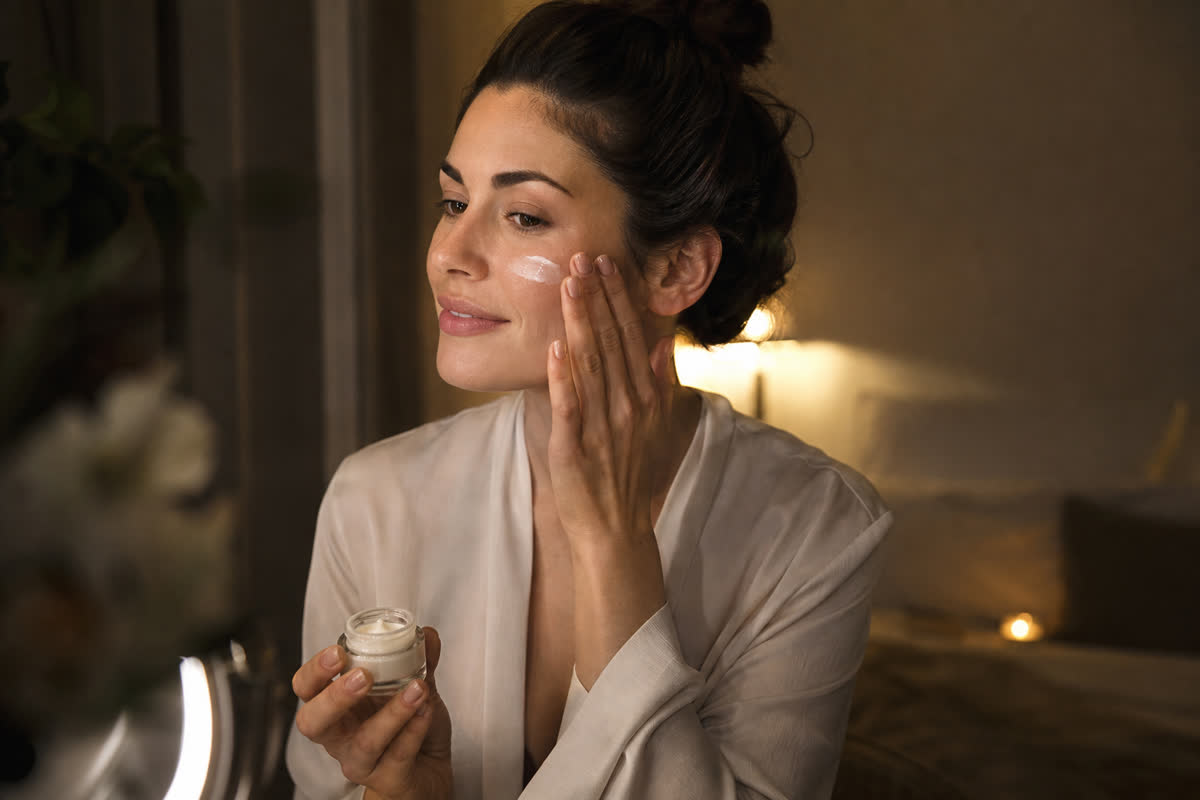
How to Start Retinol Without Irritation
Retinol's biggest downside is the "retinization" period — the few weeks of dryness, flaking, and redness some people experience as skin adjusts. You can minimize it dramatically with a slow, gentle start.
Step 1: Patch test first
Before applying anything to your whole face, dab a small amount on your inner forearm or jawline for a few nights to check for a reaction. This one habit prevents most bad experiences.
Step 2: Start low and slow
Begin with a low strength (0.25%–0.3%) just two nights a week. After two to three comfortable weeks, increase to every other night, then nightly only if your skin tolerates it well.
Step 3: Use the "sandwich" method
If your skin is reactive, apply a layer of moisturizer, then retinol, then more moisturizer. This buffers the active and reduces irritation while your skin adapts.
Step 4: Use a pea-sized amount
More is not better. A pea-sized amount covers the whole face. Overapplying is the fastest route to peeling and redness.
Step 5: Never skip moisturizer or sunscreen
Retinol can dry skin and increase sun sensitivity. A rich moisturizer at night and daily SPF in the morning are essential, not optional.

Side Effects and What to Watch For
Both ingredients are generally safe when used correctly, but active skincare can cause reactions — especially early on.
Common vitamin C side effects
- Mild tingling or warmth on application
- Slight redness (usually with high-strength L-ascorbic acid)
- Rare stinging on very sensitive or broken skin
If a high-strength vitamin C stings, switch to a gentler derivative or a lower percentage.
Common retinol side effects
- Dryness and flaking, especially in the first few weeks
- Redness and tightness
- Mild peeling as cell turnover speeds up
- Temporary "purging" (small breakouts) for acne-prone skin
These usually ease within a few weeks as skin adjusts. If irritation is severe, cut back frequency and buffer with moisturizer.
When irritation is a problem
Persistent burning, swelling, cracking, or a rash is not normal adjustment — stop the product and let your skin recover. Sometimes what looks like a skincare reaction is actually stress- or health-related; our guides on stress and the body, anxiety's physical symptoms, and staying hydrated can help you rule out other triggers. If in doubt, see a dermatologist.
Reality check: No serum works if you skip sunscreen. Both retinol and vitamin C protect and repair, but daily SPF is what preserves your results and prevents new damage.
Why Sunscreen Is Non-Negotiable
If you take away one thing from this guide, make it this: sunscreen is the most important anti-aging product you own.
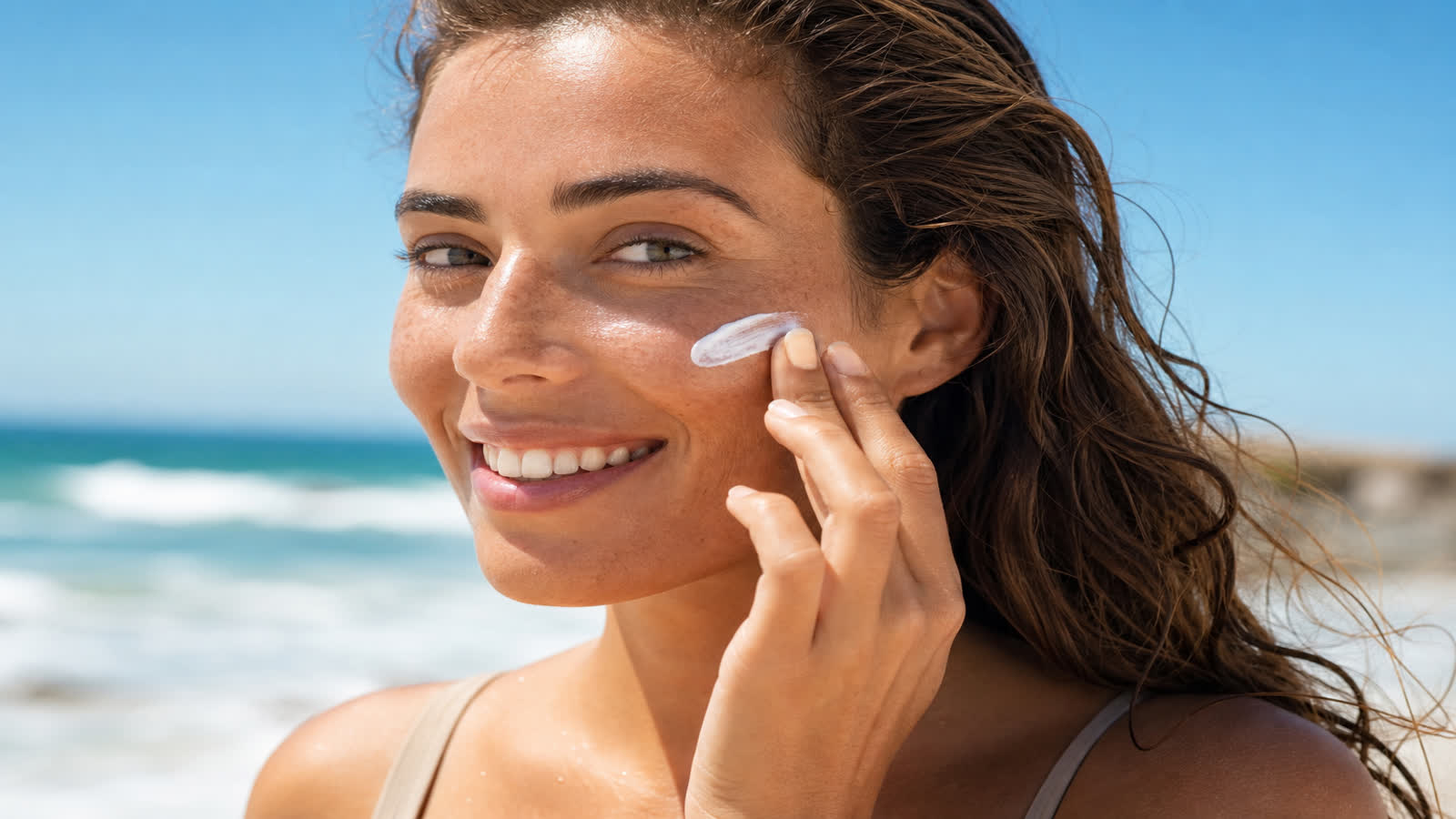
The CDC recommends broad-spectrum sunscreen with at least SPF 15 (SPF 30+ is better), along with shade and protective clothing, to reduce sun damage and skin cancer risk. For a skincare routine built on vitamin C and retinol, sunscreen does three critical jobs:
- Protects your investment — UV damage undoes the brightening and smoothing your serums work for
- Prevents new dark spots — the exact problem vitamin C is trying to fade
- Reduces retinol irritation — retinol raises sun sensitivity, so SPF lowers the risk of a reaction
Apply a generous layer every morning as the final step, and reapply during long sun exposure. This matters year-round — not just in summer.
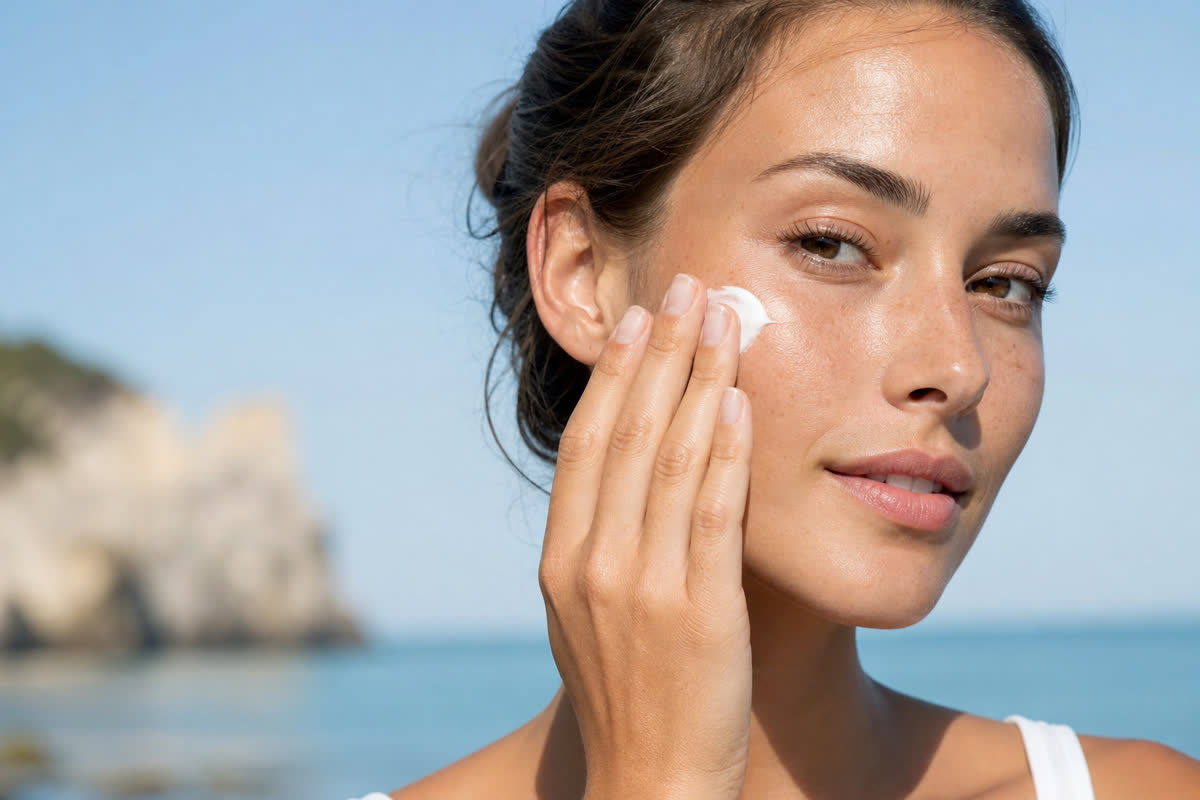
Retinol and Vitamin C for Different Skin Types
There is no single perfect approach — your skin type shapes how you use these actives.
| Skin type | Vitamin C tip | Retinol tip |
|---|---|---|
| Oily / acne-prone | Great for tone; derivatives feel light | Helps unclog pores; expect a short purge |
| Dry | Pair with hydrating serum; look for vitamin E + ferulic acid | Use the sandwich method; go slow |
| Sensitive | Choose gentle derivatives, lower % | Start once a week, buffer heavily |
| Combination | Fine in AM under SPF | Apply lightly, watch dry areas |
| Mature | Antioxidant support for firmness | The star anti-aging ingredient — be consistent |
Whatever your type, the same rules apply: patch test, start slow, moisturize, and never skip sunscreen.
What Not to Mix With Retinol and Vitamin C
Layering too many actives at once is the fastest way to wreck your skin barrier. Be cautious about combining, in the same routine:
- Retinol + strong exfoliating acids (AHA/BHA) — high irritation risk; alternate on different nights
- Retinol + benzoyl peroxide — can deactivate some retinoids and dry skin; use at different times
- Retinol + high-strength vitamin C at once — split into AM (vitamin C) and PM (retinol) instead
- Multiple new actives at once — introduce one at a time so you can spot reactions
When your routine feels irritated, simplify. Cleanser, moisturizer, and sunscreen form the healthy base; actives are add-ons, not requirements.
A Simple Weekly Plan for Beginners
Here is a gentle, realistic schedule that uses both ingredients without overwhelming your skin.
| Day | Morning | Night |
|---|---|---|
| Monday | Vitamin C → moisturizer → SPF | Cleanser → retinol → moisturizer |
| Tuesday | Vitamin C → moisturizer → SPF | Cleanser → moisturizer |
| Wednesday | Vitamin C → moisturizer → SPF | Cleanser → moisturizer |
| Thursday | Vitamin C → moisturizer → SPF | Cleanser → retinol → moisturizer |
| Friday | Vitamin C → moisturizer → SPF | Cleanser → moisturizer |
| Weekend | Vitamin C → moisturizer → SPF | Cleanser → moisturizer (rest nights) |
As your skin adapts over a few weeks, you can add more retinol nights. There is no prize for rushing — steady beats intense.
Key Takeaways
- Retinol and vitamin C are teammates, not rivals — vitamin C protects and brightens by day; retinol repairs and smooths by night.
- Which to use first? Separate them: vitamin C in the morning, retinol at night. This is gentler and more effective than layering.
- If you combine them, apply the water-based vitamin C first, wait, then apply retinol — but expect more irritation.
- Start slow: low strengths, patch test, two retinol nights a week, and plenty of moisturizer.
- Sunscreen is non-negotiable — it protects your results and reduces retinol's sun-sensitivity risk.
- Simplify when irritated and see a dermatologist for persistent reactions or diagnosed skin conditions.
Explore Related Guides
- Best Skincare Routine for Beginners
- Vitamin C Serum Secrets: Glowing Skin in 7 Days
- Vitamin C Deficiency: Symptoms & Scurvy Signs
- Vitamin D Deficiency: Symptoms, Causes & Treatment
- Zinc Deficiency: Symptoms, Foods & Treatment
- Daily Wellness Habits for Better Energy
- Best Sleep Hygiene Tips for Better Rest
- Stress Management Techniques That Work
- Anxiety: Physical Symptoms Explained
- Dehydration: Symptoms, Causes & Treatment
- Browse the Skincare hub
- Explore Vitamin Deficiency & Nutrition and Wellness & Lifestyle
Medical Disclaimer
Symptoms Insight publishes general health and skincare information for educational purposes only. It is not a substitute for professional medical or dermatological advice, diagnosis, or treatment. Skincare ingredients affect individuals differently, and active ingredients like retinol and vitamin C can cause irritation. Retinoids are generally avoided during pregnancy and breastfeeding. Always patch test new products, introduce actives gradually, and consult a qualified dermatologist or healthcare provider if you have a skin condition, persistent irritation, or specific concerns. Never disregard professional medical advice because of something you have read here.
About the publisher

Rajat
Health & Wellness Editor | Global
Health & Wellness Editor | Global
Rajat edits Symptoms Insight as a practical health publication focused on symptoms, vitamin deficiencies, skincare, wellness habits, and digital health — always encouraging readers to consult qualified healthcare professionals for personal medical decisions.
FAQ
Frequently asked questions
Should I use retinol or vitamin C first?
They work best at different times of day rather than layered back-to-back. Use vitamin C in the morning, where its antioxidant protection pairs perfectly with sunscreen, and use retinol at night, when skin repairs itself and there is no sun to break retinol down. If you must apply both in the same routine, apply the water-based product (usually vitamin C) first on clean skin, wait a few minutes, then apply the retinol. But separating them into AM and PM is gentler and more effective for most people.
Can I use retinol and vitamin C together?
Yes, but carefully. Both are active ingredients, and using them at the same time can increase the risk of irritation, dryness, and stinging, especially for beginners or sensitive skin. The simplest, safest approach is vitamin C in the morning and retinol at night. If you want to use both in one routine, introduce them slowly, buffer with moisturizer, and stop if your skin becomes red, flaky, or tender.
What does vitamin C do for your skin?
Vitamin C is a powerful antioxidant that helps neutralize free radicals from sun and pollution, supports collagen production, brightens a dull complexion, and can fade the look of dark spots and uneven tone over time. Used in the morning under sunscreen, it adds a layer of daytime protection and helps skin look fresher and more even with consistent use.
What does retinol do for your skin?
Retinol is a vitamin A derivative that speeds up skin cell turnover, boosts collagen, and helps smooth fine lines, refine texture, unclog pores, and improve tone over weeks to months. It is one of the most researched anti-aging and anti-acne ingredients available over the counter, but it works gradually and can cause dryness and peeling during the adjustment period.
Why should retinol be used at night?
Retinol can be broken down and made less effective by sunlight, and it can make skin more sensitive to UV rays. Using it at night protects the ingredient and lets it work while your skin naturally repairs itself during sleep. It also lowers the risk of sun-related irritation. Daily sunscreen the next morning is essential when you use retinol.
Can beginners use retinol and vitamin C?
Yes. Beginners should start slowly with a lower-strength vitamin C (around 10 percent) each morning and a low-strength retinol (0.25 to 0.3 percent) just two nights a week, building up as tolerated. Always patch test first, use plenty of moisturizer, and never skip daytime sunscreen. Introduce one active at a time so you can tell how your skin responds.
How long does it take to see results from retinol and vitamin C?
Vitamin C can produce a subtle brightening within a couple of weeks, with more even tone building over one to three months. Retinol works more slowly, and you can expect texture and clarity improvements around 8 to 12 weeks, and fine-line and firmness changes over three to six months of consistent use. Both reward patience and consistency far more than high strength.
What should you not mix with retinol?
Avoid layering retinol at the same time as strong exfoliating acids (AHAs and BHAs), benzoyl peroxide, or high-strength vitamin C in the same routine, because the combination can overwhelm the skin barrier and cause irritation. It is usually fine to use these ingredients on alternate days or at opposite ends of the day. When in doubt, keep routines simple and add one active at a time.
Do I still need sunscreen if I use vitamin C and retinol?
Absolutely, and it is non-negotiable. Vitamin C supports but does not replace sunscreen, and retinol can make skin more sun-sensitive. A broad-spectrum SPF 30 or higher every morning protects your results, prevents new dark spots, and reduces the irritation risk from active ingredients. Sunscreen is the single most important anti-aging step in any routine.
Can I use vitamin C and retinol if I have sensitive skin?
Often yes, with a gentle approach. Choose lower strengths, buffer actives by applying moisturizer first or after, use retinol only once or twice a week to start, and never combine multiple actives at once. Vitamin C derivatives (like sodium ascorbyl phosphate) tend to be gentler than pure L-ascorbic acid. If you have a diagnosed skin condition, check with a dermatologist before starting.