Editorial trust
How this article is handled
Vehicle Insight articles may use AI-assisted research support, outlining, or drafting help, but readers should still verify time-sensitive details such as pricing, variants, safety equipment, mileage, and dealer offers on official brand or retailer pages.
Review snapshot
What we checked for this guide
This guide was written by reviewing Tesla's latest investor materials, the original reveal coverage, and Reuters reporting so the business-model analysis stays tied to public facts rather than pure speculation.
- Tesla's current public materials support a June 2026 Austin pilot and wider service ambitions later in 2026, but they do not guarantee instant scale.
- We separate the robotaxi network story from the Cybercab vehicle story so readers can understand what changes even before full Cybercab volume arrives.
- Income examples in this article are directional illustrations of the model, not guaranteed owner earnings.
Why it helps
Strong points readers should notice
- The article explains why Tesla Robotaxi matters beyond EV fans and Musk headlines.
- It gives a plain-language breakdown of how the robotaxi business model could pressure Uber and traditional car ownership.
- The topic is strong for future-tech and transport curiosity traffic because it sits at the center of AI, jobs, and urban change.
Watchouts
Limits worth knowing up front
- The model still depends on regulation, safety performance, and fleet operations that are much harder than product reveals.
- A limited pilot does not automatically prove robotaxi scale or economic success.
Official sources used
Pages checked while updating this article
For years, Tesla's robotaxi vision felt like one of those stories people loved to argue about but could not really measure.
That is changing in 2026.
Tesla now has a more concrete timeline, a dedicated vehicle concept, and official language around a pilot ride-hailing service in Austin. That still does not prove full robotaxi success. But it does mean this is no longer just a keynote dream floating above reality.
And if Tesla gets even part of the model right, the impact reaches far beyond one automaker.
It affects:
- Uber
- taxi economics
- city transport design
- parking demand
- car ownership habits
- fleet-style income thinking
That is why the robotaxi story matters more than a normal Tesla launch.
If you want the release date and price-focused breakdown, start with Tesla Cybercab 2026: Release Date, Price, and Robotaxi Plan Explained.
What is Tesla Robotaxi, exactly?
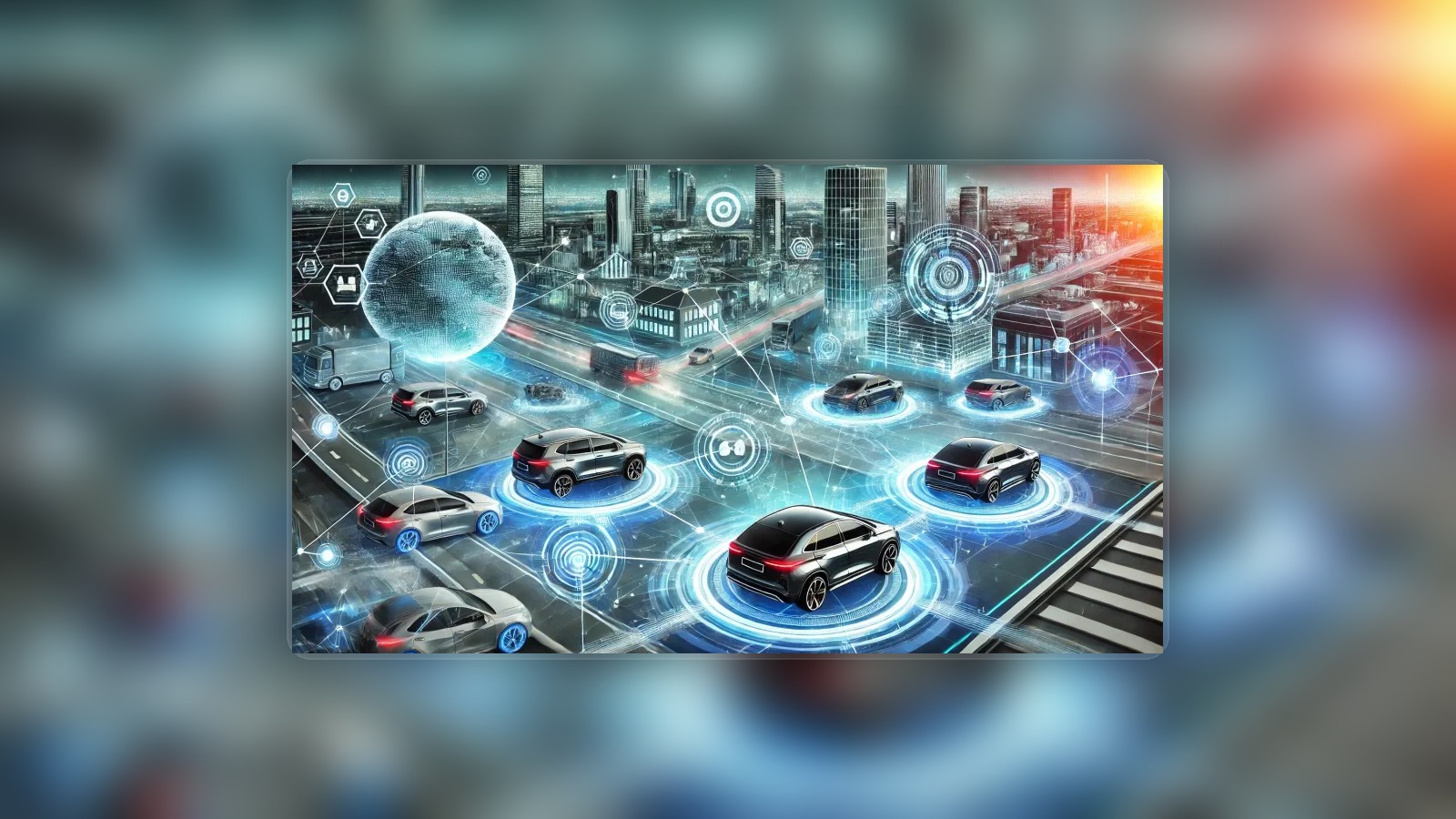
Tesla Robotaxi is Tesla's plan for autonomous ride-hailing.
The core idea is simple:
- a Tesla drives itself
- a rider requests a trip through a network
- no human driver is needed in the car
- the platform handles routing, payment, and service logic
At first glance, that sounds like Uber without the driver.
But the deeper difference is economic.
Traditional ride-hailing platforms depend on human labor for every single trip.
Tesla wants the vehicle, the AI stack, and the platform software to handle the trip instead.
That is why the company keeps framing this as more than a car feature. It is a transport business model.
Why 2026 looks like the real breakout year
There are several reasons this year matters more than earlier Tesla robotaxi promises.
1. Tesla's own materials now point to a real pilot
Tesla's Q4 2025 update deck says a pilot robotaxi ride-hailing service is targeted for Austin in June 2026.
That matters because the story is no longer only about "someday." Tesla has now attached a real city and a real month to the idea.
2. Tesla is connecting service and production
At the same time, Tesla says preparations continue for Cybercab production ramps beginning in the first half of 2026. So the service story and the vehicle story are starting to move closer together.
3. The competitive pressure is real
Waymo and other autonomy players have already forced the market to take robotaxis seriously. Tesla now needs to show that its AI-first, camera-heavy approach can translate into actual deployment, not only marketing.
4. Public awareness is much higher now
After the Cybercab reveal, more regular readers understand what Tesla is trying to build:
- driverless rides
- AI-managed fleets
- lower transport costs
- cars as active service assets
That makes every update more meaningful.
What changes everything if Tesla Robotaxi works?
This is the real heart of the story.
If Tesla succeeds, the win is not only "self-driving cars are real."
The bigger shift is this:
Transportation stops being mainly a privately controlled activity and becomes increasingly a software-managed service.
That changes the logic of the car itself.
Instead of a vehicle sitting idle most of the day, a robotaxi can in theory:
- keep serving riders
- keep generating fare revenue
- keep improving route efficiency
- keep feeding data back into the system
That is a much bigger idea than convenience.
It changes the economics of ownership, fleet management, and transport pricing.
Tesla's business model is why investors care so much
The robotaxi story becomes truly disruptive only when you look at money.
The old model
Most cars are expensive assets that sit parked most of the time.
Tesla's future model
Tesla wants a world where a vehicle can become:
- transport hardware
- AI software endpoint
- ride-hailing unit
- recurring-revenue asset
That is why people describe robotaxi as a massive long-term upside story. It is not only about selling more cars. It is about owning a larger part of the transportation stack.
Why the owner angle is so powerful
Tesla has long hinted at a world where owner vehicles could participate in the network.
That is where the story becomes culturally sticky.
People do not only hear "autonomous taxi."
They hear:
- passive income
- cars that work while you sleep
- a vehicle as an earning machine instead of a monthly burden
That idea may not fully play out at scale right away, but it explains why the robotaxi concept gets so much attention beyond EV circles.
| Factor | Tesla Robotaxi model | Traditional ride-hailing model |
|---|---|---|
| Driver | No human driver in the intended end state | Human driver required for every ride |
| Main cost pressure | Fleet ops, charging, maintenance, software | Driver pay, fuel, maintenance, platform commissions |
| Availability | Potentially 24/7 | Depends on driver supply and time of day |
| Asset logic | Vehicle could become a working service unit | Cars are usually operator-dependent labor tools |
| Biggest risk | Regulation and autonomy reliability | Labor cost and service variability |
Why Uber should care
The Tesla robotaxi vision hits directly at the deepest cost layer inside the ride-hailing business: the human driver.
If Tesla can deliver safe, reliable autonomous trips at meaningful scale, it could create pressure in four ways.
Lower marginal ride cost
No human driver means the long-term economics of each trip can change dramatically.
Stronger fleet utilization
An autonomous vehicle can stay in service more often if the charging, routing, and maintenance systems are efficient enough.
Platform control
Tesla is trying to own:
- the vehicle
- the software
- the autonomy stack
- the ride-hailing layer
That kind of vertical integration is powerful.
Pricing pressure
If driverless rides become cheaper, existing platforms may struggle to defend their take rates.
That does not mean Uber disappears. It does mean the market structure could change.
Why cities should care just as much
The robotaxi story is not only a startup or stock-market story. It is a city story.
If autonomous ride networks become normal, cities could see:
- less parking demand in some districts
- new curb-management problems
- different traffic patterns
- more pressure on taxi regulation
- new questions around pickup zones and charging infrastructure
Urban design changes when the logic of vehicle use changes.
If people begin to rely on on-demand autonomous rides instead of private second cars, city planners have to think differently about streets, storage, and transit integration.
That is why robotaxi matters long before every street is full of them.
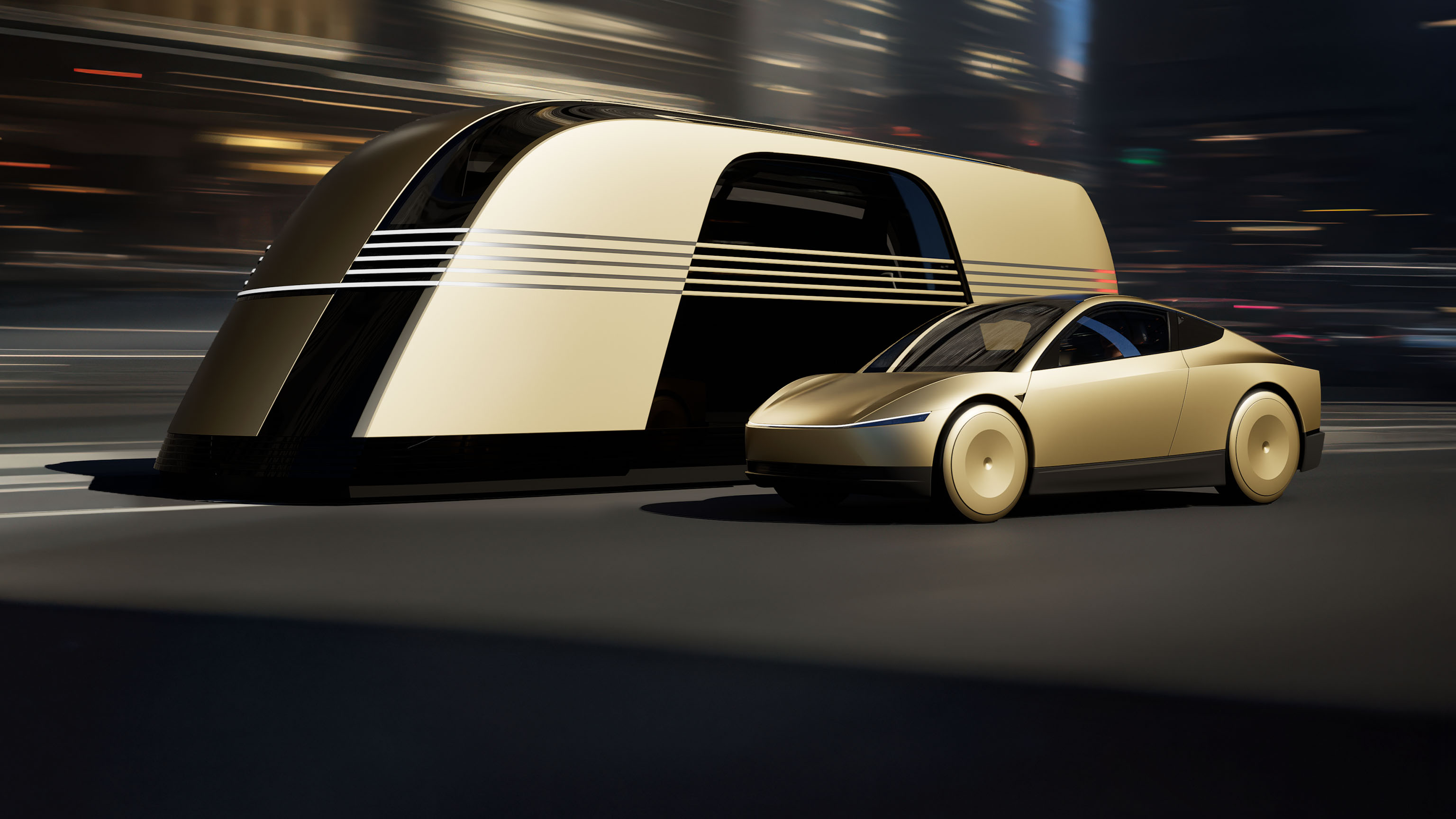
Why the Cybercab vehicle matters to the robotaxi network
Tesla can start robotaxi service using existing Tesla hardware in limited ways, but the dedicated Cybercab still matters because purpose-built vehicles change unit economics.
Cybercab matters because Tesla wants:
- lower build cost
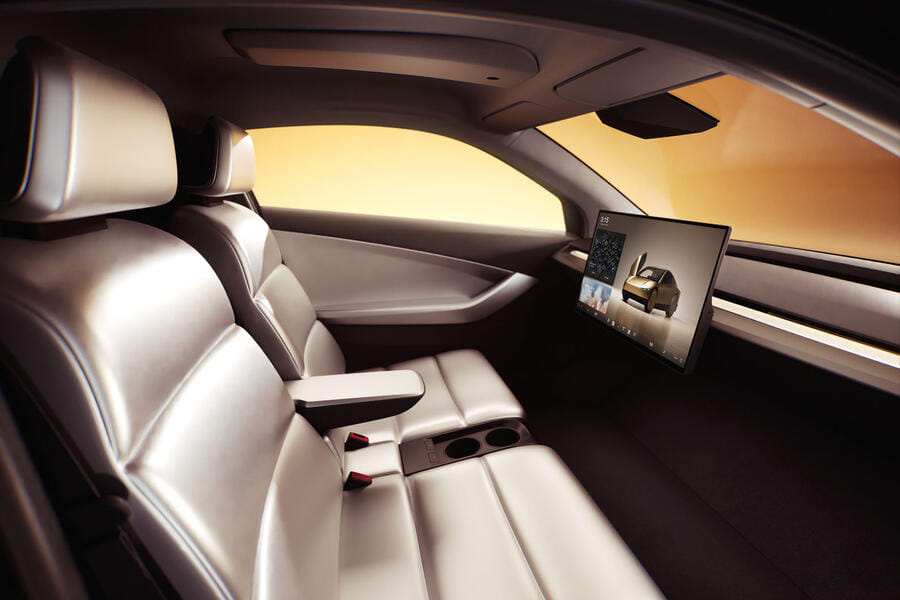
- simpler cabin design
- a vehicle optimized for autonomy
- transport-first utility instead of multi-purpose ownership
That is how Tesla moves from "self-driving feature" to "network-scale product."
If existing Teslas are the bridge, Cybercab is the machine meant to scale the concept.
The biggest risks Tesla still faces
The robotaxi narrative is compelling, but it is still one of the hardest technology and operations problems in the world.
Regulation
Even a strong pilot does not guarantee broad approval. Rules vary across cities, states, and countries.
Rare edge cases
The hardest part of self-driving is not the normal drive. It is the strange, unpredictable moment:
- emergency reroutes
- poor weather
- unusual human behavior
- roadwork confusion
- split-second liability scenarios
Public trust
Some riders will step into a driverless car immediately. Others will avoid it for years. Adoption is partly technical and partly emotional.
Fleet operations
A real robotaxi network needs more than AI:
- cleaning
- charging
- servicing
- pricing management
- customer support
- local response systems
That operational layer is where many beautiful product visions get tested brutally.
So what changes first if Tesla really pulls this off?
The first wave would likely look like this:
1. Select-city service becomes normal
Not nationwide overnight. A few high-focus metros first.
2. Transport pricing changes
Once driverless rides become reliable, consumers compare them against:
- personal car ownership
- taxi fares
- human-driver ride-hailing
3. Asset thinking changes
People start viewing vehicles less as static possessions and more as software-linked service machines.
4. Jobs shift
Some driving roles come under pressure while new roles grow around:
- fleet operations
- remote monitoring
- AI systems
- autonomy support
- charging and service logistics
Final verdict
Tesla Robotaxi matters because it is not only trying to make autonomous driving real. It is trying to change the economic logic of transportation.
That is why the story feels bigger than a single launch.
If Tesla succeeds even partially, a few things could change fast:
- cities may depend less on parked private cars
- ride-hailing pricing may face new pressure
- vehicles may start to look more like digital assets than household expenses
The rollout will almost certainly be slower and messier than the loudest headlines suggest.
But the direction is now hard to ignore. 2026 looks like the year when Tesla's robotaxi story has to start proving itself in the real world.
FAQs
What is Tesla Robotaxi?
Tesla Robotaxi is Tesla's planned autonomous ride-hailing network, where self-driving Teslas complete trips without a human driver inside the vehicle.
Is Tesla Robotaxi launching in 2026?
Tesla's current investor materials point to an Austin pilot in June 2026, with broader service ambitions later in the year.
Why does Tesla Robotaxi matter so much?
It matters because it could change transportation economics by reducing reliance on drivers and turning vehicles into software-managed service assets.
Could Tesla Robotaxi hurt Uber?
Yes, if Tesla can run autonomous rides safely and cheaply at scale, it could pressure Uber's driver-based economics over time.
What is the biggest risk to the robotaxi plan?
The biggest risks are regulation, real-world edge-case safety, public trust, and the operational complexity of running a large autonomous fleet.
About the publisher

Rajat
Automobile Trends Editor | India
Automobile Trends Editor | India
Rajat edits Vehicle Insight as a practical automobile publication focused on new launches, car and bike reviews, EV updates, safety features, ownership costs, and future mobility trends for Indian readers.
FAQ
Frequently asked questions
What is Tesla Robotaxi?
Tesla Robotaxi is Tesla's planned autonomous ride-hailing network, where self-driving Teslas handle passenger trips without a human driver in the vehicle.
Is Tesla Robotaxi launching in 2026?
Tesla's investor materials point to a pilot service in Austin in June 2026, with broader service expansion ambitions later in the year.
How could Tesla Robotaxi make money?
The network could earn revenue from fares, fleet utilization, and platform commissions, while lowering the labor cost tied to human drivers.
Why does Tesla Robotaxi threaten Uber?
If Tesla can run autonomous rides cheaply and at scale, it could challenge driver-based ride-hailing economics directly.
What is the biggest risk to Tesla Robotaxi?
The biggest risks are regulation, autonomy reliability in real-world edge cases, and the operational challenge of running a clean, safe, responsive fleet.