Editorial trust
How this article is handled
Prompt Insight articles may use AI-assisted research support, outlining, or drafting help, but readers should still verify time-sensitive details such as pricing, limits, and vendor policies on official product pages.
Review snapshot
What we checked for this guide
This guide was written by checking Tesla's public investor materials and current reporting around the Cybercab reveal, robotaxi positioning, and 2026 production target instead of relying on social-media hype alone.
- We treated the 2026 production goal as a Tesla-stated target reported by major outlets, not as guaranteed large-scale deployment on a fixed date.
- We focused on the Cybercab's transport implications and business-model significance instead of repeating speculative fan claims.
- The article separates the concept vehicle story from the broader robotaxi strategy so readers can understand what is product, what is vision, and what is still execution risk.
Why it helps
Strong points readers should notice
- The guide explains the Cybercab in consumer terms instead of reducing it to one viral Tesla headline.
- It connects the vehicle to urban transport, ownership models, and the future of autonomous mobility.
- The piece fits your future-tech cluster and has strong Discover potential because the topic blends AI, cars, and major-brand curiosity.
Watchouts
Limits worth knowing up front
- Full autonomy, regulation, and large-scale deployment remain the biggest risks in the Cybercab story.
- Tesla timelines are closely watched but not always guaranteed to translate cleanly into mass rollout at the expected pace.
Official sources used
Pages checked while updating this article
The Tesla Cybercab is one of those products that instantly forces people to take a side.
Some look at it and think this is exactly what the future of transport should look like: clean, autonomous, software-led, and available on demand instead of sitting parked all day.
Others look at it and see another very ambitious Tesla promise that still has to survive the brutal realities of regulation, safety, and real-world deployment.
Both reactions are fair, and that is exactly why the Cybercab has become such a major future-tech story in 2026.
It is not just another electric vehicle. It is Tesla's most visible argument yet that the future of city travel may not revolve around privately owned cars driven by humans in the traditional way. The Cybercab changes the framing. It asks whether the next important vehicle category might be a robotaxi-first machine designed around AI-led transport rather than around personal control.
That is a much bigger idea than "new EV launch."
It touches:
- autonomy
- labor
- ride-hailing economics
- insurance
- city design
- personal ownership models
And it explains why the Cybercab keeps trending far beyond Tesla fan circles. Even people who do not plan to buy a Tesla are paying attention because a vehicle with no steering wheel and no pedals is not just a product. It is a statement about where transport might be heading if the technology actually works.
If you want the premium electric-bike side of the same future-mobility wave, read Royal Enfield Flying Flea C6 in 2026: Why This Retro EV Bike Has Everyone Watching.
What is Tesla Cybercab?
The simplest answer is that the Cybercab is Tesla's dedicated robotaxi concept, built around autonomous ride-hailing instead of conventional human-driven ownership.
That distinction matters.
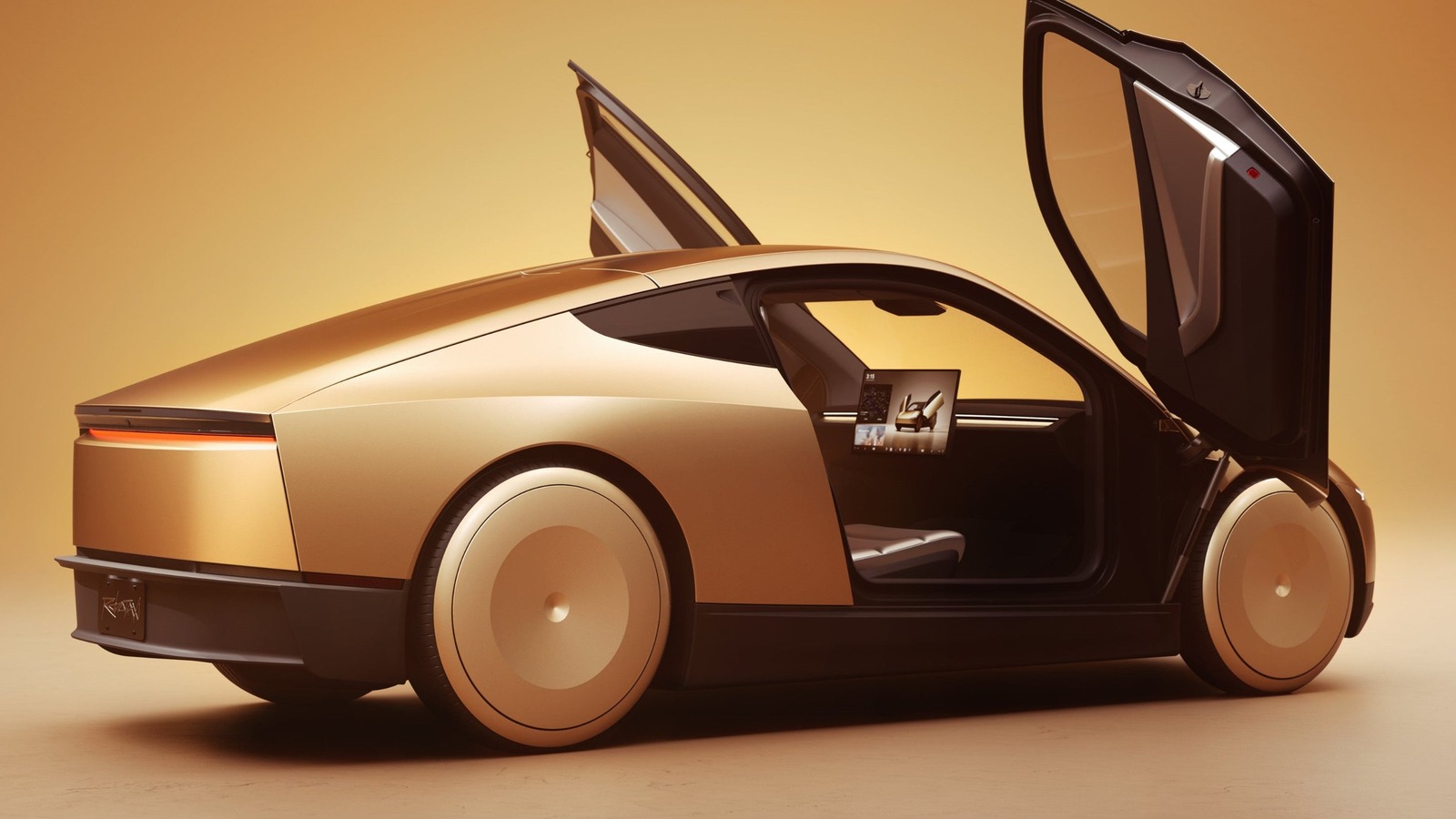
This is not a normal sedan with some extra self-driving features layered on top. Tesla unveiled the Cybercab as something much more radical:
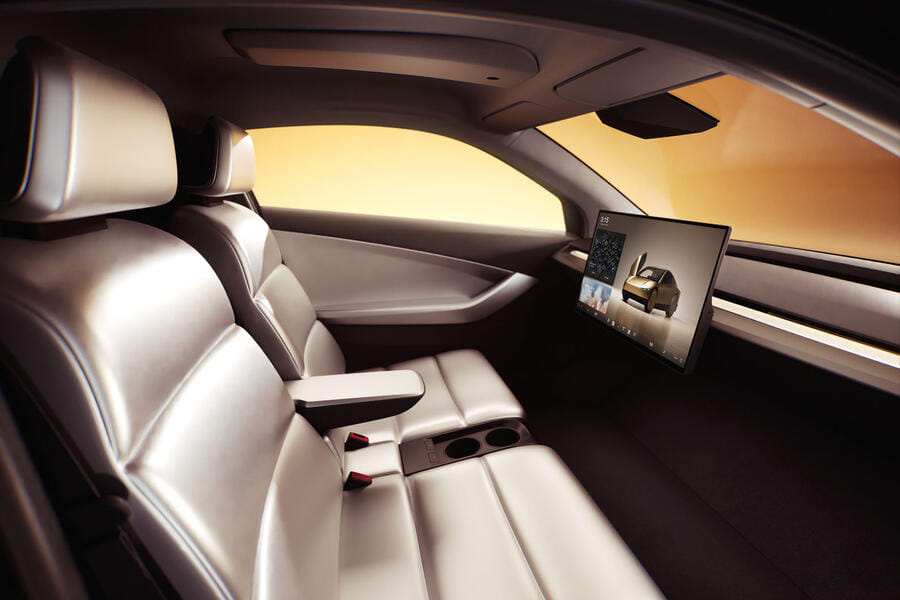
- no steering wheel
- no pedals
- a highly simplified interior idea
- a vehicle logic built around autonomy first
Once you remove the steering wheel, the meaning of the product changes. You are no longer talking about a car that can sometimes help the driver. You are talking about a machine that is meant to function without the driver as the core operating unit.
That is why the Cybercab story is larger than the usual Tesla product cycle. It is tied to the future of the robotaxi business model itself.
Why is the Cybercab such a huge story in 2026?
There are four big reasons.
1. It makes Tesla's robotaxi vision tangible
For years, Tesla's autonomy story has lived partly in software updates and partly in long-term promises. The Cybercab turns that broader robotaxi ambition into a visible object that people can respond to emotionally and politically.
2. The design is intentionally dramatic
A vehicle without a steering wheel or pedals is built to provoke reaction. Tesla did not present something incremental. It presented a machine that clearly says: this is not supposed to behave like a normal car.
3. Tesla connected it to a production target
Reuters reported that Tesla was targeting Cybercab production before 2027, and Tesla's own public investor materials point toward 2026 in a way that makes the timeline feel close enough to be taken seriously. That shifts the product from science-fiction curiosity into near-term business conversation.
4. It sits at the center of multiple giant trends
The Cybercab is where several powerful narratives collide:
- AI
- autonomy
- urban mobility
- EVs
- the future of work
- transport economics
When a product touches all of those at once, it naturally becomes headline material.
Why does the missing steering wheel matter so much?
Because it changes the category.
Most modern vehicles with advanced driver assistance still preserve the human as the legal and psychological backup. Even when the software seems advanced, the car still communicates one core idea: the human is ultimately responsible.
The Cybercab concept flips that. It says the intended future is not assistance. The intended future is autonomy.
That matters for every major stakeholder:
- regulators
- insurers
- riders
- investors
- city planners
- taxi and ride-hailing ecosystems
The missing steering wheel is not just a flashy industrial-design choice. It is Tesla publicly declaring what kind of future it is trying to build.
Is the Cybercab a car, a robotaxi, or a platform business?
The best answer is: all three.
At one level, it is a vehicle product. At another, it is a robotaxi. But at the deepest level, it is Tesla's attempt to build a transport platform in which software, AI, and fleet economics become more important than the traditional logic of personal car ownership.
That is why the Cybercab is not best understood as just "Tesla's next car." It is a mobility-system bet.
If that system works, the implications spread far beyond one model line. The company would not just be selling transportation hardware. It would be reshaping how transportation is delivered, monetized, and experienced.
That is why investors and transport analysts watch it so closely.
What do we actually know about Tesla's Cybercab timeline?
This is where discipline matters.
A concept reveal is not the same thing as production. A production target is not the same thing as large-scale deployment. And large-scale deployment is not the same thing as a successful everyday robotaxi business.
What we do know from public reporting is that Tesla has pointed toward a 2026 production target for Cybercab. That gives the story real urgency. It tells markets and competitors that Tesla does not view this as a distant fantasy project.
What we do not know with certainty is:
- exactly how fast production would scale
- where the earliest service operations would expand
- how regulators will respond city by city
- how quickly public trust will follow
That is why the right way to read the current Cybercab timeline is:
The vehicle is no longer just an abstract idea, but the hardest stage still lies ahead.
Why the Cybercab matters for city travel
This is the part where the story becomes much bigger than Tesla.
If autonomous ride-hailing eventually becomes cheaper, smoother, and more scalable than private ownership for certain city use cases, consumer behavior could shift in meaningful ways.
Not everywhere. Not immediately. But enough to matter.
Imagine a world where some urban residents decide:
- they do not need to own a second car
- parking is too expensive
- maintenance and insurance are too annoying
- on-demand autonomous rides are good enough most of the time
That would not end personal ownership, but it could reshape part of the market.
The Cybercab matters because it embodies that possibility very clearly. It is not pretending to be a compromise machine built equally for manual driving and autonomous operation forever. It is leaning directly into a robotaxi-first future.
What are the biggest promises behind the Cybercab idea?
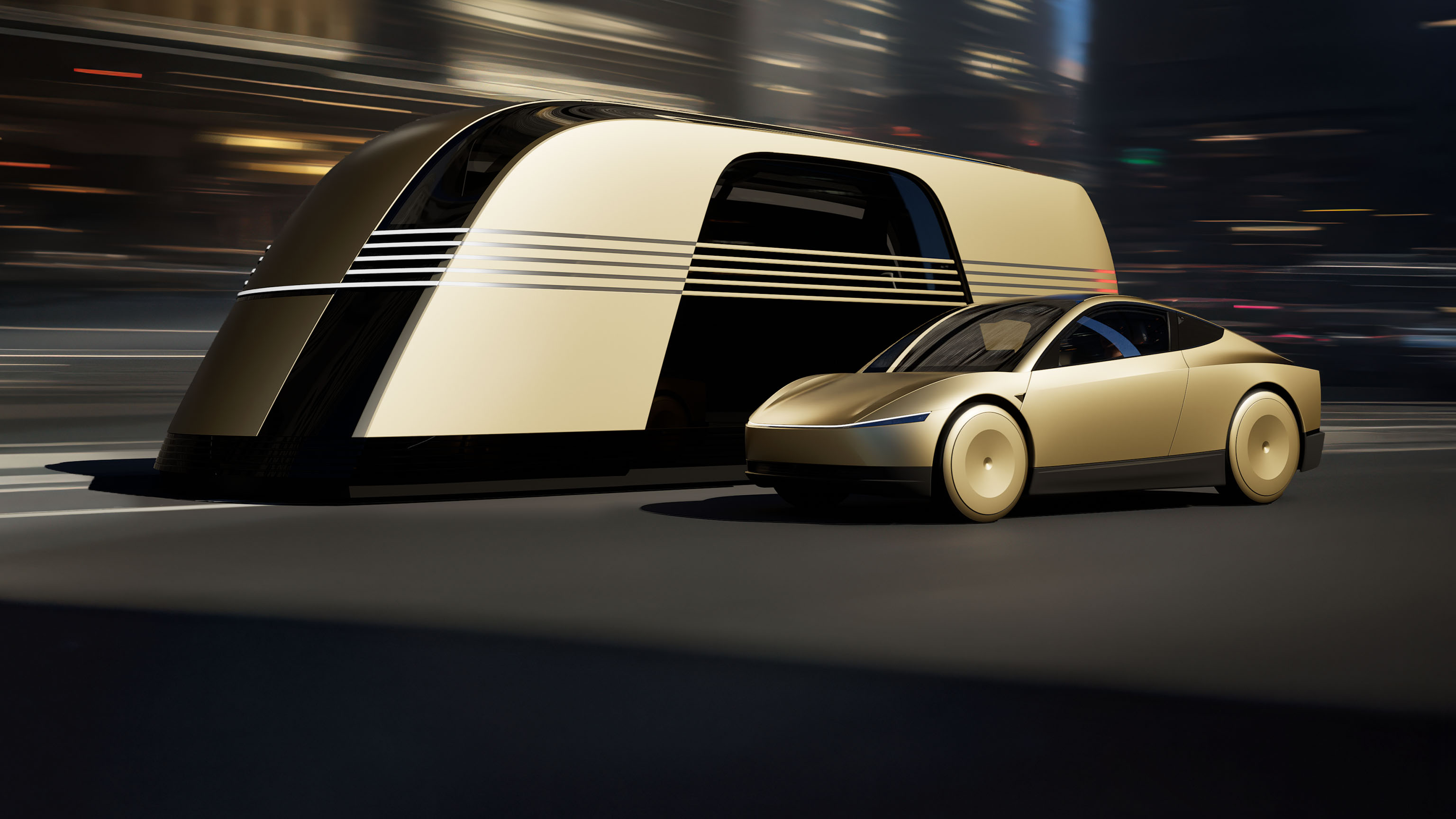
Tesla's Cybercab story is built on several large promises.
1. Lower ride costs
If a robotaxi fleet can operate without a human driver, the economics of ride-hailing change dramatically. That is one of the biggest reasons autonomous transport is such a huge long-term prize.
2. Better fleet utilization
A personal car usually spends most of its life parked. A robotaxi can theoretically stay active more often, turning idle hardware into revenue-generating transport.
3. Simpler user experience
For many consumers, the dream is simple: tap a screen, get a ride, arrive, and leave. No parking. No fuel stops. No ownership admin. No separate driver relationship.
4. A software-led mobility ecosystem
Tesla does not just want to build attractive cars. It wants to control more of the operating system around mobility. The Cybercab is compelling because it sits at the intersection of AI, vehicle hardware, and service economics.
What are the biggest risks and roadblocks?
This is where hype meets real-world friction.
1. Full autonomy is still the hardest challenge
The Cybercab only works as intended if the autonomy layer is good enough to handle real roads, unpredictable humans, weather shifts, construction zones, and edge cases with extreme reliability.
That is a huge challenge.
2. Regulation moves slower than product reveals
A dramatic launch can dominate headlines instantly. Regulatory confidence takes much longer. Approval and deployment are not social-media events. They are long operational processes.
3. Public trust is not automatic
Some riders will love the idea of stepping into a driverless taxi. Others will feel deeply uncomfortable. Public adoption depends on emotional trust just as much as technical performance.
4. Fleet operations are hard
Even if the technology works, robotaxi success also depends on:
- cleaning
- charging
- maintenance
- balancing vehicle demand
- route density
- customer support
That is not just an engineering challenge. It is an operations business.
How does Cybercab compare with a normal city car?
| Factor | Tesla Cybercab concept | Normal urban car model |
|---|---|---|
| Main purpose | Autonomous ride-hailing and fleet transport | Personally owned daily transport |
| Driving controls | No steering wheel or pedals in the concept | Human driver remains fully central |
| Economic logic | Higher utilization and software-led service economics | Ownership costs spread across personal usage |
| Biggest challenge | Autonomy, regulation, and public trust | Traffic, parking, depreciation, and running cost |
| Why it matters | Could redefine how city mobility is delivered | Represents the current mainstream system |
That table shows why the Cybercab is not merely a weird-looking Tesla. It is a challenge to some of the deepest assumptions in urban transport.
Is the Cybercab overhyped or genuinely important?
The honest answer is both.
It is overhyped in the sense that many people talk about robotaxis as if full transformation is already inevitable and right around the corner. Transport transitions rarely work that cleanly.
But it is genuinely important because Tesla has turned a long-discussed future into a very clear product concept and public ambition. Even critics are forced to engage with it.
Some products matter because they are already finished. Others matter because they make a possible future impossible to ignore.
The Cybercab belongs in the second category.
Who should pay closest attention to Tesla Cybercab?
This product matters to more than Tesla enthusiasts.
The most important watchers are likely:
- mobility analysts
- regulators
- ride-hailing businesses
- city planners
- insurers
- investors
- AI and autonomy observers
Why? Because even if Tesla's timeline slips, the Cybercab still pressures the whole transport sector to respond to a very direct question:
What happens if city travel becomes a software-led service more than a personally driven experience?
Final verdict
The Tesla Cybercab is trending because it turns the robotaxi future into something people can instantly visualize.
No steering wheel. No pedals. A transport model built around AI-led ride-hailing. A vehicle concept that challenges the idea that every important car must be designed around personal control.
That is a huge claim.
And that is exactly why it matters.
Even if deployment takes longer and gets messier than the headlines suggest, the Cybercab has already succeeded in one critical way: it has made the autonomous-mobility future feel real enough to debate seriously.
That alone makes it one of the most important future-transport stories of 2026.
If you want the sky-mobility side of this same trend wave, read Flying Cars and Jet Bikes in 2026: Why Personal eVTOLs Suddenly Feel Closer Than Ever.
FAQs
Is Tesla Cybercab a real vehicle or just a concept?
It is best understood as a future-facing product concept tied to a real production ambition, but it still has major safety, regulatory, and execution hurdles to clear.
Why is everyone talking about the missing steering wheel?
Because it signals Tesla is aiming beyond driver assistance and toward a transport model built around true autonomy.
Could Cybercab replace taxis or ride-hailing drivers soon?
Not quickly or universally. Even if robotaxis expand, deployment will likely be gradual and shaped heavily by regulation, trust, and operating conditions.
Is 2026 guaranteed for production?
No. It is a target tied to Tesla's public plans and current reporting, not a guaranteed mass rollout date.
Why does the Cybercab matter for ordinary readers?
Because if autonomous ride-hailing eventually works at scale, it could change how people think about owning, using, and paying for city transport.
About the publisher

Rajat
Automation Engineer · India
Automation Engineer | India
Rajat is an Automation Engineer building a practical space around AI generation, automation, and digital workflows. Through Prompt Insight, he helps students and professionals understand AI tools, work more efficiently, and find a clearer path through fast-moving technology.
Recommended tools
Tools that fit this workflow
Research
Perplexity
Great for research-heavy tasks when you need a quick answer with links you can verify.
AI assistant
Gemini
Useful when your workflow already lives inside Google apps and you want AI help across that stack.
AI assistant
ChatGPT
A flexible assistant for drafting, ideation, summarizing, and turning rough notes into usable work.
FAQ
Frequently asked questions
What is Tesla Cybercab?
Tesla Cybercab is a steering-wheel-free, pedal-free robotaxi concept designed around autonomous ride-hailing rather than traditional personal car ownership.
When does Tesla plan to build Cybercab?
Tesla has pointed to a 2026 production target, but the actual scale and timing of rollout will depend on manufacturing, regulation, and autonomy progress.
Does the Cybercab really have no steering wheel or pedals?
Yes, the concept Tesla unveiled was shown without a steering wheel or pedals, which is a big part of why it became such a headline-grabbing reveal.
Why is the Cybercab important beyond Tesla fans?
It matters because it pushes the conversation around robotaxis, autonomous transport economics, and whether city travel could shift from owned cars to AI-driven fleets.
Is Tesla Cybercab a finished production car?
No. It is best understood as a future-facing product and business-model bet that still has to clear major technology, safety, and deployment hurdles.


